Heliodor at a Glance
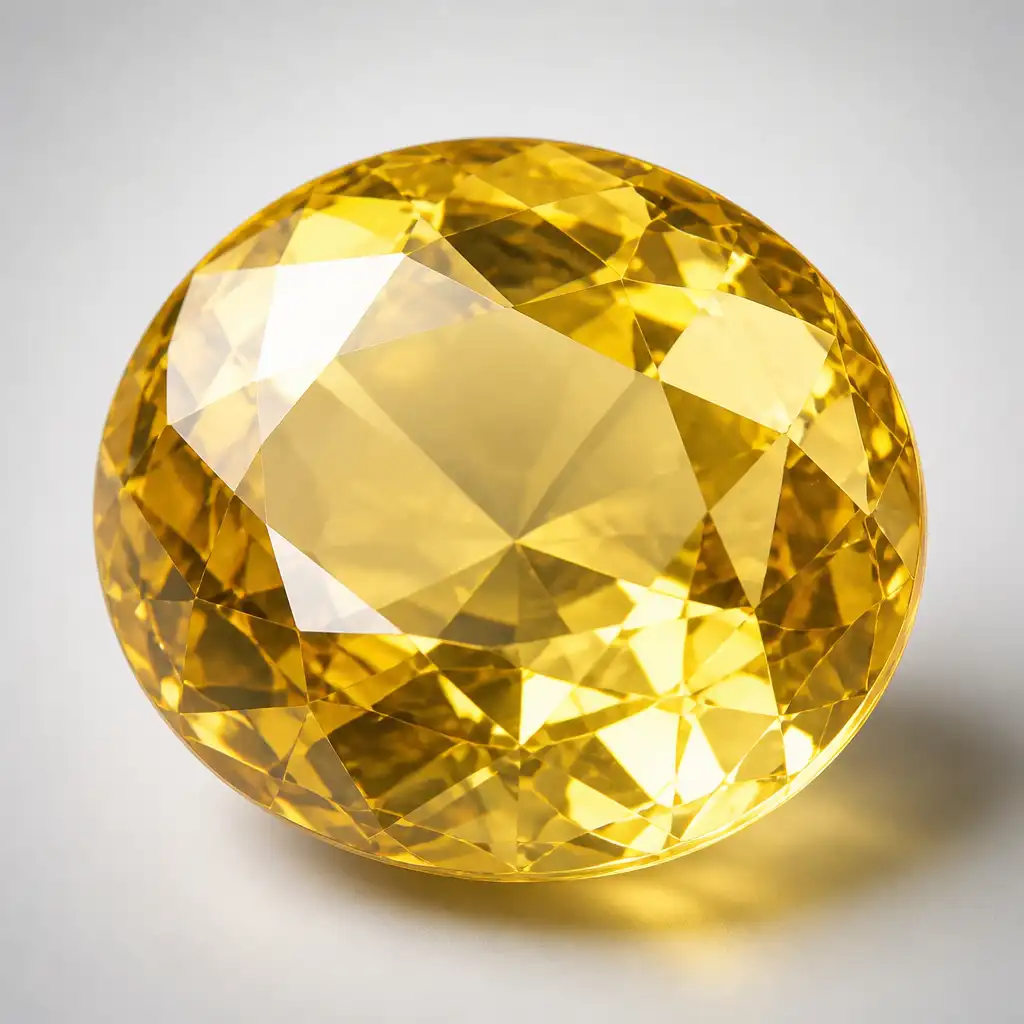
Heliodor is the Stone of Solar Power — a golden beryl that channels the energy of the sun into the Solar Plexus, activating confidence, leadership, and the magnetic personal power that attracts success.
Leaders, entrepreneurs, public speakers, and anyone seeking to activate their personal power and attract success through authentic confidence
“I radiate confidence and purpose. My personal power is aligned with divine will, and success flows to me naturally.”
Cleanse with moonlight, smudging, or selenite; durable at Mohs 7.5-8; stable color that resists fading; no special sensitivity concerns
Heliodor Quick Answers
What is Heliodor good for?
Activating the Solar Plexus, building real confidence, and strengthening leadership ability. If you are in a position of authority — or want to be — Heliodor helps you project genuine assurance and make clear decisions. It also gets used for manifestation around career success, abundance, and ambitious goals. On a day-to-day level, its warm solar energy simply makes people feel happier, more creative, and more positively engaged with life.
Is Heliodor the same as Golden Beryl?
Yes, Heliodor and Golden Beryl refer to the same mineral. "Golden Beryl" is the descriptive gemological name, while "Heliodor" (from the Greek "helios," meaning sun) is the trade name that has been in use since the early twentieth century. Some gemologists reserve the name "Heliodor" specifically for the more saturated golden-yellow to greenish-yellow material, while using "Golden Beryl" for the lighter yellow specimens. In the metaphysical community, the names are used interchangeably.
What is the Meaning & History of Heliodor?
Core Meaning
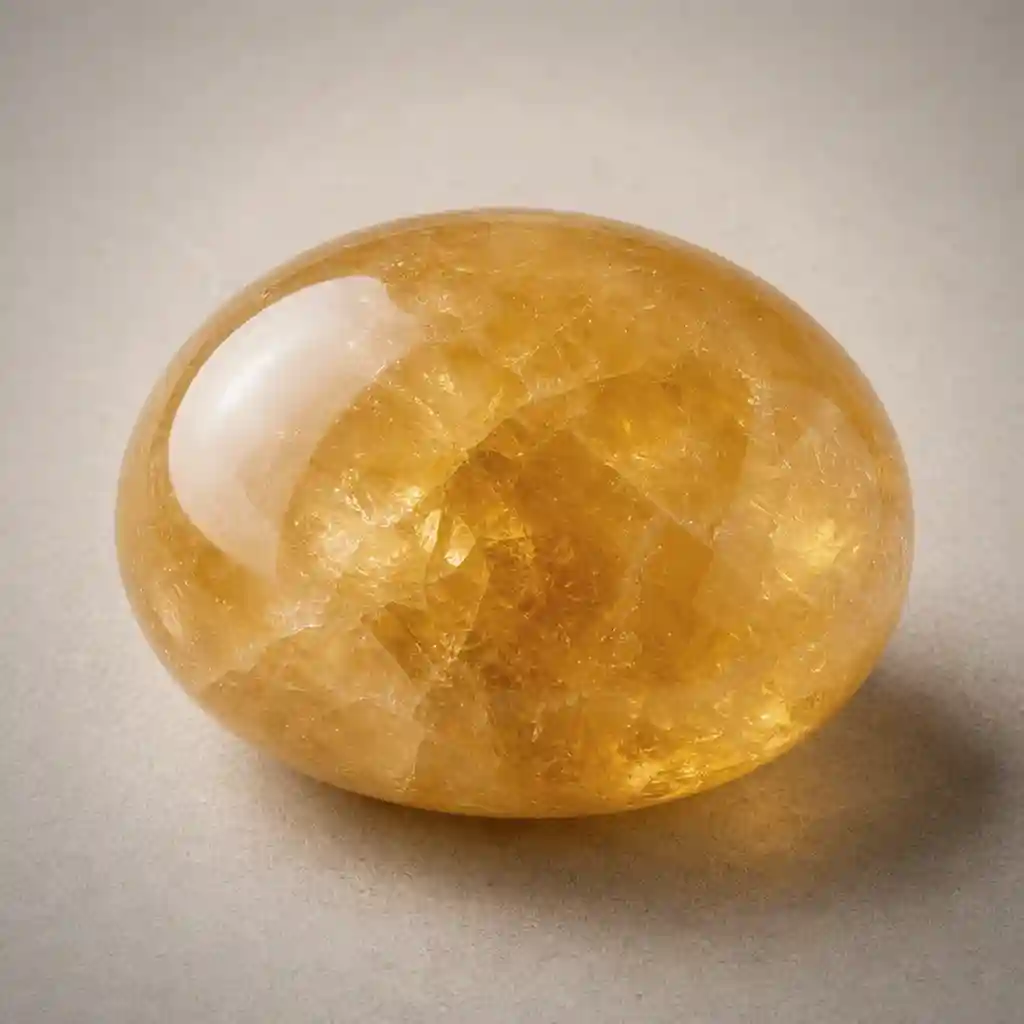
The Stone of Solar Power — Heliodor embodies the archetype of the benevolent sovereign — a leader whose authority flows from inner radiance, not force. The energy is warm without turning aggressive, powerful without becoming domineering, confident without crossing into arrogance. That is what makes it a genuinely sophisticated Solar Plexus stone: it builds true personal power rather than just inflating the ego. The Crown Chakra connection is what sets Heliodor apart from straightforward willpower stones. When Solar Plexus and Crown work together through this crystal, ambition gets tempered by spiritual awareness. You know what you want, you have the nerve to go after it, and you trust that your goals actually serve something larger than yourself. That state — empowered alignment — is where the stone does its best work. Joy shows up here too, in an uncomplicated way. The golden color carries the energy of a sunny day, and plenty of people notice an immediate mood lift when they pick up a piece. Not the jolt of overstimulated energy, but the deep, warm contentment of being fully present and fully engaged with life.
Historical & Cultural Significance
The name "Heliodor" was coined in the early twentieth century, reportedly by the German mineralogist Dr. H. Bank, derived from the Greek "helios" (sun) and "doron" (gift), meaning "gift of the sun." The name was popularized when spectacular golden beryl specimens were discovered in what was then German South-West Africa (now Namibia) in the early 1900s. These Namibian crystals, some exceeding impressive sizes, established Heliodor as a gemstone of note in the European market. Beryl in its various colors has been treasured since antiquity. The ancient Romans and Greeks prized golden beryl, though they did not distinguish it from other yellow gemstones by a specific name. Pliny the Elder described golden beryl in his Natural History, noting its beautiful color and clarity. During the Renaissance, golden beryl was sometimes confused with topaz, and many stones in historical collections labeled as "topaz" have since been identified as Heliodor. Major deposits have been found in Brazil (Minas Gerais), Namibia (Erongo Region), Madagascar, Ukraine (Volodarsk-Volynskii), and the United States. The Ukrainian deposits have produced some of the finest Heliodor crystals ever found, with exceptional clarity and a rich, saturated golden color. Some Ukrainian specimens have achieved near-legendary status among mineral collectors.
Symbolism
- ✦Solar power: the radiant confidence and authority of the sun made tangible
- ✦Benevolent sovereignty: leadership that inspires rather than dominates
- ✦Golden abundance: wealth and prosperity that flow from authentic personal power
- ✦Gift of the sun: its very name declares it a blessing of light and warmth
- ✦Divine will: the Crown Chakra connection ensures personal ambition serves higher purpose
- ✦Creative fire: the spark of inspiration that fuels bold vision and decisive action
Folklore & Legends
Modern crystal folklore ties Heliodor to the archangel Michael — the warrior of light who stands for courage, protection, and divine authority. Solar rituals are a natural fit: placing the stone outside at noon on the summer solstice to absorb peak solar energy is a common practice. In Baltic amber traditions, golden stones connect to the sun goddess Saule, and Heliodor gets folded in as a contemporary extension of that devotion. Ukrainian crystal lore says that Heliodor from the Volodarsk region carries the energy of the ancient forests that once blanketed the land, braiding solar power together with deep earth wisdom.
Geological Profile
Formation Process
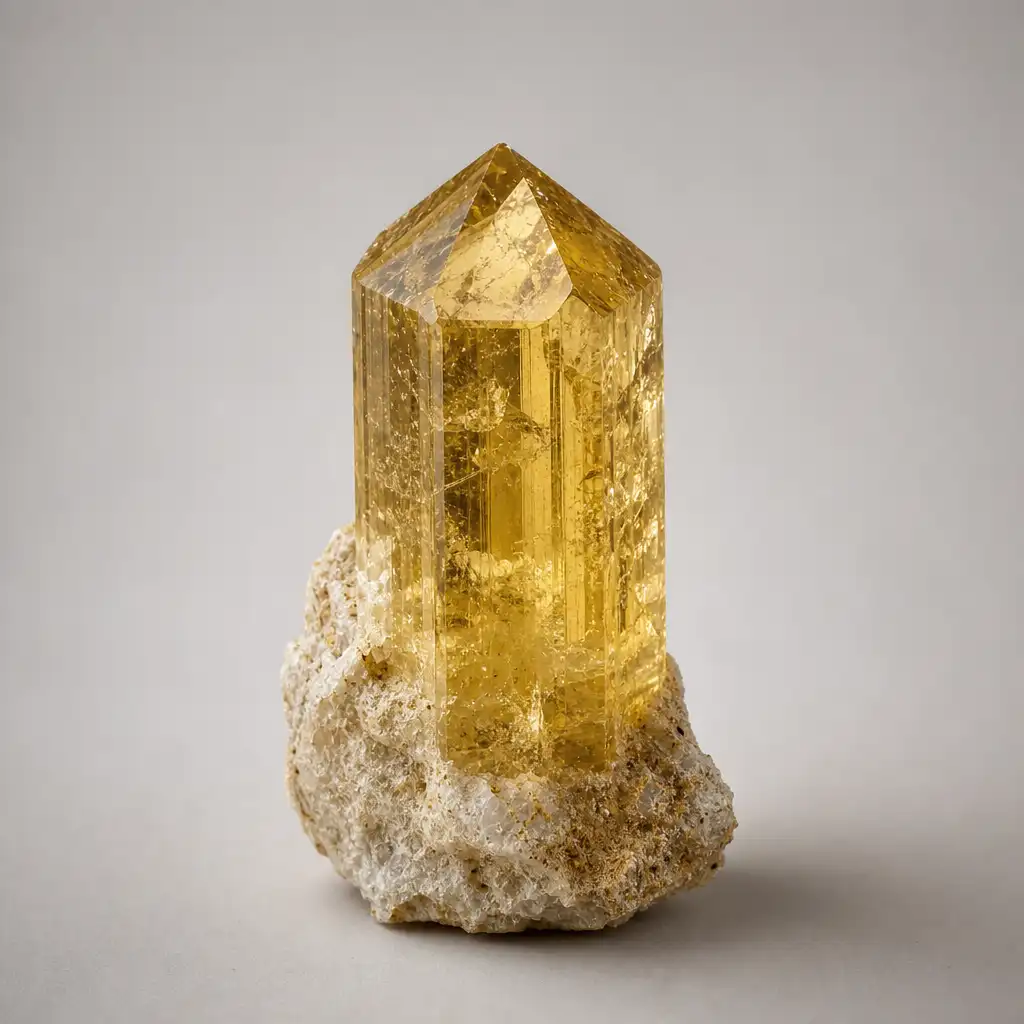
Heliodor is the golden yellow variety of beryl (Be3Al2(SiO3)6), a cyclosilicate mineral that forms in pegmatites and certain metamorphic rocks. The golden color is produced by trace amounts of trivalent iron (Fe3+) within the beryl crystal structure, which selectively absorbs blue and violet wavelengths of light, transmitting yellow and golden wavelengths. Beryl crystallizes in the hexagonal system, typically forming elongated hexagonal prisms with flat terminations. Pegmatitic beryl crystals can grow to enormous sizes — Heliodor crystals over a meter in length have been found in Brazilian and Ukrainian pegmatites. The beryllium required for beryl formation is relatively rare in the Earth's crust, which is why beryl minerals (including Heliodor, Emerald, and Aquamarine) are found primarily in specialized geological environments such as granitic pegmatites and certain types of metamorphic rocks.
Varieties
Rich Golden Heliodor
The most prized color variety, displaying a deep, saturated golden yellow reminiscent of warm honey or liquid sunshine. Fine specimens from Namibia and Ukraine display this rich color with excellent clarity.
Lemon Heliodor
A lighter, brighter yellow variety with a lemon-like freshness. Less saturated than the rich golden variety but valued for its bright, cheerful color and excellent transparency.
Greenish-Yellow Heliodor
Displays a yellow-green to chartreuse color that bridges the spectrum between golden Heliodor and greenish Aquamarine. Some specimens show a subtle color shift depending on the light source.
Notable Origins
Brazil (Minas Gerais, Bahia)
Brazil is one of the most prolific sources of Heliodor, producing material in a range of colors from pale yellow to rich golden. Brazilian crystals often occur in granitic pegmatites and can reach impressive sizes. The color tends toward the warmer, deeper golden end of the spectrum.
Namibia (Erongo Region)
Namibian Heliodor from the Erongo Mountains is considered among the finest in the world, known for its rich golden color and excellent clarity. The deposits occur in pegmatites associated with the erongo volcanic complex. Historical specimens from this region established Heliodor's reputation as a gemstone.
Ukraine (Volodarsk-Volynskii)
Ukrainian pegmatites have produced some of the most spectacular Heliodor crystals ever found, including large, gem-quality specimens with exceptional clarity and rich golden color. The Volodarsk-Volynskii deposit is famous among mineral collectors worldwide.
Madagascar
Madagascar produces Heliodor in a range of colors from pale yellow to golden green. The material is found in pegmatites and is often available as both faceted gemstones and mineral specimens.
Mineral data verified via Mindat.org
Physical Properties
| Hardness | 7.5 on the Mohs scale |
| Chemical Formula | Be₃Al₂(SiO₃)₆ |
| Crystal System | Hexagonal |
| Primary Color | Yellow/Golden |
| Origin | Brazil, Namibia, Madagascar, Ukraine, USA |
| Transparency | Transparent to translucent |
| Luster | Vitreous (glassy) |
| Specific Gravity | 2.65-2.80 |
What Are the Healing Properties of Heliodor?
Emotional & Mental Well-being
Of all the confidence-building crystals, Heliodor stands out for producing something that actually lasts.
- ◆It does not hand you a temporary jolt of bravado — it connects you to your authentic personal power, that deep, quiet knowing that comes from being genuinely aligned with your purpose.
- ◆Confidence built this way is resilient, because it is rooted in self-knowledge rather than external validation.
- ◆Impostor syndrome, fear of public speaking, the habit of downplaying your own achievements — Heliodor takes aim at all of these.
- ◆The solar energy has a way of illuminating your real strengths and accomplishments, making it harder to keep the self-deprecation running.
- ◆Crystal practitioners often describe a tangible shift from anxiety to calm authority when they hold Heliodor before a tough meeting or presentation.
- ◆Creative blocks respond to Heliodor too, but the energy comes through as fire rather than cool contemplation.
- ◆It is the warm, spontaneous kind of inspiration that pushes you toward bold creative risks.
- ◆Writers, artists, and performers who feel stuck in a safe rut may find that Heliodor helps them make the leap to something genuinely new.
Spiritual Properties
Heliodor treats the Solar Plexus as a center of spiritual will — the point where spiritual knowing turns into spiritual doing.
- ◆That is a different quality from what the Third Eye perceives or the Crown transcends.
- ◆Insight becomes action here, and that is where a lot of spiritual practice falls apart: plenty of people see what they need to do but cannot quite bring themselves to do it.
- ◆Heliodor bridges that gap.
- ◆The Crown connection keeps the doing in service of something larger than personal gain.
- ◆Working with this stone, you might notice moments of "right action" — a clear sense of exactly what to do, the confidence to do it, and an inner conviction that your actions line up with something meaningful.
- ◆Solar meditation is a natural pairing.
- ◆The technique involves visualizing golden light streaming from the sun into the Solar Plexus and building a reservoir of personal power you can draw on all day.
- ◆Dawn or the first hour of sunrise — when solar energy hits hardest, traditionally speaking — is the sweet spot for this practice.
Physical Healing Traditions
Traditional crystal healing connects Heliodor to the digestive system, liver function, and metabolic processes — all governed by the Solar Plexus region.
- ◆Healers place it on the stomach to support digestion and settle nausea.
- ◆The stone also has a link to eyes and vision, which follows from its solar-light associations.
- ◆Certain traditions recommend it for chronic fatigue and low energy, the idea being that solar energy replenishes the body's vital force.
- ◆These are traditional crystal healing associations; they complement but do not replace professional medical care.
Note: These properties are based on metaphysical traditions and are not a substitute for medical advice.
What Science Says
Heliodor is a beryl variety (Be3Al2(SiO3)6) whose golden color comes from Fe3+ ions in the crystal lattice.
- ◆Hexagonal crystal system, 7.
- ◆5-8 on the Mohs scale — genuinely excellent for jewelry.
- ◆The beryllium in the composition stays locked inside the crystal structure and poses zero risk during normal handling.
- ◆No peer-reviewed research backs the metaphysical properties, but the psychological benefits of self-efficacy and confidence-building practices are extensively documented.
- ◆The connection between posture, self-perception, and performance is real, and practices that strengthen personal agency produce measurable results.
Which Chakras Does Heliodor Connect To?
Which Zodiac Signs Match Heliodor?
How Do You Use Heliodor?
Meditation
Place Heliodor on your Solar Plexus (upper abdomen, below the ribcage) while lying down for a power meditation. Visualize golden light radiating from the stone into your body, filling your midsection with warm, confident energy. For a solar charging meditation, perform this practice at sunrise or during the morning hours when the sun is ascending. Visualize drawing golden rays directly from the sun into the crystal and then into your body, building a reservoir of personal power for the day ahead.
Daily Wear
Wear Heliodor as a pendant at the Solar Plexus level or as a ring on the index finger (associated with Jupiter and authority in astrological tradition) to keep its confident, empowering energy with you throughout the day. The stone's excellent hardness (7.5-8) makes it suitable for daily wear in any setting. Its golden color pairs beautifully with both warm and cool tones in clothing. For important meetings or presentations, wear Heliodor jewelry as a tangible reminder of your inner authority.
Home Placement
Place Heliodor in your workspace or home office to enhance leadership ability, attract career opportunities, and support confident decision-making. In the southern sector of your home (associated with fame and reputation in Feng Shui), Heliodor amplifies recognition and personal authority. Avoid placing it in the bedroom, where its activating solar energy may be too stimulating for restful sleep. In a meditation space, position it at the height of the Solar Plexus when you sit.
Crystal Grids
Use Heliodor as the center stone in success and empowerment grids. Surround it with Citrine for abundance, Sunstone for solar vitality, and Tiger's Eye for courage and determination. For leadership grids, combine Heliodor with Lapis Lazuli (wisdom) and Clear Quartz (clarity and amplification). The grid can be activated during the rising sun for maximum solar charging.
How Do You Cleanse & Charge Heliodor?
Moonlight Bathing
RecommendedSmudging
RecommendedSelenite Charging
RecommendedSound Healing
RecommendedMoon Phase Charging: Heliodor responds well to both moonlight and sunlight charging, being one of the few stones that benefits from brief, gentle sun exposure. Place it in morning sunlight for 15-30 minutes to recharge its solar energy, or in moonlight overnight for a gentler cleanse. The full moon is ideal for a thorough energetic reset. Smudging with sage or palo santo and selenite charging are also effective.
Avoid the following:
- ✗Harsh chemical cleaners — ammonia and bleach can affect the surface
- ✗Prolonged salt water soaking
- ✗Abrasive cleaners that could scratch the surface
- ✗Extreme and sudden temperature changes, which could stress internal inclusions
What Crystals Pair Well with Heliodor?
Best Combinations
Citrine
Citrine's abundance energy and Heliodor's personal power create a potent combination for manifesting success — Citrine attracts the opportunities while Heliodor provides the confidence and leadership to capitalize on them
Sunstone
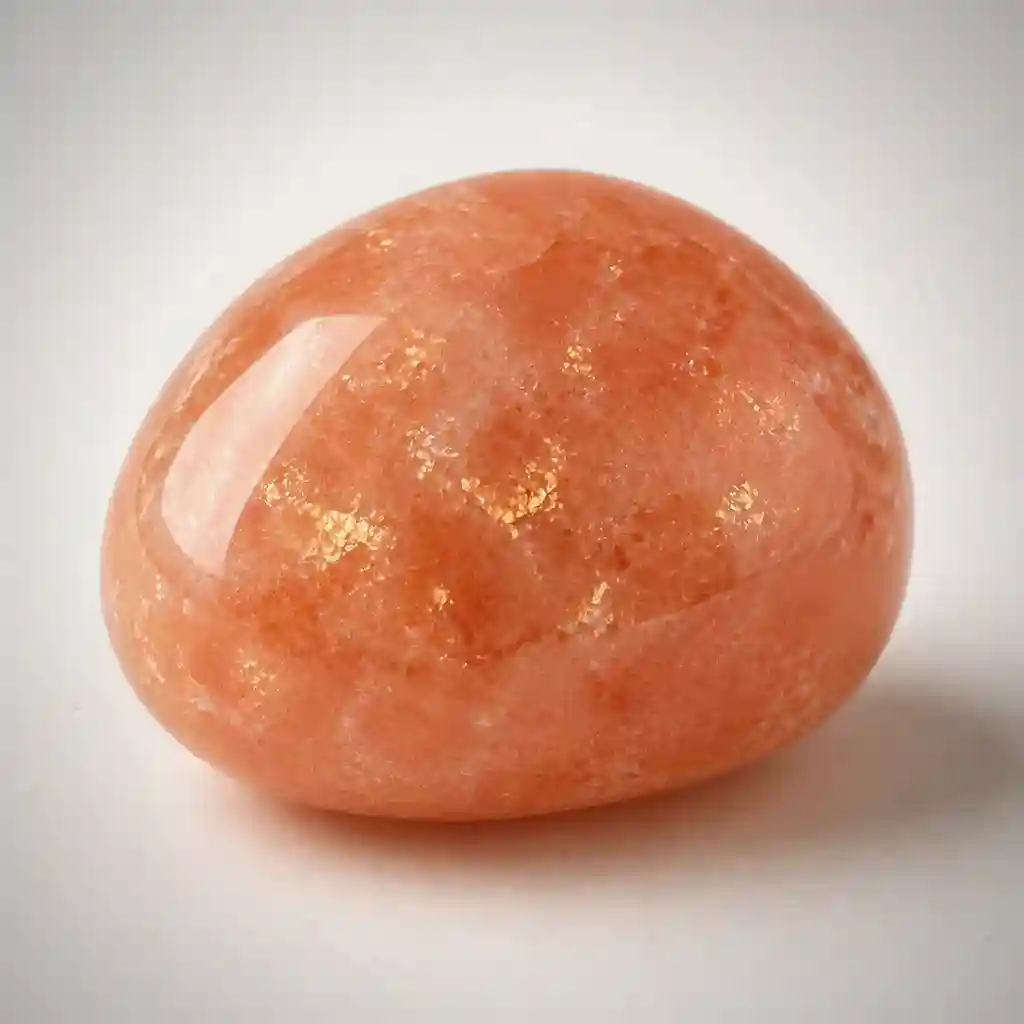
Both are solar stones but approach solar energy from different angles — Sunstone brings joy and vitality while Heliodor brings authority and willpower, together creating a complete expression of the sun's energy
Emerald
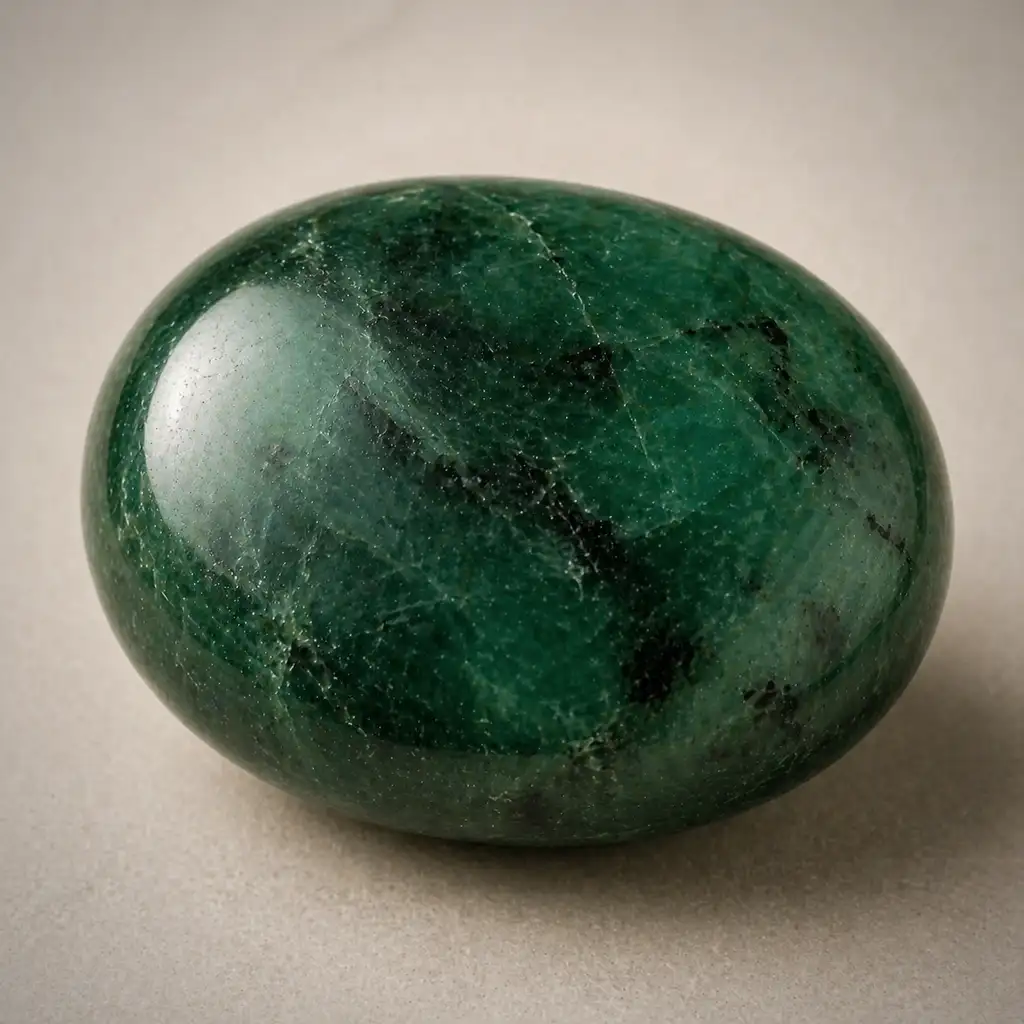
As fellow beryl family members, Emerald and Heliodor share a crystalline resonance. Emerald opens the heart to compassion while Heliodor empowers the will, creating a balanced combination of power tempered by love
If You Like Heliodor, Also Try
How Can You Tell if Heliodor is Real or Fake?
Common Imitations
Identification Tests
1.Refractive Index Test
Use a refractometer to measure the stone's refractive index. This is the most reliable non-destructive test for distinguishing beryl from other yellow gemstones.
Genuine Heliodor (beryl) has a refractive index of 1.565-1.590 with a birefringence of 0.005-0.009. Quartz (Citrine) has RI 1.544-1.553. Topaz has RI 1.629-1.637. Glass has a single RI around 1.50-1.52. This test definitively separates beryl from its most common imitations.
2.Hardness Test
Test the stone's hardness against known references. Try scratching the stone with a steel file and test it against quartz and topaz.
Genuine Heliodor (7.5-8 Mohs) cannot be scratched by a steel file and can scratch quartz (7 Mohs). Citrine (quartz, 7 Mohs) can be scratched by Heliodor but not vice versa. Glass (5-5.5 Mohs) is much softer. Topaz (8 Mohs) can scratch Heliodor.
3.Specific Gravity Test
Weigh the stone in air and in water to determine its specific gravity, or use heavy liquid separation.
Genuine Heliodor (beryl) has a specific gravity of 2.65-2.80. Quartz (Citrine) is 2.65. Topaz is 3.50-3.57. Glass varies but is typically around 2.40-2.50. This test helps distinguish beryl from the heavier topaz and lighter glass.
Price Reference
Small
$15-50
Medium
$50-200
Large
$150-600
Heliodor is moderately priced compared to other beryl varieties like Emerald and red Beryl, but it commands higher prices than the more common Citrine due to its relative rarity and superior hardness. The finest specimens with rich golden color, excellent clarity, and large size are the most valuable. Ukrainian and Namibian material commands premium prices among collectors.
Is Heliodor Safe? Care & Precautions
Toxicity Warning
Heliodor is a beryl variety containing beryllium, but the beryllium is locked within the crystal structure and poses absolutely no risk during normal handling, wear, or display. The stone is non-toxic and safe for direct skin contact. Only if the stone were ground into fine powder and inhaled would beryllium pose a health risk — this is relevant only for lapidaries and miners, not for crystal users.
Storage
Heliodor has excellent hardness (7.5-8) and is quite durable for storage and display. Keep it away from harder stones (corundum, diamond) that could scratch it. No special sensitivity to light, heat, or humidity. A soft pouch or lined jewelry box is sufficient for storage.
Special Warnings
- ⚠Do not crush or grind Heliodor — inhaling beryl dust is a health hazard for lapidaries
- ⚠Remove during heavy physical activity to protect against impacts that could cause internal fractures
- ⚠While Heliodor is relatively tough, avoid sharp blows along the crystal's cleavage direction
What is Heliodor Best For?
Heliodor FAQ — Common Questions Answered
What is Heliodor good for?+
Activating the Solar Plexus, building real confidence, and strengthening leadership ability. If you are in a position of authority — or want to be — Heliodor helps you project genuine assurance and make clear decisions. It also gets used for manifestation around career success, abundance, and ambitious goals. On a day-to-day level, its warm solar energy simply makes people feel happier, more creative, and more positively engaged with life.
Is Heliodor the same as Golden Beryl?+
Yes, Heliodor and Golden Beryl refer to the same mineral. "Golden Beryl" is the descriptive gemological name, while "Heliodor" (from the Greek "helios," meaning sun) is the trade name that has been in use since the early twentieth century. Some gemologists reserve the name "Heliodor" specifically for the more saturated golden-yellow to greenish-yellow material, while using "Golden Beryl" for the lighter yellow specimens. In the metaphysical community, the names are used interchangeably.
How does Heliodor differ from Citrine?+
While both are yellow stones associated with solar energy and abundance, they are completely different minerals with distinct properties. Heliodor is a beryl (the same family as Emerald and Aquamarine) with a hardness of 7.5-8, while Citrine is a quartz variety with a hardness of 7. Heliodor's energy is more focused on personal power, leadership, and executive ability through the Solar Plexus, while Citrine is more broadly associated with wealth, joy, and the energy of the sun. Heliodor tends to be more expensive and is generally lighter and clearer than most Citrine, with a distinctive golden rather than amber color.
What gives Heliodor its golden color?+
Heliodor's golden yellow color is caused by trace amounts of iron (Fe3+) ions within the beryl crystal structure. These iron impurities selectively absorb certain wavelengths of visible light, transmitting primarily yellow and golden wavelengths. The exact shade of yellow depends on the concentration and oxidation state of the iron, ranging from pale lemon to rich golden yellow. Unlike some gemstones whose color can be enhanced through heat treatment, Heliodor's color is generally natural and stable. The color does not fade with normal light exposure.
Can Heliodor go in water?+
Yes, Heliodor is a beryl variety with a hardness of 7.5-8 and is not water-soluble. Brief rinsing under cool running water is a safe cleansing method. However, as with all gemstones, avoid prolonged soaking, hot water, and salt water, which can potentially affect the stone's surface polish over time. Always dry the stone after water cleansing. Ultrasonic and steam cleaners are generally considered safe for Heliodor unless the stone contains significant inclusions or fractures.
Was this helpful?