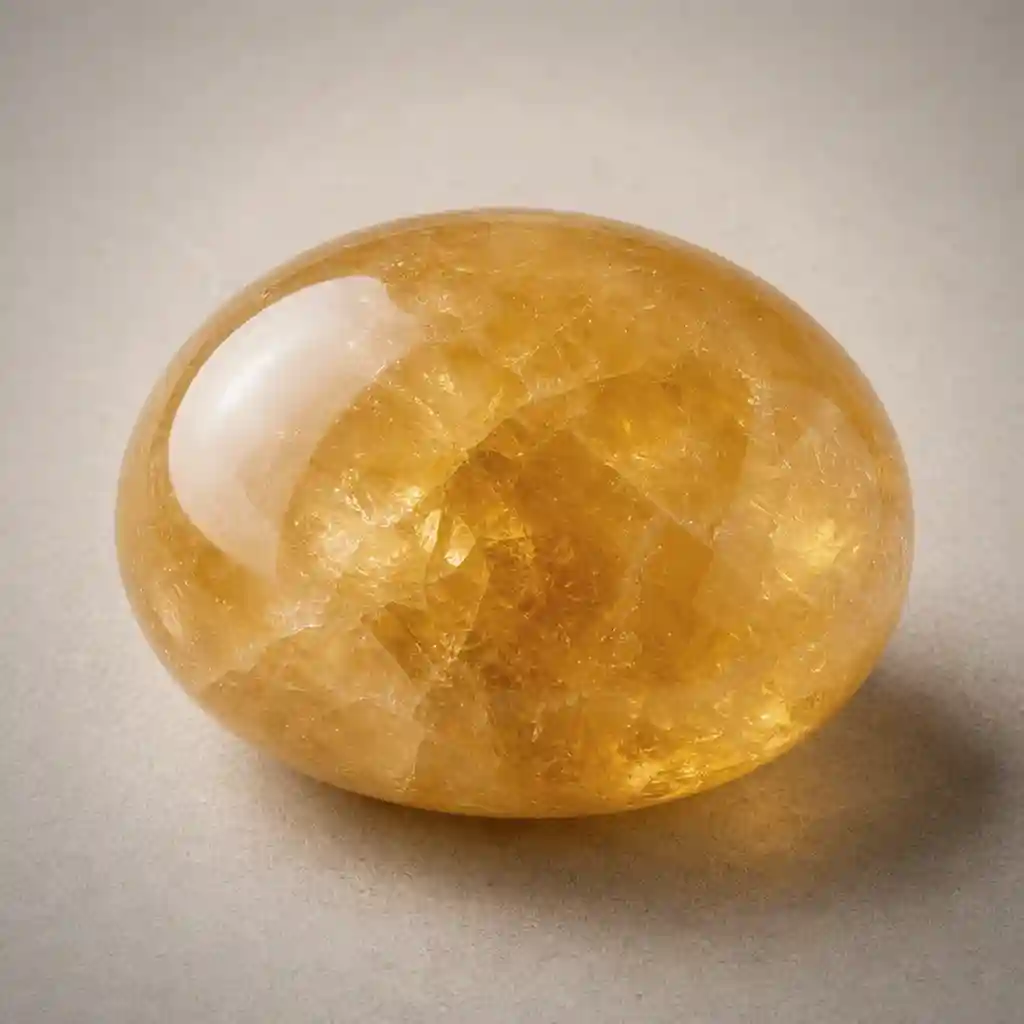
Citrine at a Glance
Citrine is a golden crystal associated with abundance, confidence, and optimism. It is one of the few stones said to be self-cleansing.
Entrepreneurs, artists, people working through self-doubt, and anyone who could use more optimism
“I have what I need, and I am open to more. I move forward with confidence.”
Rinse under lukewarm water; charge in sunlight for 1-2 hours; smudge with sage or palo santo — one of few crystals that rarely needs cleansing
Citrine Quick Answers
Does Citrine really attract money?
Citrine has been associated with wealth for centuries. The "Merchant's Stone" tradition is real and continues today. No crystal can guarantee financial results, but Citrine promotes confidence, creativity, and an optimistic mindset, and those qualities tend to support good financial decisions and openness to opportunity.
Does Citrine need to be cleansed?
Natural Citrine is one of the few crystals considered self-cleansing. It reportedly transmutes negative energy rather than storing it. If your Citrine is heat-treated (and most commercial Citrine is), some practitioners recommend occasional cleansing with sunlight, smudging, or sound to keep the energy fresh.
What is the Meaning & History of Citrine?
Core Meaning
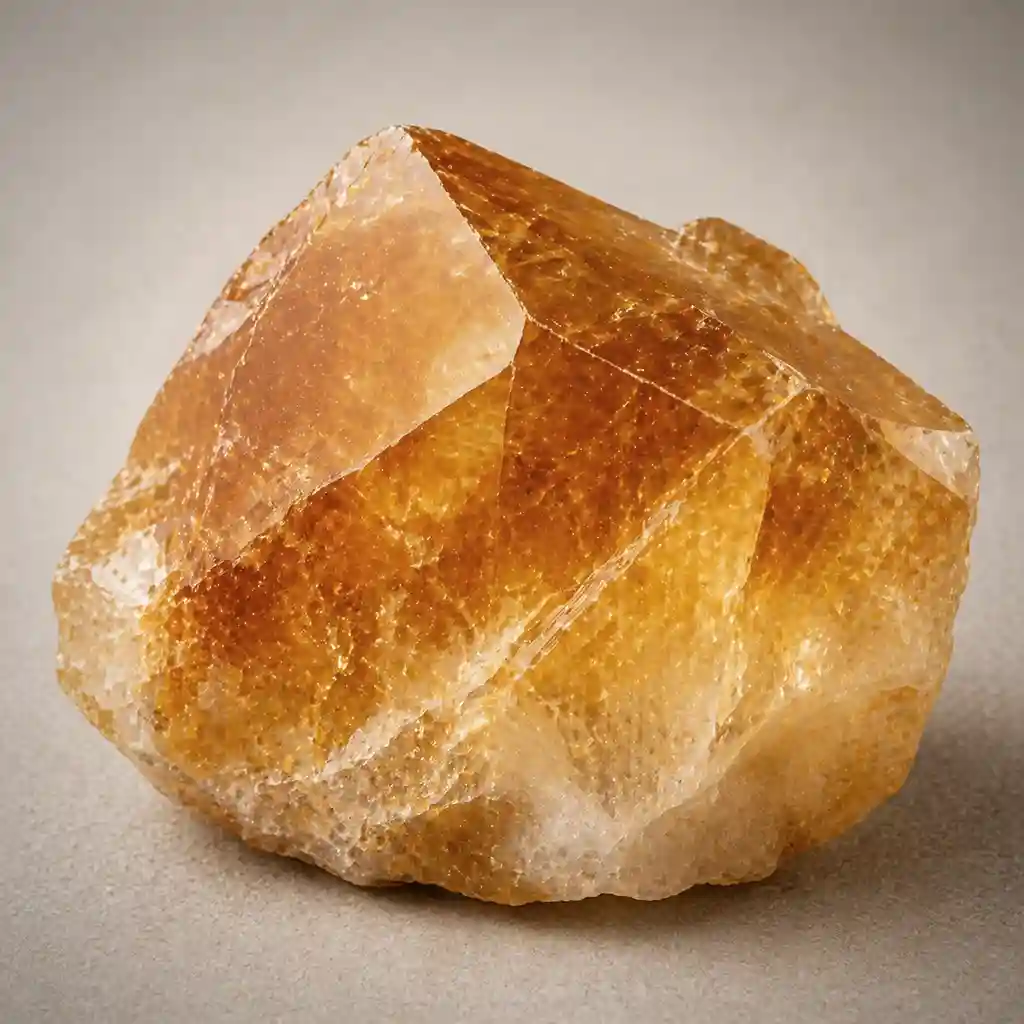
The Merchant's Stone of Abundance and Joy — Citrine is a variety of quartz colored by trace iron, and it has a quality that is hard to miss: it feels warm and optimistic. Hold a piece and there is an immediate brightness to it that most people notice. Whether that is the stone itself or your response to the golden color is an open question, but the effect is real enough that practitioners have worked with it for centuries. Citrine is one of the few crystals said to be self-cleansing, transmuting negative energy rather than absorbing it. That claim gets repeated a lot in crystal circles, and while there is no way to measure it, people who work with the stone consistently report that it does not pick up the "heavy" feeling that other stones can accumulate over time. It stimulates the Solar Plexus Chakra, the center of personal power and will, which is why it gets recommended for confidence, motivation, and stepping into your own authority. The "Merchant's Stone" reputation is not just superstition. Citrine promotes confidence, optimism, and creative problem-solving. Those qualities tend to attract opportunity. The stone also encourages generosity and a mindset of abundance rather than scarcity, which shifts how people approach money and success in practical ways.
Historical & Cultural Significance
Citrine has been valued since antiquity, though people often confused it with topaz because of the golden color. The ancient Greeks used it decoratively as early as 300 BCE, and Romans carved it into intaglios and cabochons. In the 17th century, Scottish weapon-makers set Citrine into dagger handles and sword hilts, believing it carried the Sun's power into battle. During the Art Deco period (1920s-1930s), Citrine surged in popularity and appeared in jewelry by Cartier and Tiffany. Chinese Feng Shui places it in the southeast (wealth) sector of homes and businesses. The "Merchant's Stone" name comes from Victorian shopkeepers who kept it in their cash drawers.
Symbolism
- ✦Solar energy: warmth, brightness, the feeling of a clear day
- ✦Abundance: the Merchant's Stone tradition of attracting wealth
- ✦Personal power: Solar Plexus activation, will, and confidence
- ✦Optimism: a generally sunny disposition toward life
- ✦Generosity: sharing what you have without fear of running out
- ✦Creative fire: imagination and the courage to pursue ideas
Folklore & Legends
In Chinese tradition, Citrine was called "The Stone of Success" and was placed in the southeast corner of the home to manifest wealth. One legend tells of a poor merchant who found a glowing golden stone near a river, placed it in his shop, and saw his business flourish within a month. In European folklore, Citrine was called "the sun stone" and was believed to protect against snake venom and evil thoughts. Medieval lapidaries claimed it could make the wearer invisible in dangerous situations, which is probably a metaphor for the social confidence it seems to inspire.
Geological Profile
Formation Process
Natural Citrine forms when amethyst or smoky quartz is heated by geothermal activity, causing iron impurities in the quartz to oxidize and produce the characteristic golden-to-amber color. This natural heating happens over millions of years at temperatures of roughly 300-500 degrees Celsius. True natural Citrine is rare. The vast majority of commercial Citrine is amethyst heat-treated in furnaces to produce a similar color. Natural Citrine tends to be a paler, more subdued yellow-to-honey, while heat-treated material is usually a deeper reddish-orange or brownish-orange.
Varieties
Natural Citrine
Genuine Citrine formed through natural geothermal heating. Pale to medium golden yellow, sometimes honey-amber. Rare. Found primarily in Brazil, Madagascar, and the Ural Mountains.
Heat-Treated Citrine (Baked Amethyst)
Amethyst heated to 400-500 degrees Celsius in furnaces. Comprises the vast majority of Citrine sold. The color is typically darker and more reddish-orange than natural Citrine. Still effective for abundance work, though practitioners distinguish it from natural material.
Lemon Quartz
A light yellow-green quartz sometimes marketed as "green citrine" or "lemon citrine." The color comes from iron in a different oxidation state. Not technically Citrine, but it shares some Solar Plexus activation properties.
Notable Origins
Brazil (Rio Grande do Sul, Minas Gerais)
The world's largest Citrine producer. Most is heat-treated amethyst from Rio Grande do Sul. Natural Citrine from Minas Gerais has pale golden tones and is sought after by collectors.
Madagascar
Produces some of the finest natural Citrine, with warm golden tones and good clarity. Preferred by many crystal practitioners for its natural formation.
Russia (Ural Mountains)
Historic source with a distinctive pale gold color. Uncommon on the modern market. Collectors value the subtle, refined coloration.
France (Dauphine)
One of the original sources, known since Roman times. Scarce today but historically significant. The word "citrine" comes from the French "citron" (lemon).
Mineral data verified via Mindat.org
Physical Properties
| Hardness | 7 on the Mohs scale |
| Chemical Formula | SiO₂ |
| Crystal System | Hexagonal (Trigonal) |
| Primary Color | Yellow/Golden |
| Origin | Brazil, Madagascar, Russia, France, Scotland |
| Transparency | Transparent to translucent |
| Luster | Vitreous (glass-like) |
| Specific Gravity | 2.65 |
What Are the Healing Properties of Citrine?
Emotional & Mental Well-being
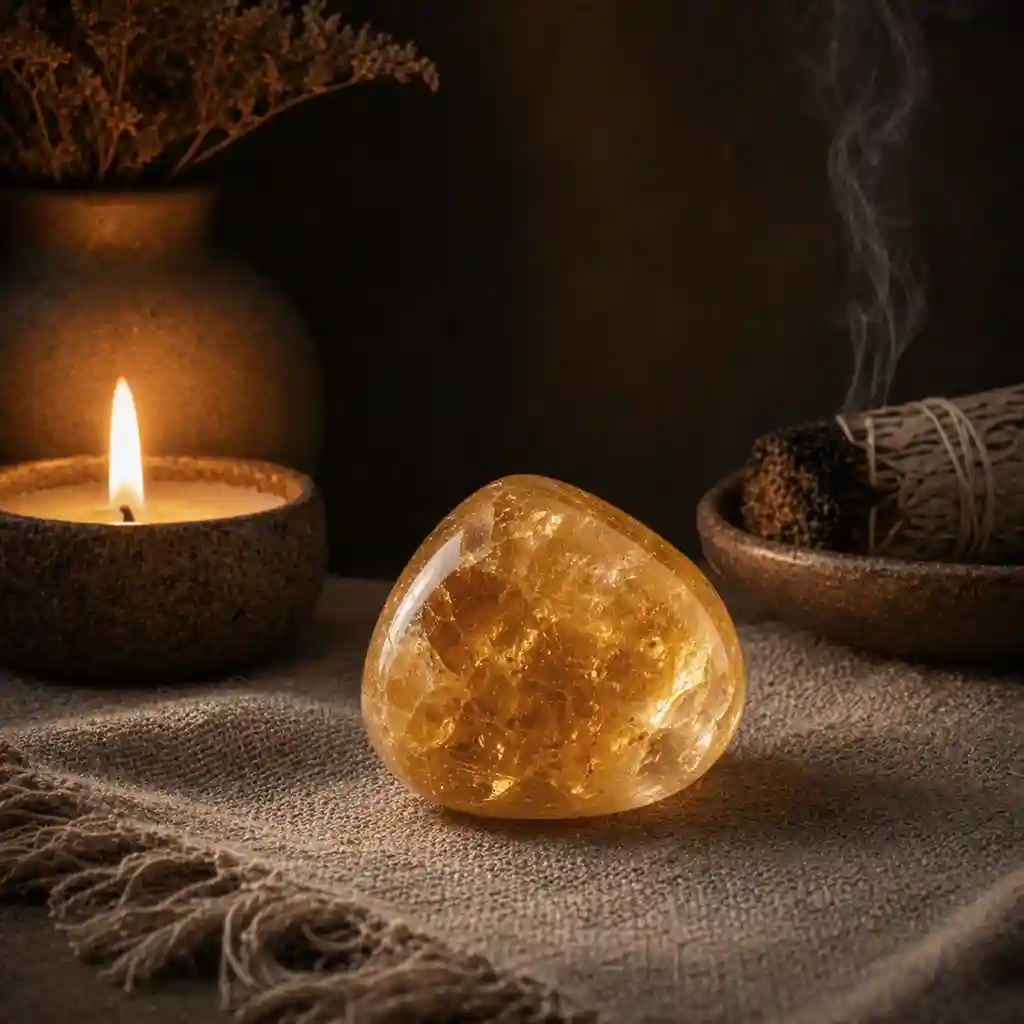
Citrine is one of the better stones for lifting mood.
- ◆Its warm energy directly counteracts depression, self-doubt, and the heavy emotions that settle into the Solar Plexus and drain confidence.
- ◆Practitioners recommend it for people who have had repeated setbacks or who carry the weight of past failures, because it helps dissolve self-sabotage patterns and fear-based thinking.
- ◆Unlike stones that absorb negative energy and need regular cleansing, Citrine reportedly transmutes emotional heaviness into optimism and motivation.
- ◆Whether that is literally what is happening or just a useful way to frame it, people going through career transitions, creative blocks, or periods of low self-esteem tend to respond well to it.
- ◆It also encourages emotional generosity: the ability to celebrate other people's success without jealousy and to share your own abundance without anxiety about running out.
Spiritual Properties
Citrine activates the Solar Plexus Chakra, the center that governs personal power, will, and the ability to manifest.
- ◆When the Solar Plexus is activated, practitioners report a heightened sense of inner authority and the courage to act on their spiritual guidance.
- ◆Citrine is also used to cleanse and energize the aura.
- ◆Rather than absorbing negativity, it reportedly transmutes lower vibrations into higher ones, which effectively raises the overall frequency.
- ◆In manifestation work, Citrine is considered one of the more effective crystals because it aligns intention, will, and purpose into a unified direction.
- ◆Some practitioners use it to access past-life memories of abundance, helping to release inherited scarcity patterns.
- ◆Whether you take the past-life angle literally or not, the stone does seem to help people shift out of scarcity thinking.
Physical Healing Traditions
In traditional crystal healing, Citrine is associated with the digestive system, metabolism, and detoxification.
- ◆The Solar Plexus connection links it to the stomach, liver, and pancreas, and practitioners place it on the upper abdomen during healing layouts.
- ◆It has been used to support healthy digestion, relieve nausea, and stimulate appetite.
- ◆Some healers also recommend it for circulation and energy levels, particularly for chronic fatigue.
- ◆It is also associated with the endocrine system and hormonal balance.
- ◆These properties are based on traditional practice, not medical evidence.
Note: These properties are based on metaphysical traditions and are not a substitute for medical advice.
What Science Says
Mineralogically, Citrine is macrocrystalline quartz (SiO2) colored by colloidal iron impurities (Fe3+).
- ◆The main scientific issue is authentication: gemological studies estimate over 95% of commercial Citrine is heat-treated amethyst.
- ◆Natural Citrine gets its color from prolonged geothermal heating over geological time, while commercial heat treatment replicates this in furnaces over hours or days.
- ◆Gemologists distinguish the two through spectroscopic analysis, since natural Citrine shows different absorption spectra than treated material.
- ◆Both are chemically identical quartz, but the Federal Trade Commission requires disclosure of heat treatment, though enforcement is inconsistent in the crystal market.
Which Chakras Does Citrine Connect To?
Which Zodiac Signs Match Citrine?
How Do You Use Citrine?
Meditation
Hold Citrine at your Solar Plexus (just above the navel). Breathe into your belly and visualize a warm golden light expanding from the stone through your body. For abundance work, hold the Citrine and visualize golden light flowing toward you from all directions. Repeat your affirmation slowly, letting the warmth anchor the intention.
Daily Wear
A ring on your dominant hand or a pendant at chest level keeps Citrine's energy in contact with you all day. For business meetings, carry a tumbled piece in your left pocket. Entrepreneurs benefit from wearing it regularly because it supports the optimistic, creative mindset that attracts opportunity.
Home Placement
Southeast corner of your home or office is the classic Feng Shui wealth corner, and that is where Citrine goes. In a workspace, keep it near your computer or on your desk. A Citrine cluster near the entrance of a business is the traditional placement for drawing customers. In a kitchen or dining room, it is said to promote warmth and good conversation.
Crystal Grids
Use Citrine as the center stone in abundance or manifestation grids, with prosperity stones like Pyrite and Green Aventurine around it. For confidence and personal power, pair it with Carnelian and Sunstone in a sunburst pattern. Its self-cleansing quality makes it a good anchor that keeps the grid's energy clear.
How Do You Cleanse & Charge Citrine?
Sunlight Charging
RecommendedSmudging
RecommendedSound Healing
RecommendedMoon Phase Charging: Citrine responds better to sunlight than moonlight, given its solar nature. Place it in gentle morning sunlight for 1-2 hours. If you prefer moonlight, the full moon works. For abundance intentions, the waxing moon (new to full) aligns with growing energy. Citrine rarely needs cleansing due to its self-transmuting reputation, but intentional charging does seem to amplify the effect.
Avoid the following:
- ✗Salt water soaking — while Citrine is hard enough to tolerate brief exposure, extended soaking can dull the surface finish over time
- ✗Harsh chemical cleaners — these can damage polished surfaces and leave energetic residue
- ✗Prolonged direct heat — avoid placing Citrine on radiators, in hot cars, or near heat sources, as extreme temperatures can affect its color (especially heat-treated specimens)
- ✗Ultrasonic cleaners with harsh solutions — basic ultrasonic cleaning is generally safe for Citrine, but avoid solutions containing acids or strong chemicals
What Crystals Pair Well with Citrine?
Best Combinations
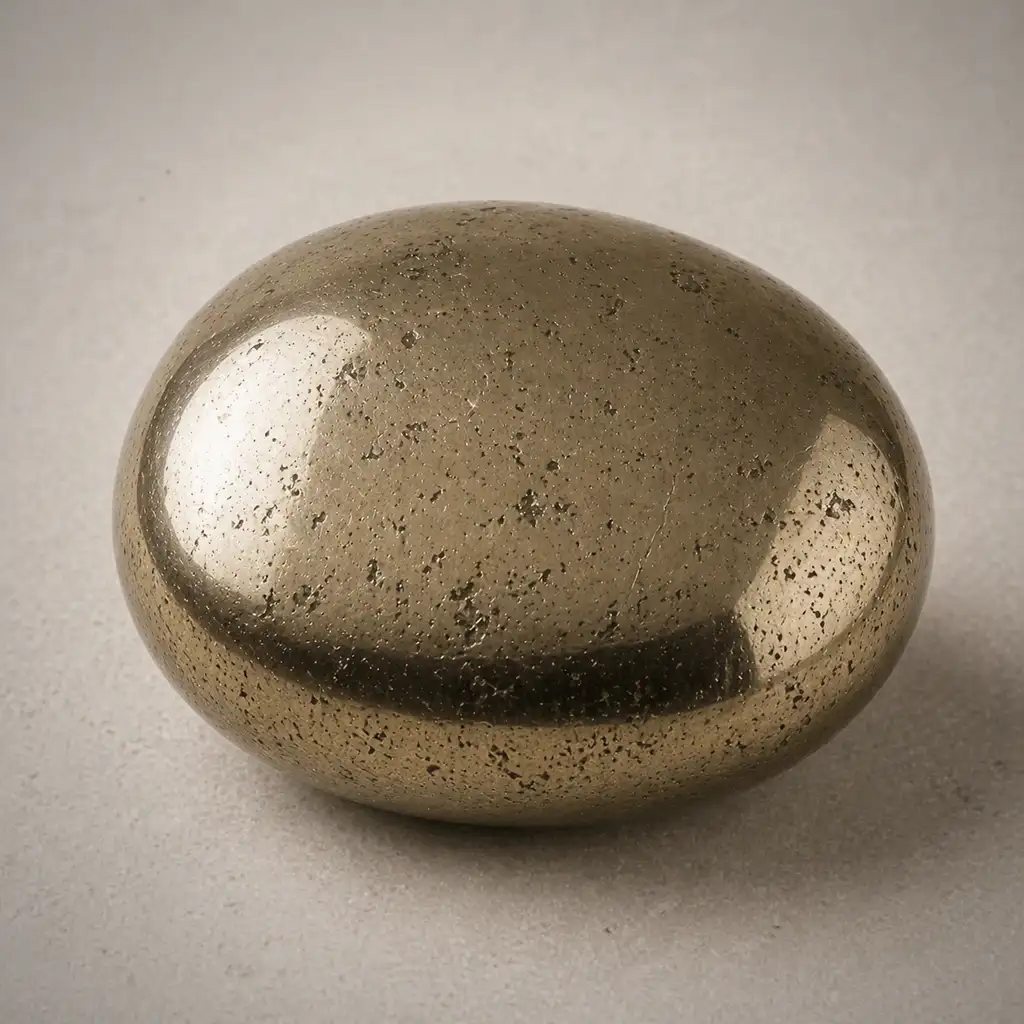
Pyrite
Pyrite and Citrine together form the classic "merchant's pair." The metallic fire energy of Pyrite combines with Citrine's golden abundance for focused prosperity work.
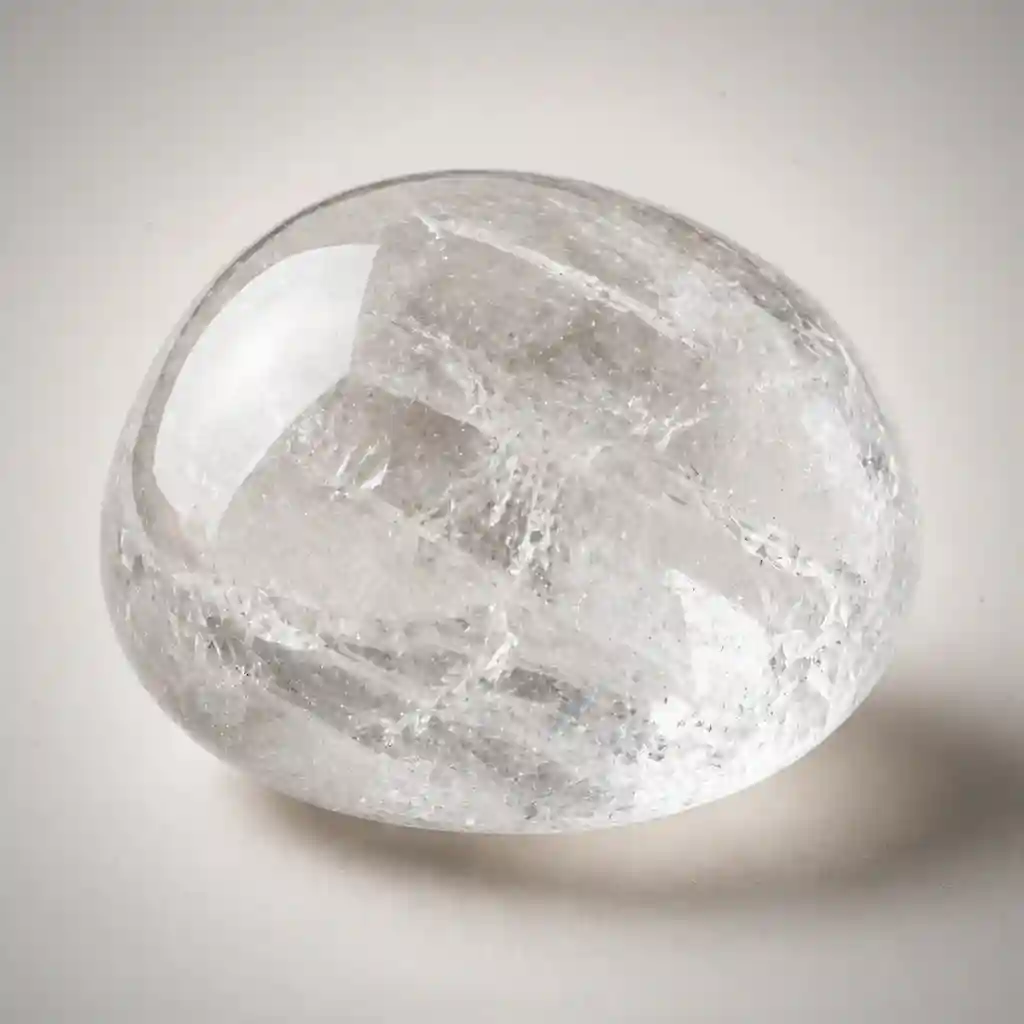
Clear Quartz
Clear Quartz amplifies Citrine's manifestation energy, making intentions sharper and more magnetic. A straightforward, effective combination for abundance rituals and goal-setting.
Carnelian
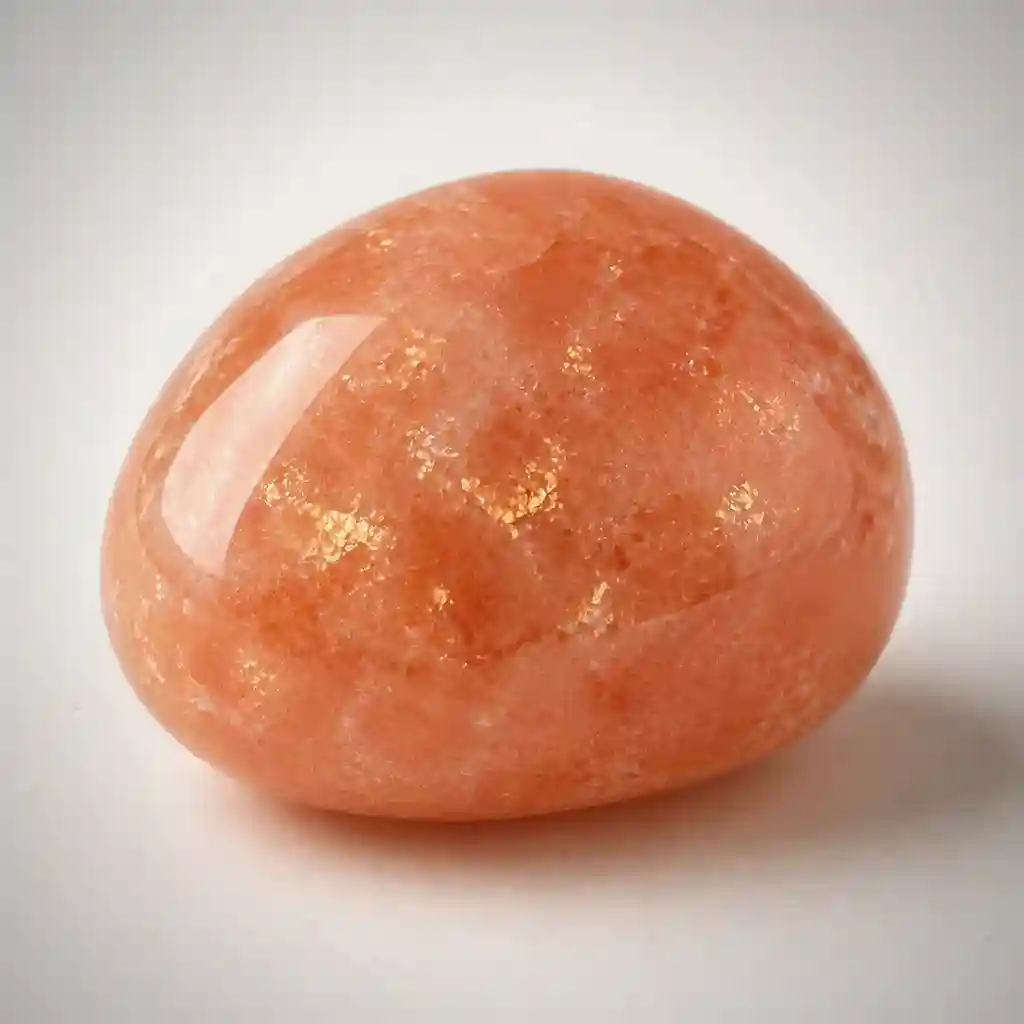
Carnelian adds bold creative fire to Citrine's Solar Plexus confidence. Good for artists, entrepreneurs, and anyone who needs to turn ideas into action.
Combinations to Approach with Caution
If You Like Citrine, Also Try
How Can You Tell if Citrine is Real or Fake?
Common Imitations
Identification Tests
1.Color and Crystal Form Analysis
Examine the crystal's color distribution and crystal structure carefully. Natural Citrine is typically pale to medium golden-yellow with even color distribution. Heat-treated amethyst often shows color zonation (darker at the tips, lighter at the base), a reddish-brown undertone, and retains amethyst's typical crystal habit.
Natural Citrine has a soft, warm yellow-to-honey color and may show subtle phantom lines. Heat-treated material typically shows uneven color, brownish-orange tones, and a white or colorless base where the original amethyst was pale.
2.Spectroscopic Examination
If available, examine the stone under a gemological spectroscope or use a Chelsea filter. Professional gemologists use UV-Vis spectroscopy to analyze absorption patterns.
Natural Citrine shows absorption bands at approximately 450nm related to iron impurities. Heat-treated amethyst shows different absorption characteristics, particularly in the 550-560nm range. This is the most reliable test for distinguishing natural from treated material.
3.Crystal Habit and Base Examination
Examine the base of the crystal where it was originally attached to the matrix rock. Look for the shape of the growth patterns and any remnant features from the original formation.
Heat-treated amethyst often has a "burnt" appearance at the base with a white or milky zone that transitions abruptly to orange. Natural Citrine typically has more uniform color from base to tip and may show geode-like matrix attachment points.
4.Heat Sensitivity Test
Apply gentle, controlled heat to an inconspicuous area using a jeweler's torch or heat gun at low temperature (around 200 degrees Celsius).
If the stone is amethyst that has already been heat-treated, further heating may cause the color to deepen, lighten, or become uneven — confirming it is treated material. Natural Citrine is more color-stable under gentle heat. Caution: this is a destructive test and should only be performed by professionals.
Price Reference
Small
$5-15
Medium
$15-50
Large
$50-200+
Heat-treated Citrine (baked amethyst) is widely available and very affordable. Genuine natural Citrine commands a significant premium — often 3-5 times the price of treated material. Always ask about treatment disclosure when purchasing. Large natural Citrine specimens of good color are rare and can exceed these ranges.
Is Citrine Safe? Care & Precautions
Toxicity Warning
Citrine is non-toxic in its solid form. As a variety of quartz, it contains silicon dioxide. Quartz dust created during cutting, grinding, or breaking poses a silicosis risk — always wear a mask when cutting or polishing and work in a well-ventilated area with wet-cutting methods.
Storage
Citrine is durable (Mohs 7) and can be stored with most crystals without risk of damage. Its self-cleansing nature means it requires less energetic maintenance than most stones. Store it away from harder minerals like sapphire and diamond. Some practitioners recommend keeping Citrine in or near your wallet, cash box, or wealth corner rather than storing it away — it works best when actively engaged with your daily energy.
Special Warnings
- ⚠Much commercial "Citrine" is heat-treated amethyst — know what you are buying and expect honest disclosure from reputable dealers
- ⚠As with all quartz varieties, silica dust from cutting or breaking is a serious respiratory hazard — use proper protection
- ⚠Avoid prolonged exposure to very high heat (above 500 degrees Celsius) as it can cause the color to fade or change
What is Citrine Best For?
Citrine FAQ — Common Questions Answered
Does Citrine really attract money?+
Citrine has been associated with wealth for centuries. The "Merchant's Stone" tradition is real and continues today. No crystal can guarantee financial results, but Citrine promotes confidence, creativity, and an optimistic mindset, and those qualities tend to support good financial decisions and openness to opportunity.
Does Citrine need to be cleansed?+
Natural Citrine is one of the few crystals considered self-cleansing. It reportedly transmutes negative energy rather than storing it. If your Citrine is heat-treated (and most commercial Citrine is), some practitioners recommend occasional cleansing with sunlight, smudging, or sound to keep the energy fresh.
What is the difference between natural Citrine and heat-treated Citrine?+
Natural Citrine is rare. It forms with a warm golden-to-amber color from iron impurities in quartz exposed to geothermal heat over geological time. Most commercial Citrine is heat-treated Amethyst or Smoky Quartz, which turns a deeper orange-brown. Both carry positive energy, but crystal practitioners generally consider natural Citrine more potent. Heat-treated material still works well for abundance practice but may benefit from occasional cleansing.
Why is Citrine linked to the Solar Plexus and Leo?+
Citrine's primary chakra is the Solar Plexus, the center of personal power and self-confidence. Its warm golden energy mirrors Leo's sun-ruled nature. As a Leo birthstone, Citrine amplifies the sign's natural confidence and creativity while helping direct that energy into purposeful action rather than ego alone. The stone encourages generous, joyful self-expression.
Is natural Citrine rare and where is it found?+
Yes, true natural Citrine is quite rare. Over 95% of commercial Citrine is heat-treated Amethyst. Natural Citrine forms when quartz with iron impurities gets exposed to geothermal heat over geological time. Genuine material comes primarily from Brazil, Madagascar, Russia, France, and Scotland. Natural Citrine costs significantly more than treated material, though both get used in practice.
Was this helpful?