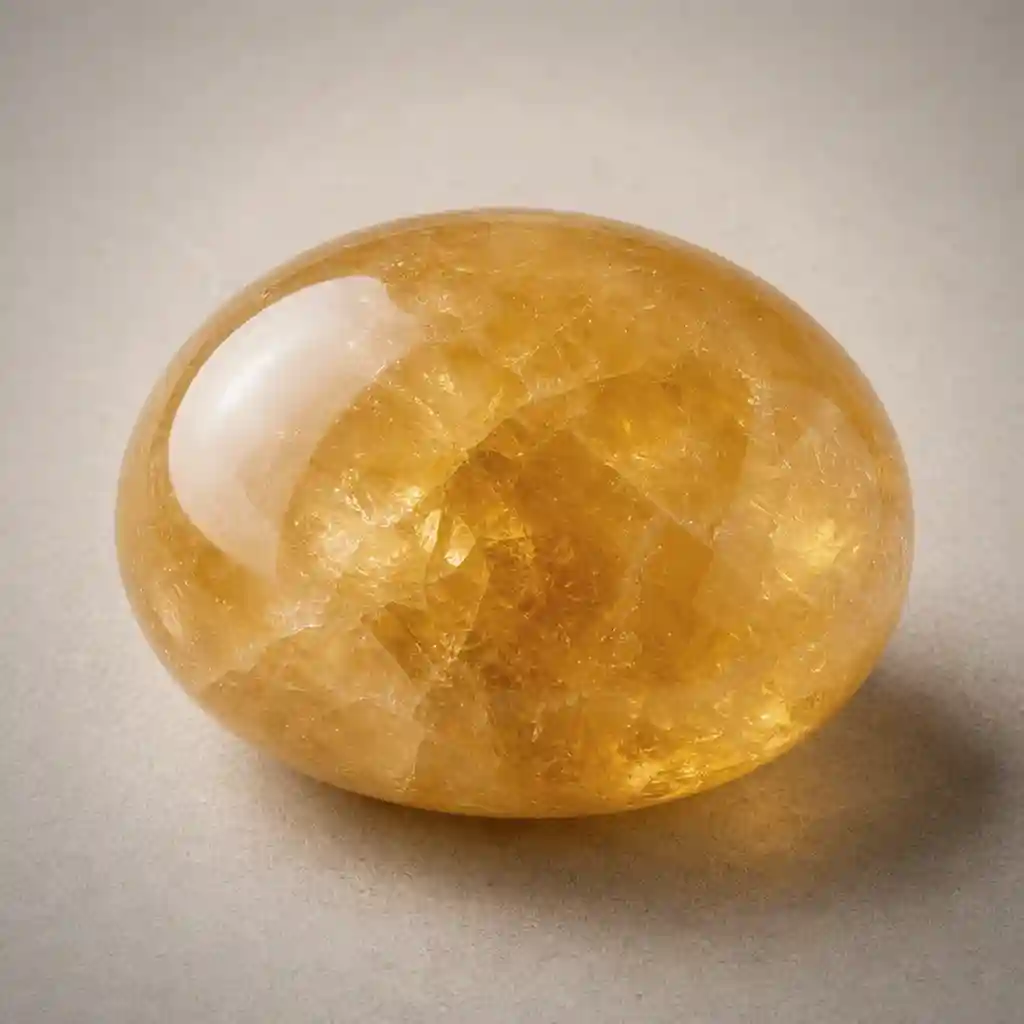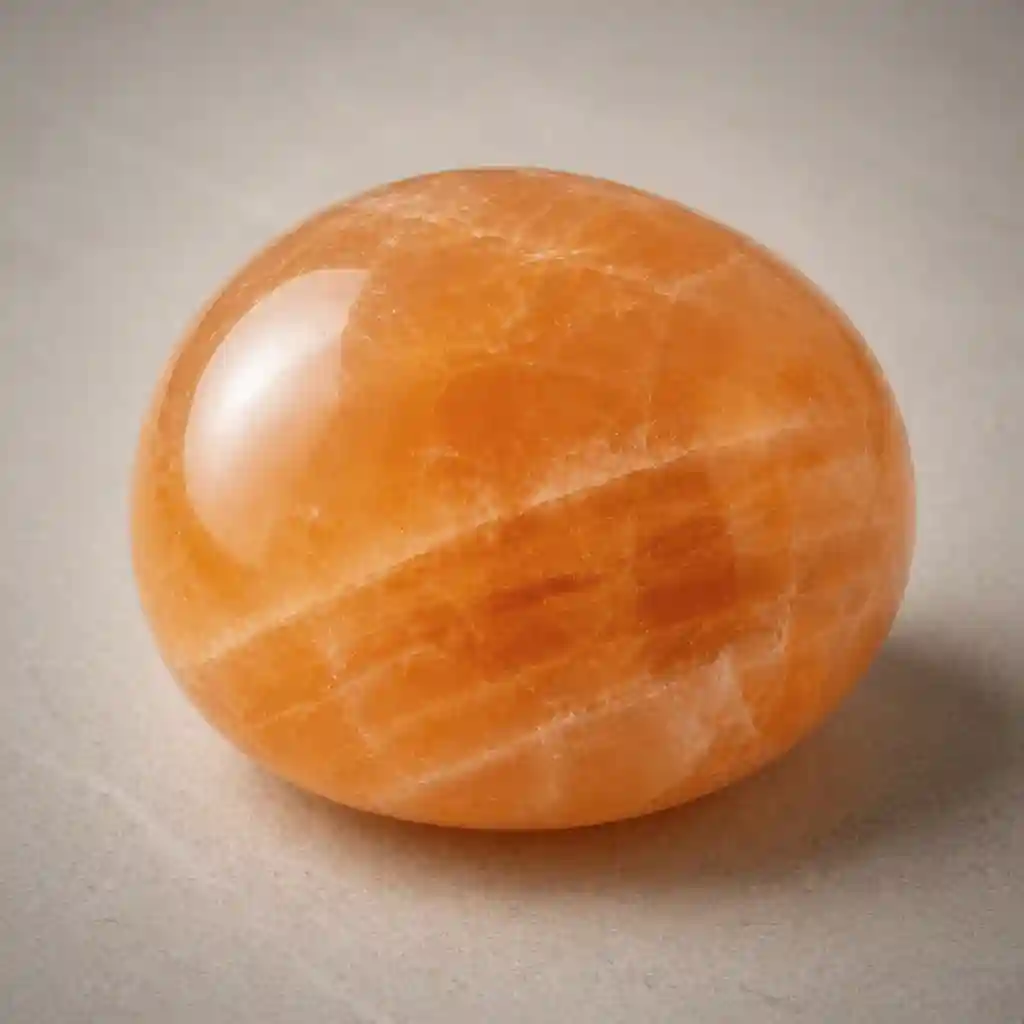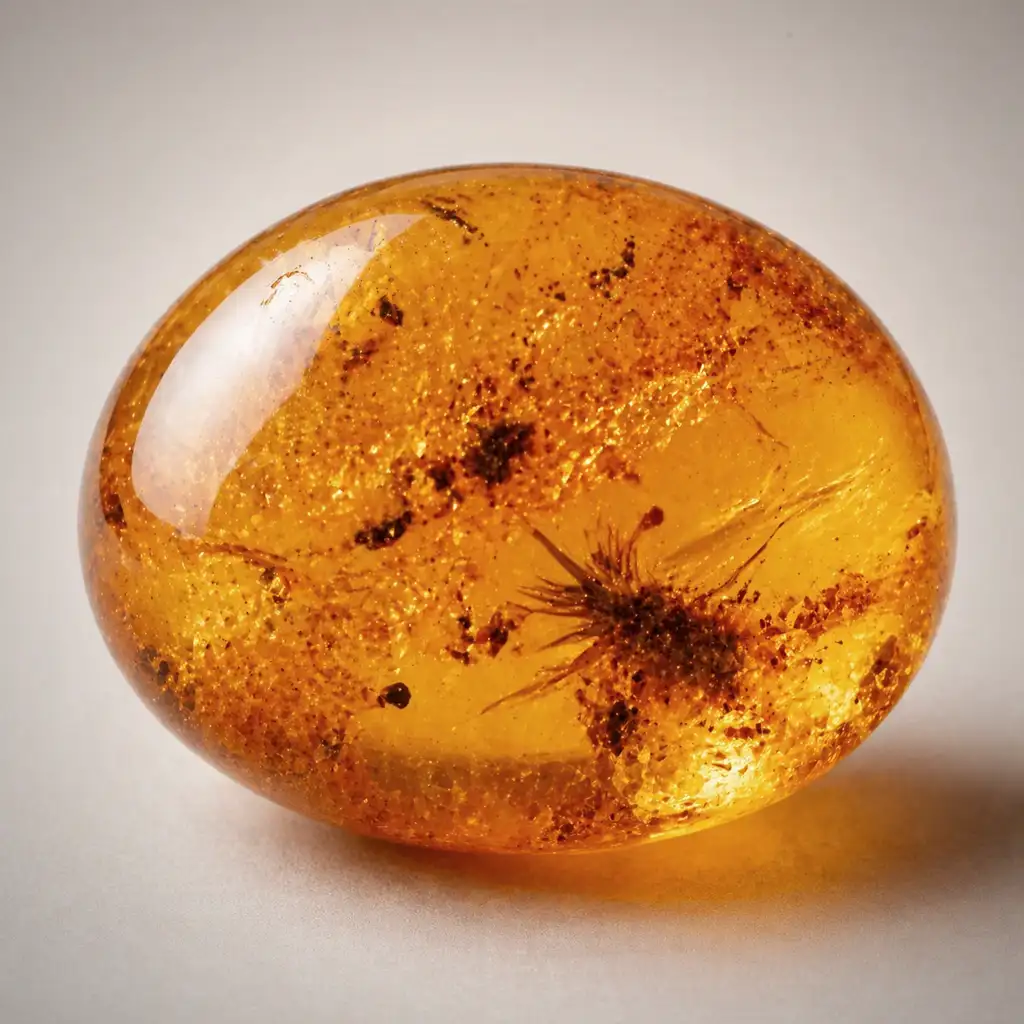
Amber at a Glance
Amber is the stone of cleansing, renewal, and ancient wisdom — a fossilized ray of sunlight that carries millions of years of Earth's healing energy.
People recovering from illness, those setting emotional boundaries, Leos seeking balance, and anyone needing an energy renewal
“I am cleansed, renewed, and filled with the warm golden light of ancient wisdom.”
Rinse with tepid water; charge in gentle sunlight for 1-2 hours; avoid salt and extreme heat
Source-Backed Facts About Amber
Amber is fossilized tree resin rather than a crystalline mineral, which is why it is classified as an amorphous organic gemstone.
Source: Amber: Window to the Past, by David A. Grimaldi, p. 12-28
Amber has a low specific gravity of about 1.05-1.10, so genuine pieces can float in saturated salt water while many plastic or glass imitations sink.
Source: Mindat.org — Amber Mineral Data, by Hudson Institute of Mineralogy
Because Amber is soft and porous, it should be kept away from salt, steam, ultrasonic cleaners, harsh chemicals, and prolonged heat exposure.
Source: The Crystal Bible: A Definitive Guide to Crystals, by Judy Hall, p. 42-43
Amber Quick Answers
What does Amber crystal mean?
Amber crystal meaning centers on warmth, cleansing, vitality, protection, and ancient wisdom. In spiritual practice, people use Amber as a sunny, organic gem for clearing stagnant energy, strengthening confidence, supporting Sacral and Solar Plexus Chakra work, and reconnecting with joy. Mineralogically, Amber is fossilized resin rather than a true crystal, but crystal healers still group it with healing stones because of its long history in jewelry, ritual, and protective amulets.
Is Amber a crystal?
Technically, Amber is not a crystal or mineral — it is fossilized tree resin, an organic substance. Unlike minerals, which have a crystalline atomic structure, Amber is amorphous. However, Amber has been used in jewelry and spiritual practice for tens of thousands of years and is universally included in crystal healing traditions. Its metaphysical properties are well-established and powerful, making it an essential part of any crystal collection despite its non-mineral origin.
What chakra is Amber associated with?
Amber is mainly associated with the Sacral and Solar Plexus Chakras. The Sacral connection relates to creativity, pleasure, and life-force flow, while the Solar Plexus connection relates to confidence, vitality, and personal power. Many practitioners use Amber over the lower abdomen or just above the navel when working with these energy centers.
What are Amber healing properties for adults?
For adults, Amber is most often used for warmth, emotional cleansing, vitality, and protective boundary work. Crystal practitioners place it near the Solar Plexus or Sacral Chakra to support confidence, motivation, and the release of stagnant emotional energy. These uses are spiritual and traditional rather than medical; Amber should not replace professional care for pain, inflammation, anxiety, or any health condition.
What is the Meaning & History of Amber?
Core Meaning
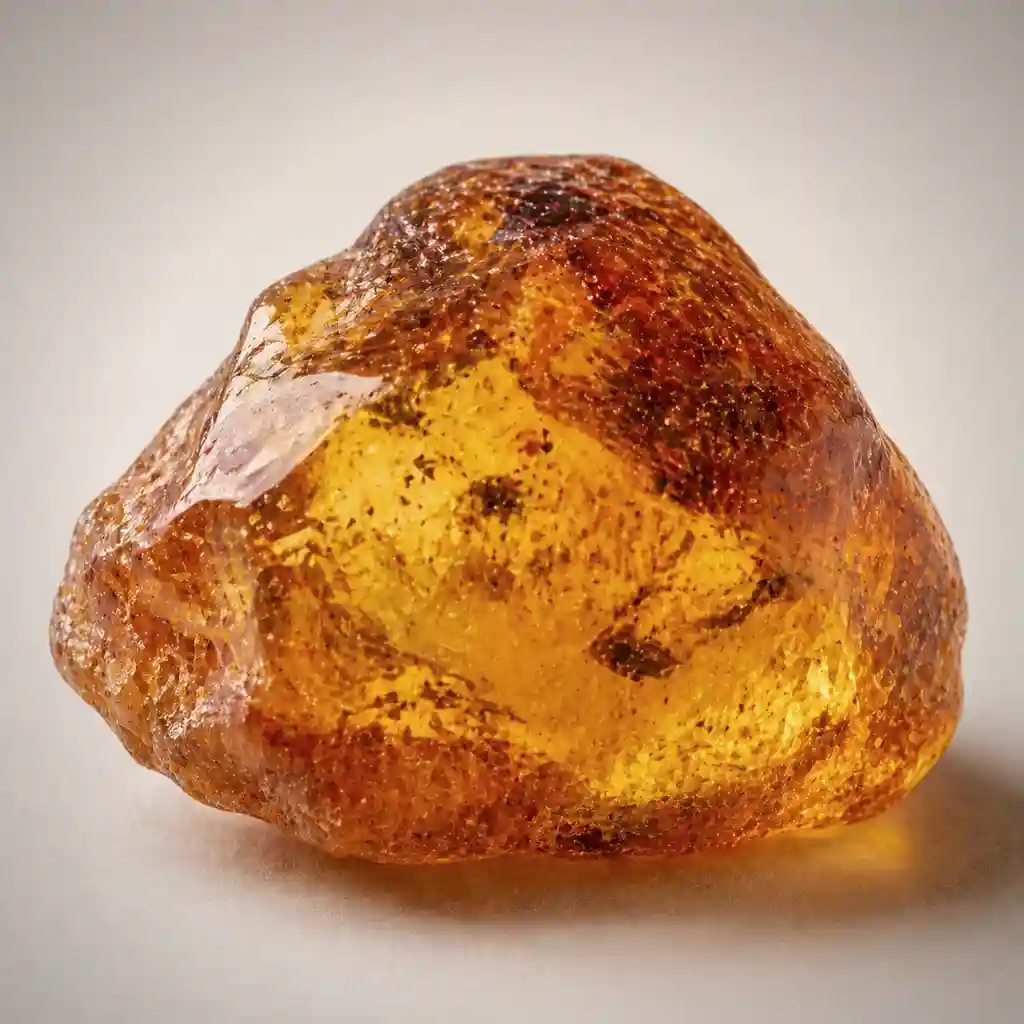
The Stone of Sunlight and Ancient Wisdom — Amber carries the warm, vital energy of the Sun and the ancient wisdom of the deep past. It is a powerful healer and cleanser that draws disease from the body, promotes tissue revitalization, and absorbs pain and negative energy, transmuting them into positive force. Amber's sunny, bright energy promotes a cheerful, optimistic outlook, stimulates the intellect, and helps one develop the confidence to follow their own path in life. It is associated with the Solar Plexus and Sacral Chakras, promoting personal power, creativity, and the free flow of life force energy throughout the body.
Historical & Cultural Significance
Amber has been treasured since the Stone Age — the oldest known Amber artifacts are beads from the Upper Paleolithic period, approximately 30,000 years ago. The ancient Greeks called Amber "elektron," meaning "beaming sun," and it is from this word that we derive "electricity," because Amber can generate a static charge when rubbed. In ancient Rome, Amber was valued above live slaves — Emperor Nero sent an expedition to the Baltic to procure it. In Traditional Chinese Medicine, Amber has been used for centuries to calm the spirit (shen), promote blood circulation, and relieve pain. Across Medieval Europe, Amber was burned as incense to ward off evil spirits and plagues, a tradition that continues in some Eastern Orthodox churches today.
Symbolism
- ✦Solar energy and vitality — carries the warmth and life-giving power of the Sun
- ✦Ancient wisdom — bridges millions of years of Earth's history with the present moment
- ✦Transformation — fossilized resin represents the alchemy of time turning pain into beauty
- ✦Protection — traditionally worn to ward off illness, evil spirits, and negative energy
- ✦Renewal and cleansing — absorbs negativity and transmutes it into positive force
- ✦Childhood innocence — associated with youth, wonder, and spontaneous joy
Folklore & Legends
In Lithuanian mythology, Amber is the hardened tears of the sea goddess Jurate, who wept when her amber palace was destroyed by the thunder god Perkunas. In ancient China, Amber was called "the soul of the tiger" and believed to be formed when a tiger's spirit entered the earth upon its death, making it a symbol of courage. Native American tribes used Amber in fire ceremonies as a bridge between the plant and spirit worlds, believing its golden light could guide lost souls home.
Geological Profile
Formation Process
Amber forms when tree resin — not sap — from prehistoric coniferous and deciduous trees undergoes a slow molecular polymerization process over millions of years. The resin must first be buried in sediment that protects it from oxygen and weathering. Over time, heat and pressure drive off volatile compounds (terpenes), causing the resin to harden into Amber. This process, called amberization, typically requires a minimum of 2-10 million years. Most commercial Amber is 30-90 million years old, with the oldest specimens from Myanmar dating back approximately 99 million years to the mid-Cretaceous period. Some Amber contains perfectly preserved insects, plant material, or air bubbles — tiny time capsules from the age of dinosaurs.
Varieties
Baltic Amber (Succinite)
The most common variety, found in Northern Europe. Rich golden to honey tones with high succinic acid content (3-8%). Often contains ancient insect and plant inclusions.
Dominican Amber
Known for exceptional clarity and rare blue variety. Younger than Baltic Amber (15-40 million years) but often has better-preserved inclusions. The blue variant fluoresces vividly under UV light.
Burmite (Burmese Amber)
The oldest commercial Amber at ~99 million years. Cretaceous-age specimens frequently contain scientifically significant inclusions including dinosaur feathers and ancient insects.
Copal (Immature Amber)
Young tree resin (often under 2 million years) that has not fully amberized. Softer, stickier, and less valuable than true Amber. Sometimes sold as "young amber" but is a distinct material.
Notable Origins
Baltic Region (Poland, Lithuania, Russia)
The world's largest Amber deposits. "Baltic Gold" washed ashore after storms. Contains 3-8% succinic acid, the highest of any Amber variety. Kaliningrad alone holds 90% of world reserves.
Dominican Republic
Exceptional clarity and preservation quality. Home to rare blue Amber that fluoresces vivid blue-green under UV light. Often contains perfectly preserved biological inclusions.
Myanmar (Burma)
Cretaceous-age Amber (~99 million years), the oldest commercially available. Contains scientifically invaluable inclusions including feathers, lizards, and ancient insect species.
Mexico (Chiapas)
Younger Amber (22-26 million years) in rich red, yellow, and honey tones. Used by Maya civilization for jewelry and ceremonial objects. Good clarity with occasional insect inclusions.
Mineral data verified via Mindat.org
Physical Properties
| Hardness | 2.5 on the Mohs scale |
| Chemical Formula | C₁₀H₁₆O (approximate, varies) |
| Crystal System | Amorphous |
| Primary Color | Yellow-Orange |
| Origin | Baltic Region, Dominican Republic, Mexico, Myanmar, Canada |
| Transparency | Transparent to translucent |
| Luster | Resinous to vitreous |
| Specific Gravity | 1.05-1.10 (floats in salt water — a key identification test) |
What Are the Healing Properties of Amber?
Emotional & Mental Well-being
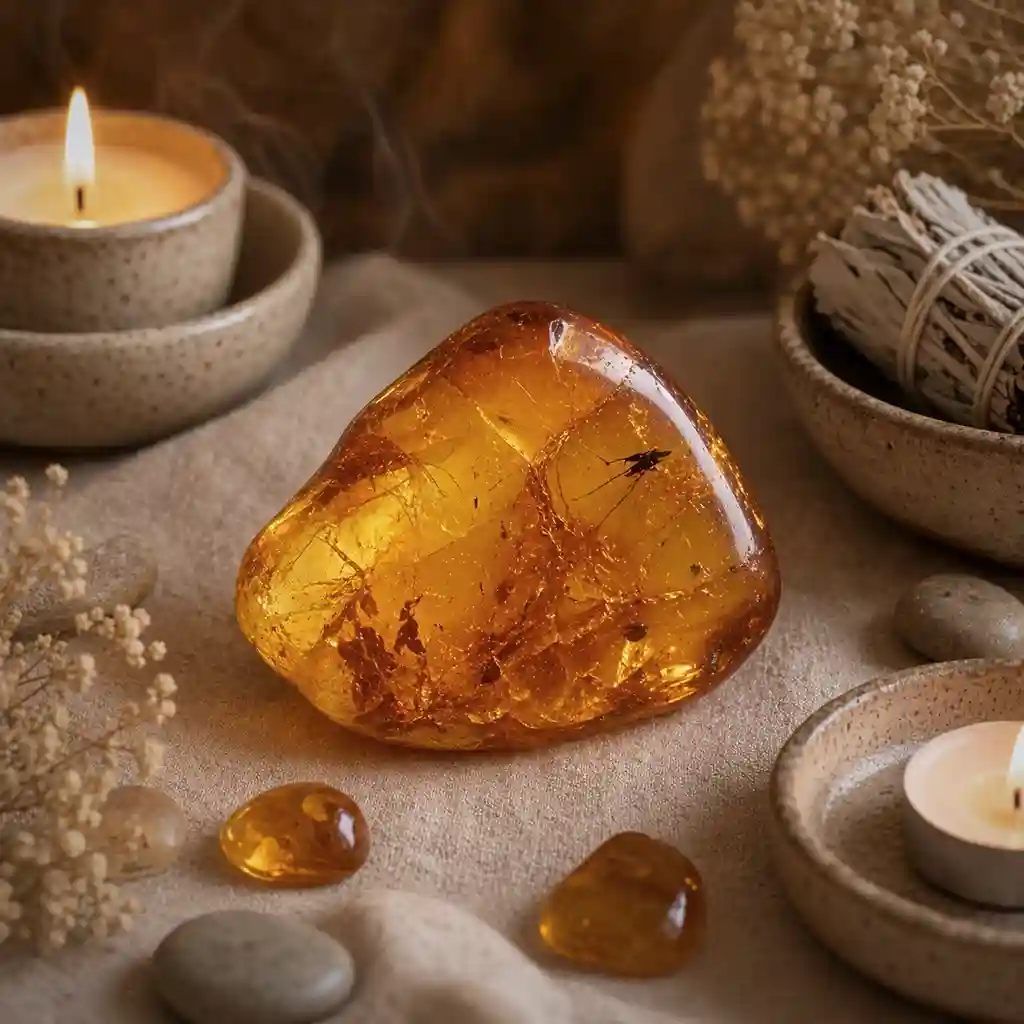
In crystal healing traditions, Amber is considered one of the most powerful emotional cleansers.
- ◆It absorbs negative emotional energy — grief, anger, fear, and self-doubt — and transmutes it into warmth and optimism.
- ◆Practitioners often recommend Amber for those recovering from emotional trauma, going through difficult transitions, or struggling with depressive thought patterns.
- ◆Its sunny golden energy helps dissolve emotional blocks in the Sacral Chakra, restoring the flow of creative life force.
- ◆Amber is particularly valued for building emotional resilience and helping people establish healthy boundaries — it empowers the wearer to release people-pleasing tendencies and stand confidently in their own truth.
- ◆Many crystal workers report that holding Amber during meditation brings a profound sense of comfort and inner warmth that soothes the inner critic.
Spiritual Properties
Amber is revered as a bridge between ancient wisdom and present-moment awareness.
- ◆In spiritual practice, it is used to activate and cleanse the Sacral Chakra, promoting creative expression, healthy desire, and the free flow of life force energy (prana/chi).
- ◆When placed on the Solar Plexus, Amber activates personal will and manifestation power, helping practitioners align their intentions with confident action.
- ◆Amber is also associated with past-life connection and ancestral wisdom — as a stone that has existed for millions of years, it is believed to carry the memories and knowledge of ancient Earth.
- ◆Some practitioners use Amber in aura cleansing rituals, where it is said to draw out stagnant energy and replace it with a warm, golden protective shield.
Physical Healing Traditions
Traditionally, Amber has been used in folk medicine across many cultures.
- ◆In European tradition, Amber teething necklaces have been used for centuries to soothe infants during teething, based on the belief that succinic acid is released by skin warmth and absorbed transdermally.
- ◆In Traditional Chinese Medicine, Amber (hu po) is used in herbal formulas to calm the shen (spirit), promote blood circulation, and relieve urinary difficulties.
- ◆Baltic cultures have historically used Amber elixirs and Amber-infused oils for wound healing and immune support.
- ◆Crystal practitioners often recommend placing Amber directly on areas of chronic pain, particularly for arthritis and joint inflammation.
Note: These properties are based on metaphysical traditions and are not a substitute for medical advice.
What Science Says
From a mineralogical perspective, Amber is classified as an amorphous organic gemstone rather than a mineral, since it lacks a crystalline atomic structure.
- ◆Its primary component is a complex mixture of hydrocarbons, resins, and succinic acid.
- ◆While Amber teething necklaces remain popular in Europe, the scientific evidence for succinic acid transdermal absorption is limited, and several medical organizations have issued warnings about choking hazards.
- ◆However, Amber's electrostatic properties (the origin of the word "electricity") and its importance to paleontology as a preservation medium for ancient life are well-documented scientific facts.
- ◆Research published in the Proceedings of the National Academy of Sciences has confirmed the recovery of ancient DNA and protein sequences from biological inclusions in Amber, making it invaluable to evolutionary biology.
Which Chakras Does Amber Connect To?
Which Zodiac Signs Match Amber?
How Do You Use Amber?
Meditation
Hold Amber in your palms or place it on your Sacral Chakra (lower abdomen) during meditation. Begin with 5 deep breaths, feeling the stone's weight and warmth. Visualize a golden thread of light extending from the Amber through your body, warming and clearing any areas of tension. For intention-setting meditations, silently repeat: "I am cleansed, renewed, and filled with ancient wisdom" while focusing on the Amber's golden glow. Best practiced during sunrise or golden hour for amplified solar energy.
Daily Wear
Wear Amber as a pendant near the Solar Plexus (just above the navel) or as a necklace at the throat to absorb pain and negative energy throughout the day. Amber beads worn on the wrist can serve as a tactile reminder of your intentions. For maximum skin contact and energy exchange, choose unpolished or lightly polished pieces. Avoid wearing Amber in the shower or swimming pool — its softness (Mohs 2-2.5) makes it vulnerable to chemical damage.
Home Placement
Place Amber in the living room or common areas to promote a cheerful, warm atmosphere and absorb household tension. A large Amber specimen on your desk stimulates creativity and intellectual focus — ideal for workspaces and studios. In the bedroom, a small piece of Amber on the nightstand can absorb the day's accumulated stress and promote restful sleep. For Feng Shui applications, place Amber in the south sector of your home (fame and reputation) or the center (health and harmony).
Crystal Grids
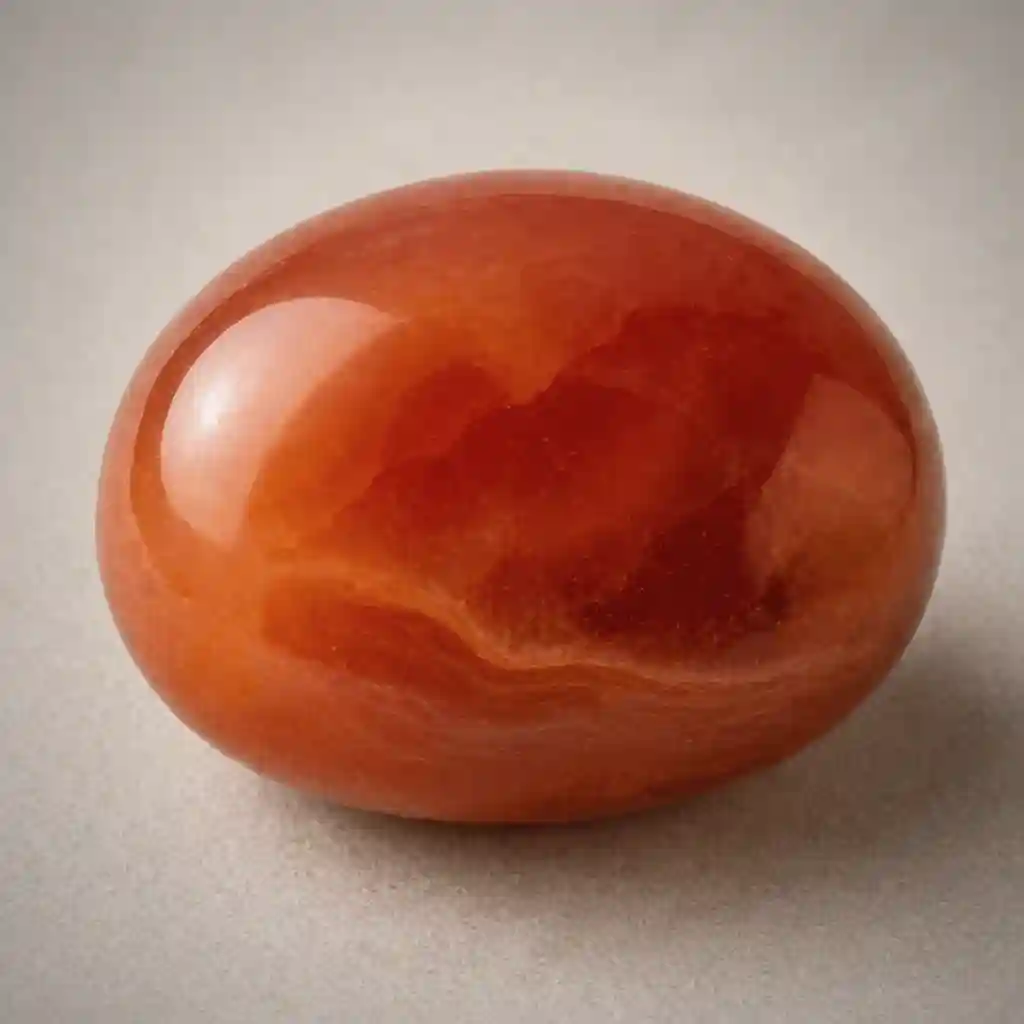
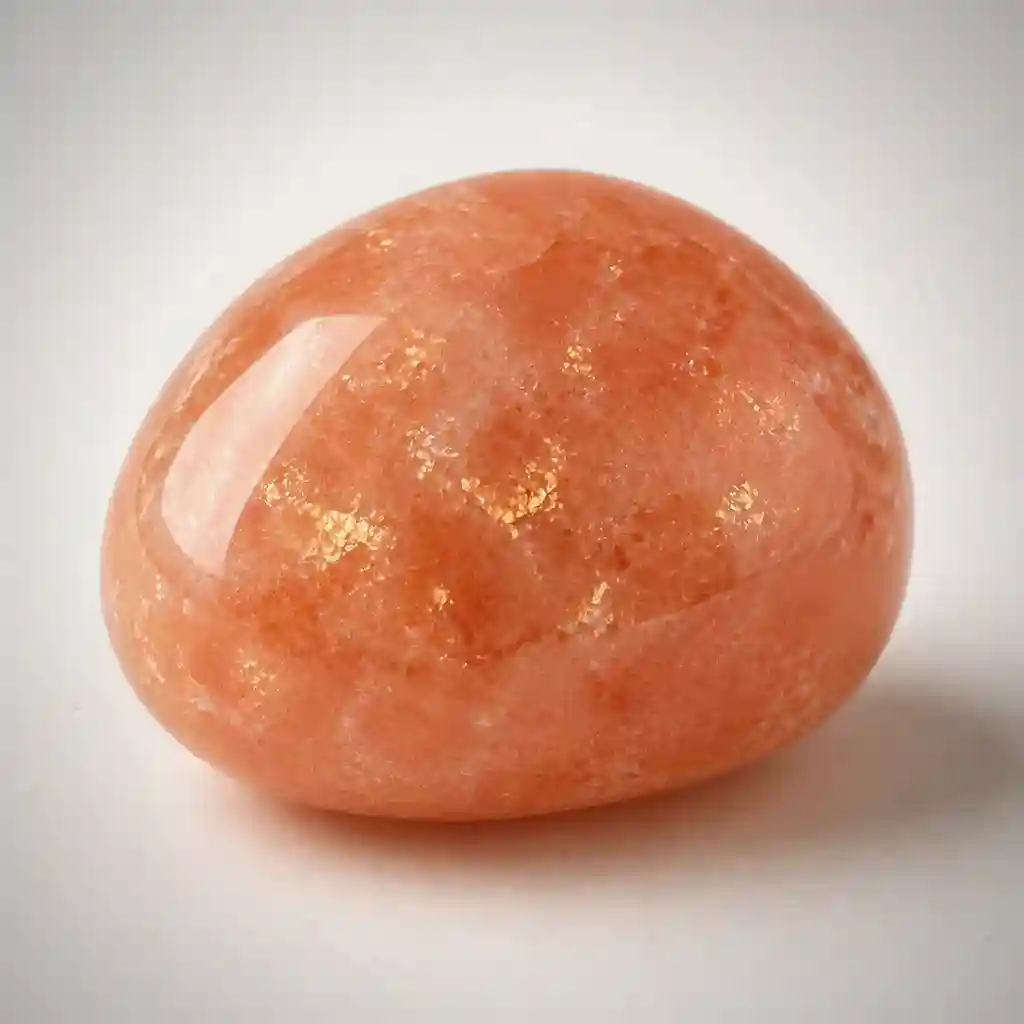
Use Amber as the center stone in a grid for manifestation, vitality, or solar energy work. Its warm golden frequency amplifies the intentions of surrounding crystals. Pair with Carnelian and Sunstone in a triangular grid for a powerful vitality-boosting formation, or combine with Clear Quartz points pointing outward to broadcast Amber's cleansing energy throughout a space.
How Do You Cleanse & Charge Amber?
Sunlight Charging
RecommendedSmudging
RecommendedEarth Burial
RecommendedRunning Water
Avoid prolonged water exposure; Amber is soft and porous and can be damaged
Use CautionMoon Phase Charging: Place Amber in direct moonlight during the full moon for gentle recharging. The full moon's energy is particularly potent for cleansing Amber's accumulated negative energy. For intention-setting, the new moon is ideal — hold your Amber and set fresh intentions as the lunar cycle begins.
Avoid the following:
- ✗Salt water or salt beds — Amber's softness and porosity make it vulnerable to salt damage
- ✗Ultrasonic cleaners — the vibrations can crack Amber's amorphous structure
- ✗Steam cleaning — heat can cause cracking or surface damage
- ✗Harsh chemical cleaners — alcohol, acetone, and detergents can dissolve the surface
- ✗Prolonged direct sunlight — while brief sun charging is beneficial, extended exposure can cause surface drying
What Crystals Pair Well with Amber?
Best Combinations
Carnelian
Carnelian's fire energy combines with Amber's ancient warmth for a powerful Sacral Chakra activation — ideal for boosting creativity and vitality
Black Tourmaline
Black Tourmaline blocks negative energy at the source while Amber cleanses residual negativity — together they create a comprehensive energetic shield
Rose Quartz
Rose Quartz nurtures the Heart Chakra while Amber cleanses emotional residue from the Sacral — a gentle yet effective emotional healing combination
Combinations to Approach with Caution
If You Like Amber, Also Try
How Can You Tell if Amber is Real or Fake?
Common Imitations
Identification Tests
1.Salt Water Test
Dissolve 4 tablespoons of salt in a glass of water. Drop the Amber specimen into the solution.
Genuine Amber (specific gravity 1.05-1.10) floats. Most plastic imitations and glass sink (specific gravity > 1.15). Note: Copal also floats, so combine with other tests.
2.Static Electricity Test
Rub the specimen vigorously with a soft cloth for 30 seconds, then hold it near small pieces of tissue paper or strands of hair.
Genuine Amber generates a strong static charge that attracts the paper or hair. This property gave us the word "electricity" (from Greek "elektron"). Many plastics produce weaker or no static effect.
3.UV Light Test
Examine the specimen under a UV flashlight (365nm wavelength) in a dark room.
Genuine Amber fluoresces with a blue-white or yellowish-green glow. Dominican blue Amber shows an especially vivid blue fluorescence. Plastics typically do not fluoresce or show a different color.
4.Hot Needle Test
Heat a needle until red-hot and gently touch an inconspicuous area of the specimen.
Genuine Amber emits a pleasant pine/resin scent and resists the needle. Plastic fakes produce an acrid, chemical smell and the needle pierces easily. Caution: this is a destructive test.
Price Reference
Small
$5-15
Medium
$20-50
Large
$50-200+
Prices vary significantly by origin, clarity, and inclusions. Dominican blue Amber commands premium pricing ($20-100+ per gram). Specimens with complete insect inclusions can be worth thousands.
Is Amber Safe? Care & Precautions
Toxicity Warning
Amber itself is non-toxic, but the succinic acid in Baltic Amber can cause skin irritation in sensitive individuals. Do not ingest Amber or use it in elixirs consumed internally.
Storage
Store Amber separately from harder stones to prevent scratching. Keep in a soft pouch or lined box. Avoid contact with perfumes, hairsprays, and cleaning chemicals. Amber can develop a whitish "bloom" over time — this is natural and can be polished away with a drop of olive oil.
Special Warnings
- ⚠Amber teething necklaces pose a choking hazard for infants — always supervise use and remove during sleep
- ⚠Amber softens at relatively low temperatures (~150°C/300°F) — keep away from heat sources
- ⚠Prolonged exposure to alcohol, perfume, or cleaning agents can damage the surface
What is Amber Best For?
Amber FAQ — Common Questions Answered
Is Amber a crystal?+
Technically, Amber is not a crystal or mineral — it is fossilized tree resin, an organic substance. Unlike minerals, which have a crystalline atomic structure, Amber is amorphous. However, Amber has been used in jewelry and spiritual practice for tens of thousands of years and is universally included in crystal healing traditions. Its metaphysical properties are well-established and powerful, making it an essential part of any crystal collection despite its non-mineral origin.
What does Amber crystal mean?+
Amber crystal meaning centers on warmth, cleansing, vitality, protection, and ancient wisdom. In spiritual practice, people use Amber as a sunny, organic gem for clearing stagnant energy, strengthening confidence, supporting Sacral and Solar Plexus Chakra work, and reconnecting with joy. Mineralogically, Amber is fossilized resin rather than a true crystal, but crystal healers still group it with healing stones because of its long history in jewelry, ritual, and protective amulets.
How can I tell real Amber from fake?+
Several tests can help identify genuine Amber. The salt water test: real Amber floats in saturated salt water while most plastic imitations sink. The hot needle test: touching a hot needle to Amber produces a pine/resin smell, while plastic produces a chemical/acrid smell. The UV test: genuine Amber fluoresces under UV light (usually yellowish-green), while many fakes do not. Static electricity: rubbing real Amber with cloth generates static that can pick up small pieces of paper. Price is also telling — genuine Amber is rarely very cheap.
What is Amber good for?+
Amber is primarily known as a powerful healer and cleanser that draws disease and pain from the body. It promotes vitality, joy, and a sunny disposition. Amber absorbs negative energy and transmutes it into positive force, stimulates the intellect, brings good luck and success, and supports manifestation. It is particularly valued for children as a protective, soothing stone. Amber also connects to ancient wisdom, promotes patience and trust in transformation, and bridges the gap between past and present.
How does Amber connect to Leo's energy?+
Amber is considered a birthstone for Leo because it radiates the same warm, solar energy that defines this fire sign. Leo is ruled by the Sun, and Amber literally carries ancient, fossilized sunlight within its golden form. The stone amplifies Leo's natural confidence, creativity, and generosity while helping balance their tendency toward pride or drama with grounded warmth and genuine heart-centered leadership.
How old is Amber and where does it come from?+
Most commercial Amber is between 30 and 90 million years old, formed from the resin of prehistoric trees that has slowly polymerized over geological time. The Baltic Region (Poland, Lithuania, Russia) holds roughly 90% of the world's Amber reserves, while the Dominican Republic produces prized blue Amber and Myanmar yields the oldest specimens at roughly 99 million years old. Dominican Amber with insect inclusions and Baltic Amber with high succinic acid content are the most sought-after varieties, with prices varying dramatically based on clarity, inclusions, and origin.
What are Amber healing properties for adults?+
For adults, Amber is most often used for warmth, emotional cleansing, vitality, and protective boundary work. Crystal practitioners place it near the Solar Plexus or Sacral Chakra to support confidence, motivation, and the release of stagnant emotional energy. These uses are spiritual and traditional rather than medical; Amber should not replace professional care for pain, inflammation, anxiety, or any health condition.
What chakra is Amber associated with?+
Amber is mainly associated with the Sacral and Solar Plexus Chakras. The Sacral connection relates to creativity, pleasure, and life-force flow, while the Solar Plexus connection relates to confidence, vitality, and personal power. Many practitioners use Amber over the lower abdomen or just above the navel when working with these energy centers.
What does green Amber mean?+
Green Amber is usually associated with renewal, growth, emotional healing, and Heart Chakra support layered onto Amber's usual warmth and vitality. Buyers should know that vivid green Amber is often treated, backed, or enhanced in the jewelry trade. If natural origin matters to you, ask the seller whether the color is natural, heat-treated, dyed, or created by a backing layer.
Related Guides for Amber
Was this helpful?