Lapis Lazuli at a Glance
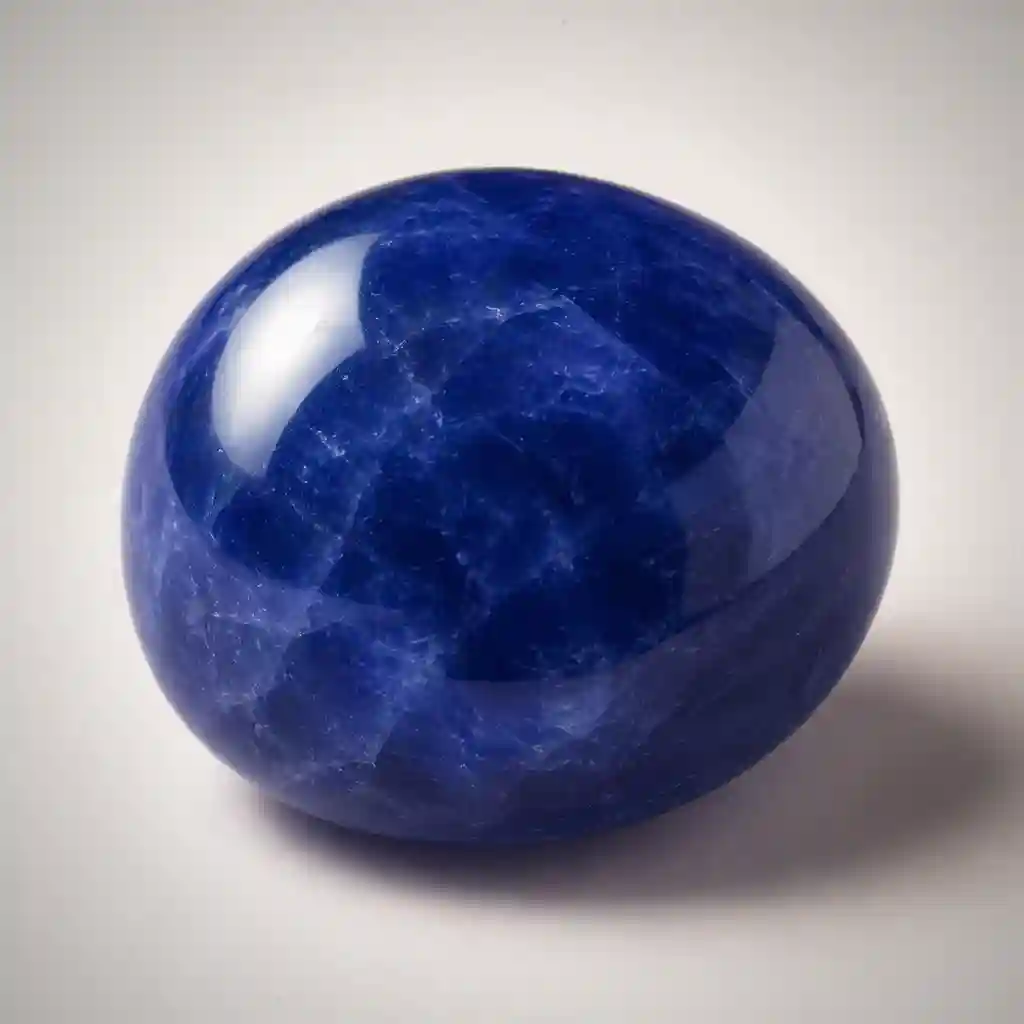
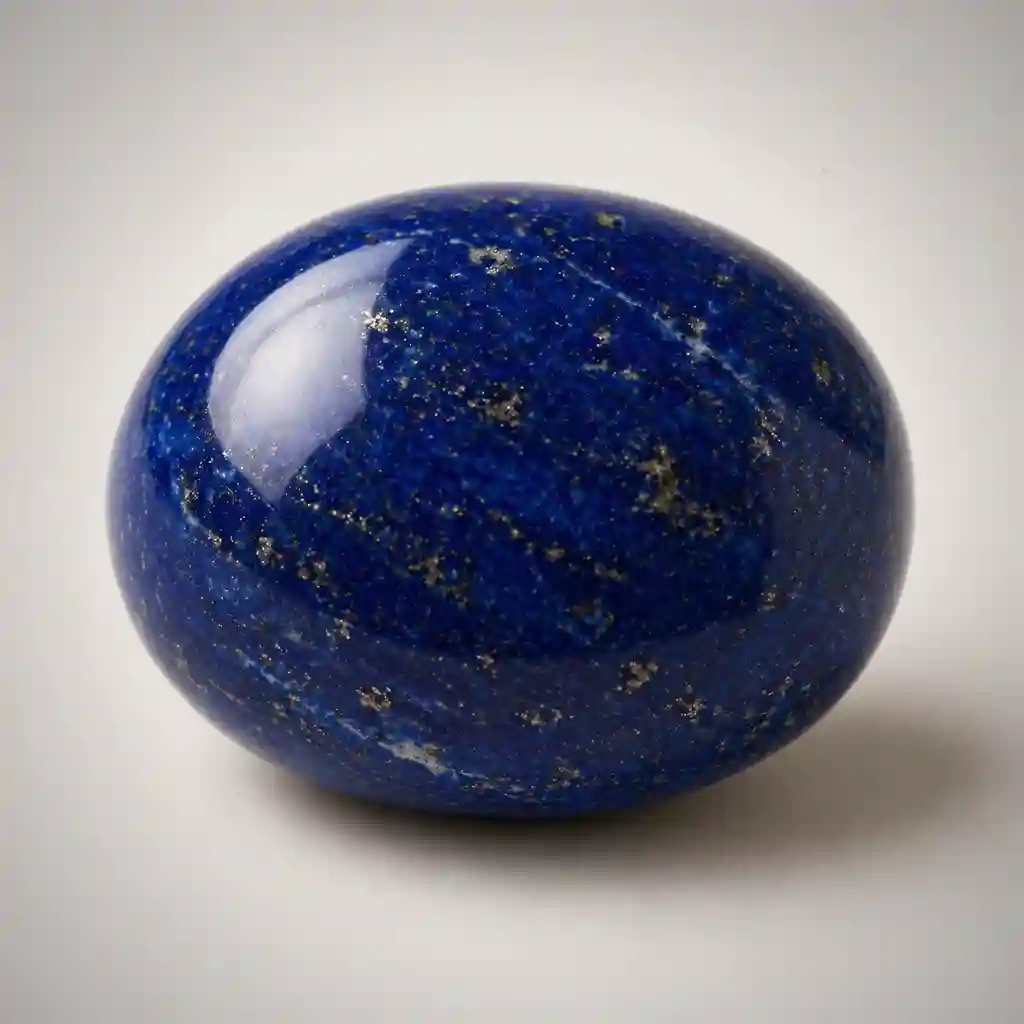
Lapis Lazuli is a deep blue crystal flecked with gold that has been prized for 6,000 years. It is about truth: seeing it, speaking it, and trusting your own inner knowing.
Public speakers and communicators, truth-seekers, Sagittarius individuals, students, and anyone who needs help finding or using their voice
“I speak my truth clearly and without apology. I trust what I know and I am not afraid to say it.”
Cleanse with moonlight or smudging; avoid water soaking; never use salt; store away from harder stones to prevent scratching
Lapis Lazuli Quick Answers
What is Lapis Lazuli good for?
Lapis Lazuli is excellent for enhancing truth, wisdom, and communication. It stimulates the Third Eye and Throat Chakras, promoting intuition, intellectual ability, and honest self-expression. It helps you speak your truth with confidence, supports memory and learning, and encourages spiritual growth. Historically it was considered a stone of royalty, tied to honor, power, and spiritual vision.
How can I tell if my Lapis Lazuli is real?
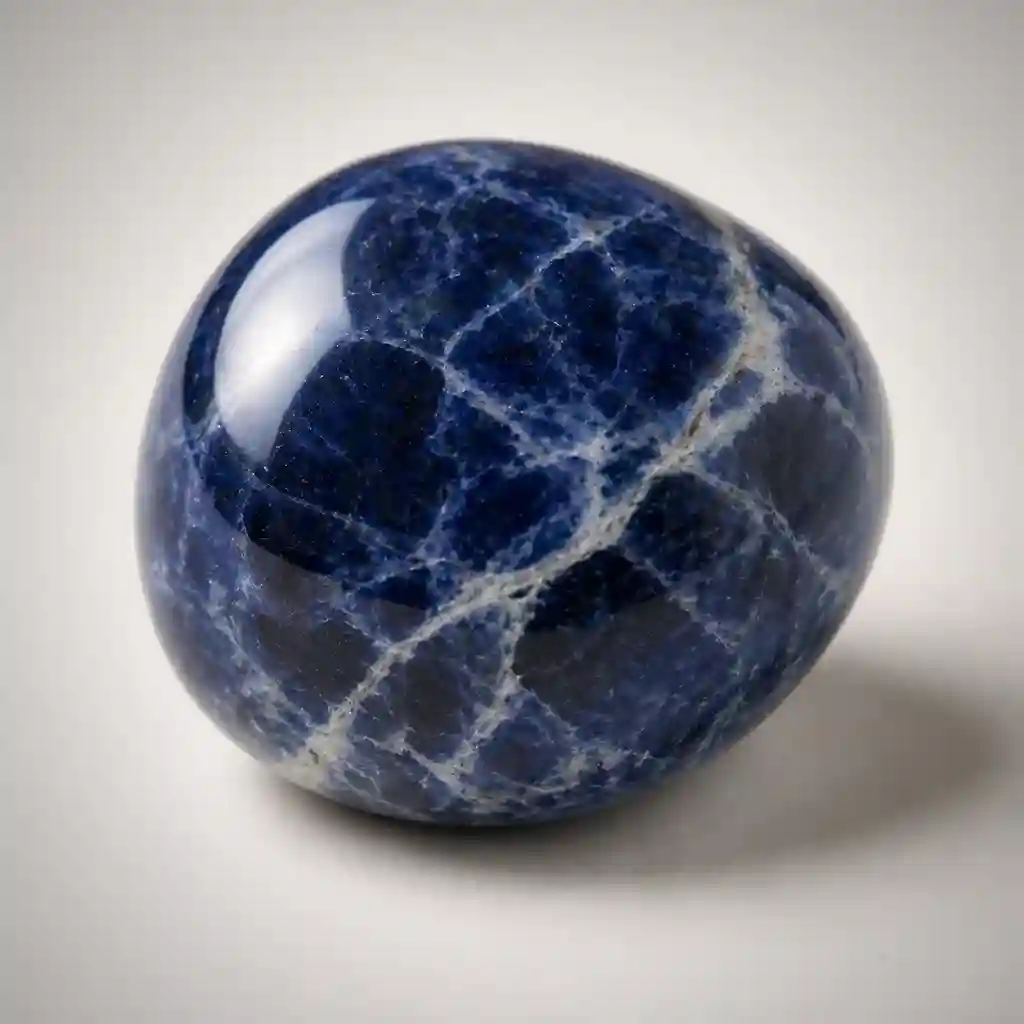
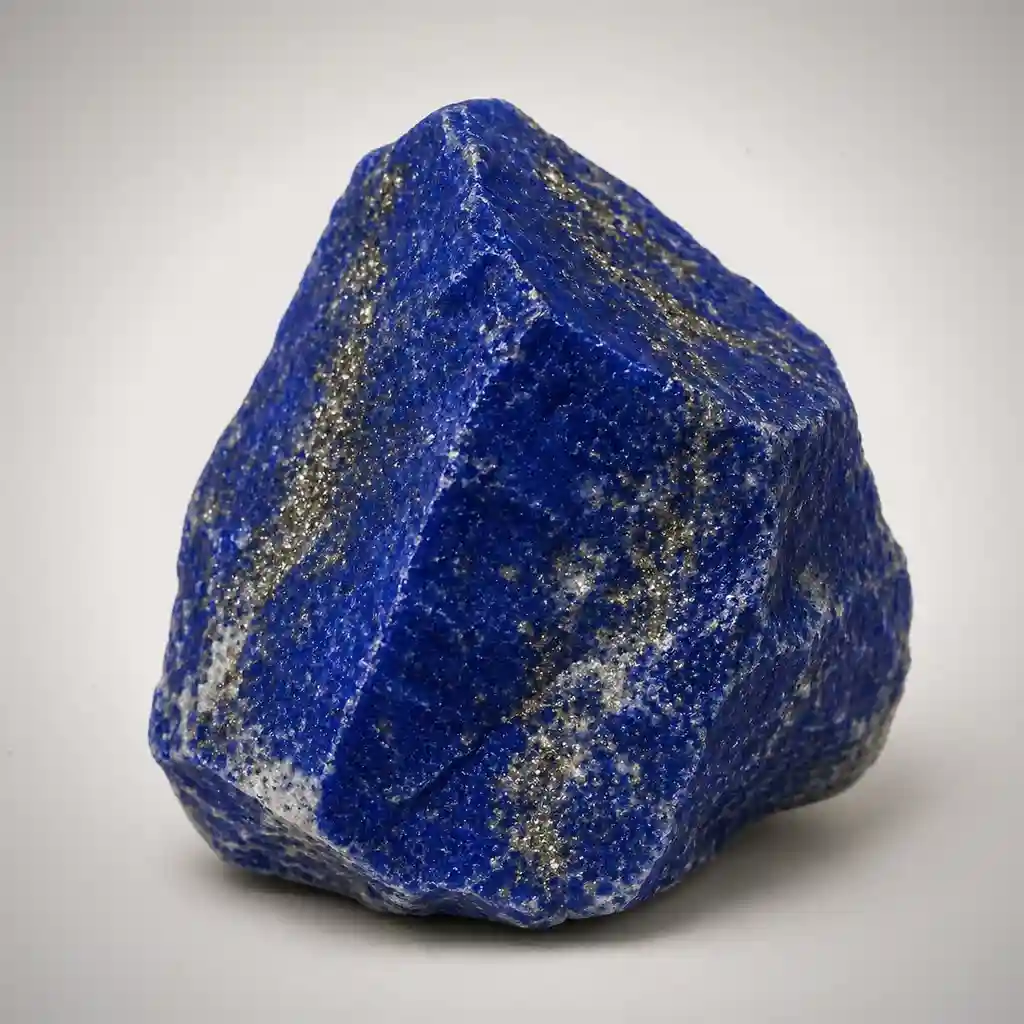
Genuine Lapis Lazuli has a deep blue color with visible white calcite veining and golden pyrite specks that catch the light. It is relatively heavy for its size and has a Mohs hardness of 5-5.5. Dyed howlite or jasper imitations lack the natural golden pyrite inclusions and often have an unnaturally uniform color. A simple test: real Lapis will not bleed color when wiped with acetone, while dyed imitations will.
What is the Meaning & History of Lapis Lazuli?
Core Meaning
The Stone of Truth and Enlightenment — Lapis Lazuli is a stone of truth, wisdom, and intellectual curiosity. It stimulates the Third Eye and Throat Chakras, promoting inner knowing, intuition, and the courage to speak honestly. Its combination of deep blue energy with golden pyrite gives it a distinctive feel that bridges the physical and spiritual.
Historical & Cultural Significance
Lapis Lazuli has been prized for over 6,000 years. The ancient Egyptians carved it into amulets, scarabs, and the funeral mask of Tutankhamun (the pharaoh's eyebrows and eyeliner were made from Lapis Lazuli). In the Sumerian city of Ur, queens were buried with Lapis Lazuli jewelry over 4,500 years ago. During the Renaissance, ground Lapis Lazuli was the source of ultramarine blue, the most expensive pigment in history, worth more than gold ounce for ounce. Michelangelo, Vermeer, and Titian all used it, mostly for painting the robes of the Virgin Mary. In ancient Persia and the Islamic world, Lapis Lazuli was called "the stone of heaven" and was believed to protect against the evil eye.
Symbolism
- ✦Truth and authenticity — the deep blue represents the infinite sky of truth
- ✦Wisdom and intellectual power — golden pyrite flecks symbolize scattered stars of insight
- ✦Royalty and divine authority — worn by pharaohs, emperors, and priests for millennia
- ✦Spiritual vision — Third Eye activation reveals hidden knowledge and deeper realities
- ✦Honest communication — Throat Chakra alignment promotes truthful self-expression
Folklore & Legends
In ancient Egyptian mythology, Lapis Lazuli was associated with the goddess Isis and was thought to be the stone of the nighttime sky, with the golden pyrite representing stars. The Egyptians also believed the soul of the god Ra lived inside Lapis Lazuli. In Buddhist tradition, Lapis Lazuli is one of the seven treasures and the medicine Buddha is depicted with a body of Lapis Lazuli blue. Ancient Persian kings wore Lapis Lazuli amulets inscribed with prayers, believing the stone would protect them from assassination. In medieval European folklore, physicians prescribed gazing into polished Lapis Lazuli as a cure for melancholy.
Geological Profile
Formation Process
Lapis Lazuli is not a single mineral but a metamorphic rock composed primarily of lazurite (the blue component), calcite (white veining), pyrite (golden flecks), and occasionally diopside, sodalite, and hauyne. It forms in contact metamorphic zones where limestone has been altered by igneous intrusions (typically granite) at high temperatures but relatively low pressures. The heat drives chemical reactions between the limestone (calcium carbonate) and the igneous fluids rich in sodium, aluminum, sulfur, and silicon, producing lazurite crystals. The golden pyrite inclusions form when iron and sulfur are present in the metamorphic fluids.
Varieties
Afghan Lapis (Badakhshan)
The finest quality Lapis Lazuli, from the ancient mines of Badakhshan province. Intense deep blue with minimal white calcite and well-distributed golden pyrite. This is the Lapis that supplied Egyptian pharaohs and Renaissance painters.
Chilean Lapis
Often contains more white calcite veining and greenish tints from diopside inclusions. More affordable than Afghan Lapis but still beautiful. Chile declared Lapis Lazuli its national stone.
Russian Lapis (Baikal)
Variable quality, often with more pyrite and a slightly greenish-blue tone. Historically sourced from the Lake Baikal region. Some fine specimens rival Afghan material in color intensity.
Notable Origins
Afghanistan (Badakhshan/Sar-e-Sang)
The world's premier source of Lapis Lazuli, mined continuously for over 6,000 years. The Sar-e-Sang mines produce the finest deep-blue material with well-distributed golden pyrite. Afghan Lapis is the gold standard by which all other Lapis is judged.
Chile (Ovalle/Flor de los Andes)
Significant deposits in the Andes mountains. Chilean Lapis tends to have more calcite veining and a slightly lighter blue, often with greenish diopside inclusions. More affordable and widely available than Afghan material.
Russia (Siberia/Lake Baikal)
Historical source producing variable-quality Lapis. Russian material often has more pyrite content and can range from deep blue to greenish-blue. The Sludyanka deposits near Lake Baikal have been mined since the 18th century.
Mineral data verified via Mindat.org
Physical Properties
| Hardness | 5.5 on the Mohs scale |
| Chemical Formula | (Na,Ca)₈(AlSiO₄)₆(SO₄,S,Cl)₂ |
| Crystal System | Cubic |
| Primary Color | Deep Blue |
| Origin | Afghanistan, Chile, Russia, Pakistan, Myanmar |
| Transparency | Opaque |
| Luster | Vitreous to greasy (polished surfaces), dull (natural) |
| Specific Gravity | 2.7-2.9 |
What Are the Healing Properties of Lapis Lazuli?
Emotional & Mental Well-being
Lapis Lazuli is one of the best stones for promoting emotional honesty and authentic self-expression.
- ◆In crystal healing practice, it helps dissolve the fear of judgment that keeps people from speaking their truth, replacing it with inner confidence rooted in self-knowledge.
- ◆Practitioners often recommend it for people who have been silencing themselves in relationships, workplaces, or social situations.
- ◆The stone also helps process repressed anger held in the throat center, which often shows up as chronic throat tension or a literal "lump in the throat.
- ◆" Lapis Lazuli encourages emotional intelligence by helping people distinguish between their true feelings and the feelings they think they should have.
- ◆Crystal workers find it helps clients develop the courage to have difficult but necessary conversations, approaching them with honesty and compassion.
Spiritual Properties
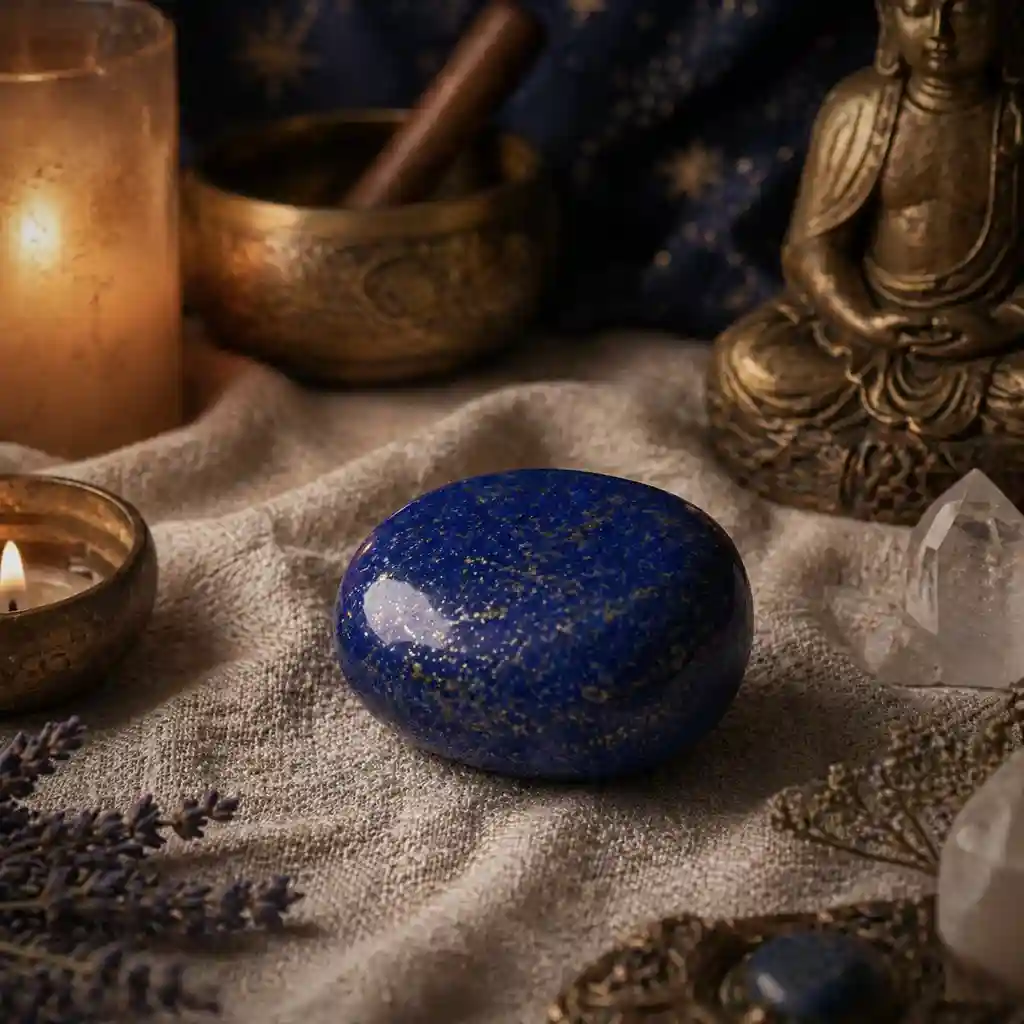
In spiritual practice, Lapis Lazuli activates both the Third Eye and Throat Chakras at the same time, creating a channel for wisdom to flow into awareness and then outward.
- ◆It is a good stone for meditation focused on self-knowledge because it helps you see beyond surface-level identity to something deeper.
- ◆Lapis has been used for millennia in spiritual initiation ceremonies.
- ◆Ancient Egyptian priests wore it to enhance their connection to the gods, and that tradition of using Lapis for divine communication continues today.
- ◆For past-life work, Lapis Lazuli is believed to help access memories stored in the Akashic record, particularly those involving truth, power, and self-expression.
Physical Healing Traditions
In crystal healing traditions, Lapis Lazuli is associated with the throat, vocal cords, and thyroid gland, which fits with its Throat Chakra connection.
- ◆Practitioners recommend it for throat infections, laryngitis, and thyroid imbalances.
- ◆It is also traditionally associated with the eyes and vision (the ancient Egyptians used powdered Lapis in eye cosmetics).
- ◆Some healers suggest it for headaches, nervous system support, and immune system health.
Note: These properties are based on metaphysical traditions and are not a substitute for medical advice.
What Science Says
Lapis Lazuli is a metamorphic rock composed primarily of lazurite ((Na,Ca)8(AlSiO4)6(SO4,S,Cl)2), a feldspathoid mineral.
- ◆Its blue color comes from the S3- radical anion (trisulfide), one of the few stable polyanions that produces a deep blue color in nature.
- ◆The golden flecks are pyrite (FeS2), and white veins are calcite (CaCO3).
- ◆The ultramarine pigment derived from Lapis Lazuli was so valuable that by the 14th century, a single ounce could cost the equivalent of a year's salary for a skilled craftsman.
- ◆In 1828, a synthetic ultramarine was developed, dramatically reducing demand for natural Lapis pigment.
- ◆Modern analytical techniques including Raman spectroscopy and X-ray diffraction can easily distinguish genuine Lapis Lazuli from imitations.
Which Chakras Does Lapis Lazuli Connect To?
Which Zodiac Signs Match Lapis Lazuli?
How Do You Use Lapis Lazuli?
Meditation
Place Lapis Lazuli on the Third Eye (center of forehead) or throat during meditation to access deeper states of awareness and enhance intuition. Visualize its deep blue light filling your mind with clarity and its golden pyrite sparks illuminating hidden truths. For self-knowledge meditation, hold Lapis Lazuli and ask silently: "What truth am I refusing to see?" Let any images, words, or feelings arise without judgment. Lapis meditation is especially effective during the waxing moon.
Daily Wear
Wear Lapis Lazuli as a pendant at the throat to enhance communication and self-expression. This is the traditional and most common placement. Lapis Lazuli earrings are said to stimulate mental clarity and enhance listening skills. Avoid wearing Lapis in situations where it may get wet or be exposed to chemicals, since it is a relatively soft stone (5-5.5 Mohs) and the pyrite inclusions can oxidize.
Home Placement
Place Lapis Lazuli in your study area or on your desk to enhance intellectual focus and memory. In the living room, it promotes honest, deep conversations between family and friends. Avoid placing Lapis in direct sunlight for extended periods, since prolonged UV exposure can slightly fade the blue color. For Feng Shui, place it in the northeast (knowledge and self-cultivation) or the north (career and life path) sectors.
Crystal Grids
Use Lapis Lazuli as the center stone in grids for truth, communication, or spiritual awareness. Its Third Eye-Throat Chakra bridge makes it ideal for grids focused on self-expression. Pair with Sodalite for mental clarity, or combine with Clear Quartz and Amethyst for a spiritual awareness formation.
How Do You Cleanse & Charge Lapis Lazuli?
Moonlight Bathing
RecommendedSmudging
RecommendedSelenite Charging
RecommendedRunning Water
Brief rinse only; avoid soaking as it is a softer stone
Use CautionMoon Phase Charging: Charge Lapis Lazuli under the full moon for enhanced truth-seeking and intuitive wisdom. The waning moon is a good time for releasing self-deception and embracing honest self-reflection. Lapis Lazuli resonates well with night sky energy, so placing it outdoors under the stars makes for a potent charge.
Avoid the following:
- ✗Water soaking — can damage calcite veins and oxidize pyrite inclusions
- ✗Salt and salt water — salt is abrasive and can scratch the relatively soft stone
- ✗Ultrasonic cleaners — vibrations can damage the composite rock structure
- ✗Chemical cleaners — acids and solvents can dissolve calcite and damage lazurite
- ✗Steam cleaning — heat and moisture stress the composite mineral structure
What Crystals Pair Well with Lapis Lazuli?
Best Combinations
Sodalite
Sodalite amplifies Lapis Lazuli's truth-seeking energy and enhances mental clarity. Together they make a strong combination for intellectual work and honest self-reflection
Clear Quartz
Clear Quartz amplifies Lapis Lazuli's Third Eye and Throat Chakra activation, directing its truth-speaking energy with precision and amplifying its spiritual wisdom
Amethyst
Amethyst adds spiritual protection and Crown Chakra activation to Lapis Lazuli's Third Eye opening. Together they cover the upper chakras thoroughly
Combinations to Approach with Caution
How Can You Tell if Lapis Lazuli is Real or Fake?
Common Imitations
Identification Tests
1.Acetone Test
Dip a cotton swab in acetone (nail polish remover) and rub an inconspicuous area of the stone.
Genuine Lapis Lazuli will not transfer any color to the cotton swab. Dyed imitations (howlite, jasper, marble) will leave blue color on the swab. This is one of the most reliable tests for detecting dyed fakes.
2.Pyrite Distribution Test
Examine the golden specks under 10x magnification.
In genuine Lapis Lazuli, pyrite crystals are irregularly distributed, appearing as random golden flecks with varying sizes and shapes. In manufactured imitations, added pyrite specks are too uniform in size and distribution, or may be absent entirely.
3.Chlorine Smell Test
Rub the stone vigorously with a cloth to warm it, then hold it near your nose.
Genuine Lapis Lazuli (which contains sulfur compounds in the lazurite) may produce a faint sulfurous or mineral smell when warmed. Dyed howlite or plastic replicas will not have this characteristic mineral scent.
Price Reference
Small
$8-25
Medium
$25-80
Large
$60-250
Prices depend heavily on quality and origin. Afghan Lapis with intense blue color, minimal calcite, and well-distributed pyrite commands premium pricing. Chilean Lapis is more affordable. Specimens with large white calcite areas are less valuable. High-quality Lapis has become scarcer and more expensive in recent years.
Is Lapis Lazuli Safe? Care & Precautions
Toxicity Warning
Lapis Lazuli contains pyrite (iron sulfide) and may contain trace amounts of other sulfide minerals. While safe to handle and wear, it should NOT be used in direct-contact gem elixirs consumed internally, as pyrite can release sulfur compounds. Always use the indirect method for Lapis Lazuli elixirs.
Storage
Lapis Lazuli is relatively soft (5-5.5 Mohs) and should be stored separately from harder stones to prevent scratching. Avoid contact with acids, chlorine, and harsh chemicals. Store in a soft pouch or lined jewelry box. The pyrite inclusions can oxidize over time if exposed to moisture, developing a slight tarnish.
Special Warnings
- ⚠Never use Lapis Lazuli in direct-contact elixirs — the pyrite content makes it unsafe for internal consumption
- ⚠Avoid exposure to acids and chlorine (including swimming pools), which can damage the lazurite and calcite components
- ⚠Lapis Lazuli can be damaged by ultrasonic cleaners due to its composite nature and inclusions
- ⚠Prolonged soaking in water can damage the calcite component and cause the pyrite to oxidize
What is Lapis Lazuli Best For?
Lapis Lazuli FAQ — Common Questions Answered
What is Lapis Lazuli good for?+
Lapis Lazuli is excellent for enhancing truth, wisdom, and communication. It stimulates the Third Eye and Throat Chakras, promoting intuition, intellectual ability, and honest self-expression. It helps you speak your truth with confidence, supports memory and learning, and encourages spiritual growth. Historically it was considered a stone of royalty, tied to honor, power, and spiritual vision.
How can I tell if my Lapis Lazuli is real?+
Genuine Lapis Lazuli has a deep blue color with visible white calcite veining and golden pyrite specks that catch the light. It is relatively heavy for its size and has a Mohs hardness of 5-5.5. Dyed howlite or jasper imitations lack the natural golden pyrite inclusions and often have an unnaturally uniform color. A simple test: real Lapis will not bleed color when wiped with acetone, while dyed imitations will.
Is Lapis Lazuli safe to use in water for elixirs?+
No. Lapis Lazuli contains pyrite and other minerals that can be toxic if ingested, so it should not be used in direct-contact gem elixirs. If you want to make a Lapis Lazuli elixir, use the indirect method: place the stone in a glass container, then place that container in a larger bowl of water. The energy will transfer without the risk of mineral leaching.
How does Lapis Lazuli support Sagittarius through the Third Eye and Throat?+
Lapis Lazuli activates both the Third Eye and Throat Chakras, creating a channel between inner vision and truthful expression. For Sagittarius, the philosophical, truth-seeking sign it is a birthstone for, this dual activation lines up well with their quest for wisdom and their drive to share it. Lapis helps Sagittarius translate their expansive philosophical insights into clear, honest communication, supporting their natural role as teachers and seekers.
Where does the finest Lapis Lazuli come from?+
The finest Lapis Lazuli has been mined in the Badakhshan province of Afghanistan for over 6,000 years, making it one of the oldest continuously mined gemstone sources on Earth. The Sar-e-Sang mines produce stones with the deepest, most uniform blue color and the most prized golden pyrite flecking. Additional deposits exist in Chile, Russia, Pakistan, and Myanmar, but Afghan Lapis remains the gold standard. It was so valuable historically that Renaissance painters paid more for ultramarine pigment made from ground Lapis than for gold.
Was this helpful?