Sapphire at a Glance
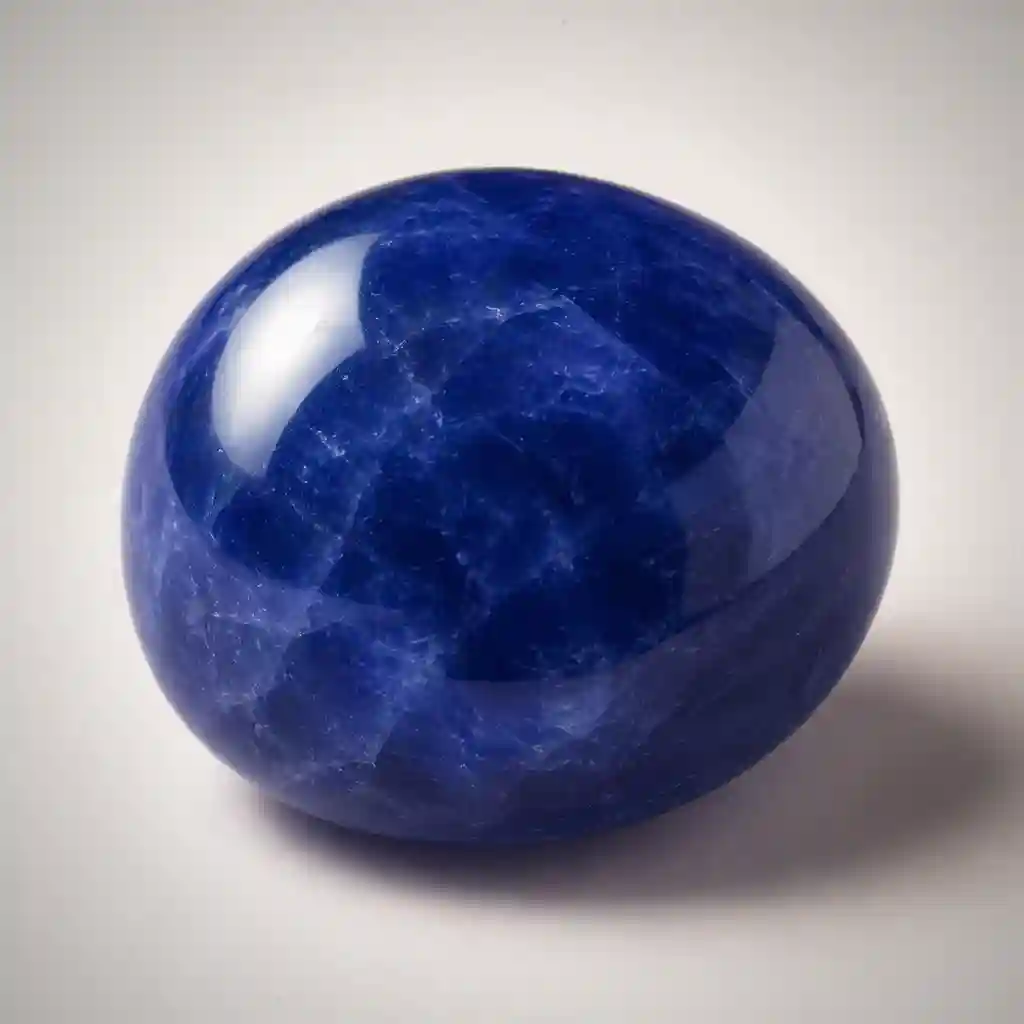
Sapphire is the stone of wisdom — a precious blue corundum that quiets mental noise, sharpens intuition, and has been worn by royalty for thousands of years.
People seeking mental clarity, Virgos and Libras, students and scholars, and anyone facing an important decision that needs a clear head
“My mind is quiet enough to hear what I already know. I trust my insight and speak honestly.”
Rinse under cool running water; charge in moonlight overnight; smudge with sage; brief sunlight exposure is safe
Sapphire Quick Answers
What is Sapphire good for?
Sapphire is called the "Stone of Wisdom" because it sharpens mental clarity and quiets the noise that gets in the way of clear thinking. It supports intuition, spiritual insight, honest communication, loyalty, and protection from negativity. People also use it to calm an overactive mind and to build the kind of sustained concentration that studying, meditating, or problem-solving demands.
Are Sapphires only blue?
No. Blue is the most famous, but Sapphires come in almost every color except red, which is classified as Ruby. These other colors are called "fancy Sapphires" and include pink, yellow, green, purple, orange, color-changing varieties, and the rare padparadscha, a pink-orange shade named after the lotus flower. Each color carries the same core Sapphire properties of wisdom and protection, with an added color-specific quality: yellow is associated with prosperity, pink with emotional healing, green with heart-centered wisdom, and so on.
What is the Meaning & History of Sapphire?
Core Meaning
The Stone of Wisdom, Royalty, and Divine Favor — Sapphire is called the "Stone of Wisdom" because of what it does to the mind: it quiets the chatter and lets deeper knowing come through. It works with the Third Eye and Throat Chakras, so it supports both receiving insight and actually saying it out loud. Its energy is cool and unhurried. It does not force anything. It makes the space for truth to become visible on its own.
Historical & Cultural Significance
Sapphire has been treasured across civilizations for thousands of years. Ancient Persians believed the sky was blue because it reflected off a giant Sapphire holding up the Earth. In Greece and Rome, Sapphire was tied to Apollo and worn when visiting oracles. The Bible mentions it six times, including as one of the stones in the High Priest's breastplate. King Solomon supposedly wore a Sapphire ring that gave him power over demons. Through the Middle Ages, clergy wore Sapphire rings as a symbol of heaven, and the stone became traditional for blessing new churches. The tradition of Sapphire engagement rings goes back to the 14th century in European royal families.
Symbolism
- ✦Wisdom — the calm, clear knowing that comes when mental noise settles
- ✦Royalty — the "Stone of Kings" associated with rightful authority and noble character
- ✦Fidelity and commitment — the traditional engagement ring stone for lasting love
- ✦Spiritual devotion — clergy wore it to symbolize the soul's connection to heaven
- ✦Mental clarity — the focused blue ray represents undistorted perception
- ✦Protection — shielding against envy, harm, and negative spiritual influence
Folklore & Legends
Medieval Europeans believed a Sapphire amulet could cure snakebites and ward off witchcraft. The Sinhalese people of Sri Lanka told stories of Sapphires falling from the sky during celestial events. Burmese warriors wore Sapphire believing it made them invulnerable in battle. In Vedic astrology, Blue Sapphire is tied to Saturn (Shani) and is considered one of the most powerful and potentially volatile karmic stones. It is supposed to be prescribed carefully by an experienced astrologer, because the wrong person wearing it can apparently bring trouble on themselves fast.
Geological Profile
Formation Process
Sapphire is a variety of corundum (aluminum oxide) that forms in metamorphic and igneous rocks under high temperature and pressure. The blue color comes from trace iron and titanium substituting for aluminum in the crystal lattice. Corundum crystallizes in the trigonal system, forming hexagonal prisms and bipyramids. At hardness 9 on the Mohs scale, Sapphire is exceptionally durable, second only to diamond. Sapphires found in alluvial deposits have been carried from their original host rock by water and weathering, often ending up as water-worn pebbles.
Varieties
Blue Sapphire
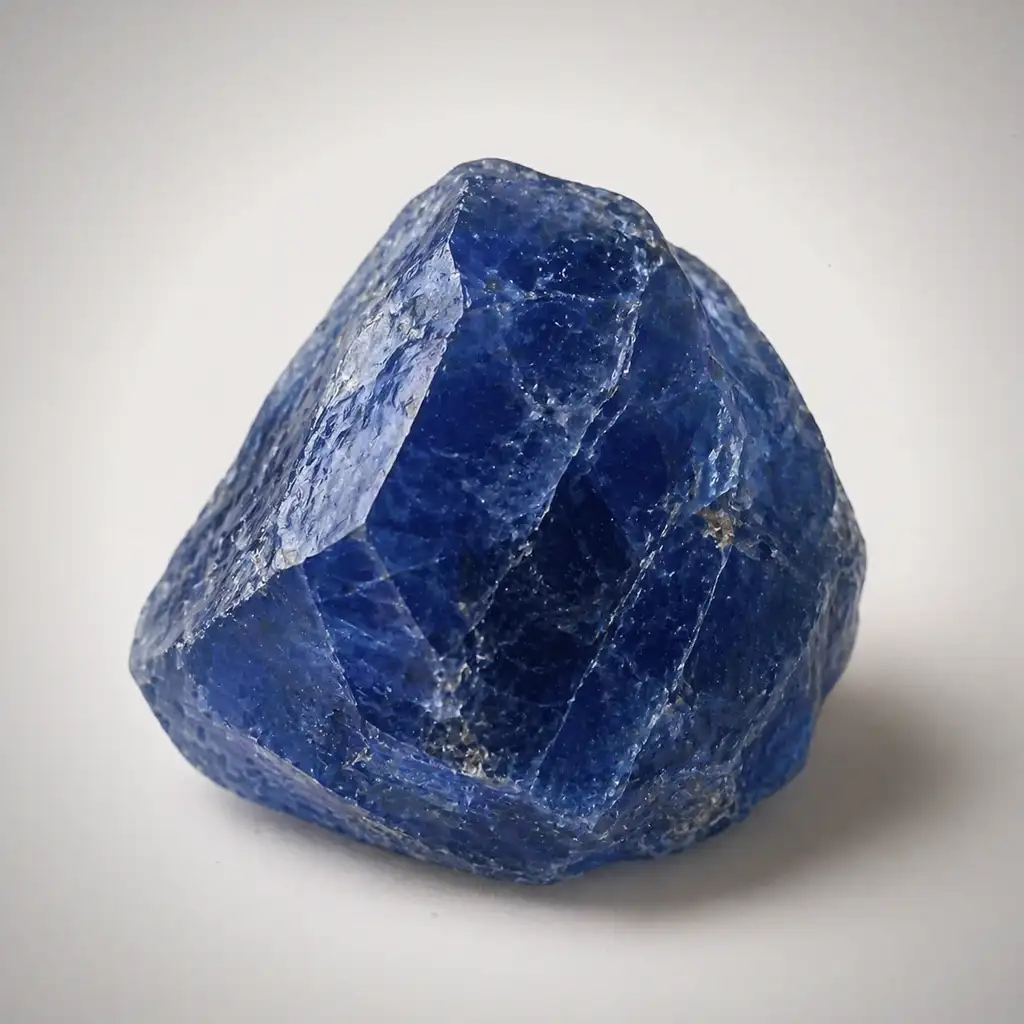
The classic and most valuable variety, ranging from pale cornflower to deep royal blue. The most prized shade is a medium-dark velvety blue often called "Kashmir blue" or "cornflower blue."
Padparadscha Sapphire
An extremely rare pink-orange variety named after the Sinhalese word for lotus blossom. Found mostly in Sri Lanka and Madagascar, it commands some of the highest per-carat prices of any colored gemstone.
Fancy Sapphire (Yellow, Pink, Green)
Sapphires in colors other than blue, each colored by different trace elements. Yellow comes from iron, pink from chromium, green from iron and magnesium. They all carry Sapphire's core wisdom energy, with a color-specific accent.
Notable Origins
Sri Lanka (Ceylon)
One of the oldest sources of fine Sapphires, producing stones in a wide range of colors including the legendary padparadscha. Sri Lankan Sapphires are known for their bright, medium-tone brilliance and excellent clarity.
Myanmar (Burma)
Produces highly prized deep blue Sapphires with a rich, intense saturation. Burmese Sapphires from the Mogok Valley are considered among the world's finest, rivaling Kashmir stones in quality.
Kashmir, India
The most legendary Sapphire source, producing stones with a unique cornflower blue color and a velvety, almost sleepy quality. Kashmir mines were largely depleted by the early 20th century, making these Sapphires extraordinarily rare and valuable.
Mineral data verified via Mindat.org
Physical Properties
| Hardness | 9 on the Mohs scale |
| Chemical Formula | Al₂O₃ |
| Crystal System | Hexagonal (Trigonal) |
| Primary Color | Blue |
| Origin | Sri Lanka, Myanmar, Madagascar, Thailand, Australia |
| Transparency | Transparent to translucent |
| Luster | Vitreous to adamantine |
| Specific Gravity | 3.95-4.03 |
What Are the Healing Properties of Sapphire?
Emotional & Mental Well-being
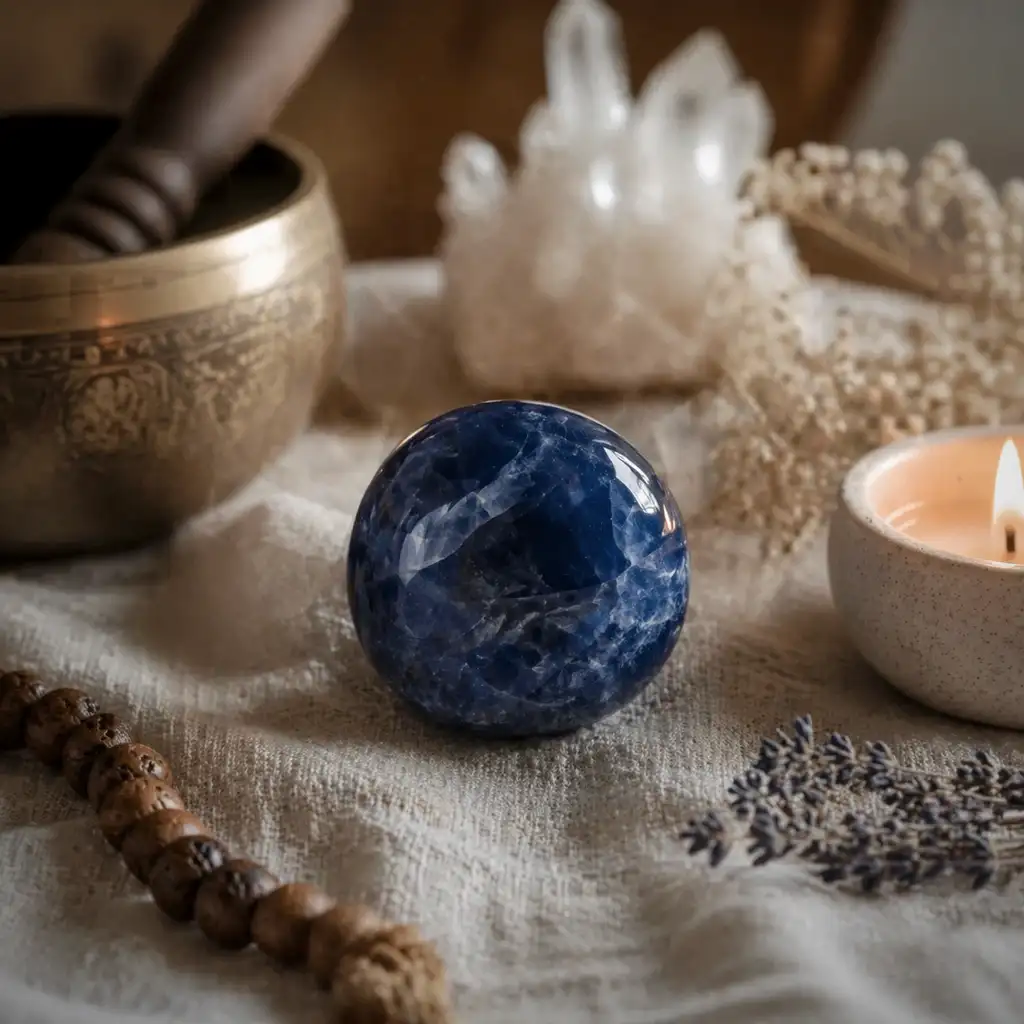
Sapphire calms you down in a way that feels like your thoughts finally have room to breathe.
- ◆It is particularly useful for people caught in excessive worry, overthinking, or the kind of anxiety that comes from a mind that will not stop racing.
- ◆The stone's cool energy helps cut through emotional noise so you can respond to situations from a centered place instead of reacting blindly.
- ◆It encourages emotional maturity — owning your feelings without drowning in them.
- ◆For relationship difficulties, Sapphire supports honest self-reflection, loyalty, and the clarity to know when to hold on and when to let go.
- ◆Some practitioners recommend it for depression rooted in a sense of meaninglessness, because it has a way of reconnecting you to why things matter.
Spiritual Properties
Sapphire has been used in spiritual practice for millennia.
- ◆It opens the Third Eye, which is why it is associated with clairvoyance, prophetic dreams, and direct perception of spiritual truth.
- ◆Mystics and seers have used it to access the Akashic Records and receive guidance.
- ◆What makes Sapphire unusual is that it creates a calm, clear inner space where insights can surface without getting distorted by ego or wishful thinking.
- ◆It works particularly well for contemplative meditation, where the mind needs to stay focused but also receptive.
- ◆In energy healing, Sapphire is used to align the Third Eye and Throat Chakras, so that whatever spiritual insight comes through can actually be communicated to others clearly and honestly.
Physical Healing Traditions
In traditional crystal healing, Sapphire is associated with the eyes, ears, and thyroid.
- ◆It is said to lower fever, reduce inflammation, and ease nosebleeds.
- ◆Some practitioners use it to support the nervous system during periods of heavy mental work, to help prevent burnout.
- ◆The stone is also traditionally linked to blood purification and healthy blood pressure.
- ◆Its calming energy is recommended for tension headaches and migraines, especially ones triggered by eye strain or too much screen time.
Note: These properties are based on metaphysical traditions and are not a substitute for medical advice.
What Science Says
Sapphire is well-characterized mineralogically as corundum (Al2O3) with a hardness of 9, making it one of the hardest natural materials on Earth.
- ◆The blue color is scientifically attributed to charge transfer between iron (Fe2+) and titanium (Ti4+) ions substituting for aluminum in the crystal lattice.
- ◆Heat treatment to improve color and clarity is so standard in the gem trade that untreated natural Sapphires carry a significant premium.
- ◆Metaphysical claims aside, Sapphire is valued in the gem industry for its durability, optical properties, and the precision with which its color can be analyzed using spectroscopy.
Which Chakras Does Sapphire Connect To?
Which Zodiac Signs Match Sapphire?
How Do You Use Sapphire?
Meditation
Place Sapphire on your Third Eye (between the eyebrows) during meditation. Focus on the stone's cool, blue quality and let your breathing slow down on its own. For a wisdom-focused session, pose a question silently and then just sit with it, letting the stone create the conditions for an intuitive answer to surface. The waning moon is a particularly good time for this kind of introspective work.
Daily Wear
Wear Sapphire as a pendant near the throat for better communication and self-expression, or as a ring to keep wisdom and protection energy with you through the day. Sapphire engagement rings are beautiful and practical, since hardness 9 holds up to daily life. Students and professionals often wear Sapphire during study sessions or important meetings for clearer thinking and better judgment.
Home Placement
Place Sapphire in your study, library, or office for better focus and clearer thinking. On your nightstand, it supports restful sleep and may encourage more vivid dreams. In shared living spaces, Sapphire promotes honest communication and helps resolve conflicts calmly. For Feng Shui, the northeast sector of your home (knowledge and self-cultivation) is the traditional placement.
Crystal Grids
Use Sapphire as the center stone in a grid for wisdom, truth, or spiritual protection. Pair it with Lapis Lazuli for stronger Third Eye activation, Sodalite for logical clarity, and Clear Quartz to amplify the whole formation. For a protection grid, combine Sapphire with Black Tourmaline and Hematite for a calm, grounded kind of shielding.
How Do You Cleanse & Charge Sapphire?
Moonlight Bathing
RecommendedRunning Water
RecommendedSmudging
RecommendedSunlight Charging
RecommendedMoon Phase Charging: Charge Sapphire under the full moon to amplify intuition and wisdom, or during the new moon for fresh insight and mental clarity. The waning moon is especially good for Sapphire work focused on letting go of mental habits that are not helping you anymore. Place the stone in direct moonlight overnight on a windowsill or altar.
Avoid the following:
- ✗Salt water — salt can damage fracture-filled or treated Sapphires and may affect metal settings
- ✗Ultrasonic cleaners — should be avoided for fracture-filled or heavily included Sapphires
- ✗Steam cleaning — can damage filled Sapphires or cause thermal shock in included stones
- ✗Harsh chemical cleaners — ammonia and bleach can degrade fracture-filling treatments
- ✗Rapid temperature changes — thermal shock can fracture stones with internal inclusions
What Crystals Pair Well with Sapphire?
Best Combinations
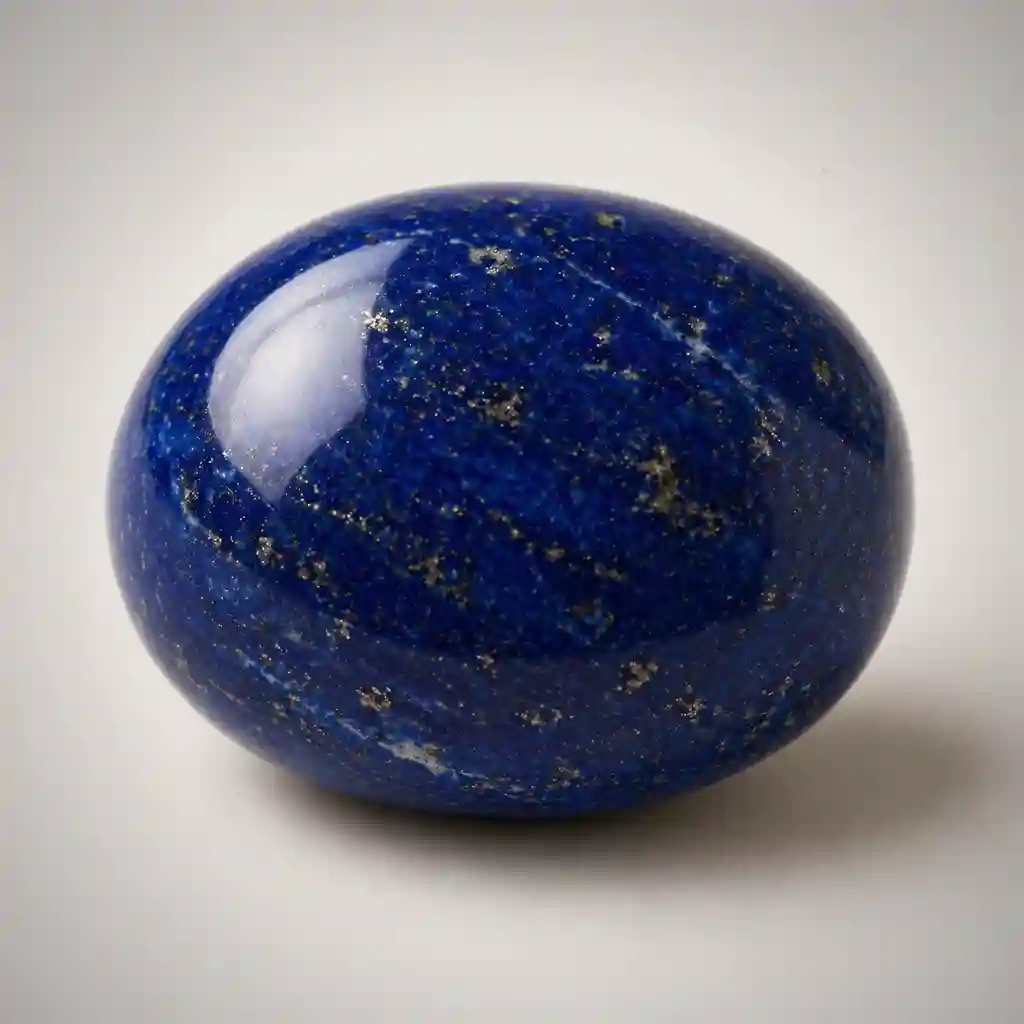
Lapis Lazuli
Lapis Lazuli deepens Sapphire's Third Eye activation with its own ancient, royal quality — together they are a strong pair for spiritual insight and honest expression
Clear Quartz
Clear Quartz amplifies Sapphire's focused wisdom energy and is useful for programming a specific intention into the stone
Moonstone
Moonstone brings intuitive, lunar energy that softens Sapphire's structured focus — together they balance the analytical mind with a more intuitive kind of knowing
Combinations to Approach with Caution
If You Like Sapphire, Also Try
How Can You Tell if Sapphire is Real or Fake?
Common Imitations
Identification Tests
1.Hardness Test
Try to scratch the specimen with a steel knife or piece of glass (hardness ~5.5), and then try to scratch a piece of glass with the specimen.
Genuine Sapphire (hardness 9) will easily scratch glass and cannot be scratched by a knife or steel file. Glass imitations will be scratched by steel. Only diamond and moissanite can scratch Sapphire.
2.Magnification Test
Examine the stone under 10x magnification with a jeweler's loupe, looking for internal characteristics.
Natural Sapphires contain characteristic inclusions: silk (fine rutile needles), color zoning, fingerprint inclusions, and natural growth lines. Synthetic Sapphires show curved growth lines, gas bubbles, or perfect uniformity that looks too clean.
3.Refractive Index Test
Use a refractometer to measure the stone's refractive index.
Sapphire has a refractive index of 1.762-1.770. This is a definitive test that distinguishes Sapphire from glass (1.5), spinel (1.72), and tanzanite (1.69). A gemologist or jeweler can perform this test.
Price Reference
Small
$20-100
Medium
$100-500
Large
$500-10,000+
Prices vary enormously based on color, clarity, origin, and treatment status. Untreated Kashmir Sapphires can exceed $50,000 per carat. Lab-created Sapphires are significantly less expensive ($5-50 per carat) but have identical chemical composition.
Is Sapphire Safe? Care & Precautions
Toxicity Warning
Sapphire (corundum) is non-toxic and chemically inert. It is completely safe for handling, wearing, and all standard crystal healing practices.
Storage
Sapphire is one of the most durable gemstones (hardness 9) and can be stored with most other crystals without risk of damage. However, avoid storing it with diamonds (hardness 10) or other Sapphires/Rubies, as they can scratch each other. A soft cloth pouch is ideal for loose specimens.
Special Warnings
- ⚠Some Sapphires are fracture-filled with glass or resin to improve clarity — these require special care and should not be exposed to heat or chemicals
- ⚠Be aware that the vast majority of commercial Sapphires are heat-treated — disclose treatment status when selling or gifting
What is Sapphire Best For?
Sapphire FAQ — Common Questions Answered
What is Sapphire good for?+
Sapphire is called the "Stone of Wisdom" because it sharpens mental clarity and quiets the noise that gets in the way of clear thinking. It supports intuition, spiritual insight, honest communication, loyalty, and protection from negativity. People also use it to calm an overactive mind and to build the kind of sustained concentration that studying, meditating, or problem-solving demands.
Are Sapphires only blue?+
No. Blue is the most famous, but Sapphires come in almost every color except red, which is classified as Ruby. These other colors are called "fancy Sapphires" and include pink, yellow, green, purple, orange, color-changing varieties, and the rare padparadscha, a pink-orange shade named after the lotus flower. Each color carries the same core Sapphire properties of wisdom and protection, with an added color-specific quality: yellow is associated with prosperity, pink with emotional healing, green with heart-centered wisdom, and so on.
Why are Sapphires used in engagement rings?+
Sapphires have been the engagement ring stone of European royalty for centuries because they represent fidelity, wisdom, and love that holds up over time, not just the fiery early stages. The most famous modern example is Princess Diana's (now Kate Middleton's) ring. They are also practical: with a hardness of 9, they resist scratching and everyday wear better than most gemstones. A Sapphire engagement ring is a meaningful alternative to diamond with real history behind it.
How does Sapphire enhance Virgo through the Third Eye?+
Sapphire works primarily through the Third Eye, where its cooling, focusing energy quiets mental noise and makes space for genuine insight. Virgo — the analytical, detail-oriented sign it is a birthstone for — tends to get caught in anxious overthinking loops. Sapphire helps redirect that mental precision away from worry and toward something more useful. It turns Virgo's natural attention to detail from a source of anxiety into a genuine strength.
Where are the finest Sapphires found?+
Sri Lanka (formerly Ceylon) has been producing excellent blue and fancy-color Sapphires for over 2,000 years and is still one of the most important sources. Myanmar (Burma) produces richly saturated deep blue stones, and Madagascar has become a major source for fine blue and pink material. Kashmir, in the Himalayas, produced the legendary "cornflower blue" Sapphires that are now the most valuable of all, though those mines are largely played out. With a hardness of 9, second only to diamond, Sapphire holds up beautifully to daily wear.
Was this helpful?