Why Cleanse Your Crystals?
Crystals are energetic sponges. Throughout their journey — from the earth where they formed, to the hands that mined them, to the shop where you found them — they absorb the energy of every person, place, and experience they encounter. Over time, this accumulated energy can dampen the crystal's natural vibration and reduce its effectiveness.
Cleansing is the process of clearing away stagnant or unwanted energy and restoring the crystal to its pure, natural state. Think of it like wiping a mirror — the cleaner the surface, the more clearly it can reflect light. A cleansed crystal is more potent, more responsive to your intentions, and more effective in healing and spiritual work.
Regular cleansing is especially important for crystals used in emotional healing, protection, or any practice where the stone is actively absorbing negative energy. Crystals worn daily as jewelry or carried in pockets also benefit from frequent cleansing.
On a structural level, crystals are defined by their orderly atomic lattice — a repeating geometric pattern that gives each mineral its unique properties. In quartz, for example, silicon and oxygen atoms lock into a precise hexagonal framework that vibrates at a remarkably stable frequency. This is why quartz powers watches and electronics. In metaphysical practice, practitioners believe that this same orderly structure can hold, conduct, and amplify subtle energy — and that disruptions to its energetic coherence, whether from handling, environmental stress, or emotional residue, can diminish its effectiveness. Cleansing, in this view, is a way of “resetting” the crystal back to its natural vibrational baseline, much like re-tuning an instrument before a performance.
The practice of cleansing sacred objects is far from new. Ancient Egyptian priests purified lapis lazuli, carnelian, and turquoise with natron salt and incense smoke before placing them in tombs and temples, believing these stones carried the favor of the gods. In Hindu tradition, gemstones have been ritually cleansed with Ganges water, milk, and mantra for thousands of years — a practice still followed before wearing a new astrological gem. Indigenous cultures across the Americas have long used sage, sweetgrass, and cedar smoke to purify both people and ceremonial objects, including stones used in healing and prayer. Across these traditions, the common thread is clear: sacred objects are cared for, refreshed, and honored through intentional cleansing rituals.
Cleansing vs Charging vs Programming
These three terms are often used interchangeably, but they describe distinct steps in working with your crystals. Understanding the difference helps you get the most from every stone in your collection.
Cleansing
Cleansing removes unwanted or stagnant energy that a crystal has absorbed. Think of it as wiping a slate clean. After cleansing, the crystal is in a neutral, refreshed state — free of the energetic imprint of previous handlers, environments, or emotional work. Cleansing should always be your first step, especially with newly acquired stones.
Charging
Charging restores and amplifies a crystal's natural energy after it has been cleansed. Some methods — like moonlight bathing or placing a stone on a Selenite charging plate — cleanse and charge simultaneously. Others, like smudging, primarily cleanse and benefit from a separate charging step. Sunlight, moonlight, earth energy, and crystal clusters are all popular charging methods. The key distinction is that cleansing clears away, while charging fills back up.
Programming
Programming (sometimes called “intention setting”) is the act of directing a crystal's energy toward a specific purpose — protection, love, abundance, clarity, or any goal that aligns with the stone's natural properties. After cleansing and charging, hold the crystal in your hands, quiet your mind, and clearly state or visualize your intention. This step is optional but powerful. It creates a focused partnership between you and the stone, and many practitioners find that programmed crystals produce more noticeable results. The recommended order is always: cleanse first, then charge, then program.
Cleansing Methods
There are many ways to cleanse your crystals, each with its own strengths. Choose the method that resonates with you and is appropriate for the type of crystal you are working with.
1. Smudging
Smudging is one of the oldest and most widely practiced methods of energy cleansing, rooted in Indigenous traditions around the world. The smoke from sacred herbs purifies the crystal's energy field and is universally safe for every type of stone.
How to: Light a bundle of white sage, palo santo, or sweetgrass. Let the flame catch for a few seconds, then gently blow it out so the herb smolders and produces a steady stream of smoke. Hold your crystal in the smoke for 30-60 seconds, rotating it slowly to expose every surface — front, back, base, and any pointed tips. As you work, visualize or quietly state your intention for cleansing. You can also use a feather to waft the smoke over larger specimens or crystal grids.
Best for: All crystals without exception. Especially effective for Black Tourmaline, Obsidian, Hematite, and other stones used in protection and grounding work. Smudging is the safest choice when you are unsure about a crystal's hardness or chemical sensitivity.
Timing: Any time of day or night. A full cleansing session takes about 5 minutes for a small collection. Smudge during the new or full moon for added potency.
Caution: Ensure proper ventilation. Some people are sensitive to sage smoke. Palo santo offers a gentler, sweeter alternative. If you have respiratory concerns, consider sound healing instead.
2. Moonlight Bathing
Moonlight is a gentle, nurturing cleansing energy that works especially well with stones connected to intuition, emotion, and the divine feminine. The full moon is the most potent time for this method, but any moon phase provides a soft, non-damaging cleanse.
How to: Place your crystals on a windowsill, balcony, or garden in a safe spot where they will receive direct moonlight. Arrange them on a natural surface — a wooden tray, cloth, or large Selenite slab works beautifully. Leave them overnight, ideally from dusk to dawn during the full moon. If you are placing them outside, make sure they are protected from morning dew or rain, especially if they are water-sensitive stones.
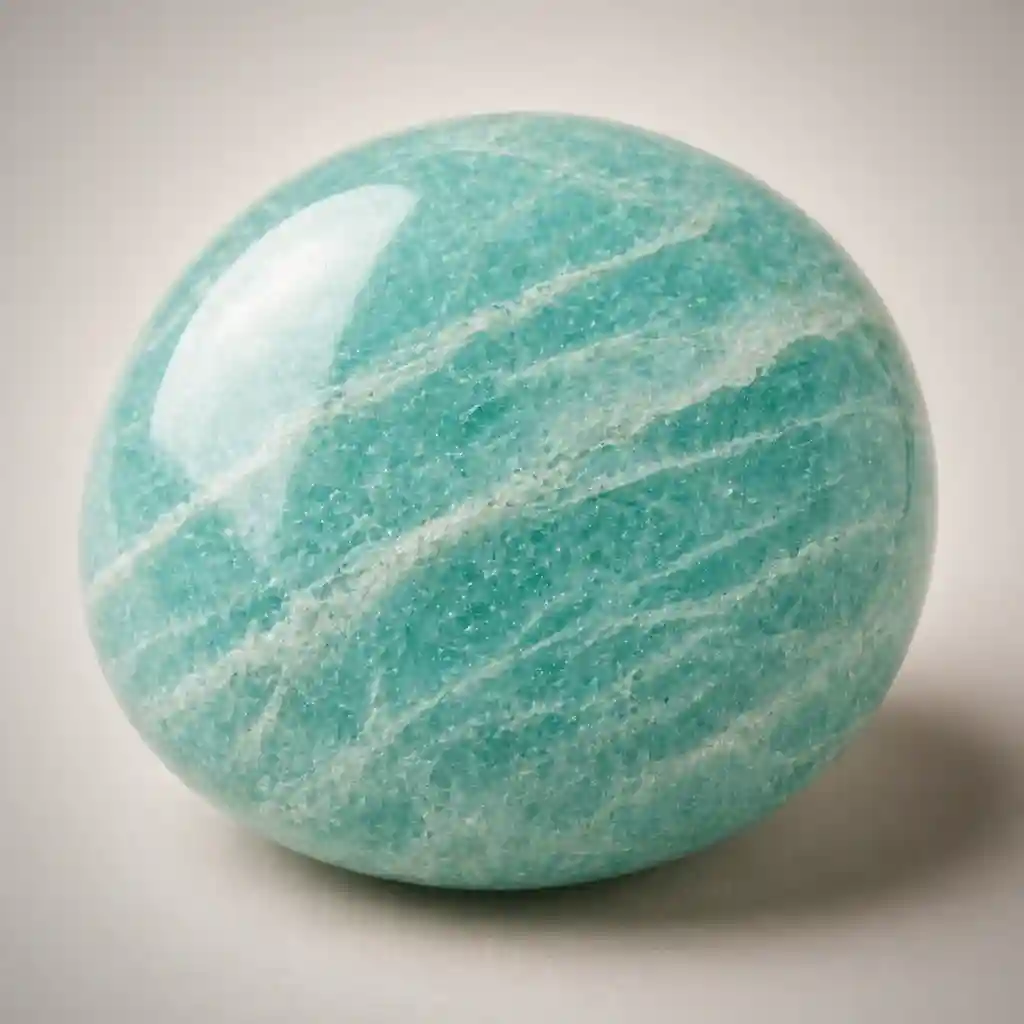
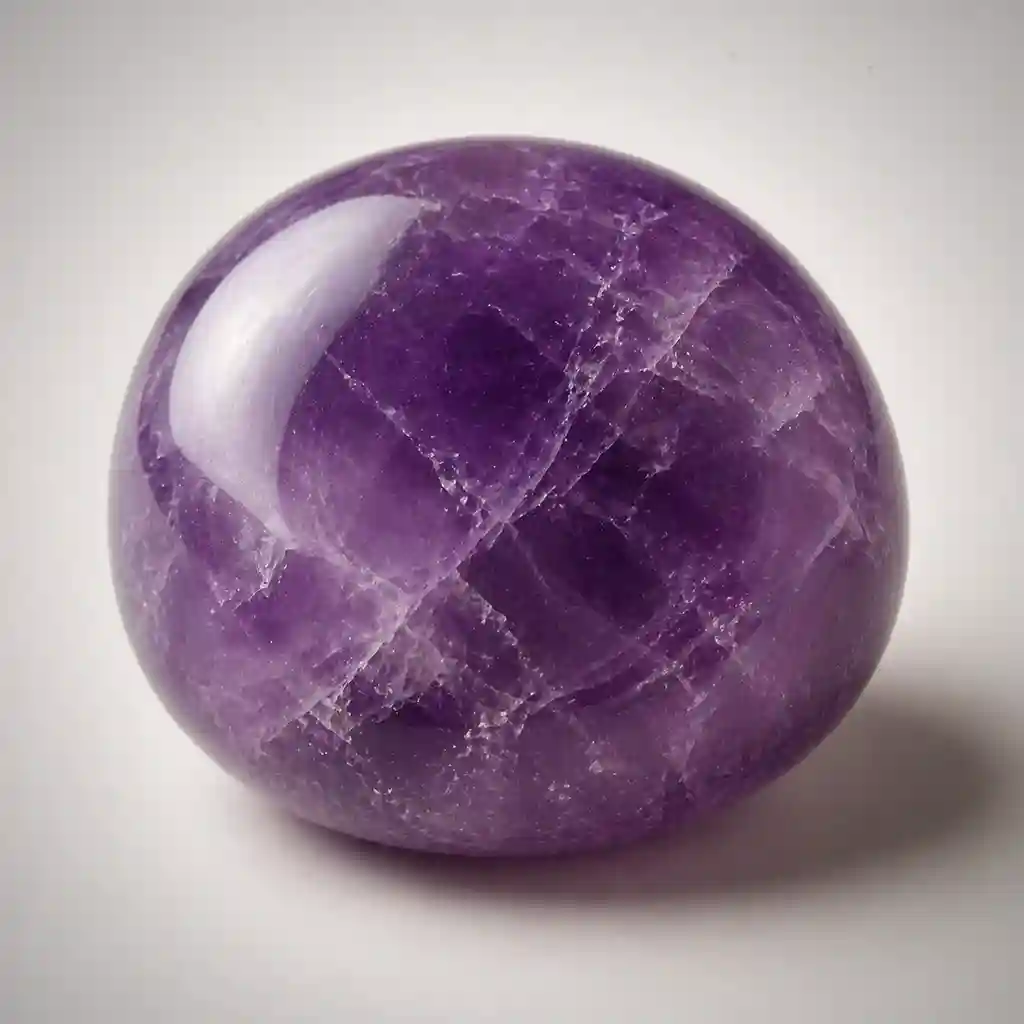
Best for: Moonstone, Selenite, Amethyst, Rose Quartz, Labradorite, Lepidolite, Aquamarine, and all crystals associated with the water element or the divine feminine. Moonlight bathing is one of the few methods that simultaneously cleanses and charges, making it wonderfully efficient.
Timing: The full moon is ideal, but the waxing moon (first quarter to full) is also effective. For a lighter cleanse, any clear night works. Allow 6-8 hours of exposure for best results.
Bonus: This method also charges your crystals with lunar energy. Many practitioners combine moonlight bathing with intention setting — writing their goals on paper and placing them under the crystals overnight.
3. Sound Healing
Sound vibrations break up stagnant energy and restore a crystal's natural frequency. This method is non-invasive and safe for all types of crystals, making it ideal for fragile, water-soluble, or sensitive specimens that cannot tolerate other approaches.
How to: Choose your sound tool — a Tibetan singing bowl, crystal singing bowl, tuning fork (432 Hz or 528 Hz are popular), brass bell, tingsha cymbals, or even your own voice with a sustained “om.” Place the crystal near the sound source and produce a clear, sustained tone for 1-2 minutes. The vibration passes through the stone and clears stagnant energy. For a singing bowl, you can place smaller crystals directly inside the bowl. For larger specimens, circle the bowl around the stone while playing it.
Best for: All crystals, especially delicate or water-soluble stones like Selenite, Halite, Calcite, and Kyanite. Sound is also the best choice for cleansing large clusters or geodes that are difficult to move.
Timing: Any time. A single session of 1-2 minutes per crystal is usually sufficient. You can also cleanse an entire collection at once by playing a singing bowl in the room where they are displayed.
Tip: A Selenite singing bowl is particularly effective — it cleanses and charges simultaneously. Crystal singing bowls tuned to specific notes can target individual chakras if you are doing focused energy work.
4. Running Water
Water is a universal cleanser found in virtually every spiritual tradition. Natural running water — like a stream, spring, or waterfall — carries away negative energy while the mineral-rich water can also subtly charge the stone. This method is deeply grounding and connects the crystal back to the earth's natural cycles.
How to: Hold the crystal under running water for 1-2 minutes, turning it gently so all surfaces are rinsed. A natural stream is ideal, but tap water works well too. As the water flows, visualize it washing away any impurities or stagnant energy, carrying them downstream and out of the stone. Pat the crystal dry with a soft cloth afterward. For a deeper cleanse, you can add a pinch of sea salt to the rinse water — but only for hard, non-porous stones.
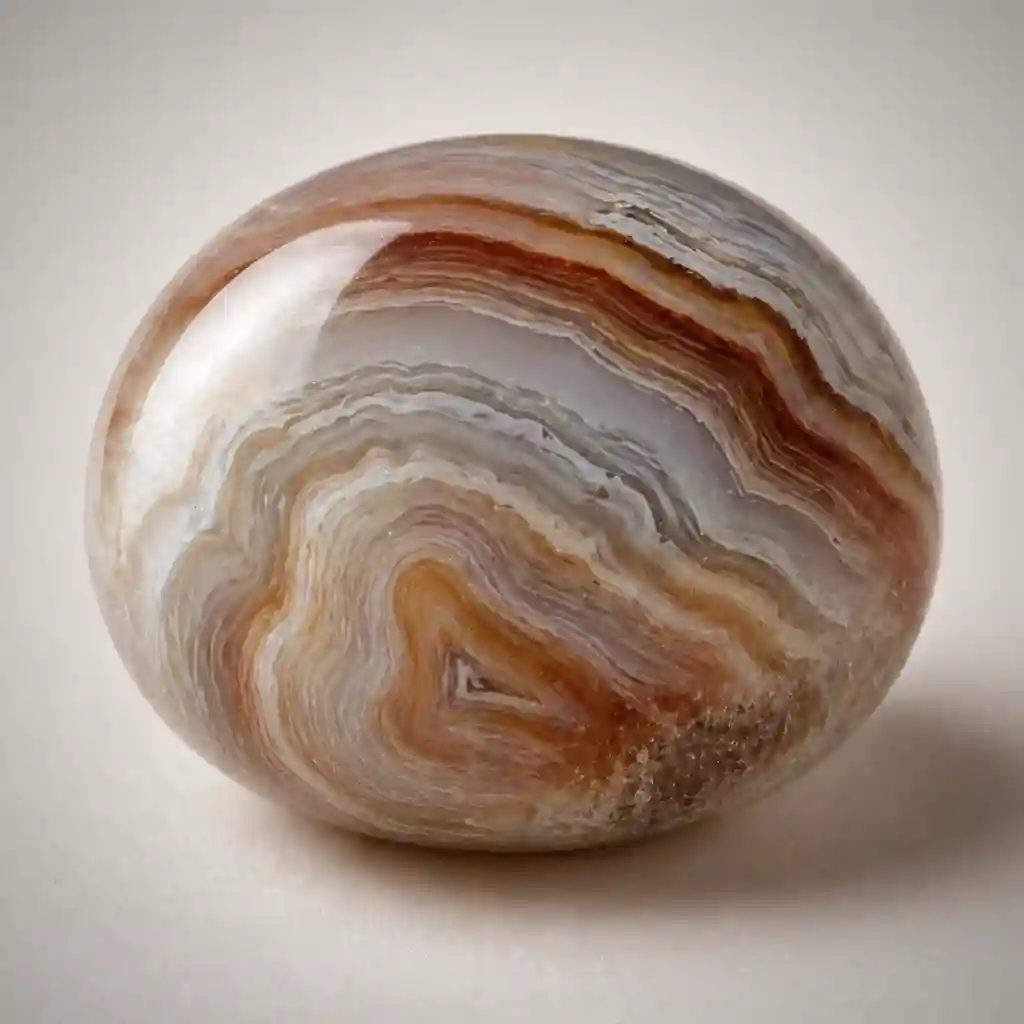
Best for: Hard stones with Mohs hardness of 6 or above — Clear Quartz, Amethyst, Smoky Quartz, Citrine, Jasper, Agate, Aventurine, Tiger's Eye, and Garnet. River-tumbled stones and pebbles respond particularly well since water is their natural element.
Timing: Any time. Morning is traditional in many cultures. Avoid using hot water, which can cause thermal shock and crack certain stones. Cool or lukewarm water is always safest.
Caution: Never use water with soft, porous, or water-soluble stones like Selenite, Halite, Calcite, Malachite, Lapis Lazuli, Fluorite, or Angelite. Some crystals contain toxic minerals (such as copper in Chrysocolla or sulfur in Pyrite) that can leach into water — do not use drinking water sources for these stones.
5. Salt & Earth
Salt has been used for purification across cultures for millennia — from Roman offerings to Buddhist temple rites to European folk traditions. Burial in earth or salt draws out impurities and returns the crystal to a deeply grounded, neutral state. These methods are among the most thorough cleanses available.
Salt method: Fill a bowl with dry sea salt, Himalayan pink salt, or fine kosher salt. Gently place your crystal on top or partially bury it in the salt. Leave it overnight (8-12 hours). In the morning, remove the crystal, brush off any salt residue, and discard the used salt — it has absorbed the unwanted energy and should not be reused. For a gentler approach, place the crystal on a cloth or paper towel over the salt rather than in direct contact.
Earth method: Bury your crystal in the earth — a garden bed, a forest floor, or a pot of clean, natural soil — for 24 to 48 hours. Mark the spot so you can find it again. This deeply grounds and neutralizes the stone's energy by returning it to the source from which it came. Earth burial is especially effective after intense emotional or energetic work.
Best for: Hard, non-porous crystals — Quartz varieties, Jasper, Agate, Obsidian, Garnet, Ruby, and Sapphire. These methods are ideal when a crystal has been through particularly heavy or prolonged energy exposure.
Timing: Salt baths need 8-12 hours (overnight). Earth burial needs 24-48 hours for a full reset. Both methods are excellent during the new moon, a time traditionally associated with release and renewal.
Caution: Avoid salt water, which can damage many crystals. Use dry salt only. Coarse salt grains can scratch softer stones — use fine salt or a barrier cloth for stones below Mohs hardness 5. Do not use salt with Hematite (it can cause rusting), Pyrite (it can degrade), or any polished or treated stones where the finish might be affected.
Cleansing by Crystal Type
Not all cleansing methods are safe for all crystals. The wrong method can damage, discolor, or even dissolve certain stones. Use this reference chart to find the safest approach for every crystal in your collection.
| Crystal Type | Safe Methods | Avoid |
|---|---|---|
| Hard stones (Quartz, Amethyst, Citrine, Jasper, Agate, Tiger's Eye, Garnet) | All methods are safe | None — these are the most resilient crystals |
| Soft stones (Calcite, Fluorite, Apatite, Kyanite) | Smudging, Moonlight, Sound | Salt (may scratch), rough handling in water |
| Water-soluble (Selenite, Halite, Himalayan Salt Crystal) | Smudging, Moonlight, Sound | Water (will dissolve or degrade), humid environments |
| Porous / reactive (Malachite, Lapis Lazuli, Turquoise, Howlite) | Smudging, Moonlight, Sound | Water (can stain or degrade), Salt (may cause surface damage) |
| Fade-prone (Amethyst, Rose Quartz, Citrine, Kunzite, Aquamarine, Fluorite) | Smudging, Moonlight, Sound, Water, Salt/Earth | Prolonged direct sunlight (charging in sunlight can cause fading over time) |
| Metallic / oxidizing (Hematite, Pyrite, Magnetite) | Smudging, Moonlight, Sound | Water and Salt (can cause rust, tarnish, or degradation) |
| Polished / tumbled stones | Smudging, Moonlight, Sound, Water (quick rinse) | Prolonged salt exposure (can dull the polish) |
| Crystal clusters & geodes | Sound, Smudging, Moonlight | Water (hard to dry between points, can cause internal damage), Salt (gets trapped between crystals) |
When in doubt, smudging and sound healing are universally safe for every crystal type. These two methods should be your default if you are ever uncertain about a stone's sensitivity.
When to Cleanse Your Crystals
- ◆When you first acquire them — Clear the energy from previous handlers, shipping environments, and shop displays. This is non-negotiable, even for gifts or stones passed down through family.
- ◆After heavy emotional or healing work — Crystals absorb the energy they help process. After an intense meditation, Reiki session, or emotional release, give the stone a thorough cleanse.
- ◆After someone else touches them — Other people's energy can transfer to your stones. If a curious friend picks up your favorite crystal, a quick smudge is a good idea.
- ◆When they feel “heavy” or dull — Trust your intuition; if a crystal doesn't feel right or seems less vibrant, it likely needs attention.
- ◆After illness or emotional distress — If you or someone in your household has been sick, crystals in the space may have absorbed heavy energy. Likewise, after arguments or periods of stress, a cleansing reset helps restore harmony.
- ◆Before and after rituals or ceremonies — Cleansing before ensures a clean energetic slate; cleansing after clears any energy that was released during the working.
- ◆When changing their purpose — If you are repurposing a protection stone for love work, cleanse it first to clear the old intention before setting a new one.
- ◆During the full moon — A natural rhythm that enhances the cleansing and charging process. Many practitioners make this a monthly ritual.
Recommended Cleansing Frequency
| How You Use Your Crystal | Recommended Frequency | Best Method |
|---|---|---|
| Worn daily as jewelry | Weekly | Smudging or sound |
| Carried in pocket or bag | Weekly to biweekly | Smudging or moonlight |
| Used in meditation or healing sessions | After each session | Sound or smudging |
| Displayed on an altar or shelf | Monthly or at each full moon | Moonlight or sound |
| Protection stones near entryways | Every 2-4 weeks | Smudging or earth burial |
| Grid crystals (active grid) | When dismantling or monthly | Sound (ideal for full-grid cleansing) |
| Newly acquired | Immediately upon receiving | Any method safe for the stone type |
Pro Tips
Intention Matters
Whatever method you choose, set a clear intention for cleansing. Your focused awareness amplifies the process and strengthens your bond with the crystal. Before you begin, take a breath, hold the stone, and silently or aloud state your purpose — “I cleanse this crystal of all stagnant energy and restore it to its natural vibration.”
Research Your Stone
Always check whether your crystal is water-safe, salt-safe, or fade-prone before choosing a cleansing method. A quick check of the Mohs hardness scale and the stone's chemical composition can prevent costly damage. When in doubt, use sound or smudging — these are universally safe.
Cleansing vs. Charging
Cleansing clears unwanted energy; charging restores and amplifies the crystal's natural properties. After cleansing, charge your crystal with sunlight, moonlight, or by placing it on a Selenite charging plate. Think of cleansing as emptying a cup and charging as refilling it with fresh water.
Trust Your Intuition
There is no single “right” way to cleanse crystals. The best method is the one that feels right to you and honors both the crystal and your personal practice. If a particular approach resonates deeply, trust that instinct — your connection to the stone is uniquely yours.
Program After Cleansing
The moments right after cleansing, when a crystal is energetically fresh and clear, are the ideal time to set a new intention or program the stone. Hold it in your receiving hand (typically your non-dominant hand), breathe deeply, and focus on your goal. Visualize the intention flowing into the crystal like light. This creates a focused partnership between you and the stone that deepens with each use.
Create a Cleansing Ritual
Turning cleansing into a ritual, rather than a chore, transforms the experience. Light a candle, play soft music, and set aside a dedicated space. Many practitioners align their cleansing with the lunar cycle — smudging on the new moon for release, and moonlight bathing on the full moon for renewal. A consistent ritual builds a rhythm that both you and your crystals will respond to over time.
Common Mistakes to Avoid
Even experienced collectors make these errors. First, never soak water-soluble stones — even a quick dip can damage Selenite or Halite beyond repair. Second, do not leave fade-prone crystals like Amethyst, Rose Quartz, or Kunzite in direct sunlight for charging; over weeks and months, the UV exposure can permanently bleach their color. Third, avoid reusing salt after a cleanse — it has absorbed the unwanted energy and should be discarded respectfully. Fourth, do not cleanse all your crystals the same way; always check compatibility first. And finally, do not skip the intention step — cleansing without focus is like washing dishes without soap. The mindful attention you bring is what makes the process effective.
Cleansing FAQ
Can I cleanse crystals in the sun?
Sunlight can be used for charging, but it is not recommended as a primary cleansing method for most crystals. Prolonged direct sunlight can fade Amethyst, Rose Quartz, Citrine, Kunzite, Aquamarine, and Fluorite. Clear Quartz can actually focus sunlight like a lens and potentially cause burns or fire hazards if placed near flammable materials. If you do use brief sun exposure (15-30 minutes), choose hardy stones like Carnelian, Tiger's Eye, or Sunstone — and keep it short.
How do I know if my crystal needs cleansing?
Trust your senses. If a crystal feels heavier, warmer, or less vibrant than usual, it likely needs cleansing. Some practitioners notice that crystals needing attention feel “sticky” or produce a subtle sense of discomfort when held. Visual changes — a duller appearance, cloudiness, or a feeling of density — can also signal accumulated energy. Over time, you will develop an intuitive sense for when each stone is ready for a refresh.
Can I use Selenite to cleanse other crystals?
Yes. Selenite is one of the few crystals that can cleanse and charge other stones. Simply place your crystals on or near a Selenite slab, wand, or charging plate and leave them there for at least 4-6 hours. Selenite does not need to be cleansed itself — it is one of the self-cleansing crystals, along with Citrine, Kyanite, Apophyllite, and Clear Quartz. This makes Selenite an excellent “set it and forget it” cleansing tool for everyday use.
Do crystals absorb negative energy from electromagnetic fields (EMF)?
Many crystal practitioners believe that certain stones — particularly Black Tourmaline, Shungite, and Hematite — can absorb or neutralize electromagnetic energy from phones, computers, and Wi-Fi routers. While scientific studies on EMF absorption by crystals are limited, these stones are widely used near electronics in crystal practice. If you keep crystals near devices, cleansing them more frequently (weekly rather than monthly) is a good practice.
Is it possible to over-cleanse a crystal?
In general, no — cleansing does not strip a crystal of its natural properties. However, certain physical methods can cause wear over time. Repeated water exposure can degrade softer stones, and frequent salt contact can dull polished surfaces. Using gentle methods like smudging, moonlight, or sound as your regular practice, and reserving more intensive methods like earth burial for occasional deep cleanses, is a balanced approach. If a crystal is not being used actively, it does not need constant cleansing — once a month or even once a season is sufficient for stored or displayed pieces.