Sodalite at a Glance
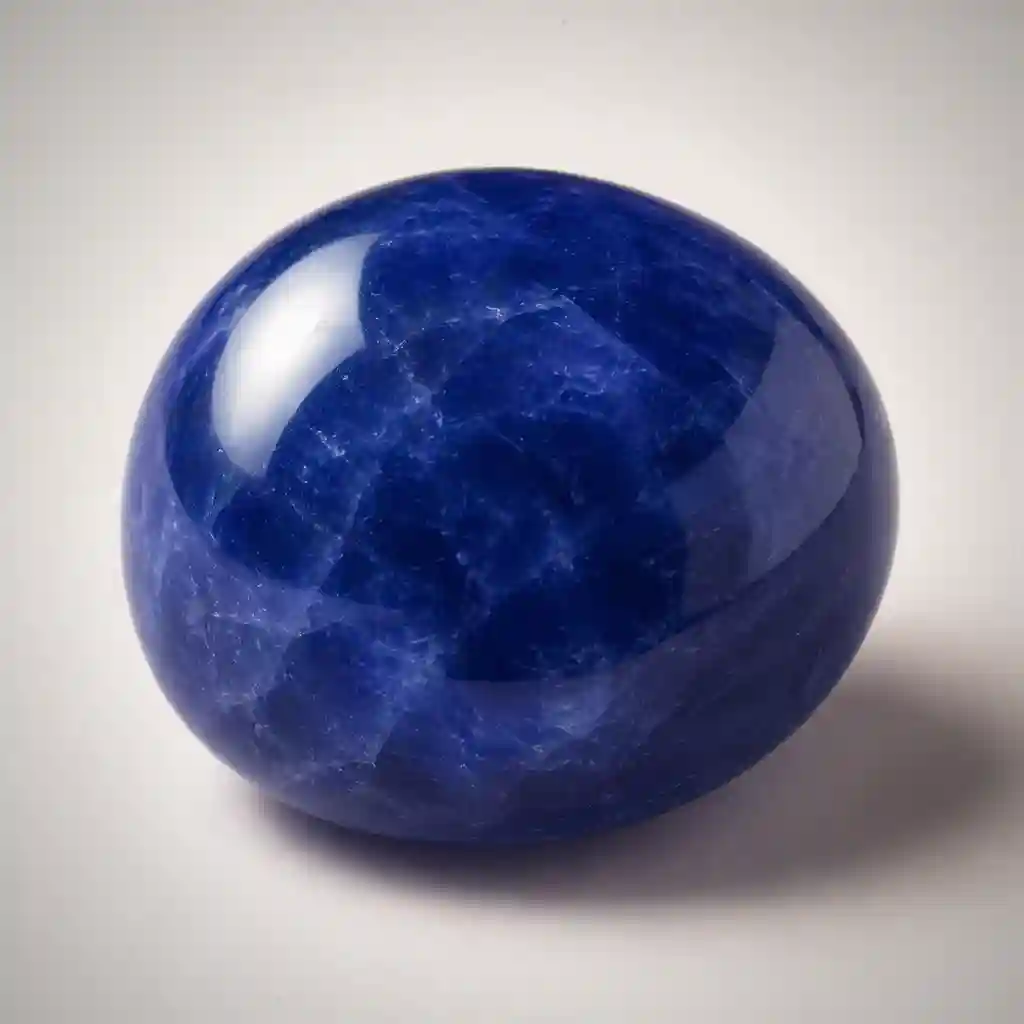
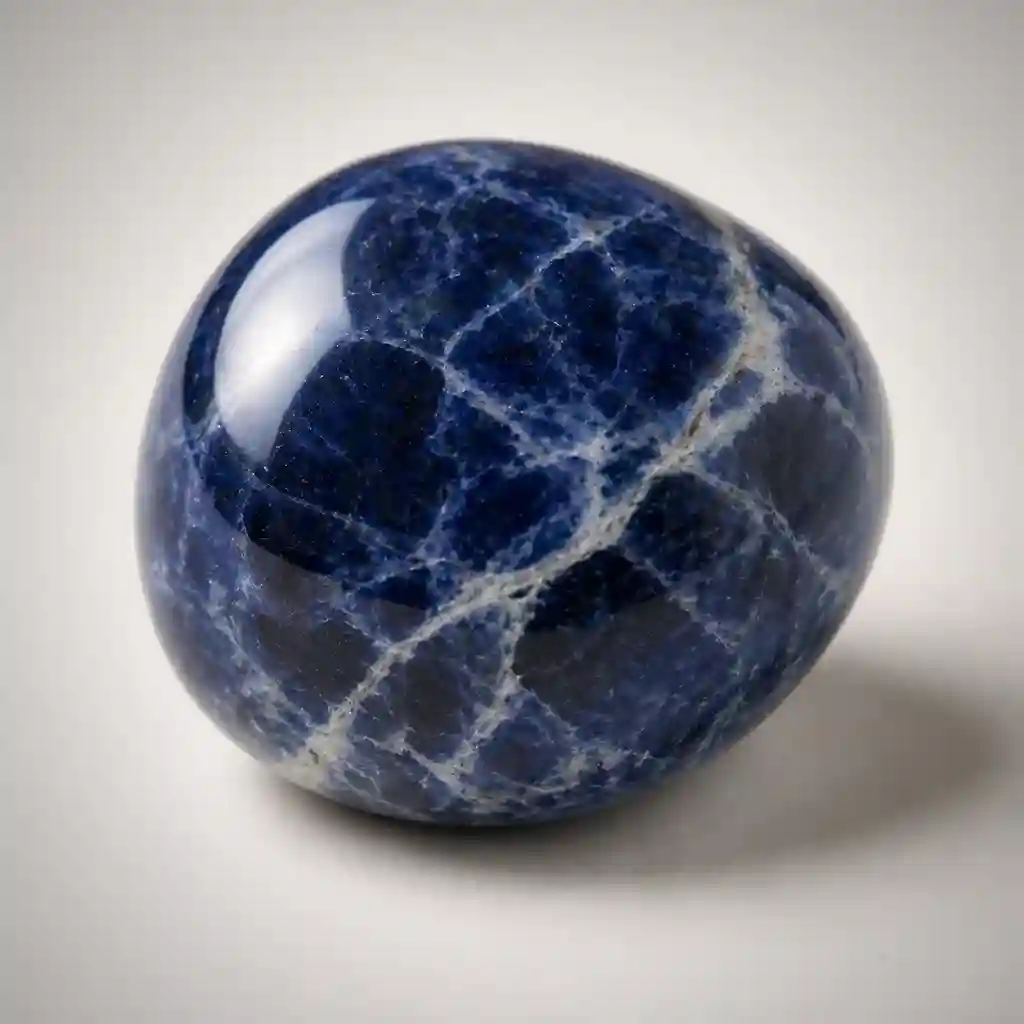
Sodalite is a royal blue stone flecked with white that ties logic to intuition. It helps you think clearly and say what you actually mean.
Students and researchers, public speakers, Sagittarians, and anyone whose brain won't slow down or who struggles to say what they mean
“I trust what I know and say it clearly. My thinking is sharp and my intuition is reliable.”
Rinse briefly under cool water; charge in moonlight; smudge with sage; cleanse on a Selenite plate
Sodalite Quick Answers
What is the difference between Sodalite and Lapis Lazuli?
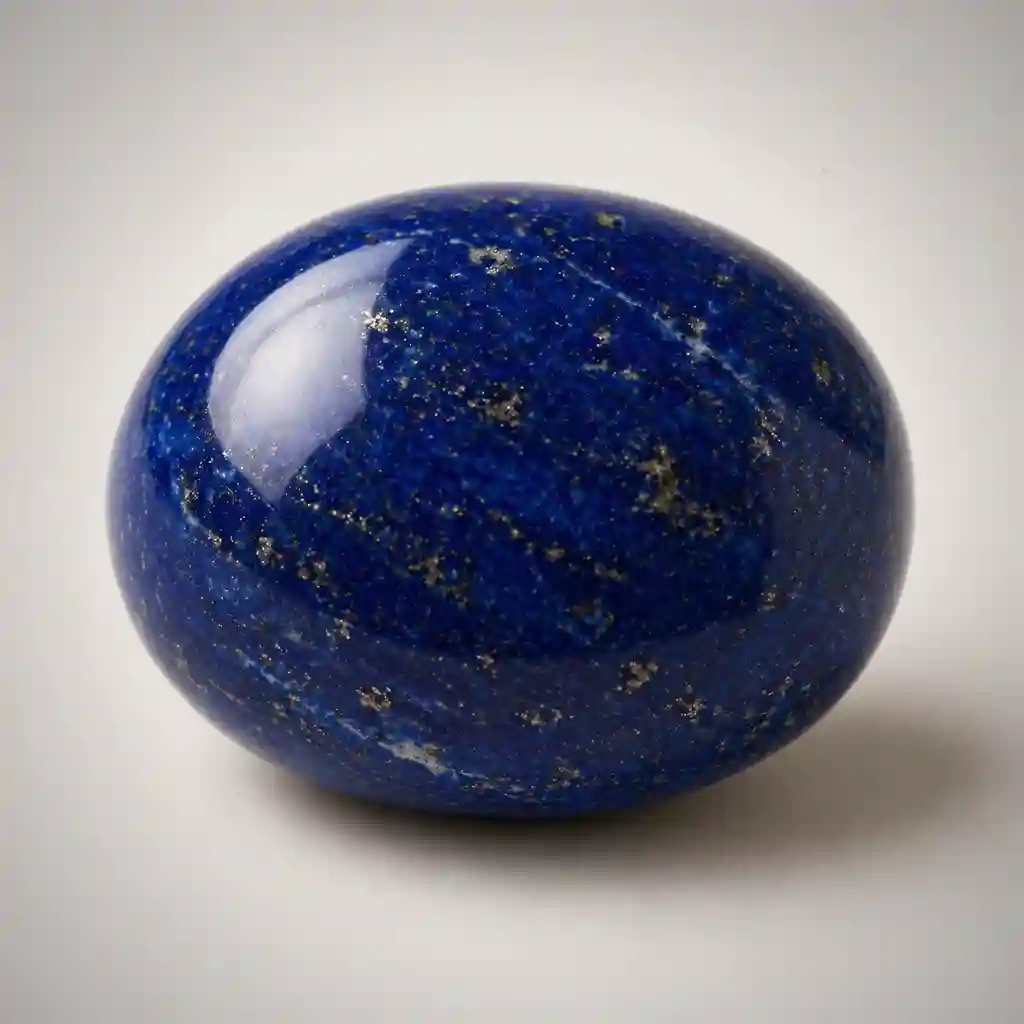
They're both deep blue, but they're different minerals. Lapis Lazuli has golden pyrite flecks mixed in with white calcite. Sodalite usually just has the white calcite veining, no gold specks. Lapis has been prized for thousands of years and costs more historically. On the energy side, Lapis leans toward spiritual wisdom and royal associations, while Sodalite is more about logic, clear communication, and emotional balance. Sodalite is also easier on the wallet and more widely available.
What is Sodalite good for?
Sodalite is best known for sharpening logical thinking and encouraging truthful communication. It calms anxiety and panic, builds self-trust, and bridges the gap between analytical thinking and gut intuition. It's a solid choice for group work, cutting through mental confusion, and supporting the immune system. If you need to think more clearly or communicate more honestly, Sodalite is worth working with.
What is the Meaning & History of Sodalite?
Core Meaning
The Stone of Logic and Deep Blue Truth — Sodalite is about logic and truth, and it has a knack for connecting rational thinking with intuition in a way that doesn't feel forced. It works the Throat and Third Eye Chakras, which means it helps you figure out what's true and then actually say it, without losing your emotional footing in the process.
Historical & Cultural Significance
Sodalite was first found in Greenland in 1806 by a Scottish chemist named Thomas Thomson, who named it for its sodium content. Not the most romantic origin story. It didn't really take off until massive deposits were found in Bancroft, Ontario, in 1891. The stone got enough attention that it was picked as the official gemstone for the 1893 World's Columbian Exposition in Chicago, where visitors from all over encountered that striking blue for the first time. Whether ancient civilizations knew about Sodalite is an open question. Some scholars think certain blue artifacts from ancient Mesopotamia and South America might actually be Sodalite rather than Lapis Lazuli, but that debate hasn't been settled.
Symbolism
- ✦Deep truth — the royal blue color is tied to honest self-knowledge and saying what you actually mean
- ✦Logic meets intuition — bridges rational analysis and gut knowing
- ✦Communication — the white veining suggests clear channels for getting complex ideas across
- ✦Emotional balance — the steady blue color is associated with equilibrium between heart and mind
- ✦Self-trust — encourages confidence in your own judgment and inner voice
- ✦Group harmony — linked to trust and straight talk in group settings
Folklore & Legends
In Inuit tradition, deep blue stones found along the Greenland coastlines were considered gifts from Sedna, the sea goddess, and shamans used them to sharpen their vision and communicate with the spirit world. Some modern crystal practitioners think Sodalite's white veining represents the "silver thread" connecting the physical body to the astral body during out-of-body experiences. There's also a folk belief that Sodalite "tells the truth" — some people place it on their Third Eye before bed, hoping to get honest answers to hard questions through their dreams.
Geological Profile
Formation Process
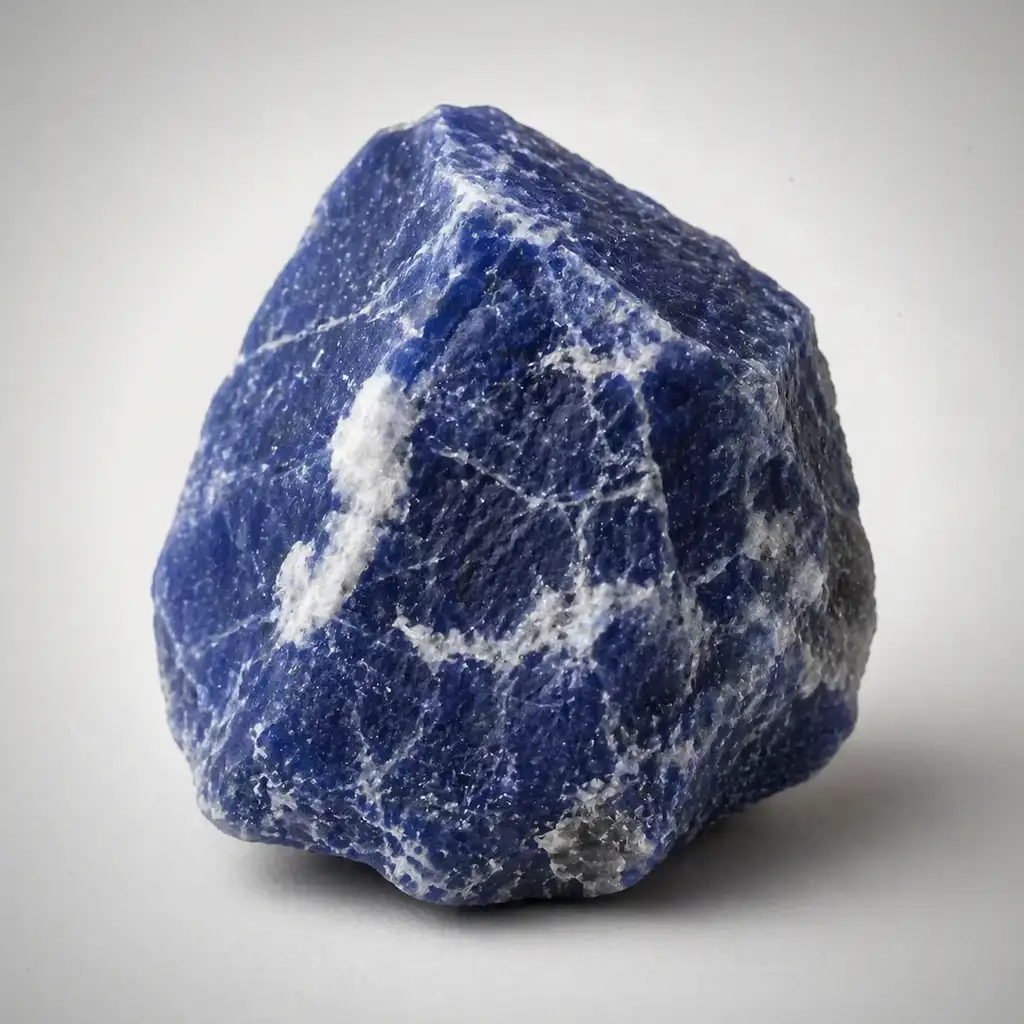
Sodalite belongs to the feldspathoid mineral group, and it forms in silica-poor igneous rocks — specifically nepheline syenites and related types. Most minerals need silica to form, but Sodalite crystallizes from magma that doesn't have enough silica to make feldspar, so Sodalite takes its place. It shows up in massive, granular, or crystalline aggregates. The blue color comes from sulfur in the crystal lattice, specifically polysulfide radicals. The white veining is calcite or other minerals that formed alongside the Sodalite.
Varieties
Blue Sodalite (most common)
The classic deep royal blue variety with white calcite veining, used in carvings, beads, and cabochons. This is the material most people think of as Sodalite.
Hackmanite (Tenebrescent Sodalite)
A rare variety that changes color when exposed to UV light — it fades from pink/violet to near-white and returns to color when the UV source is removed. This reversible photochromism is called tenebrescence.
Green Sodalite
A less common green variety found in some deposits. It doesn't have the same commercial popularity as the blue form, but people who work with it say it has a similar logical-clarity quality with more of an emphasis on growth and renewal.
Notable Origins
Ontario, Canada (Bancroft)
The most famous Sodalite deposit, discovered in 1891. Canadian Sodalite is known for its rich, deep blue color and distinctive white calcite veining. The material from this deposit was featured at the 1893 World's Columbian Exposition.
Greenland (Ilimaussaq complex)
The type locality where Sodalite was first discovered. Greenland produces Sodalite in various colors including the rare Hackmanite variety that exhibits tenebrescence (reversible color change under UV light).
Brazil (Minas Gerais, Bahia)
Brazilian Sodalite occurs in large, massive formations suitable for carvings and decorative objects. It tends to have a slightly lighter blue color than Canadian material with prominent white and grey veining.
Mineral data verified via Mindat.org
Physical Properties
| Hardness | 6 on the Mohs scale |
| Chemical Formula | Na₈Al₆Si₆O₂₄Cl₂ |
| Crystal System | Cubic |
| Primary Color | Deep Blue |
| Origin | Canada, Brazil, India, Namibia, Greenland |
| Transparency | Transparent to translucent (crystals); opaque (massive) |
| Luster | Vitreous to greasy |
| Specific Gravity | 2.27-2.33 |
What Are the Healing Properties of Sodalite?
Emotional & Mental Well-being
Sodalite is good at bringing calm rationality to situations that would normally trigger a reaction.
- ◆It works especially well for anxiety and panic, helping quiet the racing thoughts and catastrophic thinking that feed panic attacks.
- ◆The stone encourages self-acceptance and self-trust, which makes it useful for people who have gotten used to seeking validation from outside themselves or doubting their own judgment.
- ◆Sodalite pushes toward emotional honesty — acknowledging and expressing real feelings instead of suppressing them or putting on a mask.
- ◆For people who habitually put others' needs first and suppress their own, Sodalite gives enough clarity to set boundaries without guilt.
- ◆A lot of practitioners recommend it for teenagers working through identity questions, since it supports self-esteem and honest self-expression at an age when both are hard to come by.
Spiritual Properties
In spiritual practice, Sodalite bridges the analytical mind with intuitive knowing.
- ◆It's a good stone for people developing and trusting their psychic abilities.
- ◆It activates the Third Eye Chakra, enhancing clairvoyance and intuitive perception while keeping enough mental clarity to interpret spiritual experiences accurately — which matters, because intensive spiritual work can sometimes lead to confusion and self-delusion.
- ◆Sodalite is particularly valued for dream work, since it enhances dream recall and supports lucid dreaming while helping the dreamer stay analytical enough to interpret dream symbolism.
- ◆In group spiritual practices, it promotes harmony, trust, and honest communication, making it a solid choice for meditation circles and spiritual study groups.
Physical Healing Traditions
In crystal healing traditions, Sodalite is associated with the throat, vocal cords, and larynx.
- ◆It's said to support thyroid health and help regulate metabolism.
- ◆Some practitioners use it to lower blood pressure and support the lymphatic system.
- ◆The stone is also traditionally linked to easing insomnia caused by a brain that won't shut off, and to supporting the immune system during periods of mental exhaustion.
- ◆Its cooling energy is said to help with fever and inflammation.
Note: These properties are based on metaphysical traditions and are not a substitute for medical advice.
What Science Says
Sodalite is a well-characterized member of the feldspathoid group with the chemical formula Na8Al6Si6O24Cl2.
- ◆Its deep blue color is attributed to the presence of polysulfide radicals (S3-) within the crystal structure, a mechanism confirmed by spectroscopic analysis.
- ◆The rare tenebrescent variety (Hackmanite) has been studied extensively for its reversible photochromic properties, which are caused by the trapping and release of electrons at color centers when exposed to UV radiation.
- ◆While metaphysical claims cannot be scientifically validated, Sodalite's mineralogical properties and color-change phenomena are well-documented in the scientific literature.
Which Chakras Does Sodalite Connect To?
Which Zodiac Signs Match Sodalite?
How Do You Use Sodalite?
Meditation
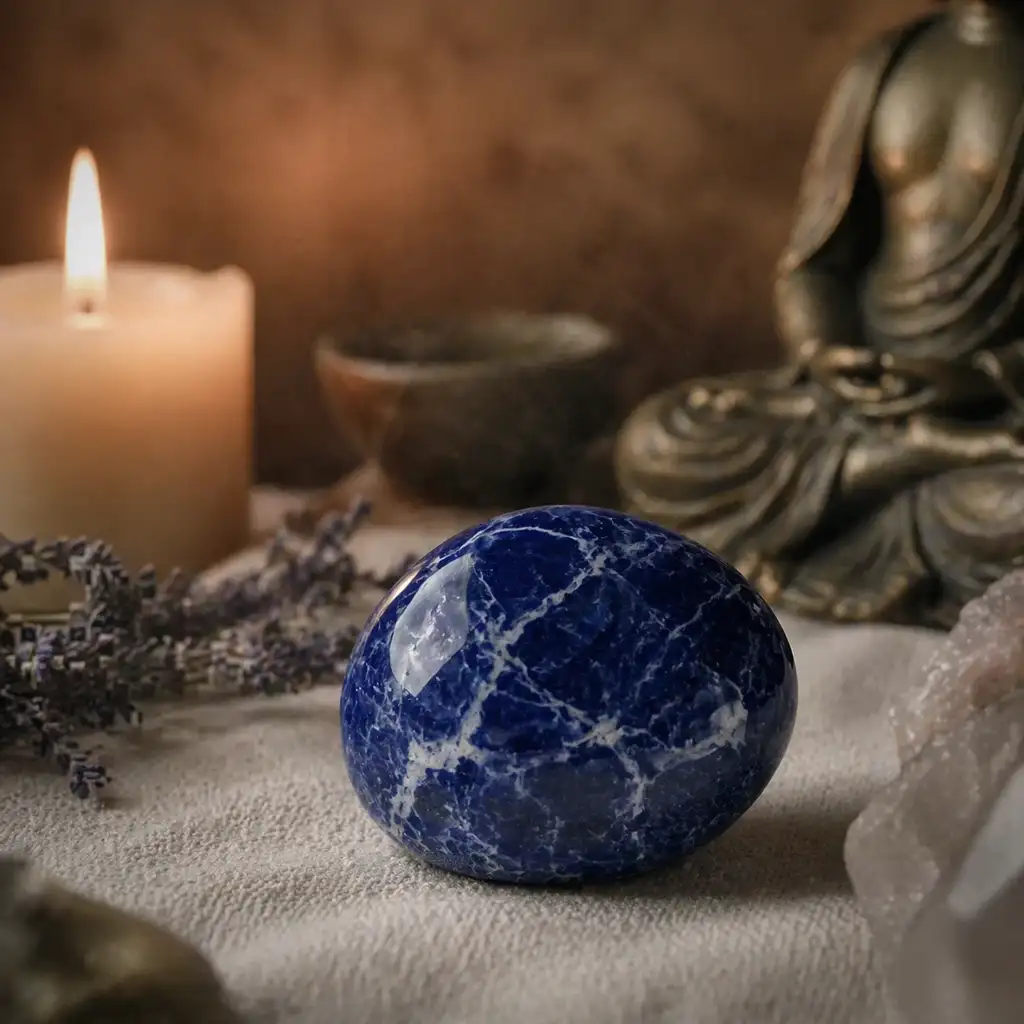
Hold Sodalite at your Third Eye (between the eyebrows) or place it at your Throat Chakra during meditation. Start by focusing on the stone's deep blue color and let your breathing slow on its own. For intuitive development work, pose a question and sit in receptive silence, letting answers surface without forcing them. For communication work, silently speak your truth to the stone before you start meditating. The waxing moon is a good time for growth intentions, and the full moon works well for full expression.
Daily Wear
Wear Sodalite as a pendant near the throat for better communication and self-expression throughout the day. It helps during presentations, interviews, difficult conversations, and pretty much any situation where you need to communicate clearly and honestly. Sodalite rings or bracelets give you something to touch during moments of anxiety or mental overwhelm. The deep blue color also looks great with professional clothes.
Home Placement
Place Sodalite in your study, office, or workspace to support logical thinking and mental clarity. In shared living spaces, it encourages honest, grounded communication among the people who live there. A Sodalite sphere in a meeting room or classroom promotes clear thinking and open dialogue. For Feng Shui, put it in the northeast (knowledge) or north (career) sectors of your home.
Crystal Grids
Use Sodalite in a grid focused on communication, truth, or intellectual clarity. Pair it with Lapis Lazuli for stronger Third Eye activation, Celestite for angelic guidance, and Clear Quartz to amplify mental clarity. For a study grid, combine Sodalite with Fluorite (concentration) and Citrine (mental energy) to create an intellectually stimulating energy field.
How Do You Cleanse & Charge Sodalite?
Moonlight Bathing
RecommendedSmudging
RecommendedRunning Water
RecommendedSelenite Charging
RecommendedMoon Phase Charging: Charge Sodalite in moonlight overnight. The full moon is a good time for full expression intentions, and the waxing moon works well for building confidence in communication. Sodalite also responds well to Selenite charging plates — just set it on a Selenite slab for 6 to 24 hours. Sound cleansing with singing bowls or bells works particularly well for this stone.
Avoid the following:
- ✗Salt water — Sodalite is porous and salt can penetrate and damage the surface over time
- ✗Prolonged water soaking — brief rinses are fine but extended soaking can affect the surface
- ✗Harsh chemical cleaners — can damage the surface and alter the stone's color
- ✗Ultrasonic cleaners — vibrations can damage the stone along natural internal boundaries
- ✗Direct sunlight for extended periods — while not strongly light-sensitive, prolonged sun exposure can fade some specimens
What Crystals Pair Well with Sodalite?
Best Combinations
Lapis Lazuli
Lapis Lazuli deepens Sodalite's truth-seeking energy with ancient wisdom and spiritual weight — together they activate the Third Eye and Throat Chakras for honest spiritual expression
Clear Quartz
Clear Quartz amplifies Sodalite's mental clarity and helps program specific intentions for communication or study — the pairing sharpens focus and analytical ability
Amethyst
Amethyst's calming spiritual energy pairs with Sodalite's logical clarity to create a balanced state of intuitive reason — good for meditation and decision-making
If You Like Sodalite, Also Try
How Can You Tell if Sodalite is Real or Fake?
Common Imitations
Identification Tests
1.Visual Inspection
Examine the stone under good lighting, looking for characteristic patterns and inclusions.
Genuine Sodalite typically has white calcite veining that appears natural and irregular, with a deep blue base color that may vary in intensity across the stone. Dyed howlite has a more uniform blue with white veining that looks "drawn on." Lapis Lazuli has golden pyrite flecks, which Sodalite does not.
2.UV Light Test
Examine the specimen under a UV flashlight (365nm) in a dark room.
Genuine Sodalite typically shows orange to pink fluorescence under shortwave UV light. Hackmanite (tenebrescent Sodalite) shows a dramatic color change — it turns pink/violet when exposed to UV and returns to colorless when the UV source is removed. Dyed stones show no fluorescence or a different color.
3.Acetone Test
Dip a cotton swab in acetone (nail polish remover) and rub an inconspicuous area of the stone.
If the stone is dyed, the cotton swab may pick up blue color — this indicates a dyed imitation. Genuine Sodalite's color is part of its mineral structure and will not come off on the swab. Note: test on an inconspicuous area only.
Price Reference
Small
$5-15
Medium
$15-50
Large
$50-200
Sodalite is generally affordable due to good availability. Hackmanite specimens with strong tenebrescence command premium pricing. Large decorative spheres and carved pieces offer excellent value for their size.
Is Sodalite Safe? Care & Precautions
Toxicity Warning
Sodalite is generally considered non-toxic for handling and standard crystal healing practices. However, it is a sodium aluminum silicate mineral and should not be used in elixirs consumed internally.
Storage
Sodalite has a hardness of 5.5-6 and should be stored separately from harder stones (Quartz, Topaz, Corundum) that could scratch it. It is slightly porous, so avoid storing in humid environments or in contact with chemicals. A soft cloth pouch is ideal for loose specimens.
Special Warnings
- ⚠Sodalite is slightly porous and can absorb oils, perfumes, and lotions — avoid wearing it directly against skin that has been freshly moisturized
- ⚠Avoid using Sodalite in direct elixirs due to its aluminum content — use the indirect method instead
- ⚠Hackmanite specimens should be kept away from prolonged UV exposure if you wish to preserve their natural tenebrescent behavior
What is Sodalite Best For?
Sodalite FAQ — Common Questions Answered
What is the difference between Sodalite and Lapis Lazuli?+
They're both deep blue, but they're different minerals. Lapis Lazuli has golden pyrite flecks mixed in with white calcite. Sodalite usually just has the white calcite veining, no gold specks. Lapis has been prized for thousands of years and costs more historically. On the energy side, Lapis leans toward spiritual wisdom and royal associations, while Sodalite is more about logic, clear communication, and emotional balance. Sodalite is also easier on the wallet and more widely available.
What is Sodalite good for?+
Sodalite is best known for sharpening logical thinking and encouraging truthful communication. It calms anxiety and panic, builds self-trust, and bridges the gap between analytical thinking and gut intuition. It's a solid choice for group work, cutting through mental confusion, and supporting the immune system. If you need to think more clearly or communicate more honestly, Sodalite is worth working with.
Can Sodalite go in water?+
Brief contact with water is fine. Sodalite sits around 5.5-6 on the hardness scale and is somewhat porous, so don't soak it for long periods. A quick rinse under cool running water followed by thorough drying works for regular cleansing. Skip the salt water entirely. Moonlight and smudging are good alternatives if you want to avoid water altogether.
How does Sodalite support Sagittarius through the Throat and Third Eye?+
Sodalite works both the Throat and Third Eye Chakras, which means it connects logical analysis with intuitive insight and then helps you express what you've figured out. Sagittarius is a philosophical, truth-hunting sign, and Sodalite gives that quest some structure. It helps Sagittarians take their big, sprawling ideas and shape them into something other people can actually follow, rather than just enthusiasm bouncing around a room.
Where does Sodalite come from and how does it differ geologically from Lapis Lazuli?+
Sodalite was first found in Greenland in 1806 and became well known after big deposits turned up in Ontario, Canada, in 1891. Other sources include Brazil, India, and Namibia. Geologically, Sodalite is a single mineral (sodium aluminum silicate chloride), while Lapis Lazuli is technically a rock made of several minerals including Lazurite (which is in the Sodalite family), calcite, and pyrite. That's why Lapis has those golden pyrite flecks and Sodalite doesn't. Sodalite is more affordable than genuine Lapis Lazuli.
Was this helpful?