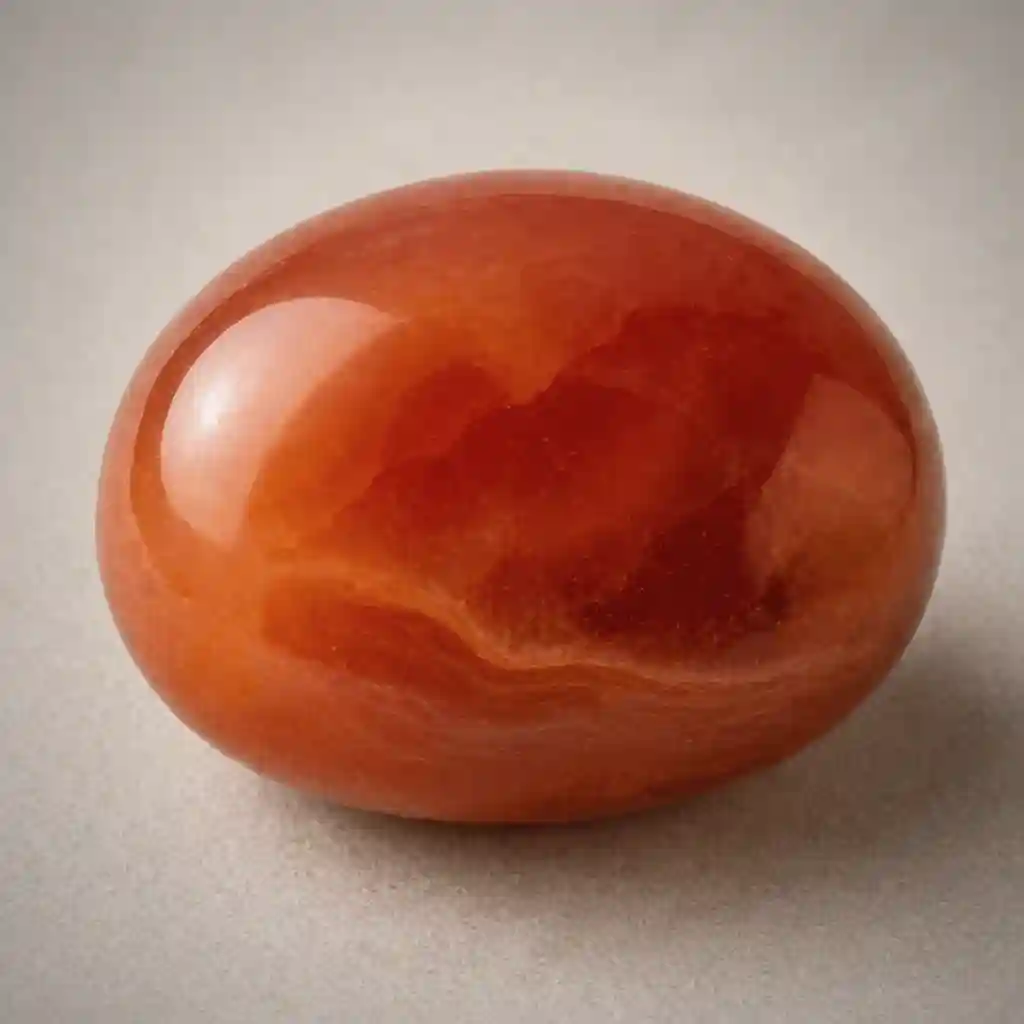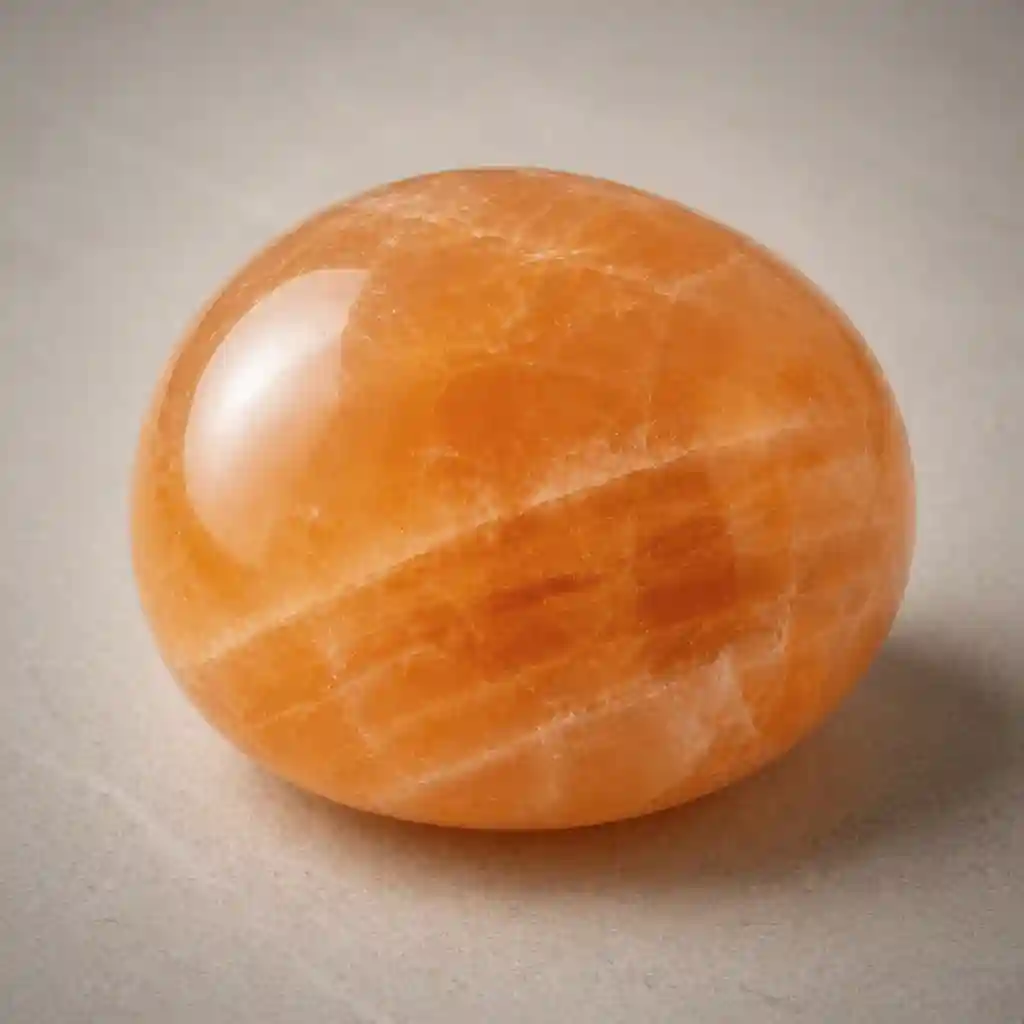
Orange Calcite at a Glance
Orange Calcite is a warm calcium carbonate that dissolves emotional blocks and sparks creative inspiration.
Artists and creative professionals, people processing emotional trauma, anyone dealing with depression or lethargy, those who want to reignite their creative drive
“I allow myself to feel, to create, and to enjoy the process.”
Cleanse with moonlight or smudging only — never water; keep dry at all times; store away from harder stones
Orange Calcite Quick Answers
Can Orange Calcite go in water?
No, Orange Calcite should never be placed in water. Calcite is a calcium carbonate mineral with a hardness of only 3, and it is water-soluble — it will dissolve, become cloudy, or degrade when exposed to water. Cleanse it using moonlight, smudging, sound healing, or by placing it on a selenite charging plate. Keep it away from moisture, humidity, and liquids of all kinds.
What is Orange Calcite good for?
Orange Calcite is best known for enhancing creativity, boosting emotional healing, and promoting joy and optimism. It stimulates the Sacral Chakra, dissolving creative blocks and encouraging artistic expression. It helps release past emotional trauma, particularly around self-worth and intimacy. Orange Calcite also increases physical energy, combats depression and lethargy, and is associated with the reproductive and digestive systems.
What is the Meaning & History of Orange Calcite?
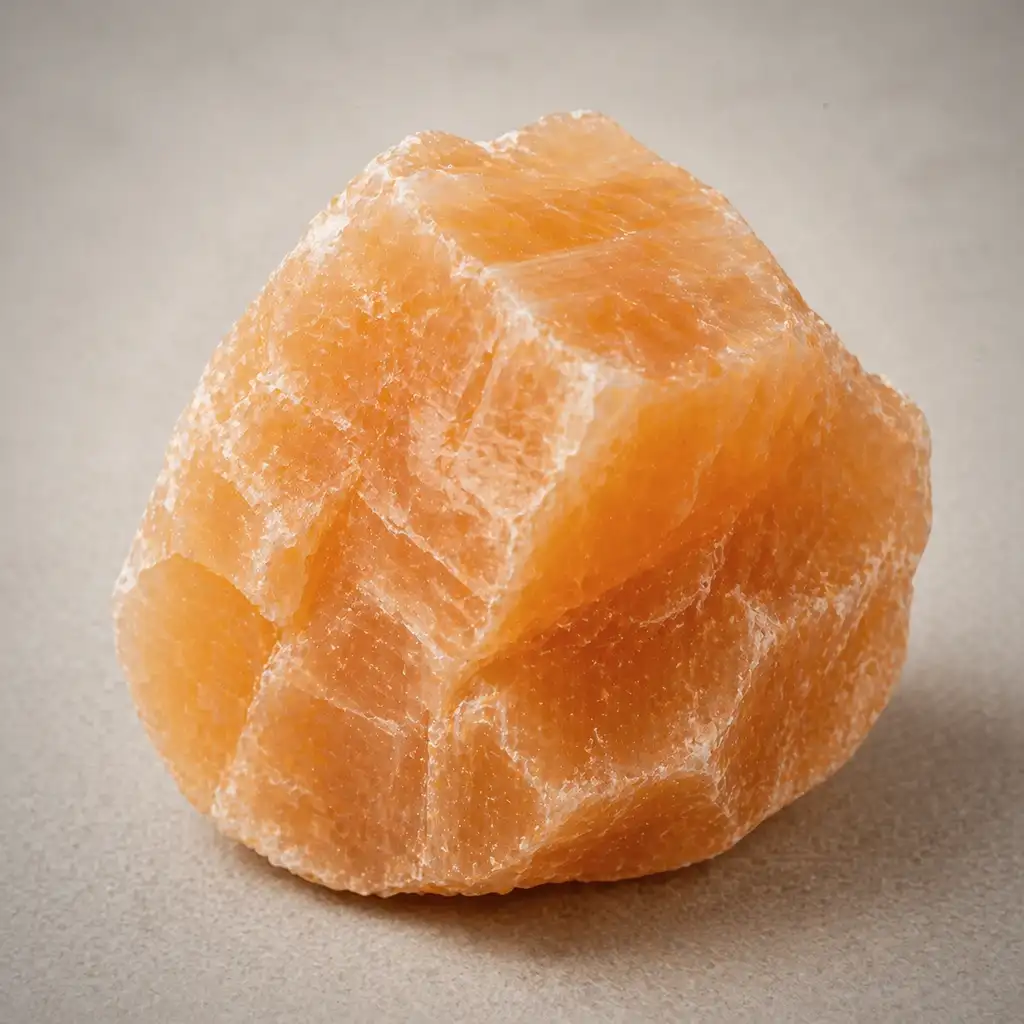
Core Meaning
The Stone of Creativity and Joyful Energy — Orange Calcite carries the warmth of sunlight in mineral form. It resonates with the Sacral Chakra, dissolving creative blocks and releasing stored emotional pain. The energy is gentle and nurturing rather than forceful. It helps people process difficult emotions with warmth and compassion, and at the same time it reignites the creative spark that tends to go out when you have been carrying too much for too long.
Historical & Cultural Significance
Calcite has been known and used since antiquity, though Orange Calcite specifically became prominent in modern crystal healing traditions. The name "calcite" comes from the Latin "calx" meaning lime, referring to its calcium carbonate composition. Ancient Egyptians used calcite (often called alabaster or Egyptian alabaster) to carve ceremonial objects, canopic jars, and temple decorations. In traditional folk medicine across Europe and Asia, powdered calcite was used as an antacid. Orange Calcite's specific association with creativity and the Sacral Chakra emerged through 20th-century crystal healing practitioners who noticed its emotional and creative effects.
Symbolism
- ✦Sunset warmth and joy — the golden-hour feeling of creative inspiration
- ✦Emotional release — the gentle dissolution of stored pain and fear
- ✦Creative fire — the spark of imagination and artistic expression
- ✦Sexual vitality and healthy desire
- ✦Inner child healing — reconnecting with playfulness and wonder
- ✦Turning depression into something lighter
Geological Profile
Formation Process
Orange Calcite forms as a calcium carbonate mineral (CaCO3) in sedimentary environments, primarily in limestone caves, hydrothermal veins, and as a product of chemical precipitation in marine settings. The orange color comes from trace amounts of iron or manganese incorporated into the crystal lattice during formation. Orange Calcite commonly crystallizes in the rhombohedral crystal system, forming distinctive scalenohedral (dog-tooth spar) or rhombohedral crystals. Large deposits form through the accumulation of calcium carbonate from ancient seabeds, which over millions of years undergo compaction and recrystallization.
Varieties
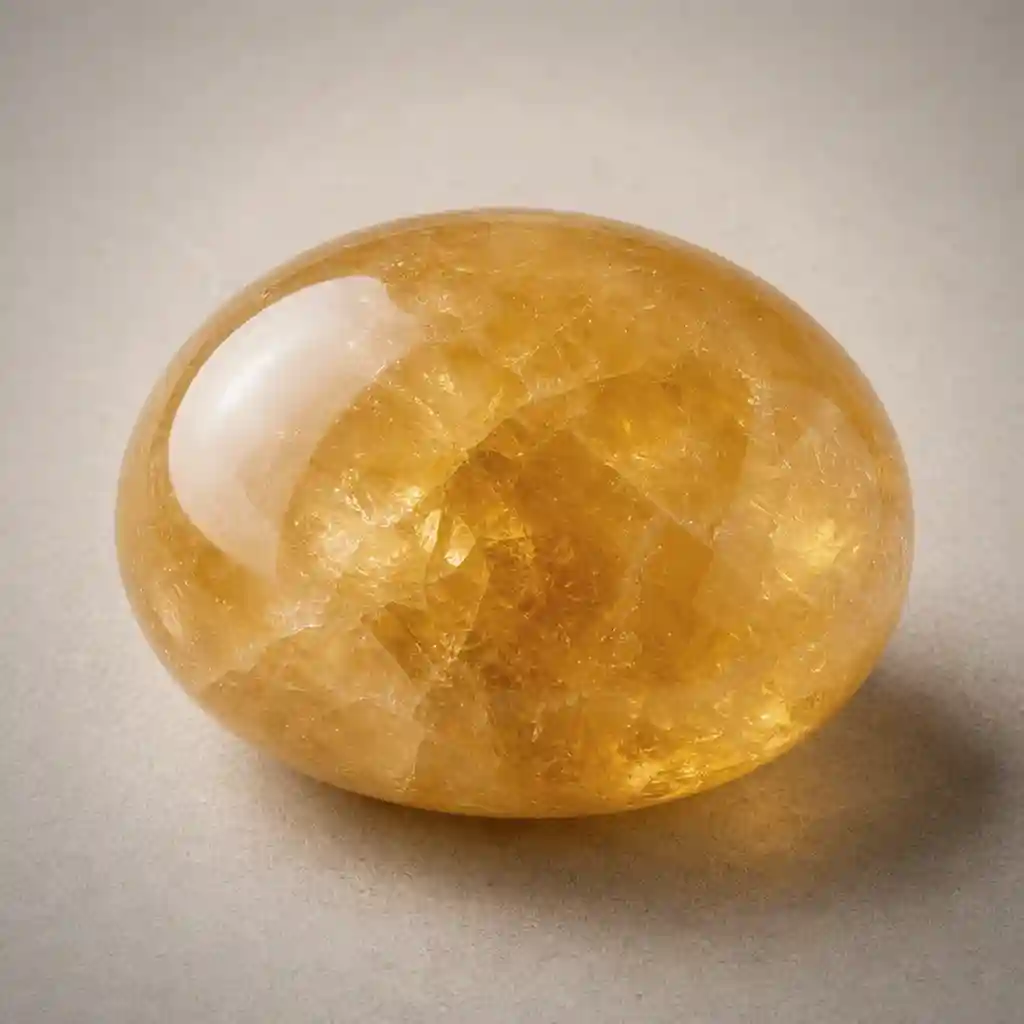
Honey Orange Calcite
A deeper golden-amber variety with warm tones. Found primarily in Mexico, known for its translucency and depth of color.
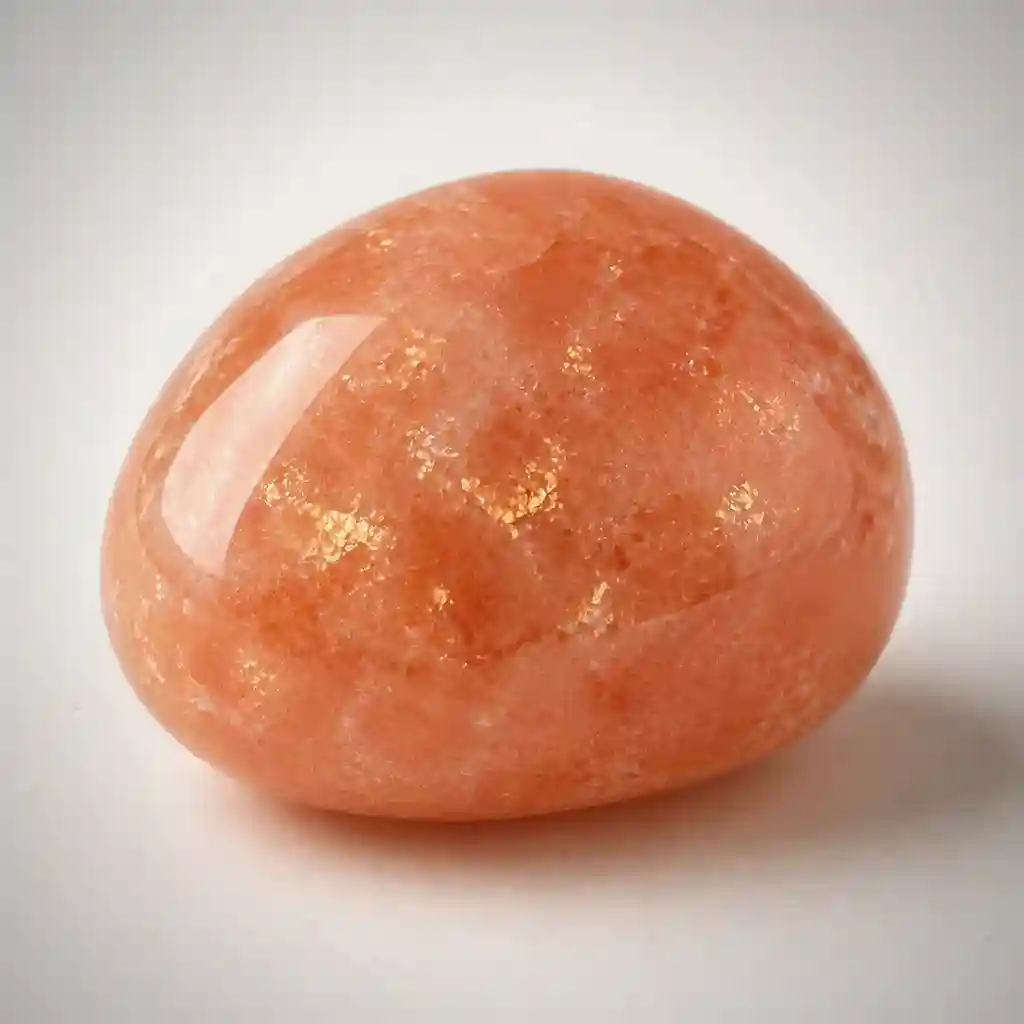
Peach Calcite
A softer, paler orange-pink variety. Its lighter color indicates lower iron content. Often found in Brazil and the United States.
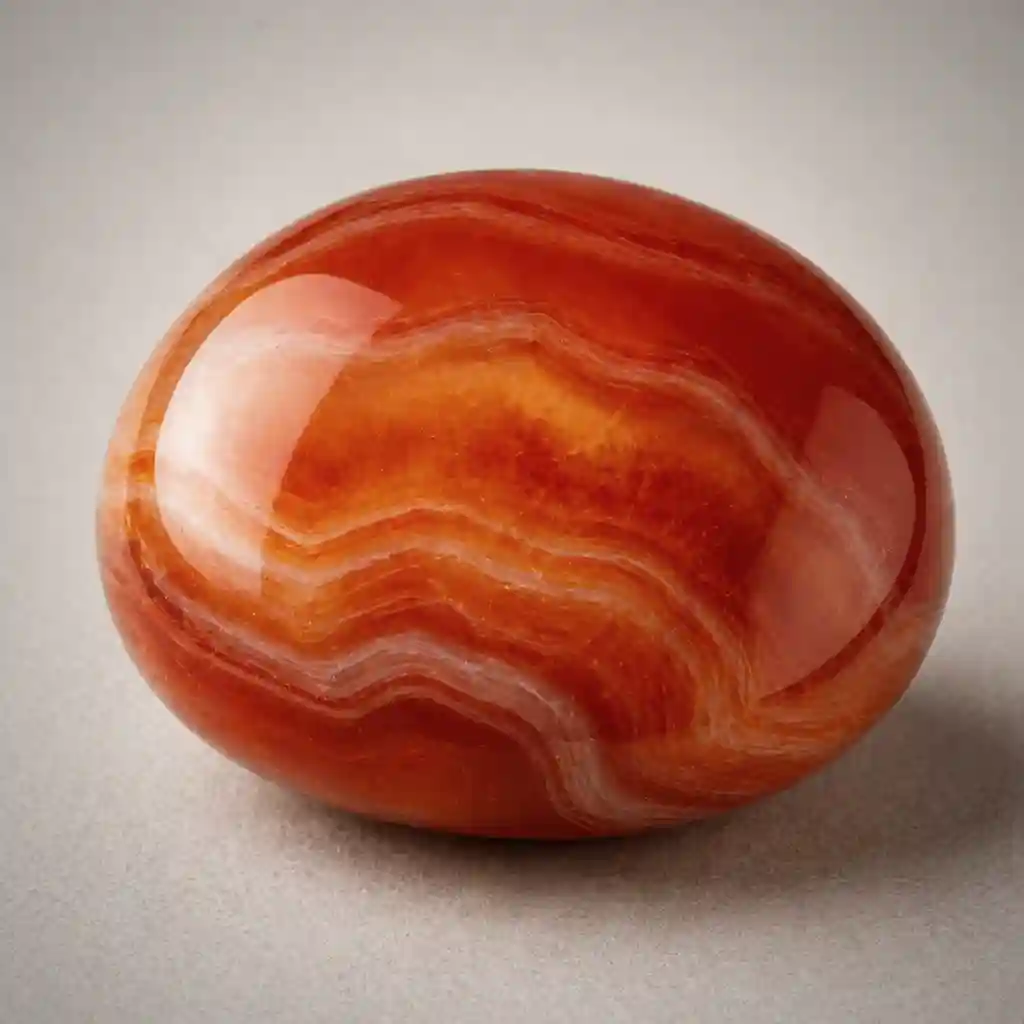
Flame Calcite
A vivid deep-orange to red-orange variety with dramatic color zoning. Less common, often shows exceptional translucency when polished.
Notable Origins
Mexico
The primary source of the finest Orange Calcite. Mexican specimens have rich, warm orange tones and excellent translucency. Large crystal formations and cleavage masses are common.
Brazil (Minas Gerais)
Brazilian Orange Calcite ranges from pale peach to deep orange. Found alongside other calcite varieties and quartz in hydrothermal vein deposits.
United States (Illinois, Kentucky)
The Illinois-Kentucky fluorspar district produces Orange Calcite alongside fluorite. These specimens often form as distinctive dog-tooth spar crystals with sharp scalenohedral terminations.
Mineral data verified via Mindat.org
Physical Properties
| Hardness | 3 on the Mohs scale |
| Chemical Formula | CaCO₃ |
| Crystal System | Hexagonal (Trigonal) |
| Primary Color | Orange |
| Origin | Mexico, Brazil, United States, Czech Republic, Peru |
| Transparency | Transparent to translucent |
| Luster | Vitreous to resinous |
| Specific Gravity | 2.71 |
What Are the Healing Properties of Orange Calcite?
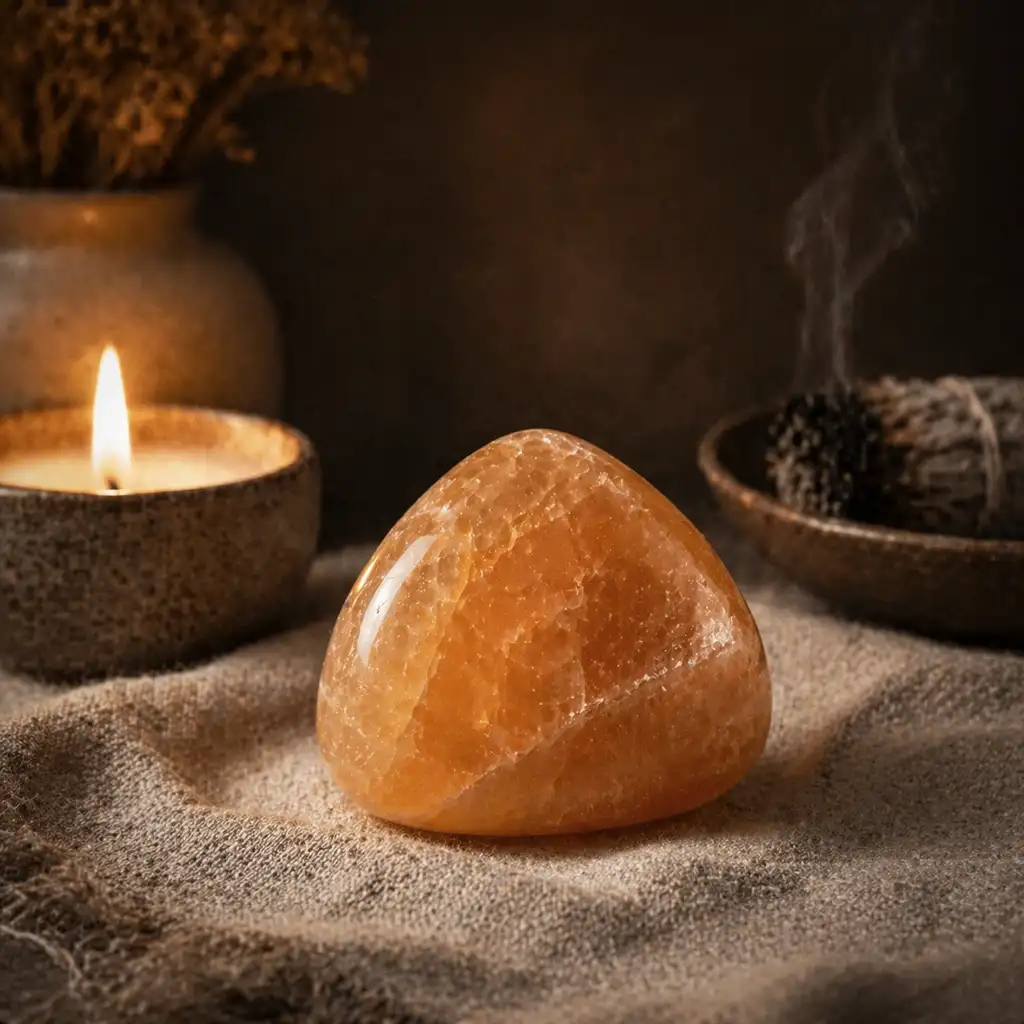
Emotional & Mental Well-being
Orange Calcite is one of the most effective stones for emotional healing and creative renewal.
- ◆Its warm energy helps dissolve emotional blocks stored in the Sacral Chakra, particularly those related to self-worth, sexuality, and creative expression.
- ◆It is recommended for people who feel creatively stuck, emotionally numb, or trapped in depression and self-doubt.
- ◆Unlike more intense stones that bring suppressed emotions to the surface abruptly, Orange Calcite works gently.
- ◆It creates a sense of emotional safety that lets feelings come up at a manageable pace.
- ◆Many crystal workers report that holding Orange Calcite during journaling or therapy sessions helps clients access and articulate emotions they struggle to express.
- ◆It is particularly valued for inner child work, restoring the natural joy, curiosity, and creative playfulness that gets lost through emotional wounding.
Spiritual Properties
In spiritual practice, Orange Calcite activates the Sacral Chakra and restores the flow of creative life force energy throughout the energy body.
- ◆In meditation, it is used for emotional processing and creative visualization.
- ◆Practitioners often report enhanced mental imagery and a better ability to visualize creative goals.
- ◆The stone is also associated with astral travel and past-life exploration, particularly memories related to creativity, joy, and childhood.
- ◆Some practitioners use Orange Calcite to support kundalini energy work, because its warm, activating energy helps move energy through the lower chakras without being too forceful.
Physical Healing Traditions
Traditionally, Orange Calcite has been associated with the reproductive system, digestive tract, and detoxification.
- ◆Crystal healers recommend it for supporting healthy digestion, easing intestinal complaints, and promoting the removal of toxins.
- ◆In folk medicine, calcite was used to support bone health due to its calcium carbonate content, though the bioavailability of minerals from stones is essentially zero.
- ◆Orange Calcite is also associated with balancing hormonal cycles and supporting sexual vitality and reproductive health.
Note: These properties are based on metaphysical traditions and are not a substitute for medical advice.
What Science Says
Orange Calcite is calcium carbonate (CaCO3) with trace iron inclusions that produce its distinctive color.
- ◆It has a hardness of 3 on the Mohs scale and is soluble in weak acids, which is why it should never be placed in water or used in direct-consumption elixirs.
- ◆Calcite exhibits strong birefringence (double refraction), meaning transparent specimens split light into two rays.
- ◆You can see this by reading text through a clear calcite crystal and watching the letters double.
- ◆The effervescent reaction of calcite with hydrochloric acid is a standard identification test in geology.
Which Chakras Does Orange Calcite Connect To?
Which Zodiac Signs Match Orange Calcite?
How Do You Use Orange Calcite?
Meditation
Place Orange Calcite on your Sacral Chakra (lower abdomen, about two inches below the navel) during meditation. Close your eyes and visualize a warm orange light radiating from the stone, dissolving emotional blocks or creative stagnation. For creative meditation, hold the stone in both hands and picture your creative goals as already accomplished. Orange Calcite meditation works well during the golden hour (sunrise or sunset) when the light matches the stone's warm color.
Daily Wear
Wear Orange Calcite as a pendant near the Sacral Chakra or as a bracelet to keep its uplifting energy with you throughout the day. It is most useful during creative work sessions or when you need emotional support. Because Orange Calcite is soft (3 Mohs), protect it from scratches and impacts. Choose bezel-set jewelry rather than prong settings. Remove before washing hands or any water exposure.
Home Placement
Keep Orange Calcite in your creative workspace or studio to maintain creative flow and dissolve artistic blocks. In the living room, it adds warm, joyful energy. Do not place it in bathrooms, kitchens, or any humid area. Moisture will damage the stone over time. For Feng Shui, place Orange Calcite in the creativity and children sector (west) of your home.
Crystal Grids
Use Orange Calcite as the center stone in a creativity or emotional healing grid. Pair with Carnelian and Citrine for a Sacral Chakra activation grid that boosts creative energy and motivation. For emotional healing, combine Orange Calcite with Rose Quartz and Moonstone in a circular formation.
How Do You Cleanse & Charge Orange Calcite?
Moonlight Bathing
RecommendedSmudging
RecommendedSound Healing
RecommendedRunning Water
Avoid water — Calcite is water-soluble and will dissolve over time
Use CautionMoon Phase Charging: Charge Orange Calcite under the full moon by placing it on a windowsill overnight. Moonlight is ideal for this water-soluble stone because there is no physical contact needed. For creative intentions, charge during the waxing moon as energy builds. Sound healing (singing bowls, bells) is another good cleansing method that avoids any contact with the stone.
Avoid the following:
- ✗All water contact — Orange Calcite is water-soluble and will dissolve
- ✗Salt water or salt beds — salt accelerates the dissolution process
- ✗Sunlight for extended periods — prolonged UV exposure may fade the orange color
- ✗Ultrasonic cleaners — vibrations can crack the soft calcite structure
- ✗Any acidic substances — even weak acids will effervesce and damage the stone
What Crystals Pair Well with Orange Calcite?
Best Combinations
Carnelian
Carnelian pushes you to create while Orange Calcite removes the emotional blocks. Active motivation plus gentle release.
Citrine
Citrine's abundance energy amplifies Orange Calcite's joyful creativity. Good for manifesting creative success.
Moonstone
Moonstone's intuitive energy pairs with Orange Calcite's emotional warmth for a nurturing combination that supports healing and creative expression.
If You Like Orange Calcite, Also Try
How Can You Tell if Orange Calcite is Real or Fake?
Common Imitations
Identification Tests
1.Acid Test
Place a single drop of white vinegar or dilute hydrochloric acid on an inconspicuous area of the specimen using a cotton swab.
Genuine calcite (calcium carbonate) will effervesce (bubble and fizz) on contact with acid. This is a definitive test for calcite. Non-calcite imitations such as plastic or glass will not react.
2.Hardness Test
Try to scratch the specimen with a copper coin (hardness ~3) and then try to scratch it with your fingernail (hardness ~2.5).
Genuine calcite has a hardness of exactly 3 — a copper coin can scratch it, and your fingernail generally cannot. If the specimen cannot be scratched by a coin, it is harder than calcite and likely a different mineral.
3.Cleavage Test
Examine the specimen for natural cleavage surfaces. Calcite has perfect rhombohedral cleavage, meaning it breaks along smooth, angled planes.
Genuine calcite shows smooth, flat cleavage surfaces that intersect at angles characteristic of rhombohedral cleavage (not 90 degrees). Plastic or glass imitations show conchoidal (curved) fracture patterns instead.
Price Reference
Small
$3-8
Medium
$8-20
Large
$15-45
Orange Calcite is generally affordable due to abundant supply. Specimens with exceptional translucency, vivid color, or distinctive crystal formations command higher prices. Carved decorative pieces and spheres are moderately priced.
Is Orange Calcite Safe? Care & Precautions
Toxicity Warning
Calcite (calcium carbonate) is non-toxic — it is the same compound found in antacid tablets and chalk. However, it should not be used in direct-consumption gem elixirs because of potential surface contaminants and the risk of mineral fragments in the water.
Storage
Store Orange Calcite away from moisture, humidity, and any water exposure. Keep it separated from harder stones (it scratches easily at 3 Mohs). Wrap in a soft cloth or keep in a padded box. Avoid storing near acidic substances, as even weak acids will dissolve calcite over time.
Special Warnings
- ⚠Never place Orange Calcite in water — it is water-soluble and will dissolve, become cloudy, or degrade
- ⚠Keep away from all acids, including vinegar, citrus, and household cleaners
- ⚠Orange Calcite is very soft (3 Mohs) — handle gently and avoid dropping or impacts
What is Orange Calcite Best For?
Orange Calcite FAQ — Common Questions Answered
Can Orange Calcite go in water?+
No, Orange Calcite should never be placed in water. Calcite is a calcium carbonate mineral with a hardness of only 3, and it is water-soluble — it will dissolve, become cloudy, or degrade when exposed to water. Cleanse it using moonlight, smudging, sound healing, or by placing it on a selenite charging plate. Keep it away from moisture, humidity, and liquids of all kinds.
What is Orange Calcite good for?+
Orange Calcite is best known for enhancing creativity, boosting emotional healing, and promoting joy and optimism. It stimulates the Sacral Chakra, dissolving creative blocks and encouraging artistic expression. It helps release past emotional trauma, particularly around self-worth and intimacy. Orange Calcite also increases physical energy, combats depression and lethargy, and is associated with the reproductive and digestive systems.
How does Orange Calcite differ from Carnelian?+
Both are orange stones tied to the Sacral Chakra and creativity, but they work differently. Carnelian is a harder quartz variety (7 Mohs) with an active, assertive, motivating energy. It pushes you to take action. Orange Calcite is softer (3 Mohs) with a gentler, more nurturing, emotionally healing energy. It helps you process feelings and find joy. Carnelian is about doing. Orange Calcite is about feeling. Together they complement each other well.
How does Orange Calcite help Cancer through the Sacral Chakra?+
Orange Calcite resonates with the Sacral Chakra, the body's center of emotional expression, creativity, and joy. Cancer is one of the most emotionally sensitive signs, and they naturally absorb heavy emotions from others. Orange Calcite helps Cancer process and release that weight. It encourages them to express their feelings openly rather than retreating into their shell, turning stored emotional heaviness into creative vitality.
Why is Orange Calcite so soft and where does it form?+
Orange Calcite is calcium carbonate with a Mohs hardness of just 3, making it one of the softest commonly used crystals. You can scratch it with a copper coin. This softness also means it is water-soluble, so never soak it in water. Major deposits are found in Mexico, Brazil, the United States, Czech Republic, and Peru. Despite being delicate, Orange Calcite is abundant and affordable. Vivid orange specimens from Mexico are particularly popular for their warm color.
Was this helpful?