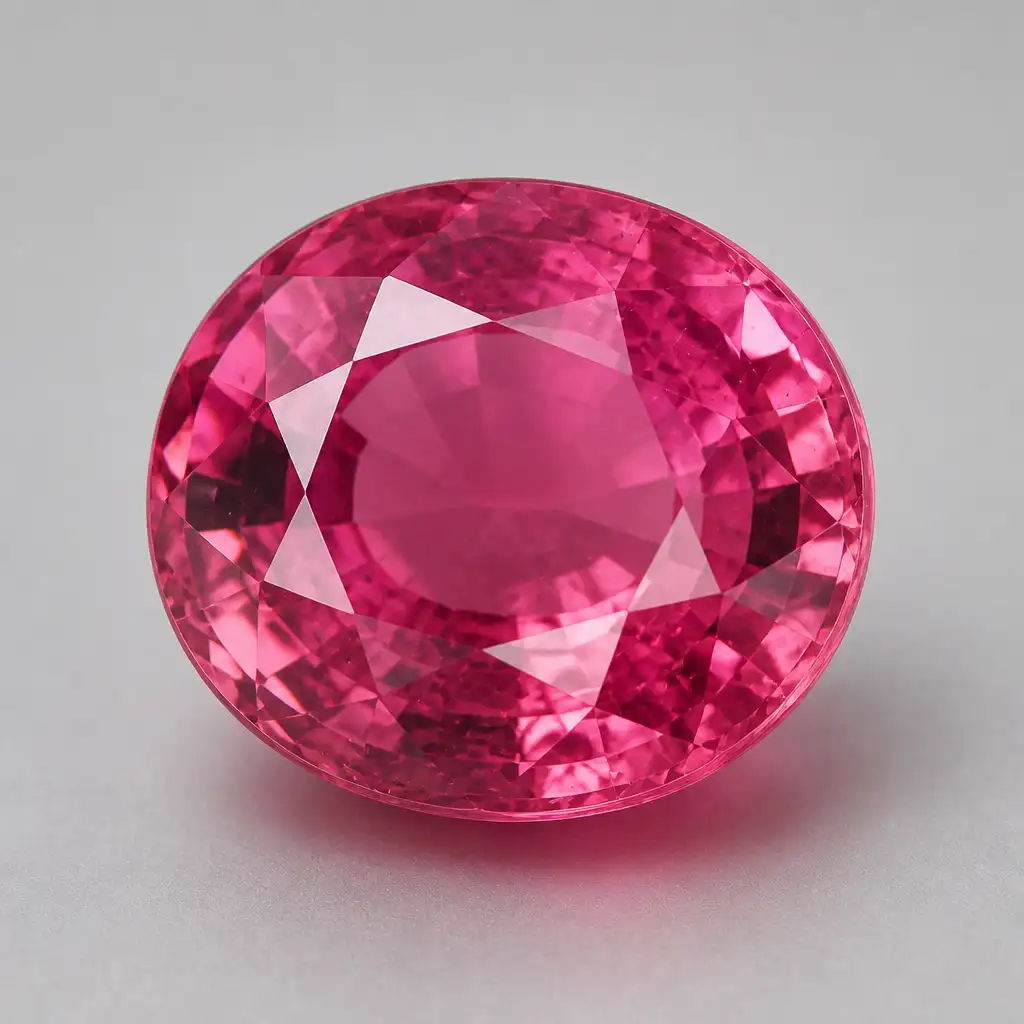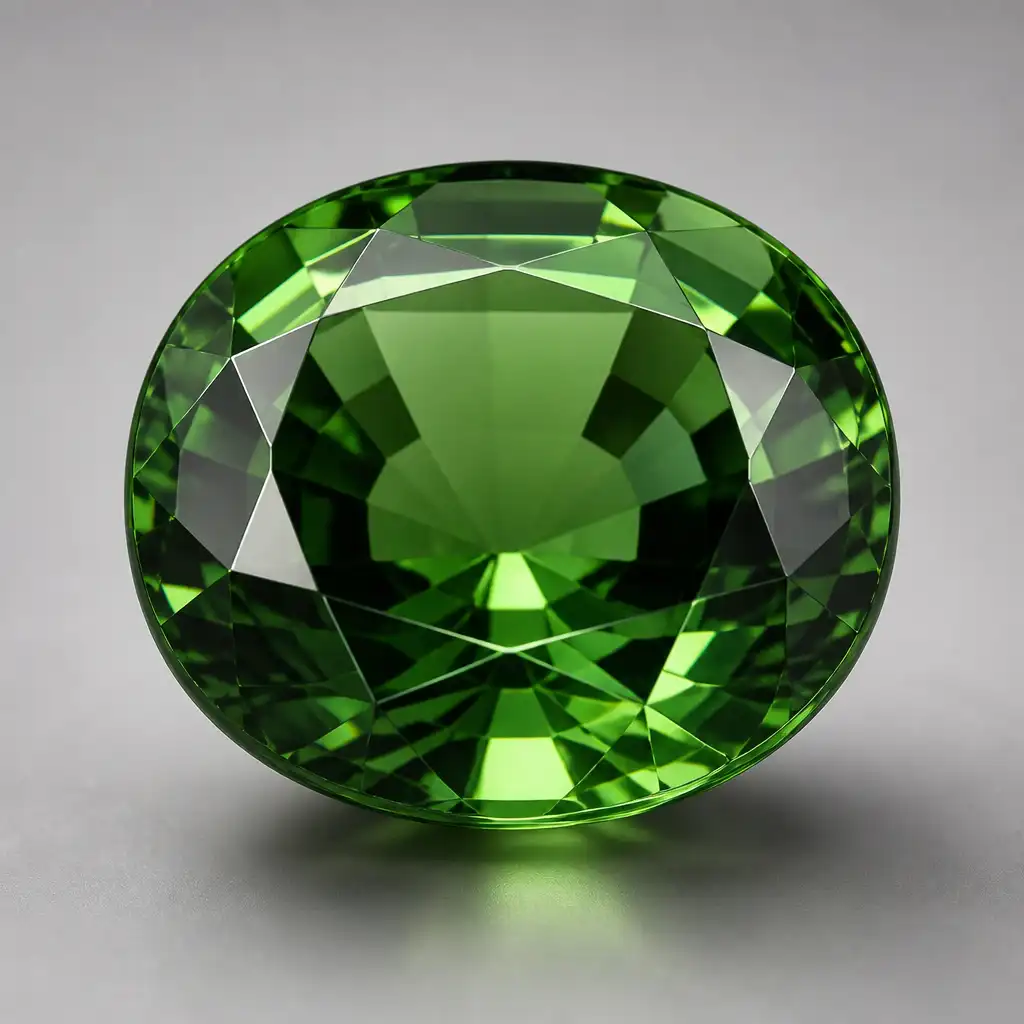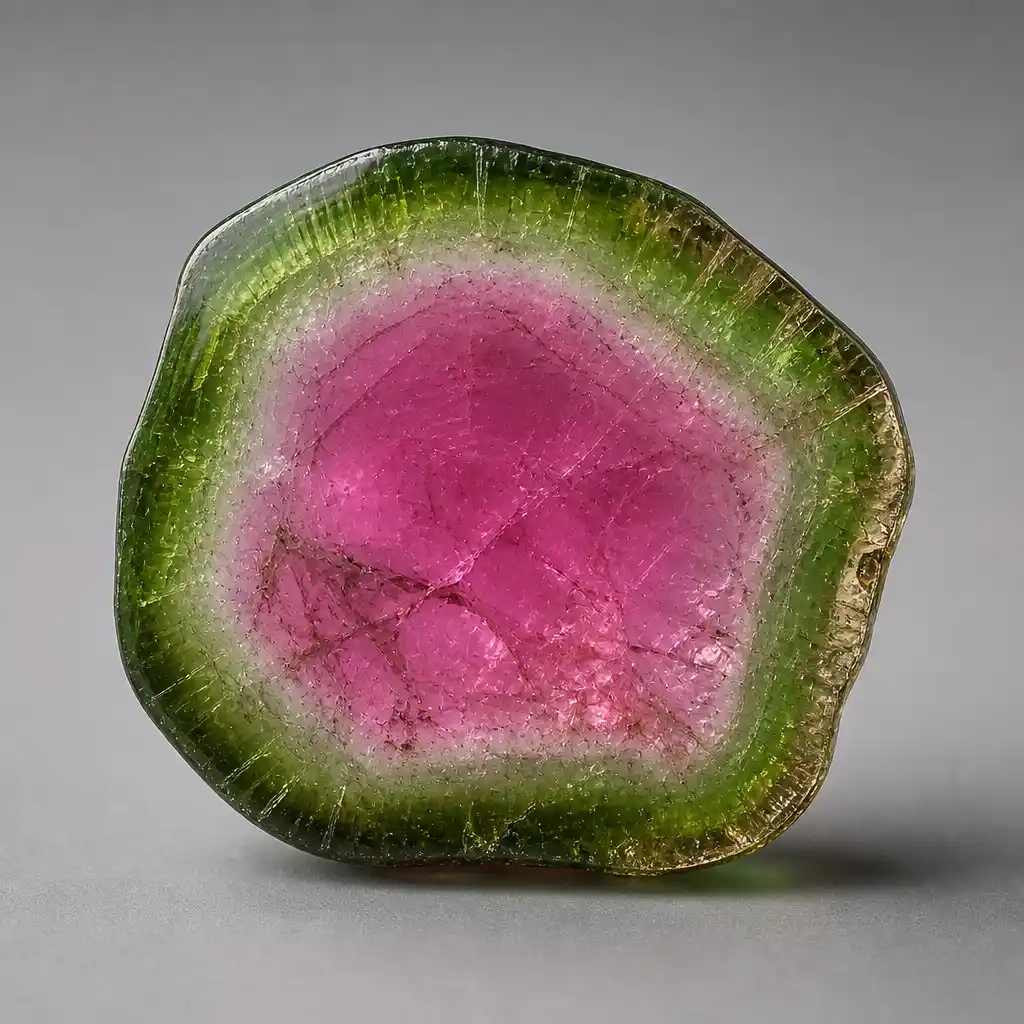
Watermelon Tourmaline at a Glance
Watermelon Tourmaline combines pink and green Tourmaline in one crystal, creating a stone that balances love and vitality, yin and yang, and emotional openness with grounded strength.
People seeking internal balance, couples wanting to improve relationship harmony, anyone working on integrating different aspects of themselves, and those who want a joyful, energizing Heart Chakra stone
“I embrace all parts of myself — the soft and the strong, the giving and the receiving. I am balanced and whole.”
Charge under moonlight; cleanse with sage or selenite; avoid prolonged sunlight; store separately from harder stones
Watermelon Tourmaline Quick Answers
What is Watermelon Tourmaline good for?
Watermelon Tourmaline is best known for creating balance — between yin and yang energies, between emotional and practical concerns, and between giving and receiving love. It promotes joy, emotional healing, and Heart Chakra harmony. People work with it to resolve internal conflicts, improve relationships, and cultivate a more joyful approach to daily life. Its combination of green and pink Tourmaline energy makes it uniquely effective for integrating opposing forces.
Is Watermelon Tourmaline natural or treated?
Genuine Watermelon Tourmaline is completely natural. The green-pink color zoning happens during crystal formation when the chemical composition of the mineralizing fluid changes — the crystal grows a green exterior under iron-rich conditions and a pink core under manganese-rich conditions. No treatment, dye, or heat is involved. However, some vendors sell assembled stones (green and pink pieces glued together) or dyed quartz, so buy from reputable dealers.
What is the Meaning & History of Watermelon Tourmaline?
Core Meaning
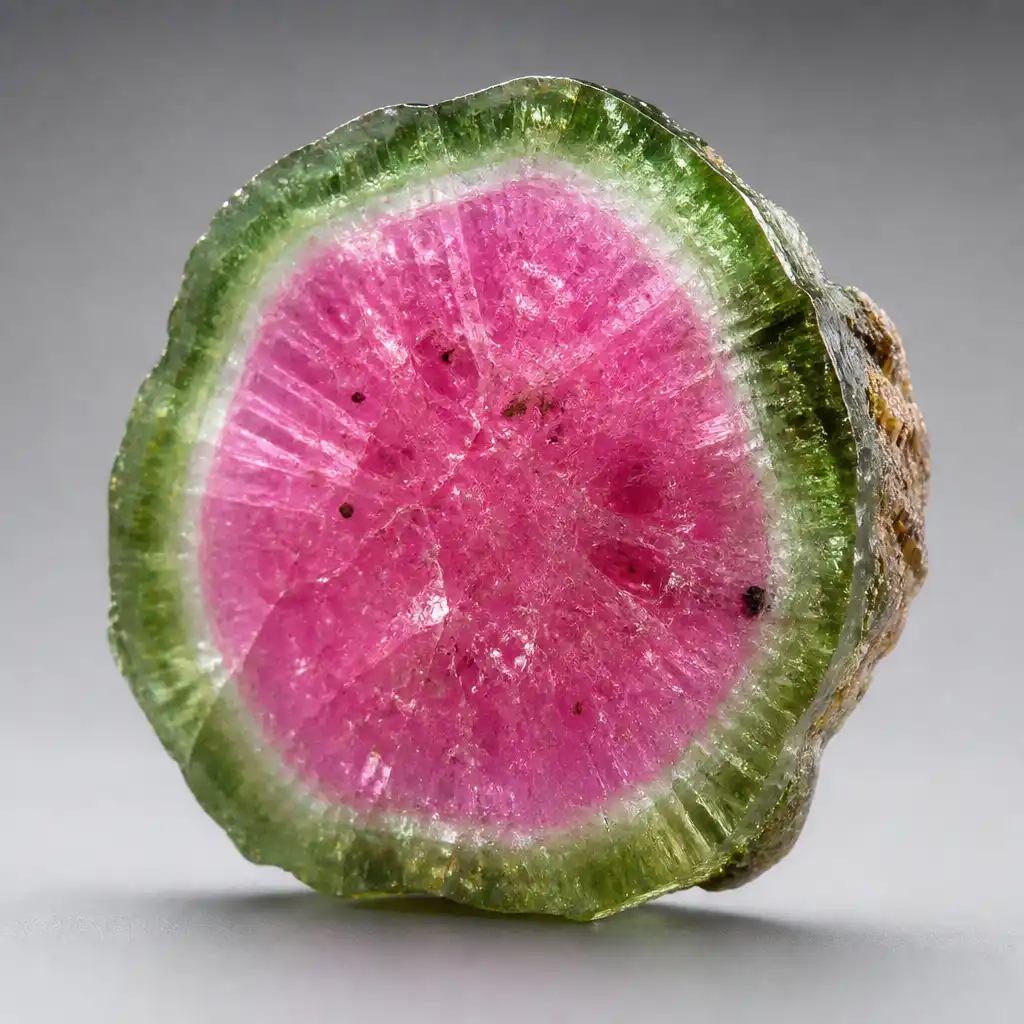
The Stone of Joyful Balance — Watermelon Tourmaline is the crystal of joyful balance. Its green exterior and pink interior are not just visually striking — they represent a genuine energetic dualism that shapes how the stone works with your energy field. The green Tourmaline brings vitality, abundance, and a connection to physical well-being. The pink Tourmaline brings emotional healing, compassion, and heart-centered awareness. Together, they do more than heal — they harmonize. People most often turn to Watermelon Tourmaline when they feel internally pulled in different directions. That might look like giving too much in relationships while neglecting yourself, or being emotionally open but lacking the groundedness to act on what you feel. The stone helps weave these opposing tendencies into something that hangs together. Yin and yang sit at the heart of Watermelon Tourmaline's meaning. The pink center is the yin — receptive, emotional, intuitive. The green rind is the yang — active, vital, outward-directed. When these energies are in balance, you can feel deeply and act decisively, love generously and protect wisely, dream big and stay grounded. This is the space Watermelon Tourmaline opens up.
Historical & Cultural Significance
Tourmaline has been known and traded for thousands of years, but Watermelon Tourmaline as a specifically recognized variety became prominent in the modern crystal era. The stone was first scientifically documented in Brazil in the 19th century, where miners discovered crystals with the distinctive green-pink zoning that made cross-section slices instantly recognizable. In the metaphysical community, Watermelon Tourmaline gained significant popularity in the late 20th century as practitioners began working with its unique bicolor energy for Heart Chakra balance. The stone's visual metaphor — literally a green ring of vitality surrounding a pink core of love — made it an intuitive choice for teaching about energy balance and integration. Today it is one of the most sought-after Tourmaline varieties among both collectors and crystal practitioners.
Symbolism
- ✦Yin-yang balance — the green (yang) and pink (yin) represent complementary forces in harmony
- ✦Joyful living — the playful watermelon appearance mirrors the lighthearted energy the stone promotes
- ✦Heart Chakra integration — combining love (pink) and growth (green) at the heart center
- ✦Wholeness — embracing all parts of yourself, including apparent contradictions
- ✦Relationship harmony — balancing giving and receiving in partnerships
Folklore & Legends
The story of Tourmaline passing through a rainbow to collect all its colors is especially resonant for Watermelon Tourmaline, which literally contains two distinct colors in one crystal. Some African traditions see the green-pink combination as representing the unity of the earth (green) and the heart (pink) — the idea that physical vitality and emotional openness are not separate things but aspects of a single whole. In Brazilian folk tradition, Watermelon Tourmaline was sometimes called "the compromise stone" and was gifted between parties in disputes to represent the intention to find middle ground.
Geological Profile
Formation Process
Watermelon Tourmaline forms in lithium-rich pegmatites where the chemical composition of the mineralizing fluid changes during crystal growth. The process begins when boron, lithium, aluminum, and silicon-rich hydrothermal fluids crystallize in pegmatite cavities. Initially, conditions favor the incorporation of iron, producing green Elbaite (the outer rind). As growth continues, the fluid chemistry shifts — iron becomes less available while manganese increases, causing the crystal to grow pink Elbaite (the core). This chemical transition creates the characteristic green-outside, pink-inside zoning. Cross-section slices are cut perpendicular to the crystal's long axis to display the pattern.
Varieties
Classic Watermelon
The most recognized form — a well-defined green outer zone surrounding a pink core, clearly visible in cross-section slices. The best specimens show sharp color boundaries and vivid saturation in both zones.
Gradational Watermelon
Specimens where the transition between green and pink is gradual rather than sharp, creating a blended zone. These have a softer visual effect and are sometimes preferred for jewelry where a smooth color flow is desired.
Tri-color Tourmaline
Some crystals show three distinct color zones — pink core, colorless or white middle zone, and green outer rind. These are rarer and highly prized by collectors for their additional layer of color complexity.
Notable Origins
Brazil (Minas Gerais)
The premier source for Watermelon Tourmaline, producing well-formed crystals with vivid green-pink zoning. Brazilian material often has the sharpest color contrast and best crystal form, making it ideal for cross-section slices.
Afghanistan (Nuristan)
Afghan material is known for deep color saturation in both the green and pink zones. Specimens tend to be smaller but often have exceptional clarity and color intensity.
Madagascar
Produces Watermelon Tourmaline in a range of qualities. Malagasy specimens sometimes show more subtle color transitions and a wider range of green and pink shades.
Mineral data verified via Mindat.org
Physical Properties
| Hardness | 7.5 on the Mohs scale |
| Chemical Formula | Na(Li,Al)₃Al₆(BO₃)₃Si₆O₁₈(OH)₄ |
| Crystal System | Trigonal |
| Primary Color | Pink/Green (Multicolor) |
| Origin | Brazil, Afghanistan, Nigeria, Madagascar |
| Transparency | Transparent to translucent |
| Luster | Vitreous |
| Specific Gravity | 3.02-3.26 |
What Are the Healing Properties of Watermelon Tourmaline?
Emotional & Mental Well-being
Watermelon Tourmaline stands out as a stone for emotional balance and integration.
- ◆It does not push you toward one emotional state or another — instead, it helps you hold multiple feelings at once without being pulled apart by them.
- ◆That quality is especially valuable when you feel torn between different needs, desires, or aspects of your personality.
- ◆Relationship work is where this stone really delivers.
- ◆A lot of relationship friction traces back to an imbalance between giving and receiving — one partner gives too much and grows resentful, or receives too much and feels dependent.
- ◆Watermelon Tourmaline helps correct that pattern by supporting equal exchange.
- ◆Couples who meditate together with this stone often describe feeling more understood and less judged.
- ◆On a personal level, the stone helps integrate the "strong" and "soft" parts of yourself.
- ◆If you grew up learning that being emotional means being weak, Watermelon Tourmaline lets you experience the full range of your feelings without losing your sense of capability.
- ◆It supports genuine emotional maturity — feeling deeply and acting wisely at the same time.
Spiritual Properties
Spiritually, Watermelon Tourmaline is a go-to stone for Heart Chakra alignment and energy integration.
- ◆The bicolor nature makes it a natural tool for balancing opposing forces within the energy body — masculine and feminine, active and receptive, earthly and transcendent.
- ◆In meditation, practitioners use it to visualize these energies merging and flowing together at the heart center.
- ◆The stone also has a strong reputation for shadow work and inner integration.
- ◆The green and pink zones can represent different aspects of the self during guided meditation — the parts you accept and the parts you reject — with the goal of embracing all of them.
- ◆For anyone feeling fragmented or internally conflicted, this practice can be remarkably clarifying.
- ◆One thing Watermelon Tourmaline does that often gets overlooked: it brings joy to spiritual practice.
- ◆A lot of people approach spiritual work with an intensity that, while sometimes appropriate, can calcify into rigidity.
- ◆This stone is a reminder that spiritual growth can also be playful, light, and genuinely fun.
Physical Healing Traditions
In traditional crystal healing, Watermelon Tourmaline is associated with the heart, nervous system, and immune system.
- ◆The green component connects to physical vitality and the body's regenerative capacity, while the pink component ties into emotional well-being and its downstream effects on physical health.
- ◆Healers place it on the chest to support cardiovascular health and improve heart-lung coordination.
- ◆The stone also gets recommended for endocrine balance, especially for conditions involving hormonal fluctuations that shift mood.
- ◆The logic here is that the stone's balancing quality extends to the body's regulatory systems.
- ◆It is also used to calm the nervous system and ease stress-related digestive complaints.
- ◆These uses draw on folk healing and metaphysical tradition rather than clinical research.
- ◆Crystal healing works best as a complement to professional medical care, not a substitute for it.
Note: These properties are based on metaphysical traditions and are not a substitute for medical advice.
What Science Says
Watermelon Tourmaline is a well-documented geological phenomenon within the Elbaite Tourmaline group.
- ◆The bicolor zoning is caused by changes in the fluid chemistry during crystal growth — specifically, a shift from iron-dominant conditions (producing green) to manganese-dominant conditions (producing pink).
- ◆Electron microprobe analysis and spectroscopic studies confirm distinct chemical differences between the green and pink zones.
- ◆How sharp the color boundary appears depends on how quickly the fluid chemistry changed during formation.
- ◆Rapid shifts produce clean boundaries; gradual ones produce blended transitions.
- ◆Tourmaline's pyroelectric and piezoelectric properties are well established in materials science.
- ◆The metaphysical properties attributed to the stone have not been validated by clinical research.
Which Chakras Does Watermelon Tourmaline Connect To?
Which Zodiac Signs Match Watermelon Tourmaline?
How Do You Use Watermelon Tourmaline?
Meditation
Place Watermelon Tourmaline directly on your sternum (the center of your chest) while lying down. Close your eyes and visualize the green energy flowing outward from the stone into your body, filling you with vitality and strength, while the pink energy flows inward toward your heart, softening and opening. For balance meditation, alternate your focus between the green and pink aspects, then bring your attention to the place where they meet — that boundary is where integration happens.
Daily Wear
Cross-section slices make beautiful and unusual pendants — wear one at the heart level to keep the balancing energy with you all day. Beaded bracelets are also popular and allow the stone to maintain contact with your energy field. For those who work in environments where they need to balance empathy with professional boundaries, keeping a small Watermelon Tourmaline in a pocket provides a tactile reminder to stay balanced.
Home Placement
Place Watermelon Tourmaline in the center of your home or living room to promote harmony among all household members. In the bedroom, it supports balanced, restorative sleep. In a shared workspace, it can help mediate between different working styles and reduce friction between colleagues. Some practitioners recommend placing it in the relationship corner (far right from the front entrance) alongside Rose Quartz for relationship harmony.
Crystal Grids
Use a Watermelon Tourmaline slice as the center stone in grids focused on balance, harmony, or relationship healing. Surround it with Rose Quartz (love), Green Aventurine (growth), and Clear Quartz (amplification) for a Heart Chakra harmony grid. For yin-yang balance, place Moonstone and Carnelian on opposite sides of the Watermelon Tourmaline to represent feminine and masculine energies being held in balance.
How Do You Cleanse & Charge Watermelon Tourmaline?
Moonlight Bathing
RecommendedSmudging
RecommendedSelenite Charging
RecommendedSound Healing
RecommendedMoon Phase Charging: Watermelon Tourmaline resonates strongly with lunar energy. Place it in direct moonlight during the full moon for a complete energetic cleanse and recharge. For balance-focused intentions, the equinox moons are considered especially potent. For drawing in joy and love, charge during the waxing moon. For releasing old patterns and creating space for new balance, use the waning moon. Moonlight is the preferred charging method as it is gentle and will not fade the stone's colors.
Avoid the following:
- ✗Prolonged direct sunlight — can fade both the green and pink colors over time
- ✗Salt water — salt can damage the surface polish and affect internal inclusions
- ✗Ultrasonic cleaners — vibration can crack stones with fluid inclusions
- ✗Harsh chemical cleaners — ammonia, bleach, and acids can damage the surface
- ✗Steam cleaning — heat stress can cause internal fractures
What Crystals Pair Well with Watermelon Tourmaline?
Best Combinations
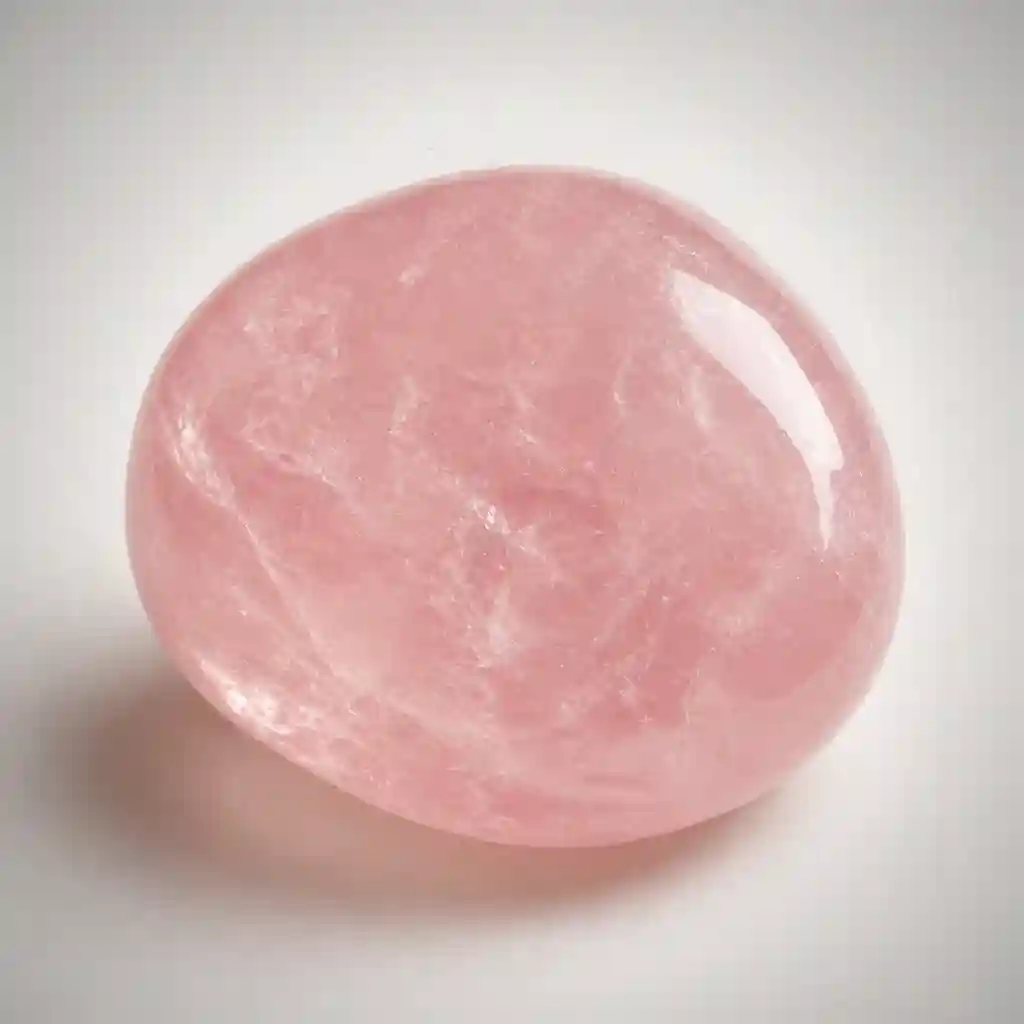
Rose Quartz
Rose Quartz amplifies the pink/love energy of the Watermelon Tourmaline while adding its own gentle, nurturing quality. Together they create a powerful heart-opening and emotional healing combination.
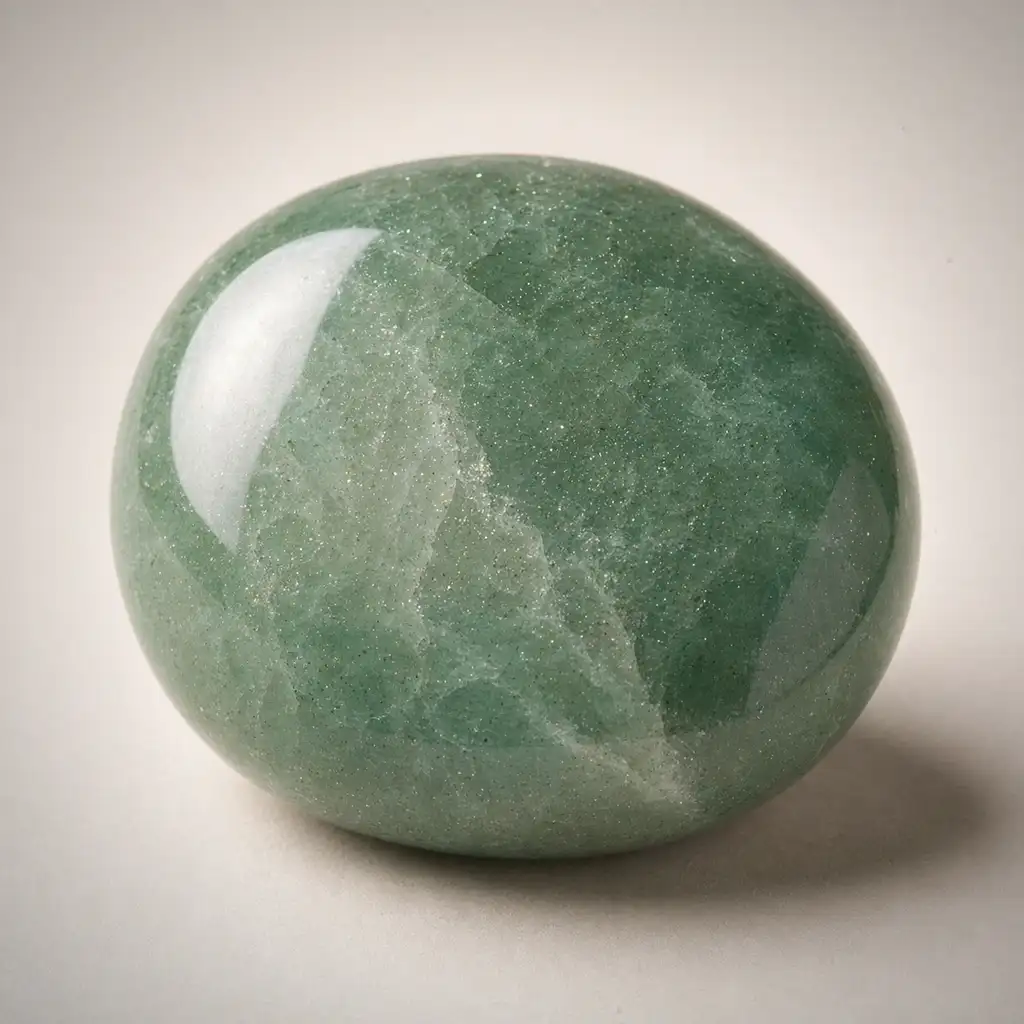
Aventurine
Green Aventurine resonates with the green/vitality component of Watermelon Tourmaline, amplifying abundance and growth energy. This pairing is excellent for manifesting prosperity with heart-centered intention.
Clear Quartz
Clear Quartz amplifies both the green and pink energies of Watermelon Tourmaline equally, making the balancing effect stronger and more clearly felt. It acts as an energetic magnifier without favoring one aspect over the other.
If You Like Watermelon Tourmaline, Also Try
How Can You Tell if Watermelon Tourmaline is Real or Fake?
Common Imitations
Identification Tests
1.Magnification of Color Boundary
Examine the transition zone between the green and pink areas under 10x-30x magnification.
In natural Watermelon Tourmaline, the color transition shows gradual or moderately sharp geological zoning with natural-looking crystal structure on both sides. Assembled stones show a sharp, straight glue line at the boundary, sometimes with trapped air bubbles visible in the adhesive.
2.Pleochroism Check
Rotate the stone under a single light source while observing both color zones.
Natural Tourmaline is pleochroic — both the green and pink zones should show subtle color shifts when the viewing angle changes. Glass and resin composites show no pleochroism in either zone. This test helps rule out non-tourmaline imitations.
3.Hardness Test
Attempt to scratch glass with the stone, and try to scratch the stone with a steel knife.
Genuine Watermelon Tourmaline (Mohs 7-7.5) scratches glass easily and resists scratching by steel (Mohs 5.5). Glass imitations cannot scratch glass. Assembled stones with resin components will show soft spots. This is a partially destructive test.
4.UV Light Examination
Examine the stone under short-wave and long-wave UV light in a darkened room.
Natural Tourmaline typically shows weak or no fluorescence. Dyed stones may show uneven, patchy fluorescence concentrated where dye has pooled. Resin and glue in assembled stones often fluoresce differently from natural Tourmaline, potentially revealing the join line.
Price Reference
Small
$10-30
Medium
$35-120
Large
$100-500+
Watermelon Tourmaline is more expensive than single-color Tourmalines due to its visual appeal and relative rarity. Well-formed cross-section slices with vivid, even green rind and saturated pink core command the highest prices. Pricing also depends on transparency, size, and quality of the color zoning.
Is Watermelon Tourmaline Safe? Care & Precautions
Toxicity Warning
Watermelon Tourmaline is non-toxic and safe for handling. It is a stable borosilicate mineral that poses no health risks through normal contact, display, or wear.
Storage
Store away from prolonged direct sunlight to prevent color fading, particularly in the pink zone. Keep in a soft pouch or lined box to prevent scratching. Tourmaline is relatively hard (7-7.5) but should be stored separately from harder materials like sapphire and diamond.
Special Warnings
- ⚠Prolonged UV exposure may gradually fade both the green and pink zones — avoid sunny windowsills for long-term display
- ⚠Avoid ultrasonic cleaners — internal fluid inclusions can expand under vibration and cause cracking
- ⚠Avoid sudden temperature changes — thermal shock can cause internal fractures in Tourmaline
What is Watermelon Tourmaline Best For?
Watermelon Tourmaline FAQ — Common Questions Answered
What is Watermelon Tourmaline good for?+
Watermelon Tourmaline is best known for creating balance — between yin and yang energies, between emotional and practical concerns, and between giving and receiving love. It promotes joy, emotional healing, and Heart Chakra harmony. People work with it to resolve internal conflicts, improve relationships, and cultivate a more joyful approach to daily life. Its combination of green and pink Tourmaline energy makes it uniquely effective for integrating opposing forces.
Is Watermelon Tourmaline natural or treated?+
Genuine Watermelon Tourmaline is completely natural. The green-pink color zoning happens during crystal formation when the chemical composition of the mineralizing fluid changes — the crystal grows a green exterior under iron-rich conditions and a pink core under manganese-rich conditions. No treatment, dye, or heat is involved. However, some vendors sell assembled stones (green and pink pieces glued together) or dyed quartz, so buy from reputable dealers.
How is Watermelon Tourmaline different from regular Pink Tourmaline?+
Regular Pink Tourmaline is a single-color stone focused on emotional healing and self-love. Watermelon Tourmaline combines Pink Tourmaline's heart-opening energy with Green Tourmaline's vitality and abundance energy in one stone. The result is a more balanced, integrative energy — Pink Tourmaline heals, while Watermelon Tourmaline heals and simultaneously energizes and grounds. Think of Watermelon Tourmaline as the "complete" Heart Chakra stone.
How should I care for Watermelon Tourmaline?+
Cleanse it with moonlight, smudging, or selenite. Avoid prolonged direct sunlight which may fade the colors over time. Keep it away from harsh chemicals, salt water, and ultrasonic cleaners. Store it in a soft pouch or lined box to prevent scratching. With a hardness of 7-7.5, it is durable enough for daily wear but should be protected from harder stones in storage.
Where does the best Watermelon Tourmaline come from?+
Brazil produces the finest Watermelon Tourmaline, particularly from the pegmatites of Minas Gerais, which yield well-formed crystals with vivid green rinds and deep pink cores. Afghanistan also produces excellent material with strong color contrast. Nigerian and Madagascan deposits contribute significant quantities, though the color zoning is sometimes less pronounced. Specimens showing a clear, even green ring around a saturated pink core are the most valued.
Was this helpful?