Pink Tourmaline at a Glance
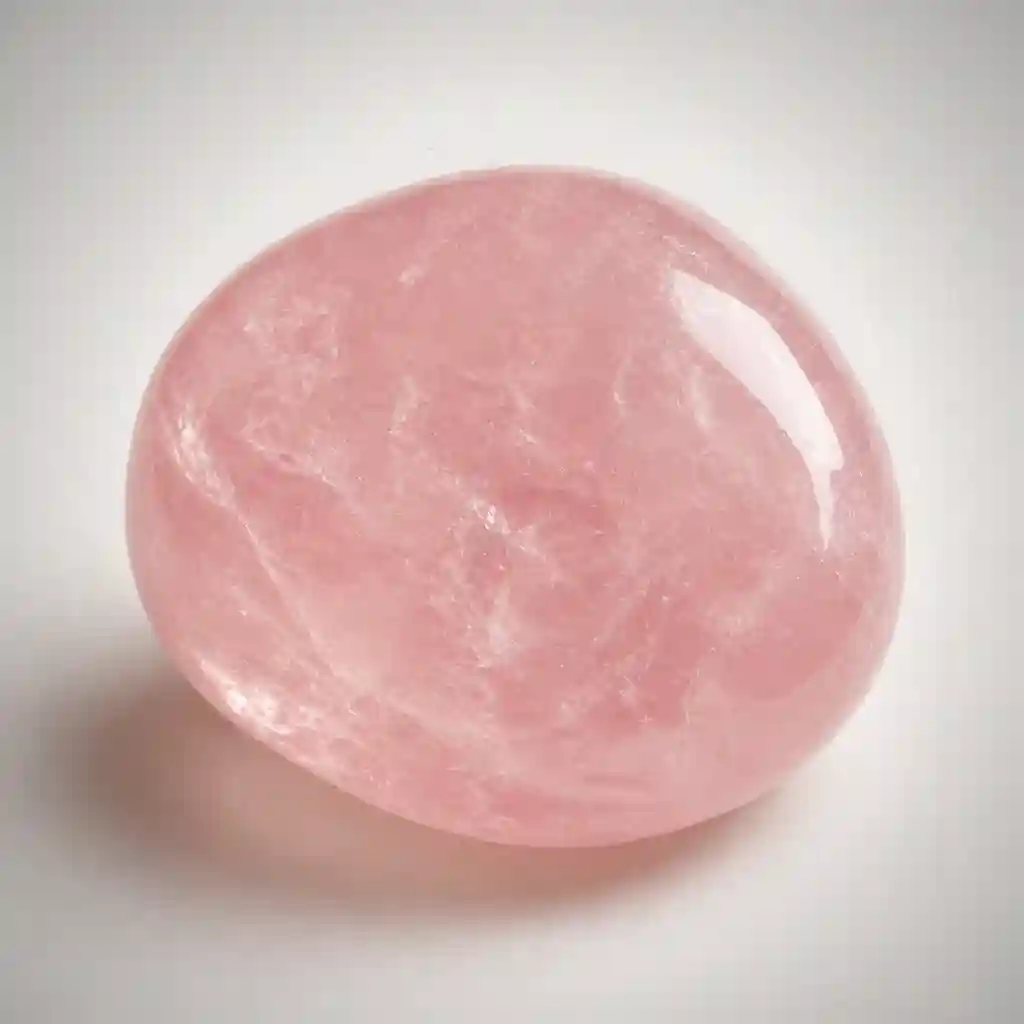
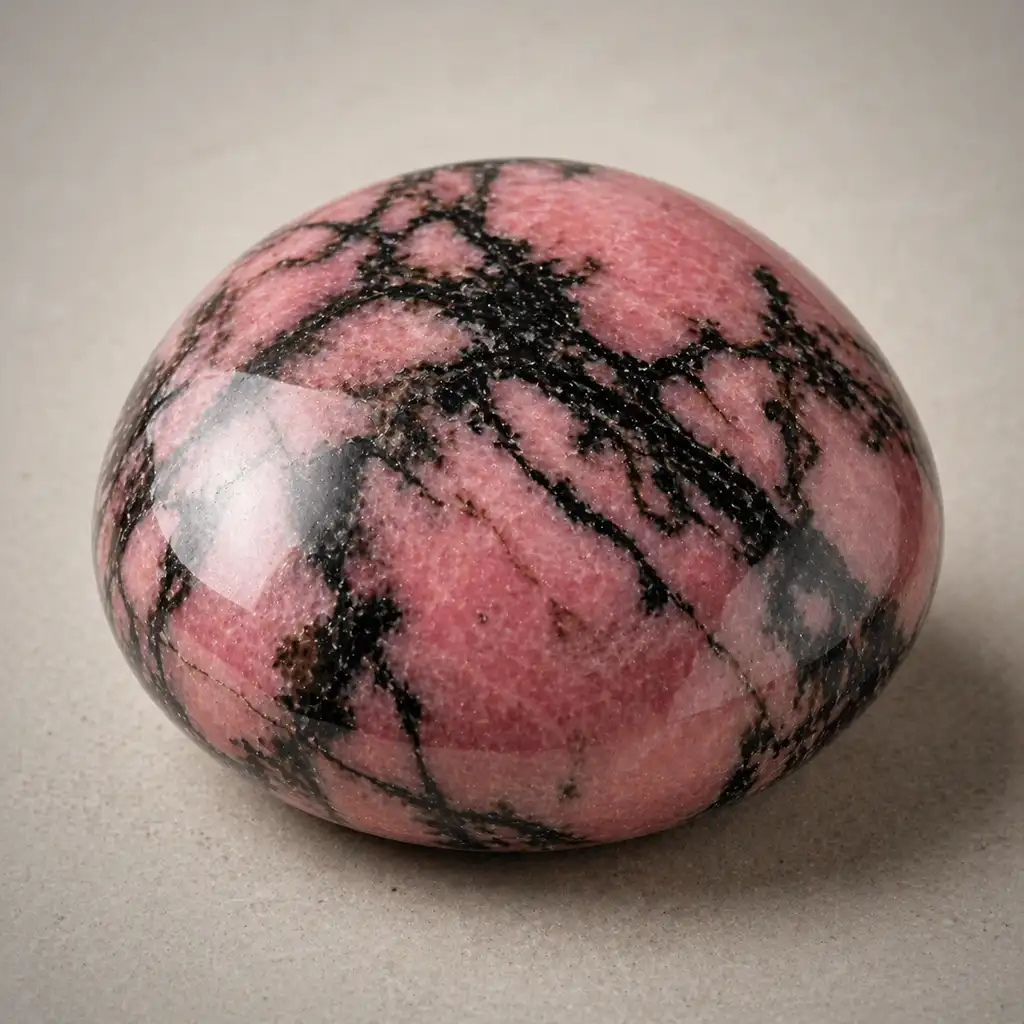
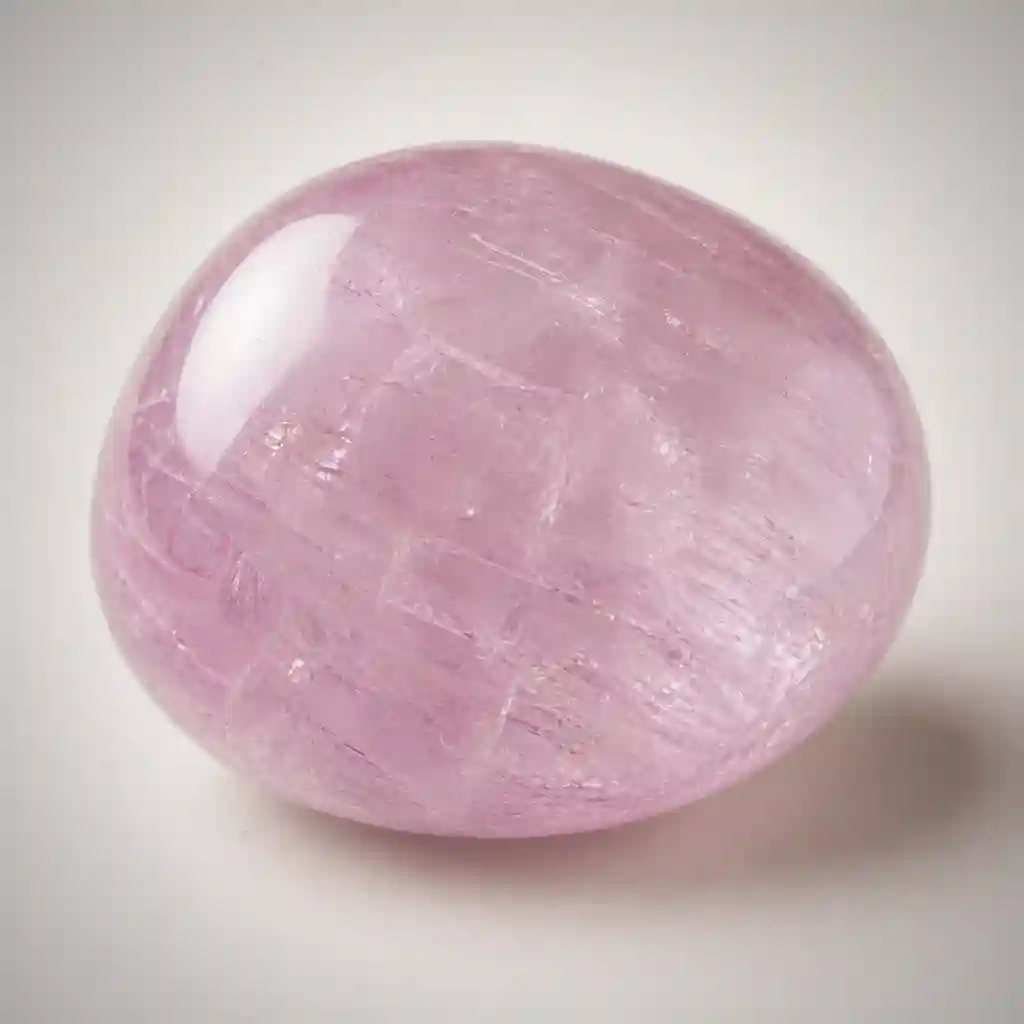
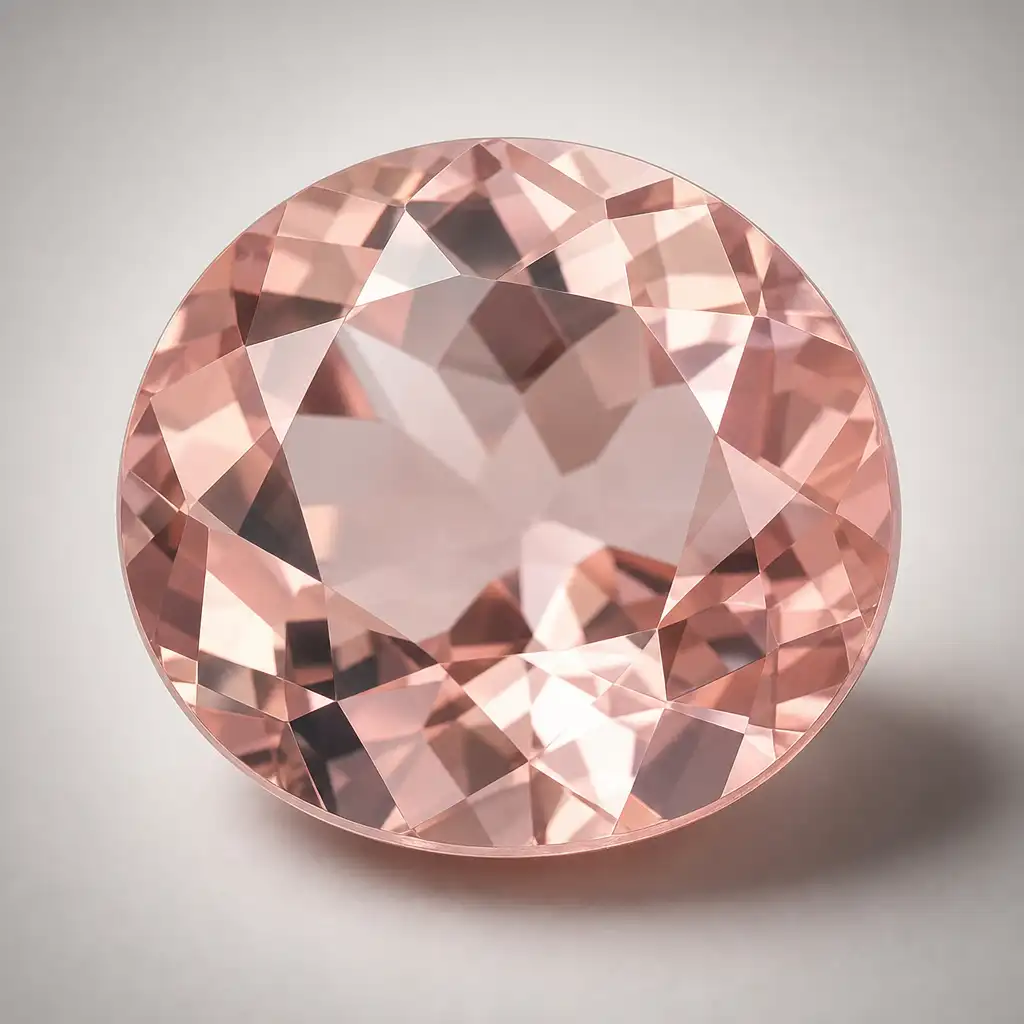
Pink Tourmaline is a deeply emotional stone that helps release old wounds, cultivate self-love, and open the Heart Chakra to genuine compassion.
People healing from heartbreak or grief, those working on self-worth and self-love, anyone wanting to release stored emotional pain, and individuals who struggle to be vulnerable
“I release what no longer serves my heart. I deserve love, compassion, and emotional freedom.”
Charge under moonlight; cleanse with sage smoke or selenite; brief water rinses are fine; avoid prolonged sunlight which may fade color
Pink Tourmaline Quick Answers
What is Pink Tourmaline good for?
Pink Tourmaline is primarily used for emotional healing and self-love. It helps release old emotional wounds, reduces anxiety and stress, and encourages compassion toward yourself and others. People work with it during grief recovery, after breakups, and during periods of low self-worth. Its Heart Chakra connection makes it one of the most effective stones for any heart-centered intention.
What is the difference between Pink Tourmaline and Rubellite?
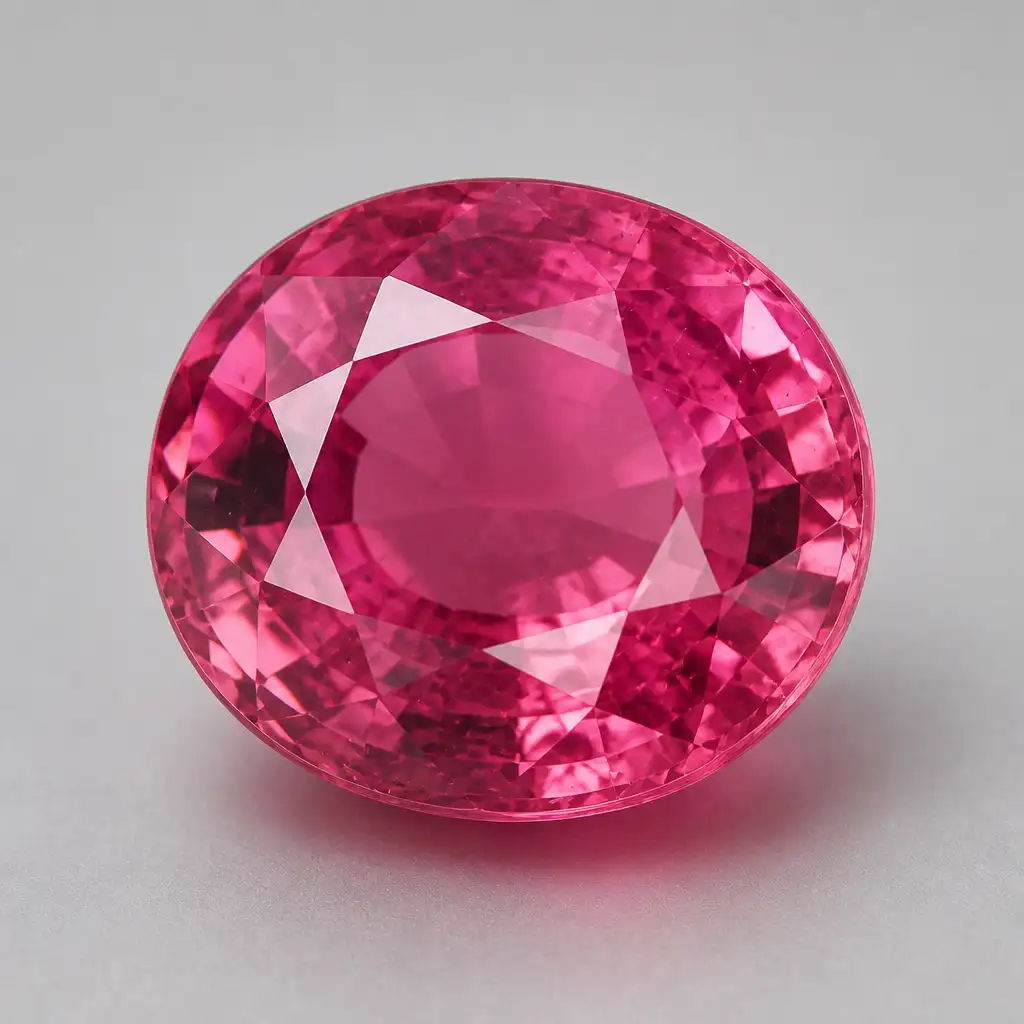
Rubellite is the trade name for Pink-to-Red Tourmaline that maintains its color under different lighting conditions. Not all Pink Tourmaline qualifies as Rubellite — only stones that show their color consistently in both natural and artificial light earn the designation. Lighter pink specimens that shift toward colorless in certain light are called Pink Tourmaline but not Rubellite. Both carry similar metaphysical properties.
What is the Meaning & History of Pink Tourmaline?
Core Meaning
The Stone of Emotional Healing — Pink Tourmaline is one of the most emotionally resonant crystals in the mineral kingdom. Where Rose Quartz soothes, Pink Tourmaline rolls up its sleeves — it helps you identify, feel, and release emotional patterns that have been stuck, sometimes for years. A warm, almost physical sensation in the chest is a common experience when working with it, which lines up with its Heart Chakra association. The stone really shines in self-love work. Plenty of people carry habits of self-criticism or self-neglect without realizing how deeply those grooves have been worn. Pink Tourmaline helps bring those patterns into view gently enough that you can actually sit with them instead of shutting down. Nothing gets forced — the stone simply holds space for you to move at your own pace. One thing that sets Pink Tourmaline apart from other Heart Chakra stones is its connection to the Root Chakra. That grounding thread means you can feel your emotions without losing your footing, which makes all the difference during intense emotional work.
Historical & Cultural Significance
Tourmaline has been recognized and valued across many civilizations, though it was often confused with other stones due to its wide range of colors. The Egyptians believed Tourmaline traveled from the earth's center through a rainbow, absorbing all colors along the way. In the 1700s, Dutch traders in Sri Lanka noticed that heated Tourmaline attracted ash and small particles, calling it "aschentrekker" (ash drawer) — one of the earliest documentations of pyroelectricity in minerals. Pink Tourmaline specifically gained prominence in the 19th century when large deposits were discovered in Brazil and California. The Chinese Empress Dowager Tzu Hsi was famously fond of Pink Tourmaline and had quantities shipped from California's Himalaya Mine to carve into jewelry and ornamental pieces. In 1952, Pink Tourmaline was added as an October birthstone alongside Opal.
Symbolism
- ✦Emotional healing — releasing stored grief, pain, and old wounds
- ✦Self-love — cultivating genuine compassion for yourself
- ✦Compassion — extending kindness to others without depleting yourself
- ✦Courage — the bravery to feel deeply without shutting down
- ✦Heart Chakra opening — creating space for love to enter and flow
- ✦Devotion — deep commitment to emotional truth and authenticity
Folklore & Legends
An ancient Egyptian legend says Tourmaline passed through a rainbow on its long journey from the center of the earth, gathering every color along the way. This story explains the extraordinary range of Tourmaline colors found in nature. In Native American traditions, Pink Tourmaline was used as a peace offering between rival groups — the stone was given as a token of emotional sincerity and the willingness to heal old conflicts. Some African traditions associate Pink Tourmaline with the spirit of compassion, believing it was colored by the earth's love for all living beings.
Geological Profile
Formation Process
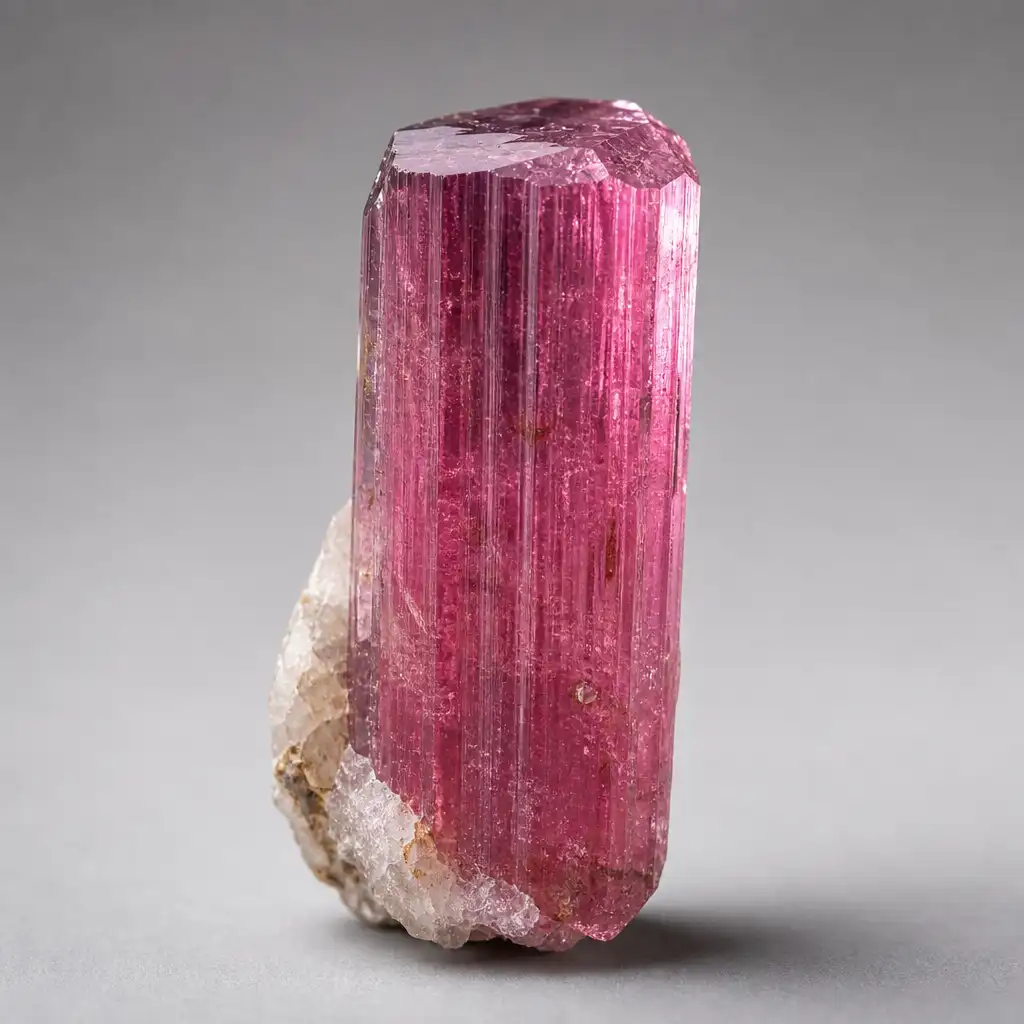
Pink Tourmaline is a complex borosilicate mineral that forms primarily in lithium-rich pegmatites and, less commonly, in metamorphic rocks. It crystallizes from hydrothermal fluids rich in boron, lithium, aluminum, and silicon that are expelled during the final stages of magma cooling. The pink color is caused by manganese ions (Mn²⁺ and Mn³⁺) substituting for other cations in the crystal lattice. Tourmaline crystals are typically elongated, prismatic with vertical striations, and often show trigonal cross-sections with rounded triangular outlines. Pink Tourmaline can occur as individual crystals or in clusters within pegmatite cavities.
Varieties
Rubellite
The premium variety of Pink-to-Red Tourmaline that maintains consistent color under all lighting conditions. Deeply saturated stones with good clarity are among the most valuable Tourmalines. Rubellite from Brazil and Afghanistan is especially prized.
Pale Pink Tourmaline
Lighter pink specimens that may shift toward colorless in certain lighting. More affordable than Rubellite but still carries strong Heart Chakra energy. Commonly found in tumbled stones and beads.
Bicolor Pink Tourmaline
Crystals showing both pink and colorless or pink and green zoning. These are visually striking and valued by collectors. The color zoning occurs due to changes in the chemical composition of the fluid during crystal growth.
Notable Origins
Brazil (Minas Gerais, Paraiba)
Brazil is the world's leading producer of Pink Tourmaline, yielding material in every shade from pale blush to vivid magenta. The famous Paraiba Tourmalines (neon blue-green) are found nearby, though Pink material comes primarily from Minas Gerais pegmatites.
Afghanistan (Nuristan)
Afghan Pink Tourmaline is known for exceptional color saturation and clarity. Nuristan Province produces some of the finest Rubellite in the world, often with deep rose-red hues that rival ruby.
Nigeria
Nigerian deposits produce Pink Tourmaline in good quantities, often with a warm, slightly orangey-pink hue. Material ranges from commercial grade to fine gem quality.
USA (California, Maine)
California's Himalaya Mine and San Diego County pegmatites have produced fine Pink Tourmaline since the late 1800s. Maine's Tourmaline is typically darker and more saturated. Both locations have historical significance in the American gem trade.
Mineral data verified via Mindat.org
Physical Properties
| Hardness | 7.5 on the Mohs scale |
| Chemical Formula | Na(Li,Al)₃Al₆(BO₃)₃Si₆O₁₈(OH)₄ |
| Crystal System | Trigonal |
| Primary Color | Pink |
| Origin | Brazil, Afghanistan, Nigeria, Mozambique, USA |
| Transparency | Transparent to translucent |
| Luster | Vitreous to resinous |
| Specific Gravity | 3.02-3.26 |
What Are the Healing Properties of Pink Tourmaline?
Emotional & Mental Well-being
Pink Tourmaline is one of the most effective crystals for deep emotional healing.
- ◆Some stones gently support emotional balance, but Pink Tourmaline takes a more active role — it helps you identify and release emotional patterns stored in the body, particularly in the chest area.
- ◆Practitioners consistently report that clients experience emotional breakthroughs when working with this stone, sometimes letting go of grief or pain they did not even realize they were carrying.
- ◆It is especially valuable for anyone who struggles with vulnerability.
- ◆The stone builds a sense of emotional safety that makes it possible to sit with difficult feelings instead of being swept away by them.
- ◆That quality is why it turns up so often in grief recovery work, breakup healing, and sessions focused on childhood emotional wounds.
- ◆Pink Tourmaline also helps with emotional boundaries.
- ◆It makes it easier to tell the difference between your own feelings and those you have absorbed from the people around you — a distinction that empaths and anyone caught in codependent patterns will recognize as critical.
Spiritual Properties
Spiritually, Pink Tourmaline is most often used for Heart Chakra activation and emotional clearing during meditation.
- ◆Placing it on the chest helps open and cleanse the heart center, creating room for deeper compassion and connection.
- ◆The stone also shows up in past-life regression work, where its comforting presence helps people process difficult memories without shutting down.
- ◆What gives Pink Tourmaline a unique quality in spiritual work is its dual Heart and Root Chakra connection.
- ◆You can reach elevated emotional states while staying grounded in your body — a combination that makes it a solid choice for anyone who tends to dissociate or feel "floaty" during spiritual practice.
- ◆The stone also has a place in devotional practices and prayer, especially when the intention involves softening emotional armor and opening to divine love or universal compassion.
Physical Healing Traditions
In traditional crystal healing, Pink Tourmaline is linked to the heart, circulatory system, and endocrine system.
- ◆Healers place it on the chest during sessions to support cardiovascular health and improve circulation.
- ◆It is also connected to the reproductive system and sometimes used in fertility-focused work.
- ◆Some healers recommend it for skin conditions that flare up during periods of emotional stress — the reasoning being that unresolved emotions can manifest physically.
- ◆The stone is also associated with calming an overactive sympathetic nervous system.
- ◆These uses draw on folk healing and metaphysical tradition rather than clinical research.
- ◆Crystal healing works best as a complement to professional medical care, not a replacement for it.
Note: These properties are based on metaphysical traditions and are not a substitute for medical advice.
What Science Says
Pink Tourmaline is a well-characterized member of the Elbaite group within the Tourmaline supergroup.
- ◆Its pink color comes from manganese ions (Mn²⁺ and Mn³⁺) in the crystal structure, confirmed by spectroscopic analysis.
- ◆Tourmaline is both pyroelectric (generates an electric charge when heated) and piezoelectric (generates a charge under mechanical pressure), properties first documented in the 18th century and now well understood through solid-state physics.
- ◆While the metaphysical properties of Pink Tourmaline have not been validated by peer-reviewed clinical research, the emotional processing practices it often supports — self-compassion work, grief counseling techniques, and emotional regulation exercises — do have substantial research backing in clinical psychology.
- ◆The stone functions as a tangible anchor for these established therapeutic approaches.
Which Chakras Does Pink Tourmaline Connect To?
Which Zodiac Signs Match Pink Tourmaline?
How Do You Use Pink Tourmaline?
Meditation
Hold Pink Tourmaline over the center of your chest while lying down or sitting comfortably. Close your eyes and breathe deeply into the area beneath the stone. For emotional release work, set the intention to let go of a specific pain or pattern, then simply sit with whatever arises. For self-love meditation, repeat "I am worthy of love and care" while visualizing pink light filling your chest. The stone's weight on the body creates a grounding anchor that helps you stay present with difficult emotions.
Daily Wear
A pendant worn near the heart is the most effective way to keep Pink Tourmaline's energy close throughout the day. Rings on the left hand (the receiving side in crystal tradition) are also popular. For people in emotionally demanding situations — difficult conversations, therapy appointments, challenging family gatherings — carrying a small tumbled stone in a pocket gives you something to reach for when emotions intensify.
Home Placement
Place Pink Tourmaline in the bedroom on your nightstand to support emotional processing during sleep and promote peaceful dreams. In the relationship corner of your home (the far right corner from the front entrance, per Feng Shui), it supports love and emotional harmony. A piece in shared living spaces can help soften communication between household members. Some practitioners recommend placing it near photos of loved ones with whom you want to heal or deepen your connection.
Crystal Grids
Use Pink Tourmaline as the center stone in grids focused on emotional healing, self-love, or heart-opening. Surround it with Rose Quartz for amplified love energy, Clear Quartz points to direct the energy outward, and Rhodonite for deep emotional wound work. For a self-compassion grid, arrange Pink Tourmaline in the center with Moonstone and Lepidolite in a triangle pattern. The key is holding a clear emotional intention while building the grid.
How Do You Cleanse & Charge Pink Tourmaline?
Moonlight Bathing
RecommendedSmudging
RecommendedSelenite Charging
RecommendedRunning Water
Brief rinses only; avoid prolonged soaking
Use CautionMoon Phase Charging: Pink Tourmaline responds beautifully to lunar charging. Place it in direct moonlight during the full moon for a complete energetic reset. For love-drawing intentions, charge it during the waxing moon (new moon to full moon). For emotional release work, the waning moon phase is ideal — it supports letting go of grief, resentment, and self-criticism. Moonlight is the gentlest and most effective charging method for Pink Tourmaline.
Avoid the following:
- ✗Prolonged direct sunlight — can fade the pink color over time
- ✗Salt water — salt can damage the surface polish and affect inclusions
- ✗Ultrasonic cleaners — vibration can crack stones with internal fluid inclusions
- ✗Harsh chemical cleaners — ammonia, bleach, and acids can damage the surface
- ✗Steam cleaning — heat stress can cause internal fractures
What Crystals Pair Well with Pink Tourmaline?
Best Combinations
Rose Quartz
Rose Quartz provides a gentle, continuous Heart Chakra support while Pink Tourmaline does the deeper emotional clearing work. Together they create a complete heart-healing toolkit — Rose Quartz for daily maintenance and Pink Tourmaline for processing heavier material.
Rhodonite
Rhodonite specializes in emotional wound healing and forgiveness work. Paired with Pink Tourmaline, it creates a powerful combination for processing old relationship trauma and moving toward genuine compassion for everyone involved, including yourself.
Black Tourmaline
Black Tourmaline provides grounding and protection at the Root Chakra while Pink Tourmaline opens and heals at the Heart Chakra. This pairing keeps you emotionally open without becoming energetically vulnerable — essential for deep emotional work.
If You Like Pink Tourmaline, Also Try
How Can You Tell if Pink Tourmaline is Real or Fake?
Common Imitations
Identification Tests
1.Pleochroism Check
Examine the stone under a single light source while slowly rotating it through different angles. Observe whether the color shifts noticeably.
Genuine Pink Tourmaline is strongly pleochroic — it shows noticeably different shades of pink (or pink vs. colorless) when viewed from different crystallographic directions. Glass and dyed quartz show no pleochroism. Synthetic corundum may show pleochroism but in different color ranges.
2.Hardness Test
Attempt to scratch a piece of glass with the stone, and try to scratch the stone with a steel knife.
Genuine Pink Tourmaline (Mohs 7-7.5) scratches glass easily and resists scratching by steel (Mohs 5.5). Glass imitations cannot scratch glass. Plastic and resin fakes are obviously much softer. This is a partially destructive test.
3.Specific Gravity Test
Weigh the stone in air and then suspended in water using a hydrostatic balance or digital scale with a water attachment.
Tourmaline has a specific gravity of 3.02-3.26, noticeably heavier than quartz (2.65) and glass (2.4-2.6). If a supposed Pink Tourmaline feels too light for its size, it may be glass or quartz. Precise measurement requires proper equipment.
4.Visual Inspection for Natural Inclusions
Examine the stone under 10x magnification with good lighting, looking for internal features.
Natural Pink Tourmaline typically contains thread-like growth tubes, liquid inclusions, or tiny mineral crystals. Perfectly clean stones with no inclusions at all may be synthetic. Dyed quartz may show color concentrations in cracks. Glass often contains round bubbles.
Price Reference
Small
$8-25
Medium
$30-100
Large
$80-400+
Pink Tourmaline pricing depends heavily on color saturation and clarity. Fine Rubellite with vivid, consistent color and good transparency commands premium prices. Paler material and included specimens are much more affordable. Cabochon-grade material is less expensive than faceted gem material.
Is Pink Tourmaline Safe? Care & Precautions
Toxicity Warning
Pink Tourmaline is non-toxic and safe for handling. It is a stable borosilicate mineral that does not pose health risks through normal skin contact or display.
Storage
Store Pink Tourmaline away from prolonged direct sunlight, which can cause gradual color fading in some specimens. Keep it in a soft pouch or lined box to prevent scratching. With a hardness of 7-7.5, it is durable but can still be scratched by harder materials like sapphire and diamond.
Special Warnings
- ⚠Prolonged UV exposure may cause gradual color fading — avoid sunny windowsills for long-term display
- ⚠Avoid ultrasonic cleaners — Tourmaline can contain fluid inclusions that may expand under vibration
- ⚠Avoid sudden temperature changes — thermal shock can cause internal fractures
What is Pink Tourmaline Best For?
Pink Tourmaline FAQ — Common Questions Answered
What is Pink Tourmaline good for?+
Pink Tourmaline is primarily used for emotional healing and self-love. It helps release old emotional wounds, reduces anxiety and stress, and encourages compassion toward yourself and others. People work with it during grief recovery, after breakups, and during periods of low self-worth. Its Heart Chakra connection makes it one of the most effective stones for any heart-centered intention.
What is the difference between Pink Tourmaline and Rubellite?+
Rubellite is the trade name for Pink-to-Red Tourmaline that maintains its color under different lighting conditions. Not all Pink Tourmaline qualifies as Rubellite — only stones that show their color consistently in both natural and artificial light earn the designation. Lighter pink specimens that shift toward colorless in certain light are called Pink Tourmaline but not Rubellite. Both carry similar metaphysical properties.
How do I cleanse Pink Tourmaline?+
The best methods are moonlight bathing (especially during a full moon), smudging with sage or palo santo, and placing it on a selenite charging plate. Brief rinses under running water are acceptable, but avoid prolonged soaking. Keep it away from harsh chemicals and ultrasonic cleaners, which can damage the stone over time.
Is Pink Tourmaline the same as Rose Quartz?+
No. Pink Tourmaline and Rose Quartz are different minerals with different chemical compositions. Pink Tourmaline is a complex borosilicate (harder, often more vivid in color), while Rose Quartz is a silica oxide (softer, usually paler and more translucent). Both are Heart Chakra stones used for love and emotional healing, but Pink Tourmaline is considered more activating and energizing, while Rose Quartz is more calming and gentle.
Where does Pink Tourmaline come from?+
Major sources include Brazil (Minas Gerais and Paraiba), Afghanistan (Nuristan Province), Nigeria, Mozambique, and the United States (California and Maine). Brazilian and Afghan material is particularly prized for color saturation. Pink Tourmaline forms in pegmatites and metamorphic rocks where lithium-bearing fluids crystallize slowly. It is moderately to expensively priced depending on color intensity and clarity.
Was this helpful?