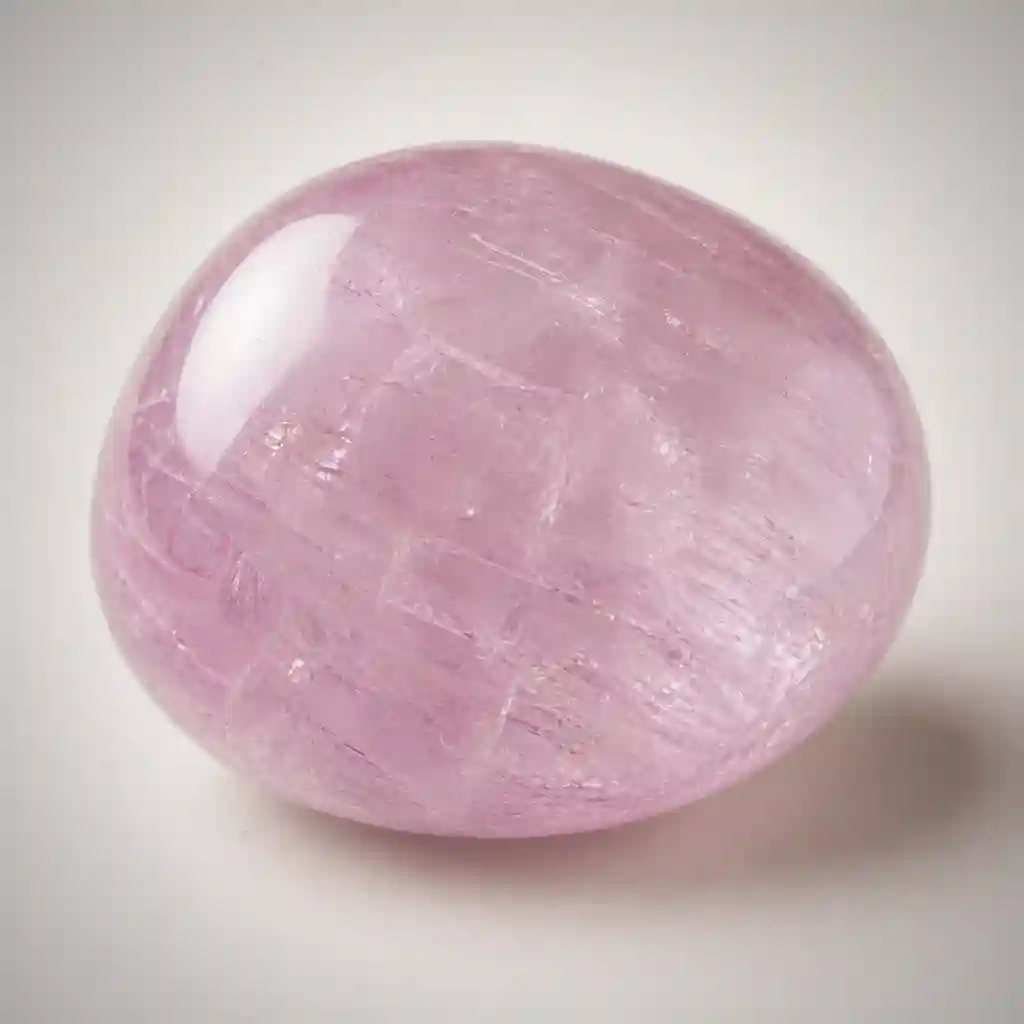
Kunzite at a Glance
Kunzite is a soft pink crystal that specializes in emotional healing. It gently dissolves walls around the heart and connects personal love to something bigger, making it easier to stay open when staying open feels hard.
People healing from heartbreak, anyone working through grief, Taurus and Scorpio individuals, and those who want to deepen their capacity for love without shutting down
“I let my heart stay open. Love moves through me freely, and I trust the healing that comes with vulnerability.”
Charge in moonlight only; cleanse with smudging or selenite; never expose to prolonged sunlight — Kunzite's color will fade permanently
Kunzite Quick Answers
What is Kunzite good for?
Kunzite is one of the best stones for emotional healing and opening the heart to love. It connects the Heart and Crown Chakras, which facilitates a more expansive, spiritual experience of love. Kunzite dissolves emotional blockages, releases heartbreak and grief, promotes inner peace and emotional balance, helps with depression and anxiety, and encourages vulnerability and authentic self-expression. It is also valued for supporting restful sleep and easing the effects of stress on the nervous system.
Does Kunzite fade in sunlight?
Yes, and this is well-documented in gemology. Prolonged sunlight exposure causes Kunzite's delicate pink-to-lavender color to fade, and the fading is irreversible. Avoid leaving Kunzite in direct sunlight for extended periods, whether it is jewelry or raw specimens. Store it in a dark place when you are not wearing it, and charge it with moonlight rather than sunlight.
What is the Meaning & History of Kunzite?
Core Meaning
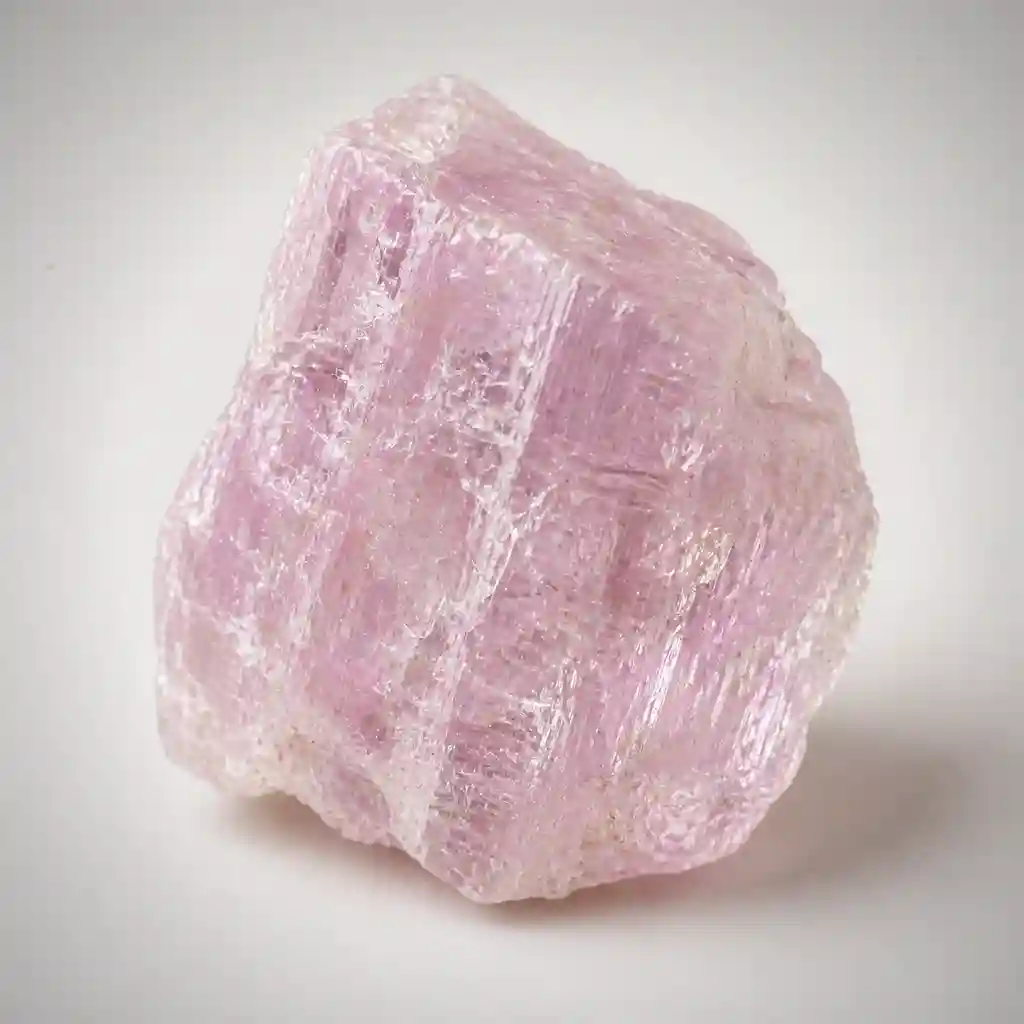
The Stone of Emotional Healing and Divine Love — Kunzite opens the heart to all forms of love: romantic, self-love, universal, and the kind of love that feels bigger than any one person. It connects the Heart and Crown Chakras, bridging emotional feeling and spiritual awareness. Its energy is gentle, but that does not mean it is weak. It can dissolve emotional blockages and help the heart stay open even when that feels frightening.
Historical & Cultural Significance
Kunzite was discovered in 1902 in the Pala District of California and named after George Frederick Kunz, the chief gemologist at Tiffany and Company. George Kunz was a passionate advocate for the metaphysical properties of gemstones and wrote extensively about the spiritual significance of crystals. Though new compared to stones like Jade or Lapis, Kunzite has become a favorite for emotional healing and heart work. The first major deposit was found in Connecticut, and significant sources were later discovered in Brazil, Afghanistan, and Madagascar.
Symbolism
- ✦Divine love — bridges the heart's emotions with higher spiritual awareness
- ✦Emotional healing — gently releases pain stored in the heart from past wounds
- ✦Vulnerability as strength — openness is not weakness
- ✦Inner peace — calms the nervous system and quiets anxious thoughts
- ✦Spiritual heart opening — connects personal love to something universal
Folklore & Legends
Kunzite was discovered too recently to have ancient folklore, but modern crystal practitioners have built their own traditions around it. Some believe Kunzite stayed hidden until the 20th century because humanity needed a stone for modern emotional challenges like anxiety, disconnection, and the fragmentation of love in industrialized society. In New Age traditions, Kunzite is associated with angelic realms and is said to help with communication with guardian angels and spirit guides, especially those connected to matters of the heart.
Geological Profile
Formation Process
Kunzite is the pink-to-violet variety of spodumene, a lithium aluminum silicate mineral that forms in lithium-rich granitic pegmatites. These coarse-grained igneous rocks crystallize from water-rich magmas enriched in rare elements including lithium, cesium, and tantalum. The pink-to-lavender color comes from trace amounts of manganese ions (Mn3+) that substitute for aluminum in the crystal lattice. Kunzite displays strong pleochroism, showing different colors (pink, colorless, and violet) when viewed from different crystallographic directions. In some Kunzite, natural irradiation within the Earth produces or intensifies the color.
Varieties
Kunzite (Pink Spodumene)
The pink-to-lavender variety and the most prized form of spodumene. Color ranges from pale blush pink to deep violet-pink. Strongly pleochroic, showing the best color when viewed down the crystal's c-axis.
Hiddenite (Green Spodumene)
The rare green variety of spodumene, colored by chromium. Named after William Hidden. Found primarily in North Carolina and Brazil. Much rarer than Kunzite and prized by collectors.
Triphane (Yellow Spodumene)
The yellow to colorless variety of spodumene. Less common and less commercially significant than Kunzite or Hiddenite. The name comes from the Greek for "appearing threefold," referring to its strong trichroic pleochroism.
Notable Origins
Afghanistan (Nuristan)
Produces some of the finest Kunzite in the world, with deep pink to violet colors and excellent clarity. Afghan Kunzite is prized by gem collectors for its intense, saturated color that rivals more expensive pink gemstones.
Brazil (Minas Gerais)
Major commercial source of Kunzite in a range of pink to lavender tones. Brazilian specimens are often found as large, well-formed prismatic crystals. The state of Minas Gerais has produced some of the largest Kunzite crystals ever found.
Madagascar
Known for Kunzite with particularly vivid pink color and excellent transparency. Madagascar also produces bicolor spodumene crystals that show both Kunzite (pink) and Hiddenite (green) zones in the same specimen.
Mineral data verified via Mindat.org
Physical Properties
| Hardness | 7 on the Mohs scale |
| Chemical Formula | LiAlSi₂O₆ |
| Crystal System | Monoclinic |
| Primary Color | Pink-Lavender |
| Origin | Brazil, Afghanistan, Madagascar, United States, Pakistan |
| Transparency | Transparent to translucent |
| Luster | Vitreous |
| Specific Gravity | 3.15-3.21 |
What Are the Healing Properties of Kunzite?
Emotional & Mental Well-being
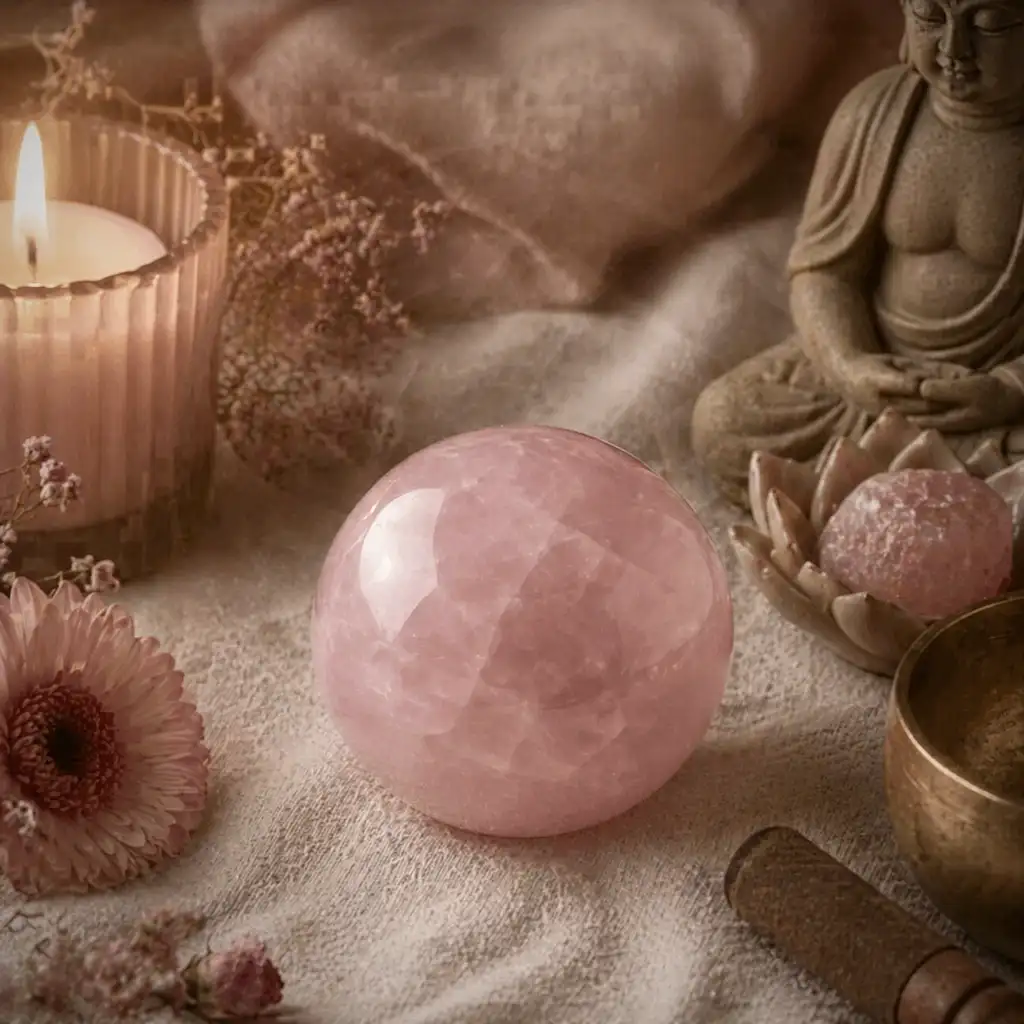
Kunzite is one of the gentlest yet most effective stones for emotional healing.
- ◆It specializes in dissolving emotional walls built up over years of pain, betrayal, or heartbreak, and it does so gently enough that the process feels safe.
- ◆Practitioners often recommend it for people who have closed their hearts to avoid more pain.
- ◆The stone helps them see that staying open is not a vulnerability but a strength.
- ◆Kunzite works especially well for processing grief, connecting personal sorrow to a larger context of love and meaning.
- ◆Many crystal workers report that Kunzite helps clients develop a compassionate relationship with their own pain, moving toward gentle acceptance rather than avoidance.
Spiritual Properties
In spiritual practice, Kunzite is valued as a bridge between the Heart and Crown Chakras.
- ◆It facilitates the experience of divine love, which is love that goes beyond individual relationships and connects to universal consciousness.
- ◆It is a good stone for heart-centered meditation, helping practitioners move beyond thinking about love into actually feeling it as something larger than themselves.
- ◆Kunzite supports empathy and compassion without the risk of empathic overwhelm, maintaining clear energetic boundaries while opening the heart.
- ◆Some practitioners use it for angelic communication and connecting with spirit guides.
- ◆During spiritual crisis or "dark night of the soul" experiences, Kunzite provides gentle reassurance that love is still there, even when you cannot feel it.
Physical Healing Traditions
Traditionally, Kunzite has been associated with the nervous system and the physical manifestations of emotional stress.
- ◆Crystal practitioners recommend it for tension headaches, anxiety-related insomnia, and psychosomatic symptoms caused by emotional suppression.
- ◆Its lithium content connects it to the calming energy lithium brings in medical contexts, though the amounts in the stone are not pharmacologically active.
- ◆Kunzite is also associated with supporting the endocrine system and hormonal balance.
Note: These properties are based on metaphysical traditions and are not a substitute for medical advice.
What Science Says
Kunzite is a variety of spodumene (LiAlSi2O6), a lithium aluminum inosilicate mineral.
- ◆Its pink-to-violet color is caused by Mn3+ ions, and the color can fade with prolonged exposure to sunlight or heat — a property well-documented in gemology.
- ◆Spodumene is an important ore of lithium, and the lithium content of Kunzite is chemically real, though not bioavailable through skin contact.
- ◆Kunzite's strong pleochroism (showing different colors from different angles) is a scientifically notable optical property.
- ◆While the metaphysical calming properties attributed to lithium content in the stone are not scientifically supported, the psychological benefits of engaging with a calming self-care ritual involving Kunzite are consistent with established mindfulness practices.
Which Chakras Does Kunzite Connect To?
Which Zodiac Signs Match Kunzite?
How Do You Use Kunzite?
Meditation
Hold Kunzite over the Heart Chakra (center of chest) during meditation, or place one piece on the Heart and another on the Crown to activate the full heart-crown bridge. Visualize soft pink light flowing up from your heart to the top of your head, connecting your deepest emotions to your highest awareness. For grief processing, breathe into the Kunzite and let any emotions that arise flow without judgment. Kunzite meditation is especially powerful during crescent moon phases.
Daily Wear
Wear Kunzite as a pendant over the heart for continuous emotional healing and heart opening. The pendant setting should protect the stone from impacts, since Kunzite has perfect cleavage (a tendency to split along flat planes). Remove it before sunbathing, swimming, or physical activity to protect both the color and structural integrity. Store in a dark jewelry box when you are not wearing it.
Home Placement
Place Kunzite in the bedroom to promote restful sleep, peaceful dreams, and emotional processing during the night. In the living room, it creates a gentle, loving atmosphere that encourages open communication. Avoid placing Kunzite in direct sunlight (like a sunny windowsill), since this will cause permanent color fading. For Feng Shui, place Kunzite in the southwest (love and relationships) or the east (health and family) sectors.
Crystal Grids
Use Kunzite as the center stone in grids for love, emotional healing, or spiritual heart work. Its high vibration amplifies any heart-focused intention. Pair with Rose Quartz for deep emotional healing, or combine with Amethyst and Moonstone for a spiritual love grid. Kunzite's Crown Chakra connection makes it a good bridge stone between the lower and higher chakras in chakra balancing grids.
How Do You Cleanse & Charge Kunzite?
Moonlight Bathing
RecommendedSmudging
RecommendedSelenite Charging
RecommendedSound Healing
RecommendedMoon Phase Charging: Charge Kunzite under the full moon for emotional healing, or during the crescent moon for new love and fresh emotional beginnings. Moonlight is the ideal charging method for Kunzite because it resonates with lunar energy and will not fade the color. Place Kunzite on a windowsill where it receives moonlight but not direct sunlight.
Avoid the following:
- ✗Sunlight — will permanently fade Kunzite's delicate pink color
- ✗Salt water — can damage the surface and seep into cleavage planes
- ✗Ultrasonic cleaners — vibrations can crack the stone along its perfect cleavage
- ✗Heat — can accelerate color fading and risk thermal shock cracking
- ✗Steam cleaning — both heat and moisture stress the stone
What Crystals Pair Well with Kunzite?
Best Combinations
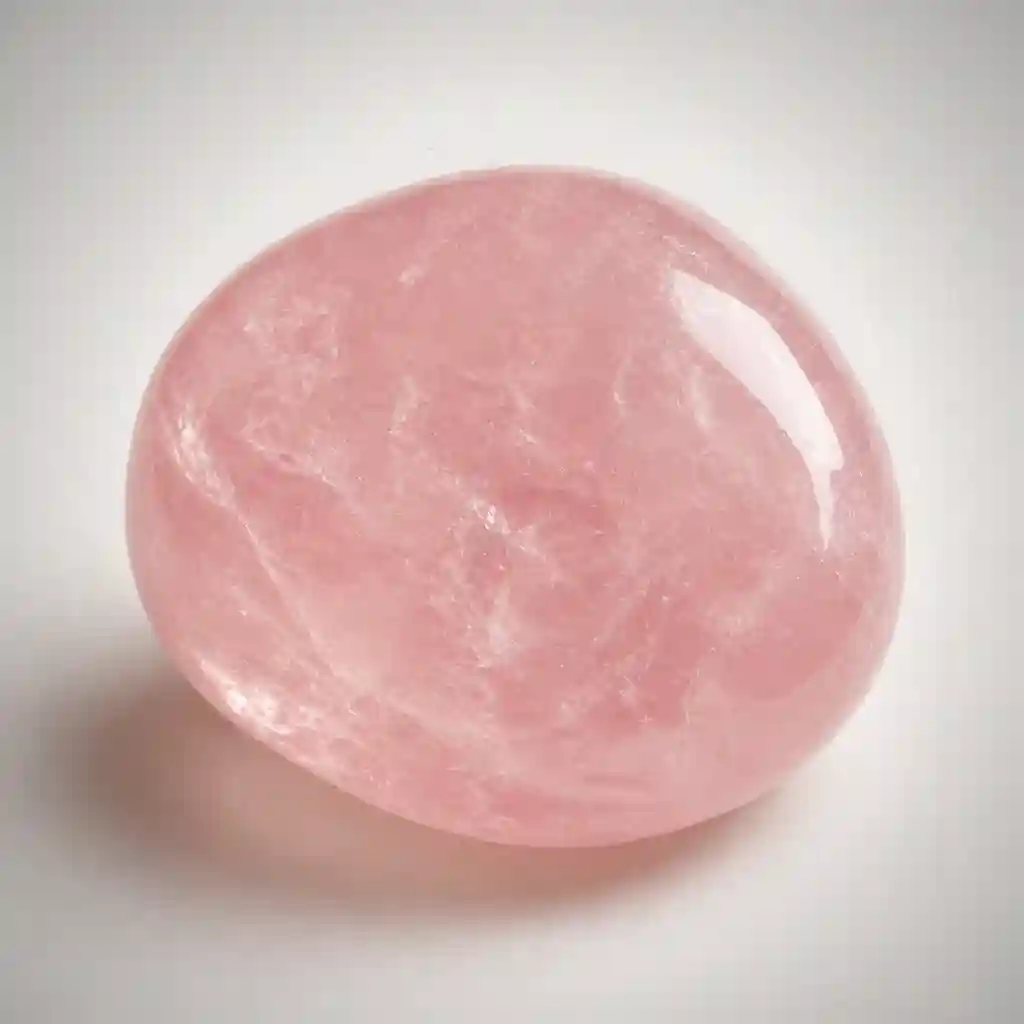
Rose Quartz
Rose Quartz provides steady, nurturing self-love while Kunzite elevates that love to the spiritual dimension. Together they cover heart healing from the personal to the transcendent
Amethyst
Amethyst amplifies Kunzite's Crown Chakra connection and adds spiritual protection, creating a safe space for deep emotional processing and spiritual work
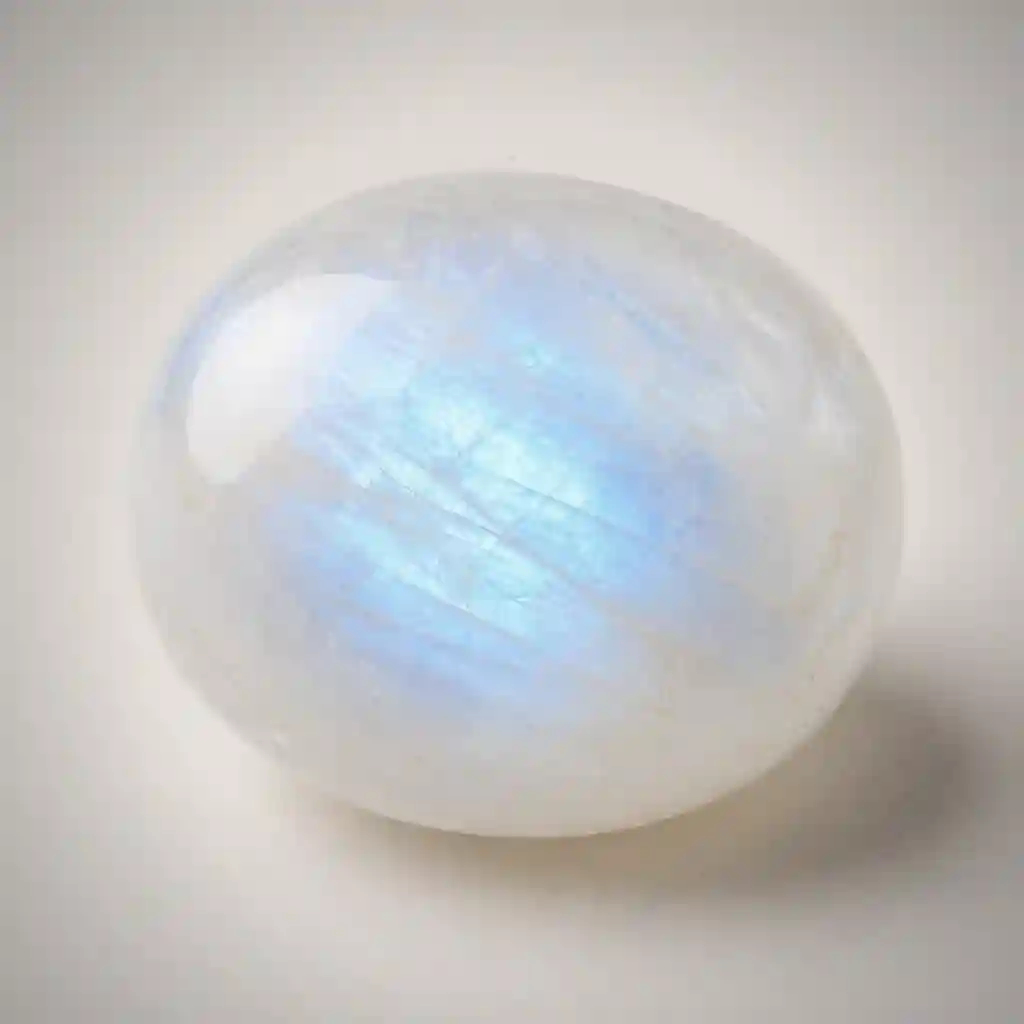
Moonstone
Moonstone enhances Kunzite's gentle, intuitive qualities and supports emotional cycling and release. A strong combination for hormonal balance and feminine energy work
Combinations to Approach with Caution
If You Like Kunzite, Also Try
How Can You Tell if Kunzite is Real or Fake?
Common Imitations
Identification Tests
1.Pleochroism Test
Examine the stone from different angles under good lighting, rotating it slowly.
Genuine Kunzite shows strong pleochroism — the color visibly changes from pink to near-colorless to violet as you rotate the stone. Glass and synthetic materials do not show this property.
2.Scratch Test
Attempt to scratch the stone with a steel file (Mohs ~6.5).
Kunzite (6.5-7 Mohs) should resist scratching by a steel file with moderate pressure. Pink glass (5.5 Mohs) will be easily scratched. Be careful not to apply too much force, as Kunzite has perfect cleavage.
3.UV Fluorescence Test
Examine the stone under shortwave and longwave UV light in a dark room.
Kunzite typically shows weak to strong pink or orange fluorescence under UV light due to its manganese content. Glass imitations do not fluoresce in the same way.
Price Reference
Small
$10-30
Medium
$30-100
Large
$80-300
Kunzite is moderately priced. Deeply saturated pink specimens command higher prices. Large, clean Kunzite gems are relatively common compared to other pink gemstones, keeping per-carat prices reasonable. Afghan Kunzite with vivid color is the most sought-after.
Is Kunzite Safe? Care & Precautions
Toxicity Warning
Kunzite is non-toxic and safe for handling. It contains lithium in its crystal structure, but this is not bioavailable through skin contact and poses no risk during normal use.
Storage
Critical: Store Kunzite away from direct sunlight and heat. Prolonged light exposure will permanently fade its pink-to-lavender color. Store in a dark, cool jewelry box or soft pouch. Kunzite has perfect cleavage in one direction, meaning it can split if struck sharply — protect it from impacts and drops.
Special Warnings
- ⚠Kunzite's color fades permanently with prolonged sunlight exposure — never display it in sunny windows
- ⚠Kunzite has perfect cleavage — a single sharp impact can split the stone along its crystal plane
- ⚠Avoid ultrasonic cleaners, as vibrations can exploit the cleavage plane and crack the stone
- ⚠Remove Kunzite jewelry before exercise, manual labor, or any activity with impact risk
What is Kunzite Best For?
Kunzite FAQ — Common Questions Answered
What is Kunzite good for?+
Kunzite is one of the best stones for emotional healing and opening the heart to love. It connects the Heart and Crown Chakras, which facilitates a more expansive, spiritual experience of love. Kunzite dissolves emotional blockages, releases heartbreak and grief, promotes inner peace and emotional balance, helps with depression and anxiety, and encourages vulnerability and authentic self-expression. It is also valued for supporting restful sleep and easing the effects of stress on the nervous system.
Does Kunzite fade in sunlight?+
Yes, and this is well-documented in gemology. Prolonged sunlight exposure causes Kunzite's delicate pink-to-lavender color to fade, and the fading is irreversible. Avoid leaving Kunzite in direct sunlight for extended periods, whether it is jewelry or raw specimens. Store it in a dark place when you are not wearing it, and charge it with moonlight rather than sunlight.
How does Kunzite differ from Rose Quartz?+
Both are pink heart-healing stones, but they work differently. Rose Quartz carries a gentle, steady, nurturing love energy. It is like a warm hug for the heart. Kunzite has a higher vibration that connects the heart to the Crown Chakra and divine love, so it is more transcendent and spiritually oriented. Rose Quartz teaches self-love and unconditional love; Kunzite teaches the connection between human love and something bigger. Kunzite is also a different mineral entirely (spodumene vs. quartz), and both are around 7 on the Mohs scale.
How does Kunzite connect the Heart and Crown Chakras for Taurus?+
Kunzite bridges the Heart and Crown Chakras, creating a channel between emotional love and spiritual awareness. For Taurus, the sensual, earthy sign it is a birthstone for, this connection elevates their natural love of physical beauty and comfort into a deeper spiritual experience. Kunzite helps Taurus see that their appreciation for life's pleasures is not superficial but can be a genuine form of devotion, connecting their earthly heart to higher love and purpose.
How rare is Kunzite and where is it found?+
Kunzite is a relatively modern gemstone, discovered in 1902 and named after George Frederick Kunz, the Tiffany and Company gemologist. It is found primarily in Brazil, Afghanistan, Madagascar, the United States (specifically San Diego County, California), and Pakistan. While not extremely rare, fine-quality Kunzite with vivid pink color and good clarity is less common and commands moderate to high prices. Its pleochroic nature, showing different colors from different angles, makes it especially prized by gem collectors.
Was this helpful?