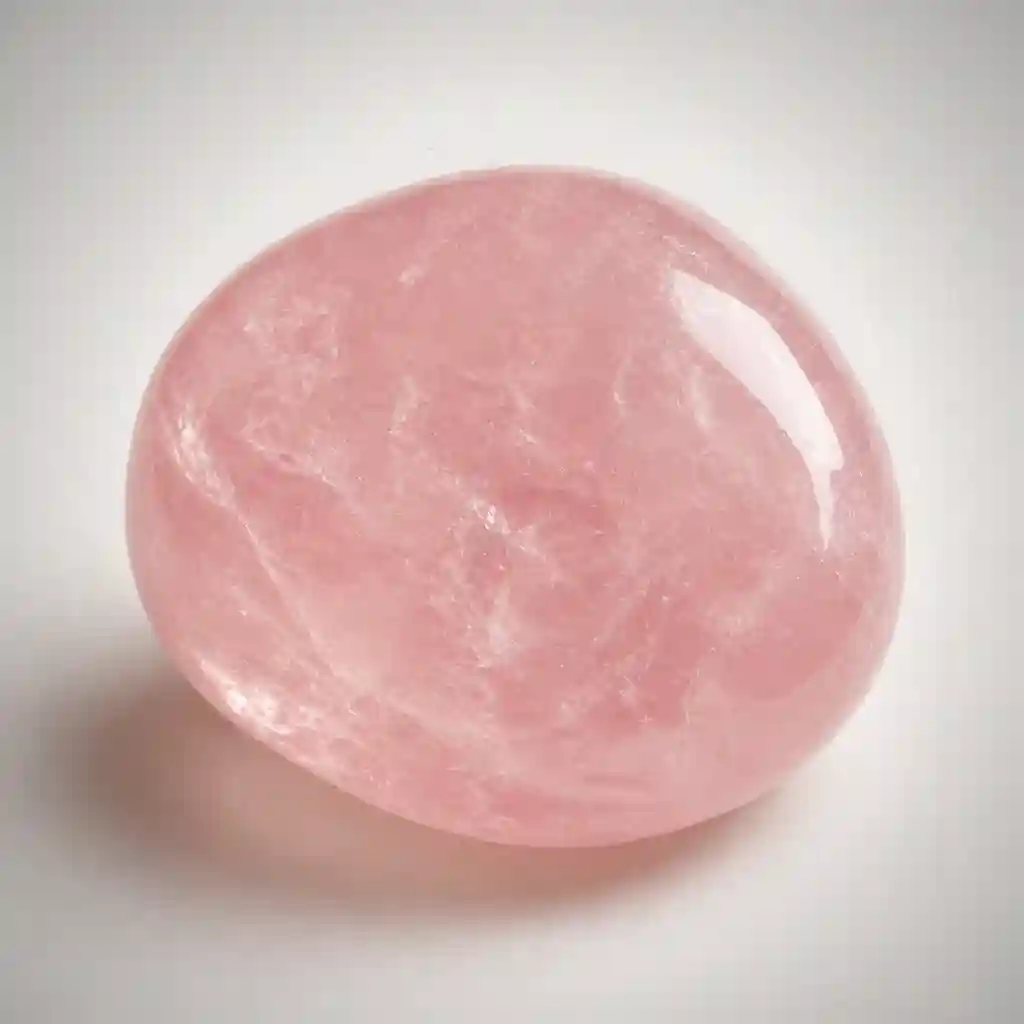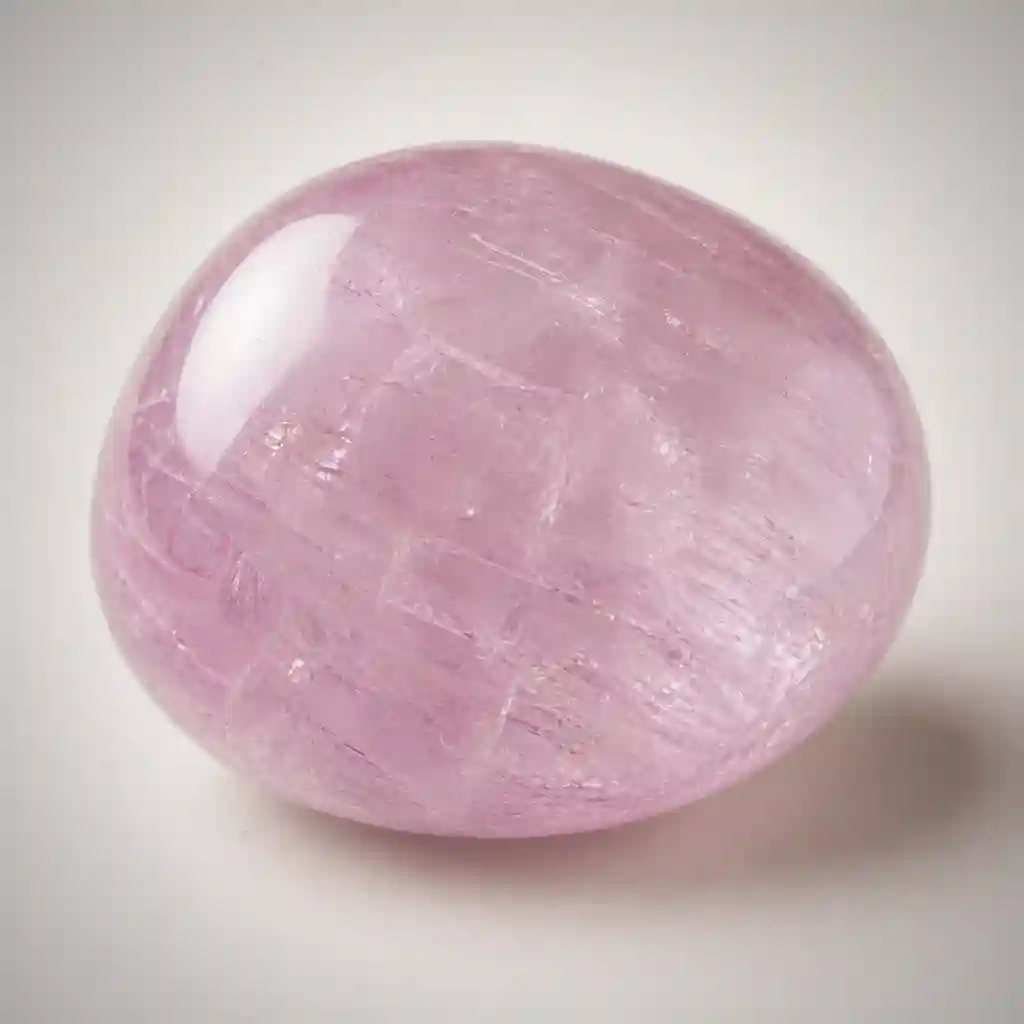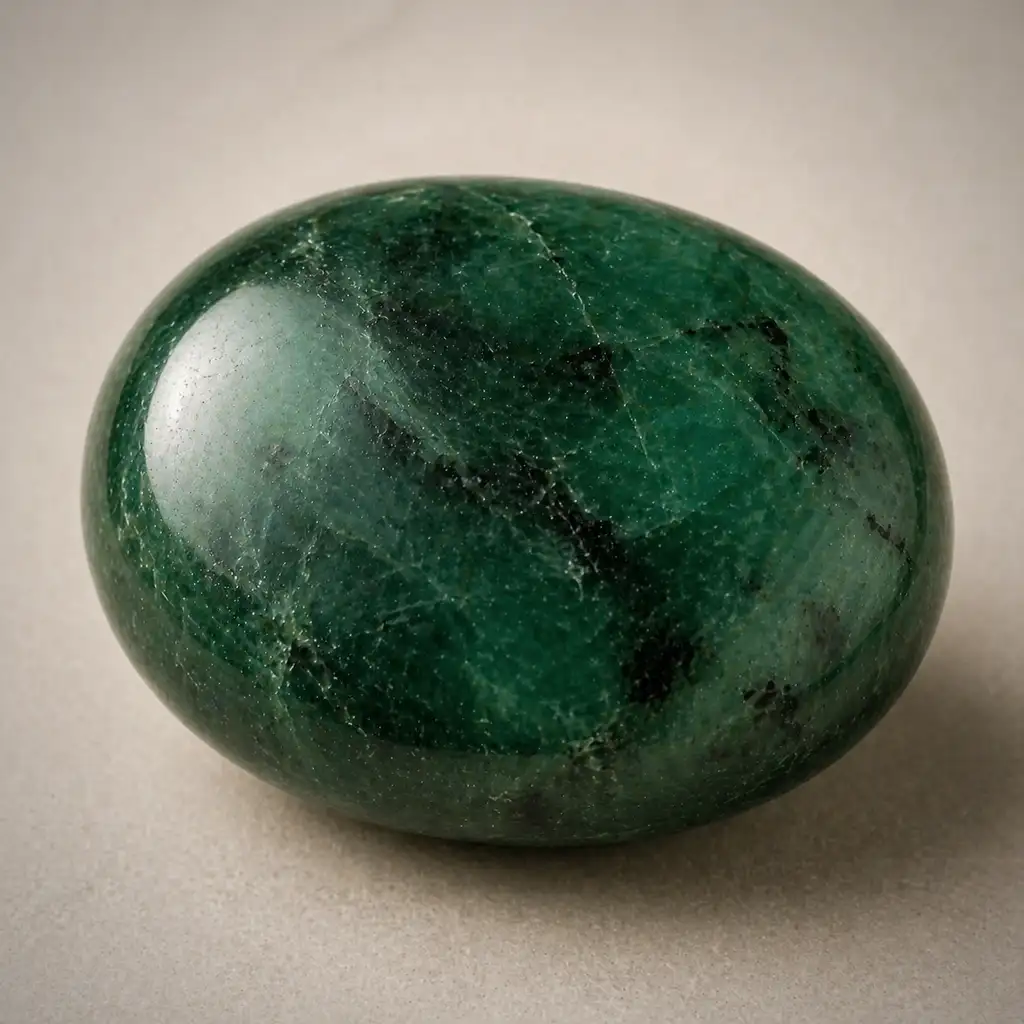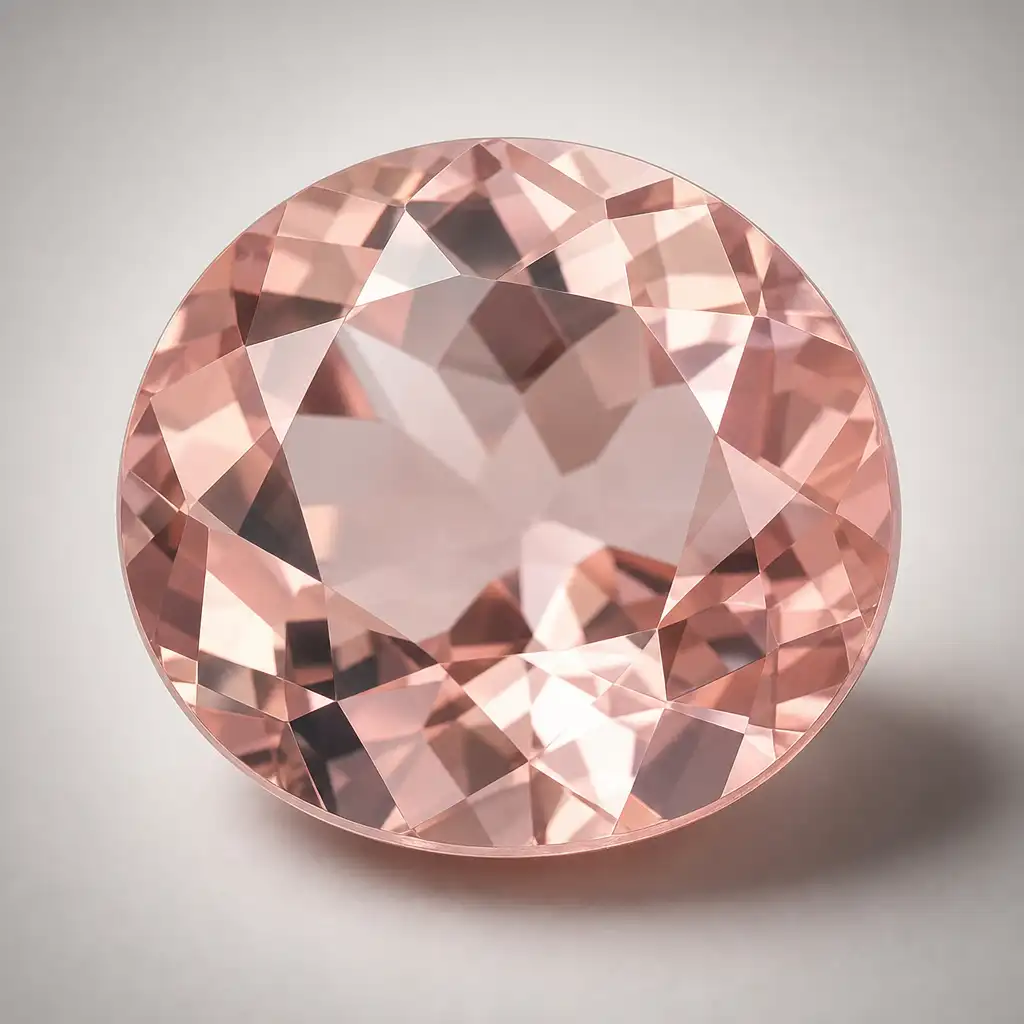
Morganite at a Glance
Morganite is a pink beryl that carries the frequency of divine, unconditional love, opening the heart to receive and give love in its highest, most compassionate form.
Anyone healing from heartbreak, seeking deeper self-love, wanting to attract or strengthen romantic love, or working to open their heart to unconditional compassion
“I am worthy of love in its purest form, and I give and receive love freely and fearlessly.”
Cleanse with moonlight, smudging, or gentle water rinsing; avoid prolonged direct sunlight; store away from harder stones; durable enough for regular jewelry wear
Morganite Quick Answers
What is Morganite good for?
Love and emotional healing are what Morganite does best. It helps attract new love, deepen the relationships you already have, and recover from heartbreak. Where it really shines is building self-love and loosening the grip of the belief that you are somehow unworthy of love. People also turn to it for stress relief, anxiety, and cultivating inner peace -- its energy has a way of being both uplifting and deeply calming at the same time.
Is Morganite heat treated?
Most Morganite on the commercial market has been heat-treated to enhance or shift its color from peachy-orange to pure pink. This is a standard and widely accepted practice in the gem trade that does not affect the stone's energetic properties. The treatment is permanent and stable at normal temperatures. Natural unheated Morganite with strong pink color is rarer and more valuable. If untreated material is important to you, ask the seller specifically.
What is the Meaning & History of Morganite?
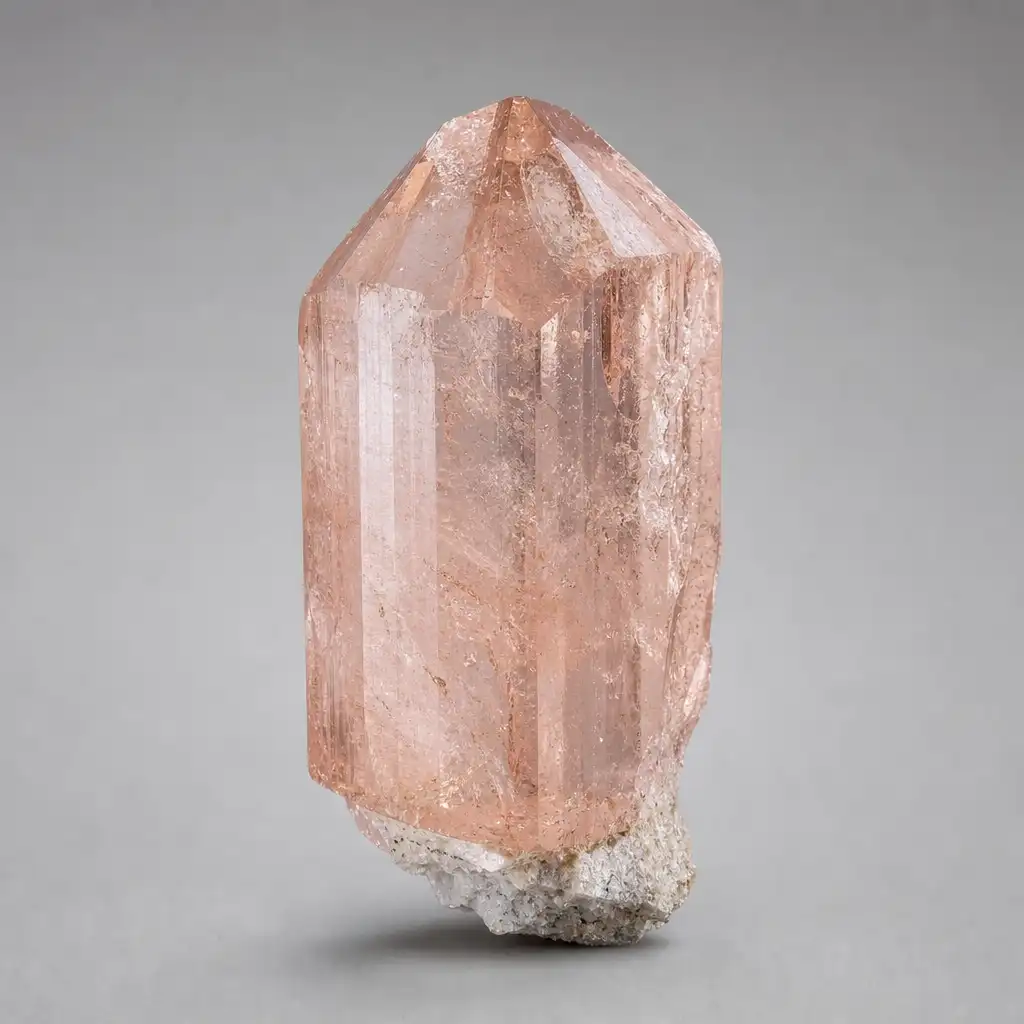
Core Meaning
The Stone of Divine Love — Morganite carries what practitioners call the frequency of divine love -- love that goes beyond personal attachment and touches something universal. That does not mean the stone is disconnected from real human emotion. It helps people access a kind of love that is deeply personal and generously expansive at the same time, the kind that does not try to possess, control, or demand. The stone works by clearing the Heart Chakra of the accumulated wounds, fears, and self-protective walls that get in the way of fully loving and being loved. It goes right at the fundamental belief -- one that a lot of people carry without realizing it -- that they are somehow unworthy of love. Morganite does not argue with that belief. It just holds a space where the heart feels safe enough and warm enough to let the story dissolve on its own. Crystal workers often describe it as the stone that reminds the heart what it already knows but has forgotten: that love is its natural state.
Historical & Cultural Significance
Morganite was first identified as a distinct variety of beryl in 1910 by George Frederick Kunz, the legendary gemologist and vice president of Tiffany & Co. He named it in honor of J.P. Morgan, the American financier and one of the most important gem collectors of the era, who had donated significant mineral specimens to the American Museum of Natural History. While the formal naming is recent, pink beryl has been found in historical jewelry collections dating back centuries. Significant deposits were discovered in Madagascar and Brazil in the early 20th century, and more recently in Afghanistan and Mozambique. The stone's use in engagement rings gained momentum in the 2010s as couples sought alternatives to traditional diamonds, drawn to its romantic symbolism and more accessible pricing.
Symbolism
- ✦Divine love: the highest expression of love, both personal and universal
- ✦Rose-pink dawn: the tenderness of new beginnings in love
- ✦Beryl clarity: transparent honesty in emotional matters
- ✦Heart activation: the courage to love without conditions or reservations
- ✦Morgan's legacy: the appreciation of beauty for its own sake
Folklore & Legends
While Morganite itself does not have extensive ancient folklore (being named only in 1910), the beryl family to which it belongs has deep mythological roots. Ancient Romans believed beryl could cure eye diseases and ensure victory in litigation. Medieval lapidaries associated beryl with the apostle Thomas and claimed it could rekindle love in failing marriages. In Renaissance Italy, pink beryl was sometimes associated with Venus and used in love charms. Some modern practitioners connect Morganite to the angelic realm, specifically to the archangel Chamuel, who is associated with love and relationships in angelological traditions.
Geological Profile
Formation Process
Morganite forms in pegmatites, which are coarse-grained igneous rocks that crystallize from the final, water-rich stages of magma cooling. Beryllium, a relatively rare element, concentrates in these late-stage fluids and combines with aluminum, silicon, and oxygen to form beryl crystals. The pink color develops when manganese ions (Mn2+) substitute for aluminum in the crystal structure. The intensity of the pink depends on the amount of manganese present and the oxidation state during formation. Large, well-formed Morganite crystals can grow in these pegmatite environments because the water-rich fluid allows slow, orderly crystal growth over thousands of years.
Varieties
Pink Morganite
The most sought-after variety, ranging from pale rose to medium pink. Often achieved through gentle heat treatment of peach-colored material. The finest material shows a pure pink without brown or orange modifiers.
Peach Morganite
Natural color with warm orange-pink to salmon hues caused by a combination of manganese and iron trace elements. Some collectors prefer this natural color over heat-treated pink material. Often from Brazilian and Afghan sources.
Salmon Morganite
A deeper orange-pink variety, often from Madagascar. The color is more saturated than typical peach Morganite. Heat treatment can lighten this toward pure pink if desired.
Notable Origins
Brazil (Minas Gerais)
One of the world's primary sources. Brazilian Morganite tends to have peach to salmon-pink natural colors. Large, clean crystals are found in the prolific pegmatite deposits of Minas Gerais. Much of the material is heat-treated to achieve the desired pink.
Madagascar
Produces some of the finest Morganite available, known for strong, saturated pink to magenta colors even without heat treatment. The pegmatite deposits of the Antsirabe region are particularly productive. Madagascar material is often considered the benchmark for quality.
Afghanistan (Nuristan)
Afghan Morganite comes from high-altitude pegmatite deposits and often displays excellent clarity with delicate pink to peach colors. Mining conditions are challenging, which limits supply. The material is valued for its natural color and good crystal form.
Mineral data verified via Mindat.org
Physical Properties
| Hardness | 7.5 on the Mohs scale |
| Chemical Formula | Be₃Al₂(SiO₃)₆ |
| Crystal System | Hexagonal |
| Primary Color | Pink (peach-pink to rose) |
| Origin | Brazil, Madagascar, Afghanistan, United States, Mozambique |
| Transparency | Transparent to translucent |
| Luster | Vitreous |
| Specific Gravity | 2.71-2.90 |
What Are the Healing Properties of Morganite?
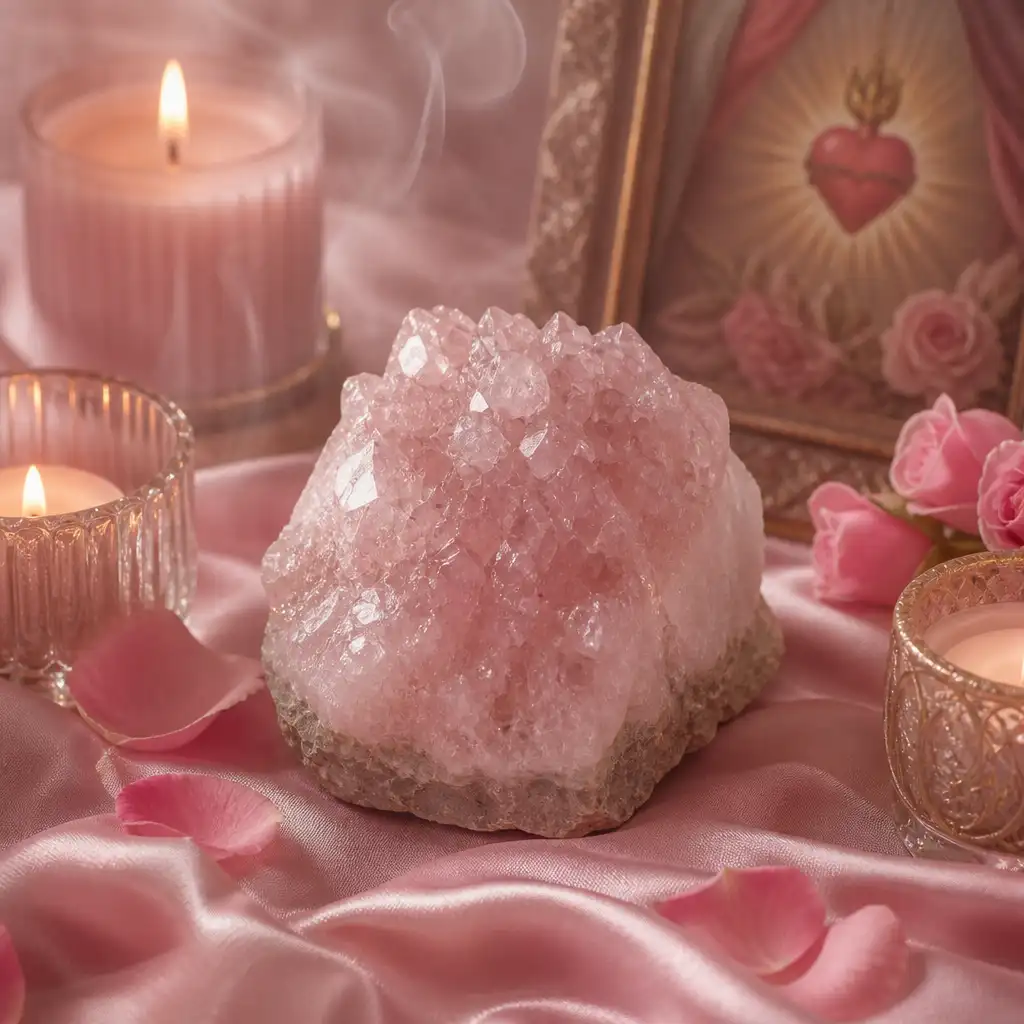
Emotional & Mental Well-being
For healing emotional wounds around love and relationships, Morganite is hard to beat.
- ◆It does not numb heartbreak -- instead, it creates a container strong enough to hold the full weight of grief while gently moving you toward healing.
- ◆Crystal workers find it especially useful for people who have walled off their hearts after one too many disappointments, because it helps dissolve those barriers without leaving you exposed to fresh harm.
- ◆The stone is also a workhorse for building self-love and self-compassion.
- ◆A lot of people walk around with a deep, half-hidden conviction that they are unlovable, or that love has to be earned through performance and sacrifice.
- ◆Morganite goes after that belief at its root, helping people see that love is not a prize to win but something they already deserve.
- ◆That shift tends to ripple outward into relationships, career, and creative life.
- ◆When anxiety and stress build up, Morganite's calming heart energy offers a quiet refuge from the noise.
Spiritual Properties
Morganite is tied to the highest expression of the Heart Chakra, what some traditions call the "high heart" or thymus chakra.
- ◆It bridges personal love with universal or divine love, opening up the experience of love as a state of being rather than just an emotion you direct at specific people.
- ◆Crystal workers use it to cultivate compassion that stretches beyond their immediate circle -- to strangers, to difficult people, and eventually back to themselves.
- ◆The stone also comes up in angelic communication work, especially with archangels connected to love and healing.
- ◆Some traditions use it to explore the akashic records of past relationships, not to dwell on old stories but to understand the soul-level lessons those connections carried.
- ◆Meditation with Morganite regularly produces experiences of deep peace, unconditional acceptance, and the distinct feeling of being held by something larger than yourself.
Physical Healing Traditions
Traditional crystal healing connects Morganite with the heart, lungs, and respiratory system.
- ◆It gets called upon for stress-related and emotionally-driven conditions -- chest tightness, anxiety-triggered asthma, heart palpitations tied to emotional distress.
- ◆The stone is also linked to the endocrine system (especially the thymus gland) and to supporting the body's natural healing processes during emotional recovery.
- ◆Some traditions recommend it for fertility and reproductive health, drawing on its long association with love and creation.
- ◆These are traditional crystal healing associations, not medical claims.
- ◆Talk to a qualified healthcare provider for any health concern.
Note: These properties are based on metaphysical traditions and are not a substitute for medical advice.
What Science Says
Morganite is a variety of beryl with the chemical formula Be3Al2(SiO3)6.
- ◆Its pink color comes from manganese ions (Mn2+) substituting for aluminum in the crystal lattice.
- ◆Heat treatment at 400-500 degrees Celsius can shift peach and salmon colors toward pure pink by altering the oxidation state of the manganese.
- ◆Morganite has a hardness of 7.
- ◆5-8 on the Mohs scale, making it durable enough for everyday jewelry.
- ◆It has a refractive index of 1.
- ◆57-1.
- ◆60 and exhibits pleochroism, showing slightly different colors when viewed from different angles.
- ◆Beryllium, the defining element of beryl, is toxic in its isolated form but is safely locked within the crystal structure and poses no risk during normal handling.
Which Chakras Does Morganite Connect To?
Which Zodiac Signs Match Morganite?
How Do You Use Morganite?
Meditation
Place Morganite on the center of your chest and breathe deeply into your heart space. Visualize soft pink light filling and expanding your heart, dissolving any tightness, fear, or old grief. For self-love work, look in a mirror while holding Morganite and speak words of kindness to yourself. Morning meditations with Morganite set a tone of openness and warmth for the entire day.
Daily Wear
A Morganite pendant at heart level provides continuous heart chakra support and keeps its loving energy in your aura throughout the day. Morganite rings are popular and durable enough for daily wear, though remove them during heavy manual work. Rose gold settings complement the pink tones beautifully. Wear Morganite on dates, during difficult conversations, or any time you need to stay heart-centered under pressure.
Home Placement
Place Morganite in the bedroom to promote loving, peaceful energy in your most intimate space. In the southwest corner of your home (the traditional love and relationship sector in Feng Shui), it supports romantic harmony. A piece on your meditation altar elevates the energy of your practice. Couples can place matching pieces on either side of the bed to maintain loving connection.
Crystal Grids
Use Morganite as the center stone in love and relationship grids. Surround it with Rose Quartz for deep heart healing, Kunzite for amplified high-heart energy, and Clear Quartz to program specific intentions. For self-love grids, pair with Moonstone (feminine wisdom) and Amethyst (spiritual awareness). Morganite's elevated frequency makes it ideal for grids focused on unconditional love rather than attracting a specific person.
How Do You Cleanse & Charge Morganite?
Moonlight Bathing
RecommendedSmudging
RecommendedSound Healing
RecommendedRunning Water
RecommendedMoon Phase Charging: Morganite responds well to moonlight charging, particularly during the full moon and new moon. Place it overnight in moonlight to refresh its loving energy. It can also be cleansed under gently running water, with sound healing, or by smudging. Morganite's hardness makes it one of the more versatile crystals for cleansing methods.
Avoid the following:
- ✗Harsh chemical cleaners that could affect surface polish
- ✗Ultrasonic cleaners should be used with caution if the stone has fractures or inclusions
- ✗Extreme heat (can affect heat-treated color)
What Crystals Pair Well with Morganite?
Best Combinations
Rose Quartz
Rose Quartz provides the nurturing foundation while Morganite elevates the frequency, creating a complete heart healing and love activation system.
Kunzite
Kunzite also works on the high heart and connects heart with mind. Together they create a powerful combination for healing deep emotional wounds and accessing unconditional love.
Aquamarine
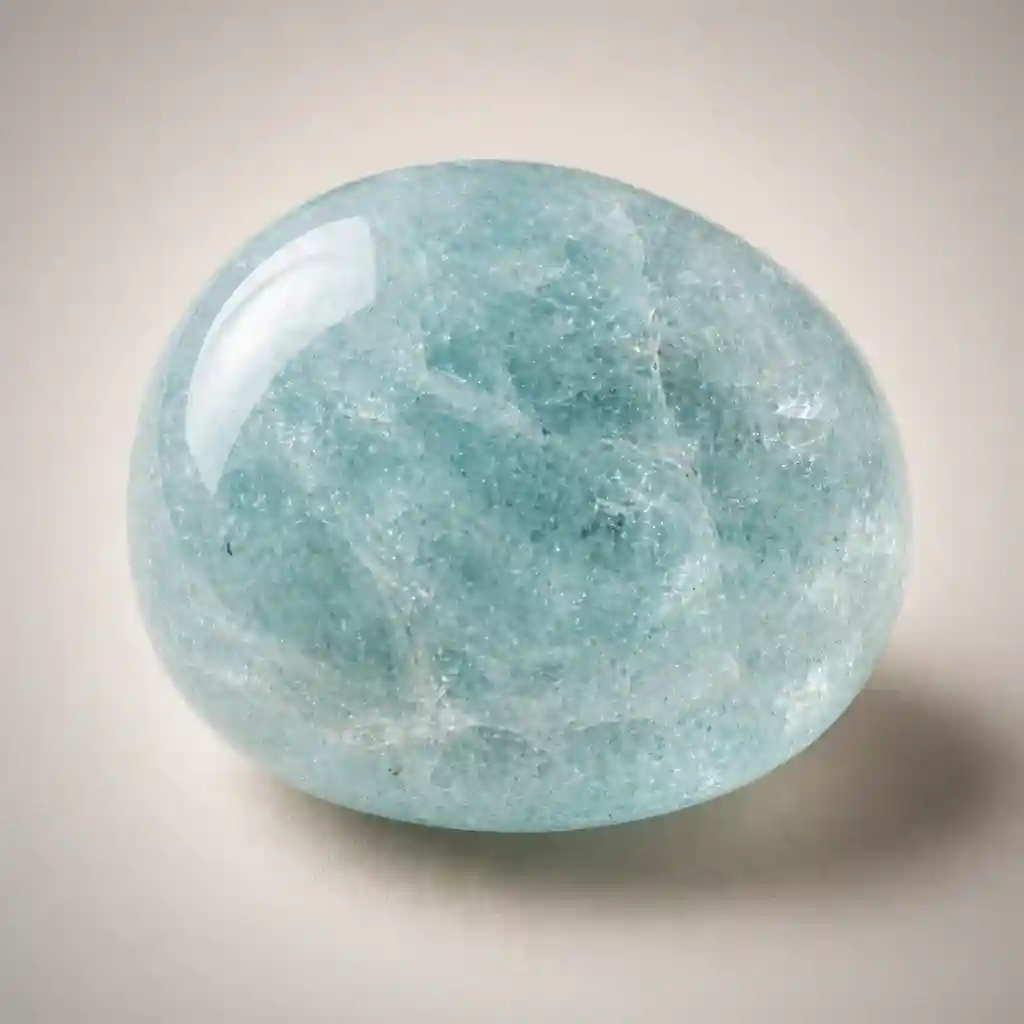
Both are beryl varieties. Aquamarine opens the throat while Morganite opens the heart, enabling loving, honest communication in relationships.
Moonstone
Moonstone's connection to feminine cycles and intuition complements Morganite's heart-opening energy, making this an excellent pair for women's healing and self-love work.
If You Like Morganite, Also Try
How Can You Tell if Morganite is Real or Fake?
Common Imitations
Identification Tests
1.Refractive Index Test
Use a refractometer to measure the refractive index of the stone. This is a standard gemological test.
Genuine Morganite (beryl) has a refractive index of 1.57-1.60. Glass imitations typically have different refractive indices. Pink topaz has a higher RI (1.61-1.64). Synthetic spinel has an RI around 1.72. This test is one of the most reliable for distinguishing beryl from imitations.
2.Pleochroism Test
Examine the stone under a dichroscope or rotate it under polarized light to observe pleochroism (color change with viewing angle).
Genuine Morganite shows distinct pleochroism, appearing pale pink from one angle and slightly deeper pink or peachy-pink from another. Glass and most synthetic materials do not show pleochroism. This is a useful confirmatory test when combined with other observations.
3.Hardness Test
Test the stone against known hardness references. Try scratching a piece of quartz (hardness 7) and check if the specimen can be scratched by a steel file (hardness ~6.5).
Genuine Morganite (7.5-8 Mohs) will scratch quartz and cannot be scratched by a steel file. Glass imitations (typically ~5.5 Mohs) will be scratched by quartz and steel. Pink topaz (8 Mohs) is similarly hard, so hardness alone cannot distinguish them.
4.Specific Gravity Test
Measure the specific gravity using a hydrostatic balance or heavy liquid immersion.
Genuine Morganite has a specific gravity of 2.71-2.90. Glass imitations often have significantly different SG values (usually higher). Pink topaz is noticeably heavier (SG 3.5-3.6). This test helps differentiate Morganite from both lighter and heavier imitations.
Price Reference
Small
$15-50
Medium
$40-150
Large
$100-500
Morganite pricing depends primarily on color saturation and clarity. Strong pink material from Madagascar commands premium prices. Heat-treated pink material is the most common and affordable. Large, clean faceted stones are relatively available due to the large crystal size beryl can achieve. Engagement ring quality faceted stones typically range from $50-300 per carat.
Is Morganite Safe? Care & Precautions
Toxicity Warning
Morganite is a beryllium aluminum silicate. While beryllium is toxic in its isolated, dust form, it is safely locked within the crystal structure of beryl and poses no risk during normal handling, wear, or display. Do not crush, grind, or inhale Morganite dust. Normal handling, jewelry wear, and crystal work are completely safe.
Storage
Morganite is relatively hard (7.5-8 Mohs) and durable, requiring no special storage beyond basic care. Store away from harder materials like diamond and sapphire that could scratch other pieces. No special light sensitivity concerns, though extreme prolonged sun exposure may have minor effects on treated stones.
Special Warnings
- ⚠Do not crush or grind Morganite, as beryllium-containing dust should not be inhaled
- ⚠Remove rings during heavy physical activity to protect the setting, not the stone itself
- ⚠Sudden extreme temperature changes should be avoided with any gemstone
What is Morganite Best For?
Morganite FAQ — Common Questions Answered
What is Morganite good for?+
Love and emotional healing are what Morganite does best. It helps attract new love, deepen the relationships you already have, and recover from heartbreak. Where it really shines is building self-love and loosening the grip of the belief that you are somehow unworthy of love. People also turn to it for stress relief, anxiety, and cultivating inner peace -- its energy has a way of being both uplifting and deeply calming at the same time.
Is Morganite heat treated?+
Most Morganite on the commercial market has been heat-treated to enhance or shift its color from peachy-orange to pure pink. This is a standard and widely accepted practice in the gem trade that does not affect the stone's energetic properties. The treatment is permanent and stable at normal temperatures. Natural unheated Morganite with strong pink color is rarer and more valuable. If untreated material is important to you, ask the seller specifically.
How does Morganite compare to Rose Quartz for love work?+
Think of rose quartz as a warm blanket for the heart -- nurturing and gentle. Morganite operates at a higher, more refined frequency, bridging personal love with something universal. Rose quartz is usually the starting point for self-love work, while Morganite takes things deeper, opening access to the most unconditional expressions of love. The good news is you do not have to choose -- they work beautifully together.
Is Morganite a good engagement ring stone?+
It has become a genuinely popular alternative to diamond, and for good reason: romantic pink color, excellent brilliance and fire, and solid durability at 7.5-8 on the Mohs scale. The catch is that it is still softer than diamond or sapphire, so it needs more care. Protective settings like halos or bezels are a smart choice. The color can fade a touch with prolonged sun exposure, so it works best for someone willing to take the ring off for long stretches outdoors.
What chakra is Morganite associated with?+
The Heart Chakra is Morganite's home turf -- it both opens and activates this center. Where some heart stones trigger emotional release, Morganite takes a different route: it elevates the heart's frequency, opening the door to states of unconditional love, compassion, and emotional clarity. Some practitioners also feel it activates the higher heart (thymus) chakra, creating a bridge between personal emotion and spiritual love.
Was this helpful?