Tanzanite at a Glance
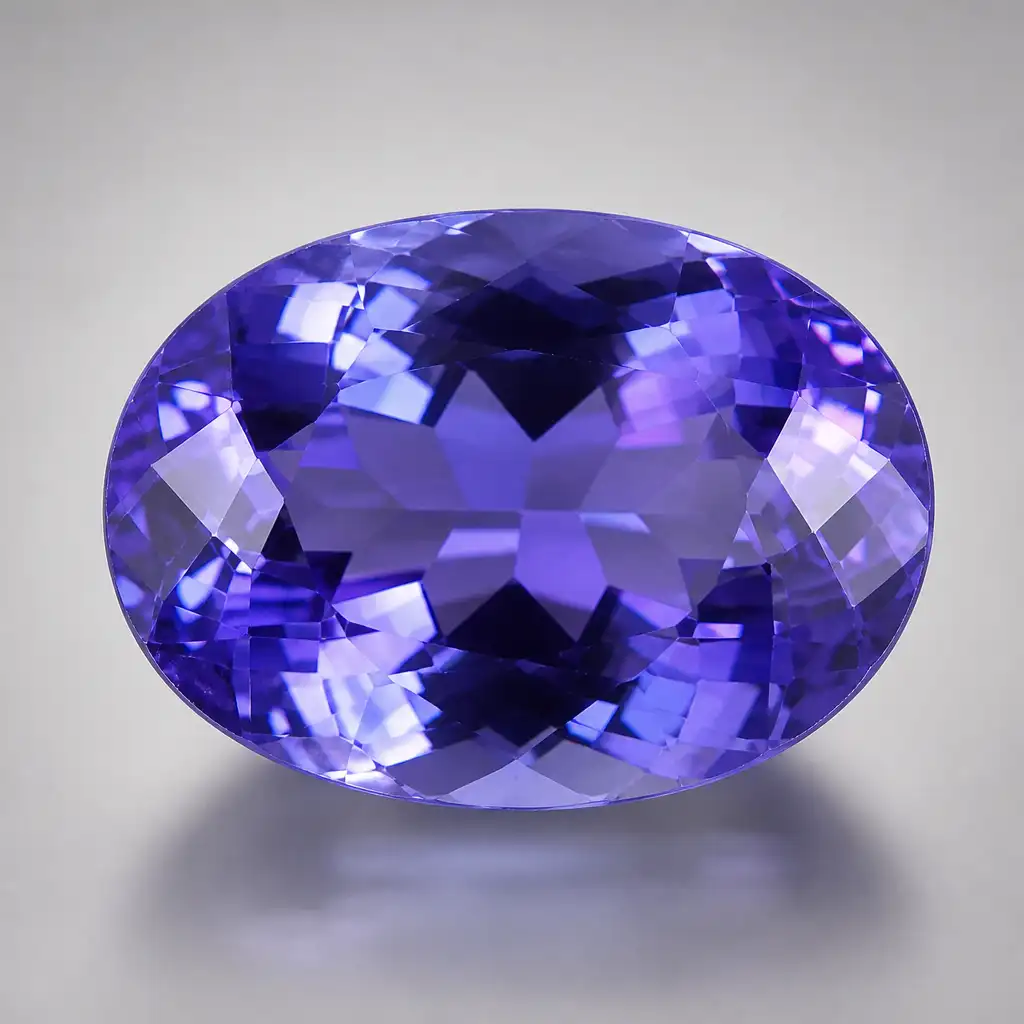
Tanzanite is the stone of transmutation — a rare, pleochroic blue-violet crystal that activates the higher chakras, deepens spiritual awareness, and transforms consciousness across the Throat, Third Eye, and Crown.
Spiritual seekers, meditators, those undergoing major life transformations, and anyone drawn to working with the higher chakras and expanded states of consciousness
“I am transforming, evolving, and opening to the highest expression of my spiritual truth.”
Cleanse with moonlight or selenite; avoid heat, ultrasonic cleaners, and prolonged sunlight; store separately from harder stones
Tanzanite Quick Answers
What is Tanzanite good for?
Tanzanite is primarily valued for spiritual transformation and integrating higher awareness into everyday life. It activates the Throat, Third Eye, and Crown Chakras, making it an exceptional stone for meditation, psychic development, and spiritual exploration. Its energy supports clear communication of spiritual insights, enhances intuition, and facilitates the process of transforming old patterns and beliefs into higher understanding. It also stimulates creativity and brings a calm, elevated perspective to stressful situations.
Why is Tanzanite so expensive?
Tanzanite is found in only one location on Earth — a small area of approximately 8 square miles in the Merelani Hills of northern Tanzania. This extreme geographic rarity, combined with strong global demand and the fact that the known deposits are finite and being depleted, makes Tanzanite significantly more valuable than most colored gemstones. High-quality stones with vivid blue-violet color and good clarity command premium prices, and exceptional specimens can rival fine sapphire in value per carat.
What is the Meaning & History of Tanzanite?
Core Meaning
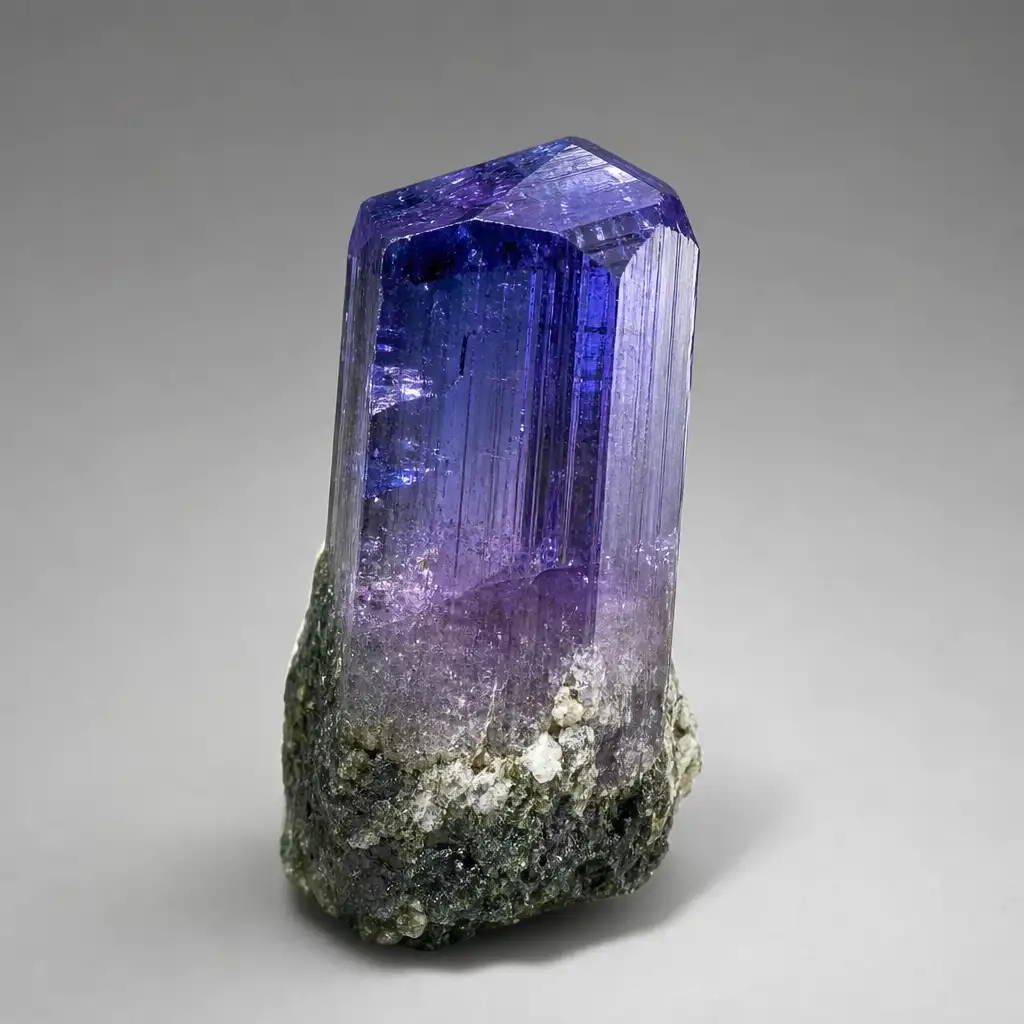
The Stone of Transmutation — Tanzanite carries the energy of transmutation — the alchemical process of converting something ordinary into something extraordinary, something base into something precious. Its pleochroic nature, showing different colors from different angles, is a perfect metaphor for this principle: reality looks different depending on your perspective, and transformation comes from shifting your point of view. As a stone that activates the Throat, Third Eye, and Crown Chakras at once, Tanzanite creates an integrated channel between communication, intuition, and spiritual connection. This threefold activation supports receiving spiritual insights (Crown), understanding their meaning (Third Eye), and articulating them clearly (Throat). The stone is particularly valued during major life transitions — career changes, spiritual awakenings, or the dissolution of old identity structures — because its energy supports the process of letting the old fall away while trusting that something more authentic will emerge.
Historical & Cultural Significance
Tanzanite was discovered in 1967 in the Merelani Hills of northern Tanzania, near the city of Arusha. According to the most widely accepted account, a Masai herdsman named Ali Juuyawatu found blue-violet crystals near Mount Kilimanjaro and brought them to the attention of a local prospector. The stones were identified as a new variety of zoisite by the Gemological Institute of America, and Henry Platt of Tiffany and Company recognized their commercial potential. Tiffany launched a major marketing campaign and named the gem "Tanzanite" after its country of origin, promoting it as one of the most exciting gemstone discoveries of the twentieth century. The stone rapidly gained popularity and was eventually added as a December birthstone in 2002. The Masai people of the region have their own relationship with the stone — some Masai traditions associate blue-violet crystals with the sky god and use them in ceremonies honoring the connection between heaven and earth.
Symbolism
- ✦Transmutation — the transformation of one state into a higher one
- ✦Rarity and uniqueness — found in only one place on Earth, a reminder that the most precious things are often the most specific
- ✦Perspective and perception — the pleochroic quality that shows different truths from different angles
- ✦Spiritual integration — the unification of communication, intuition, and divine connection
- ✦Bridge between worlds — connects the everyday self with higher dimensions of consciousness
- ✦Alchemical transformation — the turning of raw experience into spiritual gold
Folklore & Legends
In Masai tradition, the discovery of blue-violet stones in the shadow of Mount Kilimanjaro was considered a gift from the sky god Ngai, who placed the crystals in the earth as a bridge between the human world and the divine realm. Some East African folklore holds that Tanzanite can help its wearer see through illusions and perceive the hidden truth in any situation — a belief that mirrors its pleochroic property of revealing different colors to different angles of observation. In Western crystal lore, Tanzanite is sometimes called the "stone of magic" because of its ability to facilitate seemingly miraculous shifts in perspective and understanding during meditation.
Geological Profile
Formation Process
Tanzanite is the violet-blue gem variety of zoisite, a calcium aluminum sorosilicate mineral that forms in regionally metamorphosed calcareous rocks. The Merelani Hills deposit is unique in the world — Tanzanite formed approximately 585 million years ago when layers of limestone and shale were subjected to intense heat and pressure during the Pan-African orogenic event, transforming them into metamorphic rocks. The distinctive blue-violet coloration is caused by trace amounts of vanadium (V3+) within the crystal lattice. In its natural state, most Tanzanite is brownish or yellowish, and the prized blue-violet color is typically produced by gentle heat treatment at 400-500 degrees Celsius, which alters the oxidation state of the vanadium ions. The formation occurred along fault zones and fold hinges where hydrothermal fluids could interact with the metamorphosed calcareous rocks, depositing zoisite crystals in cavities and fractures.
Varieties
Heat-Treated Tanzanite
The vast majority of commercial Tanzanite has been heat-treated to enhance the blue-violet color. This treatment is permanent, stable, and universally accepted in the gem trade. Heat treatment converts the vanadium ions to an oxidation state that produces the prized blue and violet pleochroic colors.
Natural (Unheated) Tanzanite
Rare and valuable material that shows the desired blue-violet color without heat treatment. Only a small percentage of mined material displays attractive color naturally. Unheated stones command a premium among collectors and gemstone connoisseurs.
Block D Tanzanite
The most prized origin designation within the Merelani mining area. Block D produced the finest quality Tanzanite with the most vivid blue-violet colors and exceptional clarity. Mining in Block D has been largely depleted, making these stones increasingly rare and valuable.
Notable Origins
Tanzania (Merelani Hills, Arusha Region)
The only known source of gem-quality Tanzanite in the world. The mining area covers approximately 8 square miles and is divided into four blocks (A, B, C, and D). The deposit occurs at depths of 200-800 meters in metamorphosed calcareous rocks. Block D historically produced the finest color and clarity, while Blocks A, B, and C yield varying quality material.
Mineral data verified via Mindat.org
Physical Properties
| Hardness | 6.25 on the Mohs scale |
| Chemical Formula | Ca₂Al₃(SiO₄)₃(OH) |
| Crystal System | Orthorhombic |
| Primary Color | Blue-Violet (pleochroic) |
| Origin | Tanzania (exclusively - Merelani Hills) |
| Transparency | Transparent to translucent |
| Luster | Vitreous |
| Specific Gravity | 3.27-3.38 |
What Are the Healing Properties of Tanzanite?
Emotional & Mental Well-being
Tanzanite brings a calm, elevated perspective to emotional turbulence, helping you see your situation from a higher vantage point rather than getting caught in the storm of immediate feelings.
- ◆Its Water-element energy has a cooling, clarifying quality that soothes emotional inflammation without suppressing feeling.
- ◆The stone is especially helpful during major life transitions — the end of a relationship, a career change, a geographical move, a spiritual awakening — because its transmutational energy supports the process of allowing old emotional patterns to dissolve while trusting that something more authentic will take their place.
- ◆It also helps integrate conflicting emotions and opposing desires, finding the synthesis that holds both rather than forcing a choice between them.
Spiritual Properties
Tanzanite ranks among the most powerful stones for accessing higher states of consciousness and integrating those experiences into everyday awareness.
- ◆Its simultaneous activation of the Throat, Third Eye, and Crown Chakras creates what some describe as a "pillar of light" through the upper body, facilitating a direct, clear connection to spiritual guidance and higher-dimensional awareness.
- ◆The stone is particularly valued for meditation focused on spiritual transformation, past-life recall, and the development of psychic abilities such as clairvoyance and clairaudience.
- ◆Its Ether-element association connects it to the formless, transcendent dimension of experience — the space between thoughts, the silence between words, the void from which all creation emerges.
- ◆For intensive spiritual work, Tanzanite serves as an ally that keeps you grounded in your physical body while allowing consciousness to expand far beyond ordinary limits.
Physical Healing Traditions
In traditional crystal healing, Tanzanite is associated with the throat, thyroid, and the nervous system.
- ◆Healers sometimes place it on the throat to support vocal health and thyroid function, or on the forehead to ease tension headaches and support mental clarity.
- ◆It has also been linked to immune system support during periods of stress and transformation, and to promoting restful sleep and healthy sleep cycles.
- ◆Some crystal workers recommend it for supporting detoxification processes and easing the physical symptoms that sometimes accompany intense spiritual experiences.
- ◆These uses come from folk healing and metaphysical tradition, not clinical research, and should not replace professional medical care.
Note: These properties are based on metaphysical traditions and are not a substitute for medical advice.
What Science Says
Gemologically, Tanzanite is one of the most thoroughly studied colored gemstones, thanks to its commercial significance and unique optical properties.
- ◆Its pleochroism, heat treatment protocols, and formation geology have been extensively documented by the Gemological Institute of America and other research institutions.
- ◆The mineral's occurrence in only one location on Earth is well-confirmed by geological surveys, making it one of the most geographically restricted gemstones known.
- ◆The stone's metaphysical properties have not been tested in peer-reviewed clinical studies.
- ◆However, research on meditation, mindfulness, and altered states of consciousness — practices Tanzanite is commonly paired with — has demonstrated measurable benefits for stress reduction, cognitive flexibility, and psychological well-being.
Which Chakras Does Tanzanite Connect To?
Which Zodiac Signs Match Tanzanite?
Sagittarius
birthstone
Amplifies Sagittarius's natural quest for truth and spiritual exploration while grounding their adventurous spirit in deeper wisdom
Pisces
recommended
Deepens Pisces's already profound intuitive and psychic gifts while providing the spiritual clarity they need to navigate their sensitivity
How Do You Use Tanzanite?
Meditation
Place Tanzanite on your Third Eye (between the eyebrows) or Crown Chakra (top of head) during meditation to access higher states of consciousness and receive spiritual guidance. For an integrated upper-chakra meditation, place one piece at the throat, one at the Third Eye, and one at the Crown while lying down, and visualize violet-blue light connecting all three centers into a unified channel. Tanzanite is especially effective during the twilight hours — dawn and dusk — when the boundary between ordinary and expanded awareness is most permeable.
Daily Wear
Wear Tanzanite as a pendant that rests between the throat and heart to keep its transmutational energy active throughout the day. Tanzanite rings and earrings are also effective, though rings should be worn with awareness of the stone's relative softness (Mohs 6-6.5). If you work in a spiritual or creative profession, wearing Tanzanite during work helps maintain a connection to higher inspiration while performing everyday tasks. The stone is particularly supportive during periods of major life change, acting as a constant reminder that transformation is natural and that the dissolving of the old makes way for the new.
Home Placement
Place Tanzanite in your meditation space or on your altar to maintain a high-vibration spiritual environment. In the bedroom, a piece near the bed supports restful sleep, enhanced dream recall, and spiritual experiences during the dream state. Position Tanzanite in your creative workspace to stimulate inspiration and help translate abstract spiritual insights into concrete creative expression. Keep it away from direct sunlight and heat sources, as prolonged exposure can affect the color of some specimens.
Crystal Grids
Use Tanzanite as the center stone of a spiritual transformation or higher-consciousness grid. Surround it with Amethyst and Clear Quartz to create a triangle of Third Eye and Crown activation, or with Lapis Lazuli and Sodalite for a Throat-Third Eye communication grid. For a full-spectrum spiritual grid, arrange Tanzanite with Amethyst (Crown), Lapis Lazuli (Third Eye), Aquamarine (Throat), Rose Quartz (Heart), and Smoky Quartz (Root) to create a complete chakra alignment pattern with Tanzanite serving as the transmutational catalyst at the center.
How Do You Cleanse & Charge Tanzanite?
Moonlight Bathing
RecommendedSmudging
RecommendedSelenite Charging
RecommendedSound Healing
RecommendedMoon Phase Charging: Tanzanite responds beautifully to moonlight charging and benefits from this gentle, non-invasive method. Place your Tanzanite in direct moonlight during the full moon for a complete energetic refresh. The waxing moon supports spiritual growth and the expansion of consciousness, while the waning moon helps release old patterns and beliefs that no longer serve. The new moon is particularly potent for setting transmutational intentions with Tanzanite — the energy of new beginnings aligns with the stone's core theme of transformation. Avoid all forms of heat-based cleansing, water soaking, and harsh chemical or mechanical cleaning methods.
Avoid the following:
- ✗Heat — Tanzanite is sensitive to temperature changes and heat can cause internal fractures or alter the color
- ✗Ultrasonic cleaners — vibration can cause fractures in Tanzanite's relatively fragile crystal structure
- ✗Steam cleaners — the combination of heat and pressure is too harsh for this gemstone
- ✗Prolonged direct sunlight — extended exposure can potentially affect the color of some specimens
- ✗Harsh chemicals — acids, alkaline solutions, and chemical cleaners can damage the stone
- ✗Salt water — salt can be abrasive and corrosive to the stone's surface
What Crystals Pair Well with Tanzanite?
Best Combinations
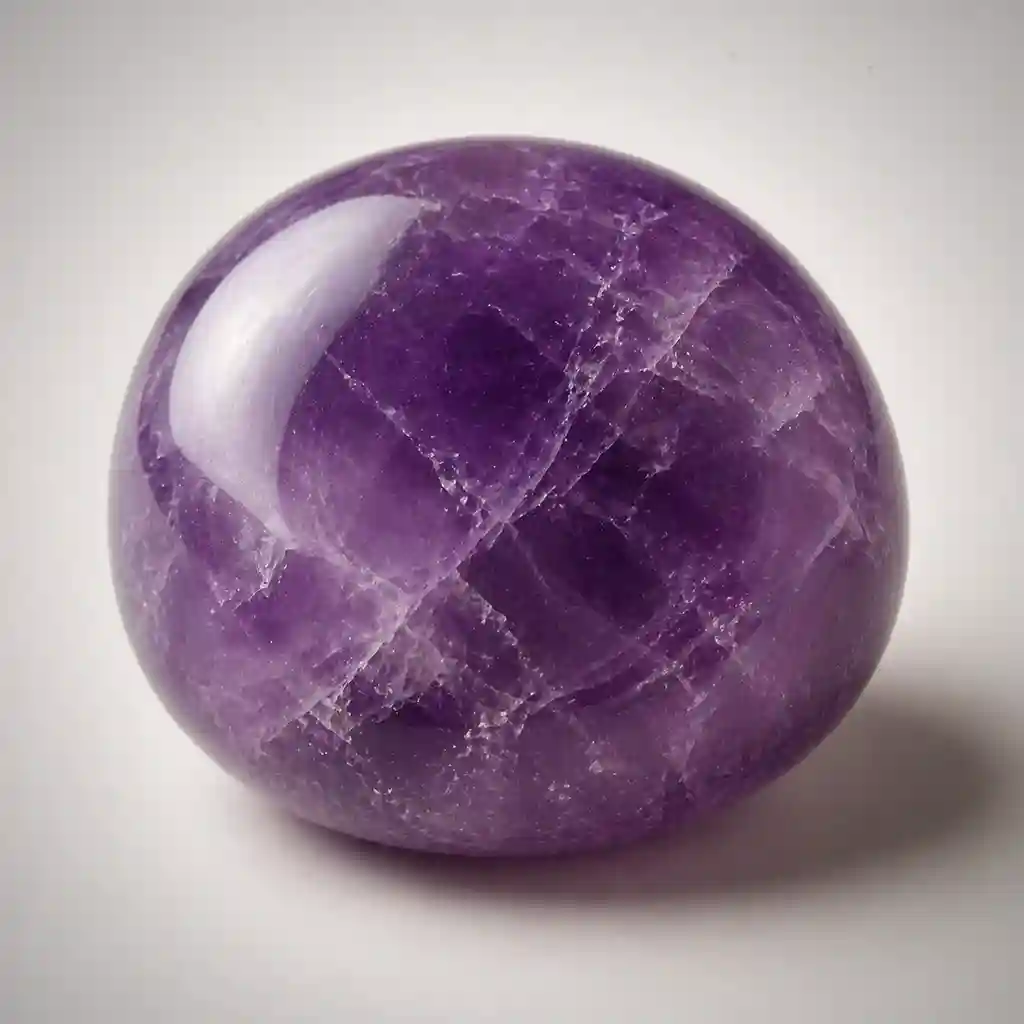
Amethyst
Amethyst's deep spiritual wisdom and Crown Chakra activation pairs perfectly with Tanzanite's transmutational energy, creating a powerful combination for spiritual exploration, meditation, and accessing higher-dimensional awareness
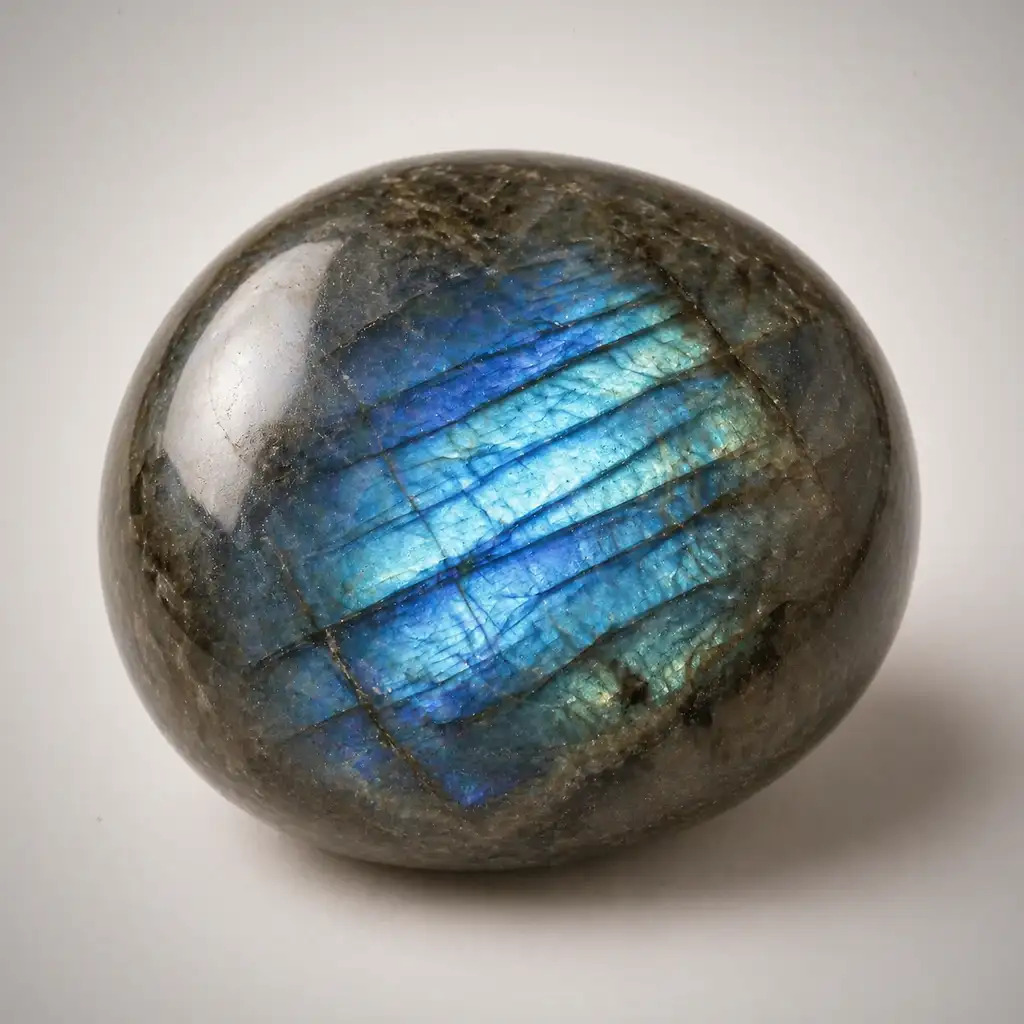
Labradorite
Labradorite's transformative, mystical energy and its own color-shifting properties resonate deeply with Tanzanite's pleochroic nature — together they support spiritual transformation and the development of intuitive and psychic abilities
Clear Quartz
Clear Quartz amplifies Tanzanite's already powerful spiritual vibration, making it an essential addition to meditation grids and intention-setting practices focused on spiritual growth and transformation
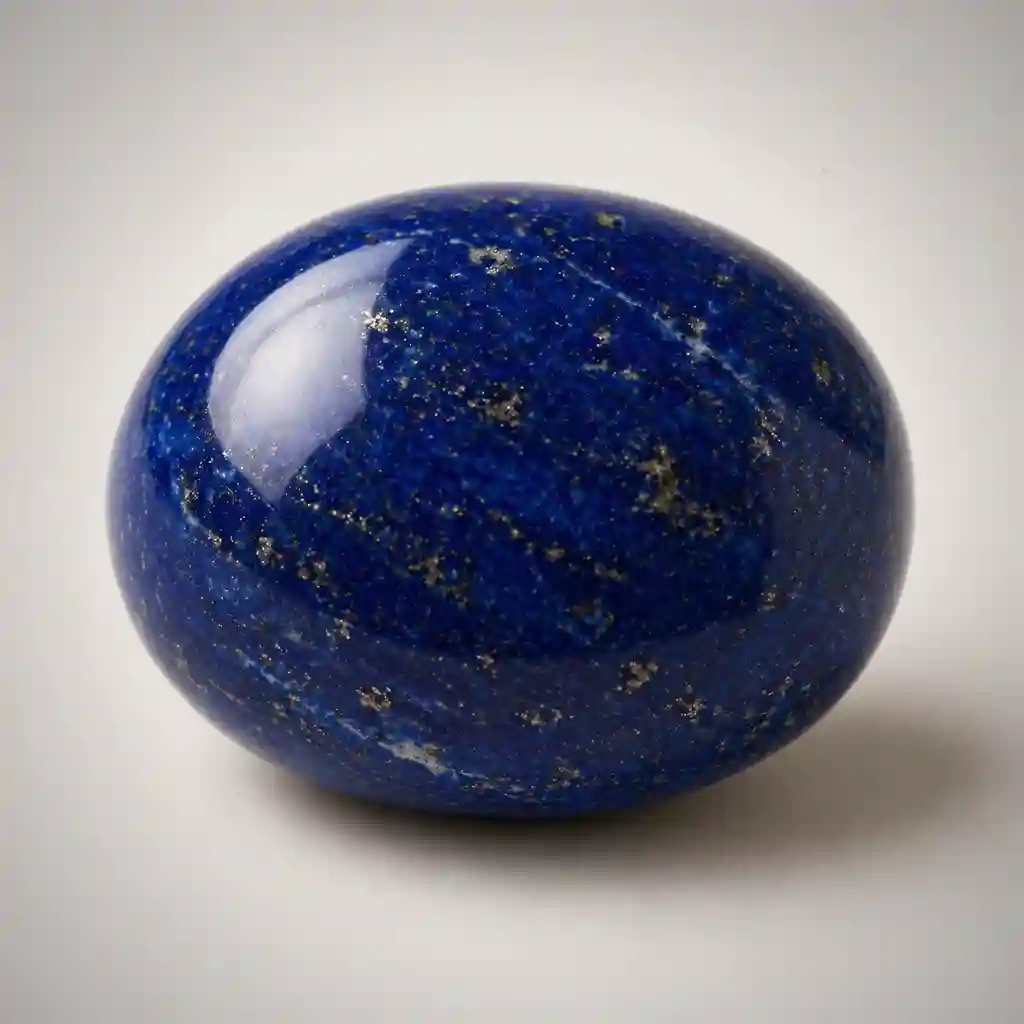
Lapis Lazuli
Lapis Lazuli activates the Third Eye with regal, ancient wisdom while Tanzanite adds the dimension of spiritual transmutation, together creating a powerful combination for deepening meditation and expanding consciousness
If You Like Tanzanite, Also Try
How Can You Tell if Tanzanite is Real or Fake?
Common Imitations
Identification Tests
1.Pleochroism Observation
Rotate the stone under a single light source while observing it from different angles, noting any color changes. Use a dichroscope if available for more precise observation.
Genuine Tanzanite displays strong trichroism — three distinct colors (blue, violet, and burgundy/red-brown) visible from different angles. This strong pleochroism is one of Tanzanite's most distinctive characteristics. Glass and synthetic forsterite imitations do not show genuine pleochroism. Iolite is trichroic but shows different colors (blue, violet-gray, and yellowish).
2.Refractive Index Test
Use a refractometer to measure the stone's refractive indices.
Tanzanite has characteristic refractive indices of 1.691-1.700 with a birefringence of 0.008-0.013. Glass has a single refractive index (isotropic). Iolite has lower refractive indices (1.542-1.551). Synthetic forsterite has different optical properties. This test requires gemological equipment but is definitive.
3.Hardness Test
Attempt to scratch the stone with a steel knife (Mohs 5.5) and a quartz crystal (Mohs 7). Test on an inconspicuous area only.
Genuine Tanzanite (Mohs 6-6.5) will resist scratching by a steel knife but can be scratched by quartz. Glass (Mohs 5-5.5) can be scratched by steel. Topaz (Mohs 8) will resist quartz. This is a partially destructive test — only perform on an inconspicuous area with permission.
4.Specific Gravity Test
Compare the weight of the specimen to known reference stones, or use a hydrostatic balance for precise measurement.
Tanzanite has a specific gravity of 3.27-3.38, which is notably higher than quartz (2.65), glass (~2.5), and iolite (2.54-2.61). A genuine Tanzanite will feel heavier than these imitations of similar size. Synthetic forsterite has a lower specific gravity (~3.2) that can be distinguished with precise measurement.
Price Reference
Small
$30-100
Medium
$100-500
Large
$500-5000+
Tanzanite pricing varies dramatically based on color quality, clarity, carat weight, and whether the stone is certified as unheated. Fine-quality stones with vivid blue-violet color and high clarity command premium prices per carat that increase significantly with size. Exceptional specimens over 10 carats can sell for thousands per carat. The depletion of known deposits continues to drive prices upward, making Tanzanite one of the most investment-worthy colored gemstones.
Is Tanzanite Safe? Care & Precautions
Toxicity Warning
Tanzanite is non-toxic and considered safe for handling and skin contact. As a zoisite variety, it is chemically stable and does not pose health risks through normal jewelry use. Do not use in direct contact elixirs.
Storage
Store Tanzanite carefully in a soft pouch or lined jewelry box, separated from harder gemstones (sapphire, ruby, diamond, topaz) that could scratch it. With a hardness of only 6-6.5, it is relatively vulnerable to scratches and abrasion. Avoid sudden temperature changes, as thermal shock can cause fracturing. Remove Tanzanite jewelry before engaging in activities that could expose it to impact, chemicals, or extreme temperatures.
Special Warnings
- ⚠Relatively soft (Mohs 6-6.5) — avoid wearing Tanzanite rings during manual labor or activities with impact risk
- ⚠Sensitive to sudden temperature changes — thermal shock can cause internal fractures
- ⚠Avoid ultrasonic and steam cleaners — vibrations and heat can damage the stone
- ⚠Keep away from harsh chemicals, acids, and alkaline solutions
- ⚠Most Tanzanite is heat-treated — the treatment is permanent and stable but extreme heat can cause damage
What is Tanzanite Best For?
Tanzanite FAQ — Common Questions Answered
What is Tanzanite good for?+
Tanzanite is primarily valued for spiritual transformation and integrating higher awareness into everyday life. It activates the Throat, Third Eye, and Crown Chakras, making it an exceptional stone for meditation, psychic development, and spiritual exploration. Its energy supports clear communication of spiritual insights, enhances intuition, and facilitates the process of transforming old patterns and beliefs into higher understanding. It also stimulates creativity and brings a calm, elevated perspective to stressful situations.
Why is Tanzanite so expensive?+
Tanzanite is found in only one location on Earth — a small area of approximately 8 square miles in the Merelani Hills of northern Tanzania. This extreme geographic rarity, combined with strong global demand and the fact that the known deposits are finite and being depleted, makes Tanzanite significantly more valuable than most colored gemstones. High-quality stones with vivid blue-violet color and good clarity command premium prices, and exceptional specimens can rival fine sapphire in value per carat.
Is Tanzanite a birthstone?+
Yes, Tanzanite was added as an official December birthstone by the American Gem Trade Association in 2002, joining turquoise and zircon. As a Sagittarius stone (November 22 - December 21 overlap with December), it resonates with the sign's adventurous, truth-seeking nature while adding spiritual depth and introspection. Tanzanite jewelry makes a meaningful gift for December birthdays, combining the beauty of a fine gemstone with the spiritual significance of a transformation crystal.
Can I wear Tanzanite every day?+
Tanzanite can be worn daily with some caution. With a hardness of 6-6.5 on the Mohs scale, it is softer than many popular gemstones and can be scratched by harder materials like quartz, topaz, and sapphire. It is best suited for earrings, pendants, and occasional-wear rings rather than everyday rings that receive frequent impact. Avoid wearing Tanzanite during activities that could expose it to sharp blows, extreme temperature changes, or harsh chemicals. With proper care, Tanzanite jewelry can last for generations.
What is pleochroism and why does Tanzanite show it?+
Pleochroism is the optical phenomenon where a crystal displays different colors when viewed from different angles. Tanzanite is strongly trichroic, meaning it shows three distinct colors — blue, violet, and burgundy or red-brown — depending on the viewing direction. This occurs because Tanzanite's orthorhombic crystal structure absorbs different wavelengths of light along different crystallographic axes. Heat treatment (typically at 400-500 degrees Celsius) enhances the blue-violet color by altering the oxidation state of vanadium within the crystal lattice, reducing the brownish component and making the blue and violet more prominent.
Was this helpful?