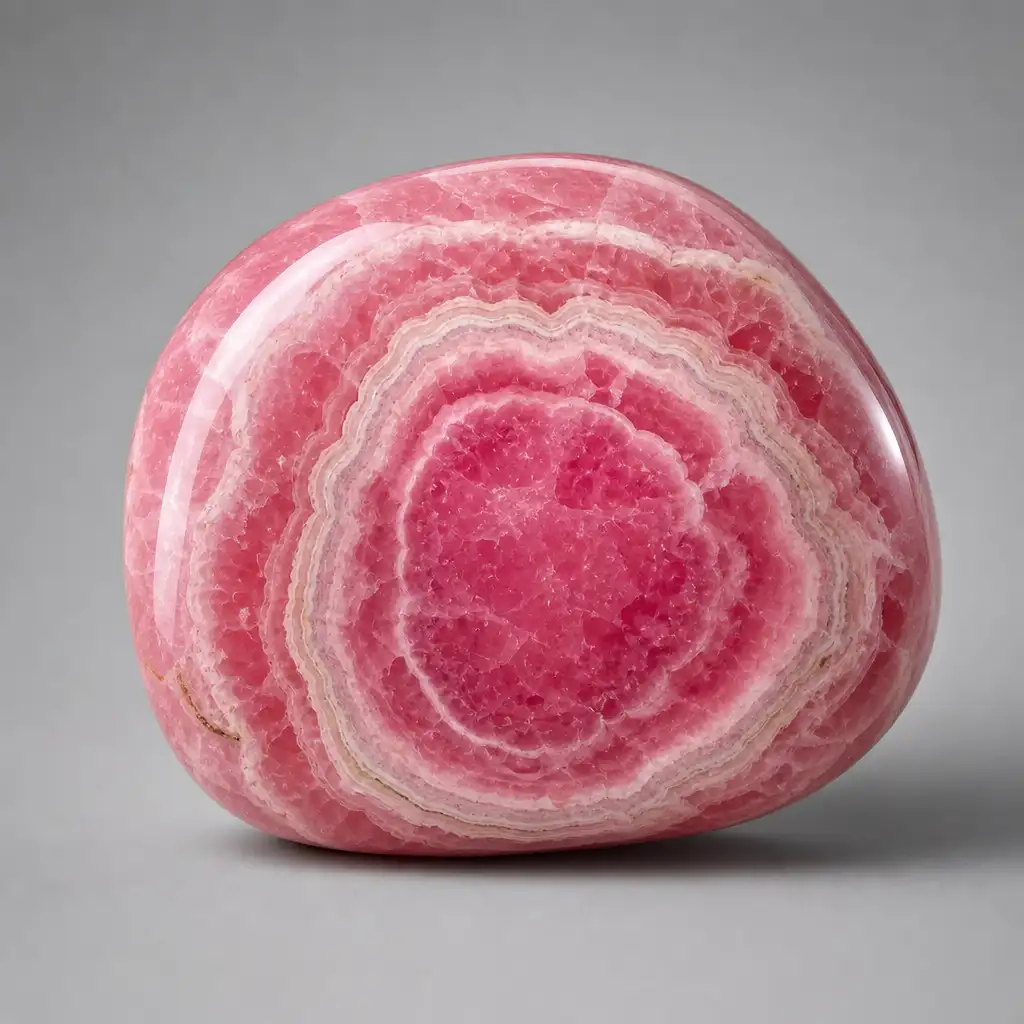
Rhodochrosite at a Glance
Rhodochrosite is the stone of the compassionate heart — a warm, passionate crystal that heals emotional wounds, nurtures self-love, and transforms pain into wisdom and tender strength.
Those healing from heartbreak, childhood trauma, or low self-worth, and anyone seeking to cultivate genuine self-love and emotional courage
“I am worthy of love, beginning with my own. I heal my heart with compassion and courage.”
Cleanse with moonlight or smudging; avoid water and prolonged sunlight; store separately from harder stones
Rhodochrosite Quick Answers
What is Rhodochrosite good for?
Rhodochrosite is most valued for emotional healing and cultivating self-love. It helps heal wounds related to childhood trauma, low self-worth, and the fear of vulnerability. Its energy encourages you to face painful emotions with compassion rather than avoidance, and supports the process of learning to love yourself before seeking love from others. It is also used to attract new romantic relationships and deepen existing ones through greater emotional honesty.
Is Rhodochrosite rare?
Gem-quality Rhodochrosite is relatively rare, especially the vivid red-pink translucent material suitable for faceting. The finest specimens come from the Sweet Home Mine in Colorado, USA, and the Capillitas mine in Argentina. The Argentinean stalactitic material with its characteristic pink and white banding is more commonly available but is still considered a collector's mineral. Transparent, gem-grade crystals can command very high prices.
What is the Meaning & History of Rhodochrosite?
Core Meaning
The Stone of the Compassionate Heart — Rhodochrosite carries the energy of the wounded healer — the archetype that understands suffering intimately and transforms that understanding into compassion for self and others. Its vibration is simultaneously tender and strong, reflecting the paradox that real vulnerability requires genuine courage. As a Heart Chakra stone that also touches the Solar Plexus (the seat of personal power), Rhodochrosite bridges emotional feeling and personal agency, helping you understand that your sensitivity is not a weakness but a source of strength and wisdom. The stone is particularly associated with inner child healing — the process of reconnecting with and reparenting the younger self that still carries unprocessed pain, shame, or fear. Rhodochrosite creates a safe emotional container for this work, wrapping you in a warm, non-judgmental energy that says: you are allowed to feel this, and you are worthy of healing.
Historical & Cultural Significance
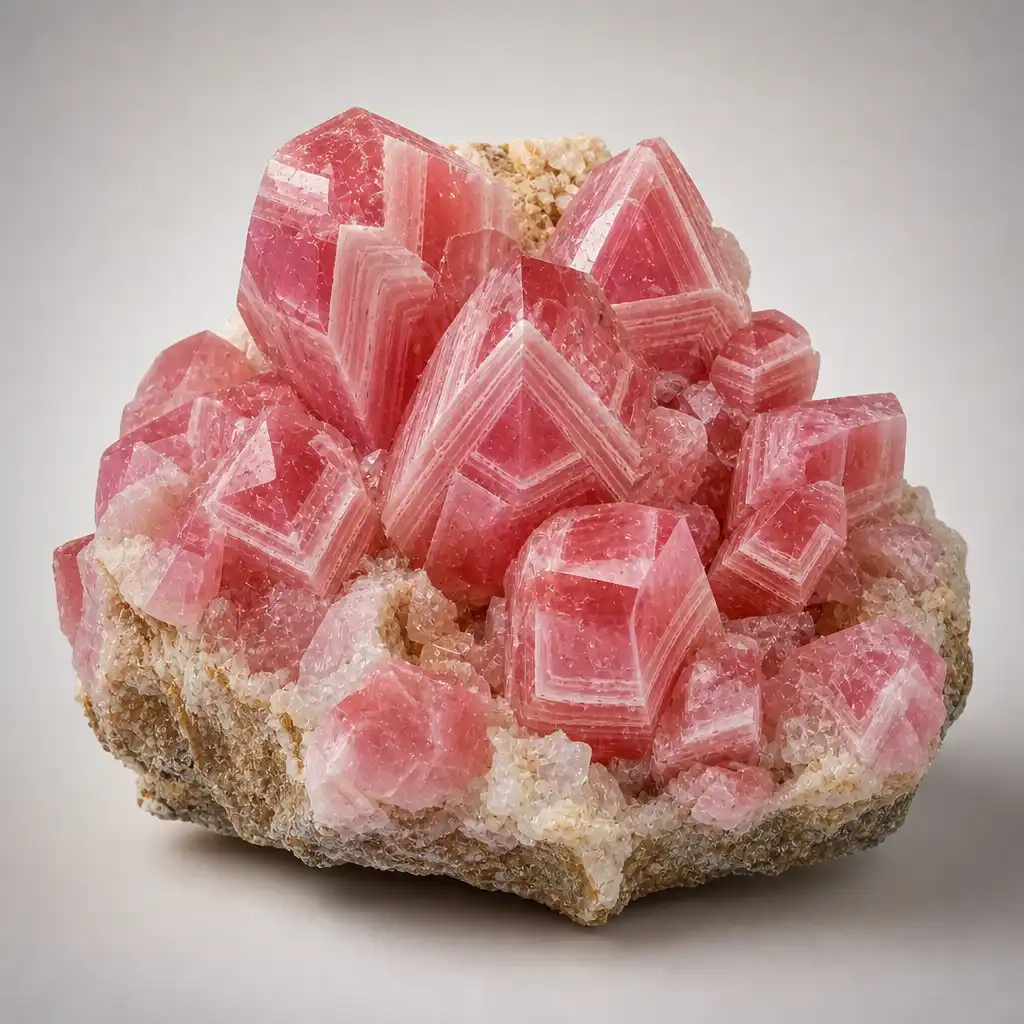
Rhodochrosite has a rich cultural history centered in South America. The Inca civilization considered it a sacred stone associated with their rulers and the mountain spirits of the Andes. The name "Rosa del Inca" reflects the reverence with which they held the pink banded material found in their territories. In Argentina, miners at the Capillitas mine in Catamarca province discovered extraordinary stalactitic formations — tubular structures of concentrically banded pink and white Rhodochrosite that rank among the most spectacular mineral specimens ever found. These "log" formations are cut crosswise to reveal stunning bull's-eye patterns. In Romania, Rhodochrosite was mined at the famous Sacaramb gold deposit, where it occurred alongside gold and telluride minerals. The Sweet Home Mine in Colorado, USA, has produced what many consider the finest Rhodochrosite crystals in the world — vivid red, gem-quality rhombohedrons that are among the most valuable mineral specimens on earth.
Symbolism
- ✦Compassionate love — love that has known suffering and chosen to remain open
- ✦Inner child healing — reconnecting with and nurturing the younger self
- ✦Self-worth — the recognition that you are inherently worthy of love without having to earn it
- ✦Emotional courage — the bravery to feel deeply without retreating into numbness
- ✦Transformation — turning pain into wisdom and wounds into sources of strength
- ✦Heart-centered power — personal agency rooted in emotional authenticity rather than dominance
Folklore & Legends
In Andean folklore, Rhodochrosite was considered the petrified blood of the mountain spirits (apus) who protected the Inca people. Shamans used it in healing ceremonies to connect with ancestral wisdom and to facilitate soul retrieval — the practice of calling back parts of the self lost through trauma or grief. In Argentinean folk tradition, placing Rhodochrosite under your pillow was said to bring prophetic dreams about your true love. European crystal lore associated the stone with the goddess Venus and recommended it as a talisman for artists wanting to infuse their work with genuine emotional depth.
Geological Profile
Formation Process
Rhodochrosite (manganese carbonate, MnCO3) forms primarily in hydrothermal vein deposits, sedimentary manganese deposits, and the oxidation zones of manganese-bearing ore bodies. It crystallizes in the hexagonal (trigonal) system, typically forming rhombohedral crystals, scalenohedra, or massive granular aggregates. The distinctive pink-to-red coloration is caused by the manganese ion (Mn2+) within the crystal lattice. The famous stalactitic formations from Argentina formed when manganese-rich water deposited layers of Rhodochrosite on the walls and floors of caves and mine tunnels over thousands of years, creating concentrically banded structures. At the Sweet Home Mine in Colorado, Rhodochrosite crystallized from hydrothermal fluids at moderate temperatures alongside quartz, fluorite, pyrite, and other ore minerals.
Varieties
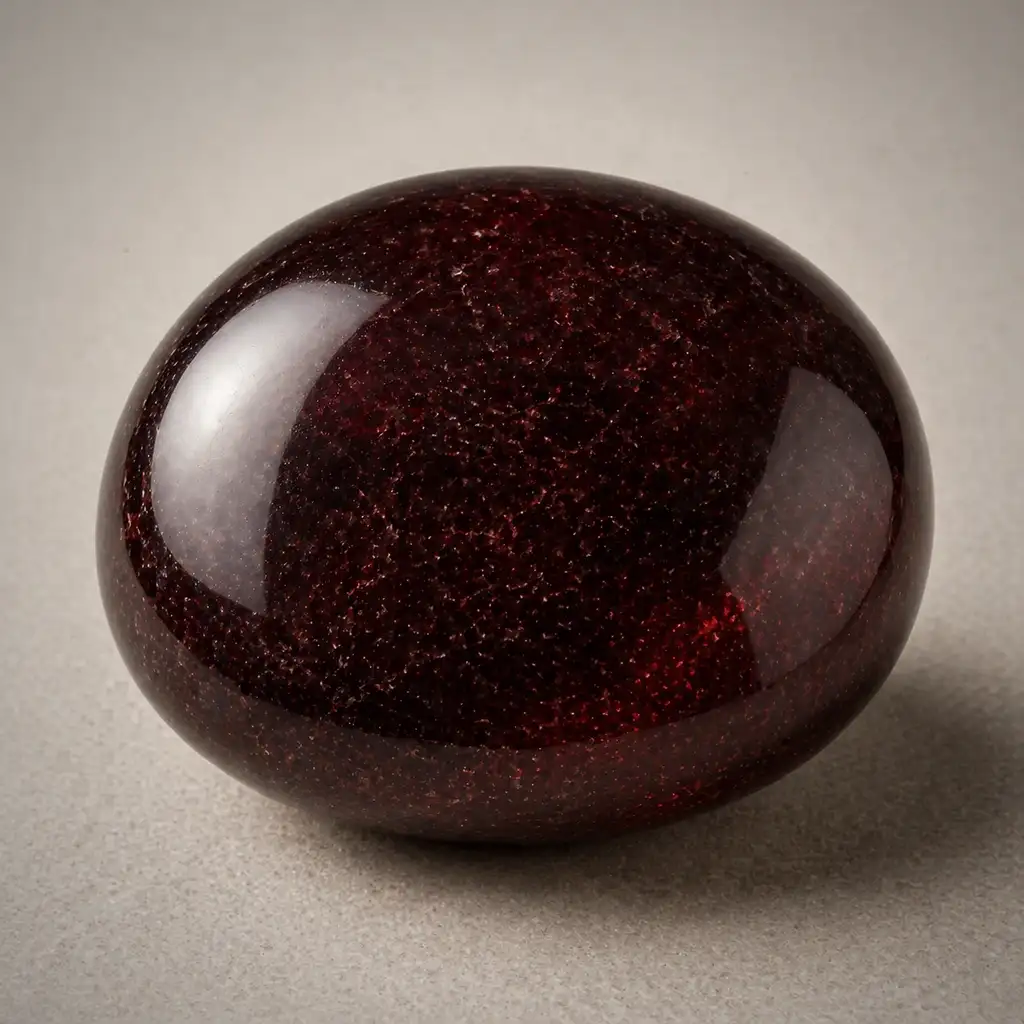
Sweet Home Mine Rhodochrosite
The most prized variety in the mineral collecting world, featuring vivid cherry-red to raspberry-red transparent rhombohedral crystals. From the Sweet Home Mine in Alma, Colorado, USA, these are among the rarest and most valuable mineral specimens on earth.
Argentine Stalactitic Rhodochrosite
Characterized by concentric bands of pink and white that form bull's-eye patterns when cut crosswise. These stalactitic formations from the Capillitas mine in Argentina are widely used in cabochons and ornamental carvings.
Capillitas Banded Rhodochrosite
The most commonly available form, showing alternating pink and white bands in various shades. This material is widely used in jewelry and decorative objects and is the form most familiar to crystal practitioners.
Notable Origins
Argentina (Capillitas Mine, Catamarca)
The world's most famous source of banded Rhodochrosite, producing spectacular stalactitic formations with vivid pink and white concentric banding. Argentinean material is the standard for the gem and mineral trade and has been mined for over a century.
USA (Sweet Home Mine, Colorado)
Produces the finest crystalline Rhodochrosite specimens in the world — vivid red, transparent to translucent rhombohedral crystals perched on quartz and sulfide matrix. These specimens are museum-quality and command extraordinary prices.
Peru (Uchucchacua Mine)
Peruvian Rhodochrosite occurs as pink scalenohedral crystals and massive pink material, often associated with silver and manganese ore deposits. The material ranges from pale pink to medium rose in color.
Mineral data verified via Mindat.org
Physical Properties
| Hardness | 3.75 on the Mohs scale |
| Chemical Formula | MnCO₃ |
| Crystal System | Hexagonal (Trigonal) |
| Primary Color | Pink/Rose (with white banding) |
| Origin | Argentina, Peru, South Africa, USA, Romania |
| Transparency | Transparent to translucent (gem crystals), opaque (massive/banded material) |
| Luster | Vitreous to pearly |
| Specific Gravity | 3.45-3.60 |
What Are the Healing Properties of Rhodochrosite?
Emotional & Mental Well-being
Rhodochrosite ranks among the most effective crystals for deep emotional healing, particularly for wounds rooted in childhood, family dynamics, or early romantic relationships.
- ◆Its energy does not merely soothe pain — it actively supports you in facing and processing painful memories and emotions that have been suppressed or avoided.
- ◆The stone is frequently recommended for inner child work, the therapeutic practice of reconnecting with and nurturing the younger self that carries unhealed wounds.
- ◆It creates an emotional atmosphere of safety and warmth that makes it possible to look at painful experiences without being overwhelmed.
- ◆Rhodochrosite also addresses patterns of self-abandonment, people-pleasing, and the compulsive seeking of external validation, helping you develop a stable, internal sense of self-worth.
Spiritual Properties
In spiritual practice, Rhodochrosite supports the journey toward emotional wholeness as a foundation for growth.
- ◆Many traditions teach that the heart must be healed before higher consciousness can be fully accessed, and Rhodochrosite is a key ally in that process.
- ◆Its activation of both the Heart and Solar Plexus Chakras creates a powerful integration of love and will, feeling and action, receptivity and agency.
- ◆People use Rhodochrosite in meditation to access the compassion of the higher self, to process karmic patterns related to love and betrayal, and to cultivate the quality of fearless tenderness — the willingness to remain open-hearted even when vulnerability has led to pain before.
- ◆Some traditions connect Rhodochrosite with soul retrieval work, the practice of calling back parts of the self lost or fragmented through trauma.
Physical Healing Traditions
In traditional crystal healing, Rhodochrosite is associated with the heart, circulatory system, and blood pressure regulation.
- ◆Healers sometimes place it over the chest to support cardiovascular health and to ease the physical sensations that often accompany emotional distress — tight chest, shallow breathing, rapid heartbeat during grief, anxiety, or panic.
- ◆It has also been linked to the kidneys, digestive system, and thyroid.
- ◆Some crystal workers recommend it for easing the physical symptoms of PMS and menopause, particularly the emotional volatility that can accompany hormonal shifts.
- ◆These uses are rooted in folk healing and metaphysical tradition, not clinical research — they should not replace professional medical care.
Note: These properties are based on metaphysical traditions and are not a substitute for medical advice.
What Science Says
Mineralogically, Rhodochrosite is a well-studied manganese carbonate whose crystal structure, formation conditions, and geochemical behavior are thoroughly documented.
- ◆Its distinctive pink-to-red color comes from Mn2+ ions in the carbonate lattice.
- ◆The stone's metaphysical properties have not been tested in peer-reviewed clinical studies.
- ◆That said, research on self-compassion, emotional processing, and inner child therapy approaches has shown measurable benefits for mental health, relationship satisfaction, and emotional resilience.
- ◆The psychological benefits of cultivating self-love and processing suppressed emotions — the capacities Rhodochrosite is associated with — are well-documented in clinical psychology and trauma research.
Which Chakras Does Rhodochrosite Connect To?
Which Zodiac Signs Match Rhodochrosite?
How Do You Use Rhodochrosite?
Meditation
Place Rhodochrosite directly on your Heart Chakra (center of the chest) while lying comfortably. Close your eyes and breathe into your heart space, visualizing warm pink light radiating from the crystal and gently dissolving any armor, tension, or numbness you may be holding there. For inner child work, hold the stone in both hands at your heart while visualizing yourself at the age when you first felt unloved or unsafe, and direct the stone's compassionate energy toward that younger version of yourself — giving the love and safety that was missing back then.
Daily Wear
Wear Rhodochrosite as a pendant that rests over the heart center for continuous emotional support throughout the day. This placement shines during periods of grief, relationship transitions, or intensive therapy work. A beaded bracelet lets you hold the stone against your skin in moments of emotional difficulty, providing a tangible reminder to practice self-compassion. Caregivers often find that wearing Rhodochrosite helps them maintain compassionate presence without absorbing others' pain.
Home Placement
Place Rhodochrosite in the bedroom to support emotionally restorative sleep and create a warm, loving atmosphere. In shared living spaces, it fosters compassionate communication and emotional honesty among household members. If you do therapy or journaling work at home, keep Rhodochrosite on your desk or near your writing space to create a supportive environment for emotional processing. Keep it away from areas with high humidity or direct sunlight.
Crystal Grids
Create a heart-healing grid with Rhodochrosite at the center, surrounded by Rose Quartz and Kunzite to form a triangle of Heart Chakra stones. Add Clear Quartz points pointing inward to amplify the healing energy, or pointing outward to radiate compassion into your living space. For a self-love grid, arrange Rhodochrosite with Pink Mangano Calcite and Morganite in a circular pattern and place it on your altar or beside your bed. Activate the grid during the waxing moon to build self-love and confidence, or during the full moon for emotional completion and release.
How Do You Cleanse & Charge Rhodochrosite?
Moonlight Bathing
RecommendedSmudging
RecommendedSound Healing
RecommendedSelenite Charging
RecommendedMoon Phase Charging: Rhodochrosite resonates deeply with lunar energy and benefits from moonlight charging during all phases. The full moon is ideal for a complete cleanse and recharge — place your stone where it can absorb moonlight overnight. The waxing moon supports building self-love, confidence, and the courage to open the heart. The waning moon helps release old emotional patterns, grief, and self-judgment. For inner child healing work, the new moon provides a blank slate for setting new intentions around how you relate to yourself. Never cleanse Rhodochrosite with salt water or prolonged soaking.
Avoid the following:
- ✗Water soaking — Rhodochrosite is a carbonate mineral that can be damaged by prolonged water exposure, especially acidic water
- ✗Salt water — salt is corrosive to carbonate minerals and can damage the surface
- ✗Direct sunlight for extended periods — can fade the pink coloration
- ✗Ultrasonic and steam cleaners — too harsh for this relatively soft stone
- ✗Acidic substances — vinegar, lemon juice, and other acids will dissolve the carbonate mineral
What Crystals Pair Well with Rhodochrosite?
Best Combinations
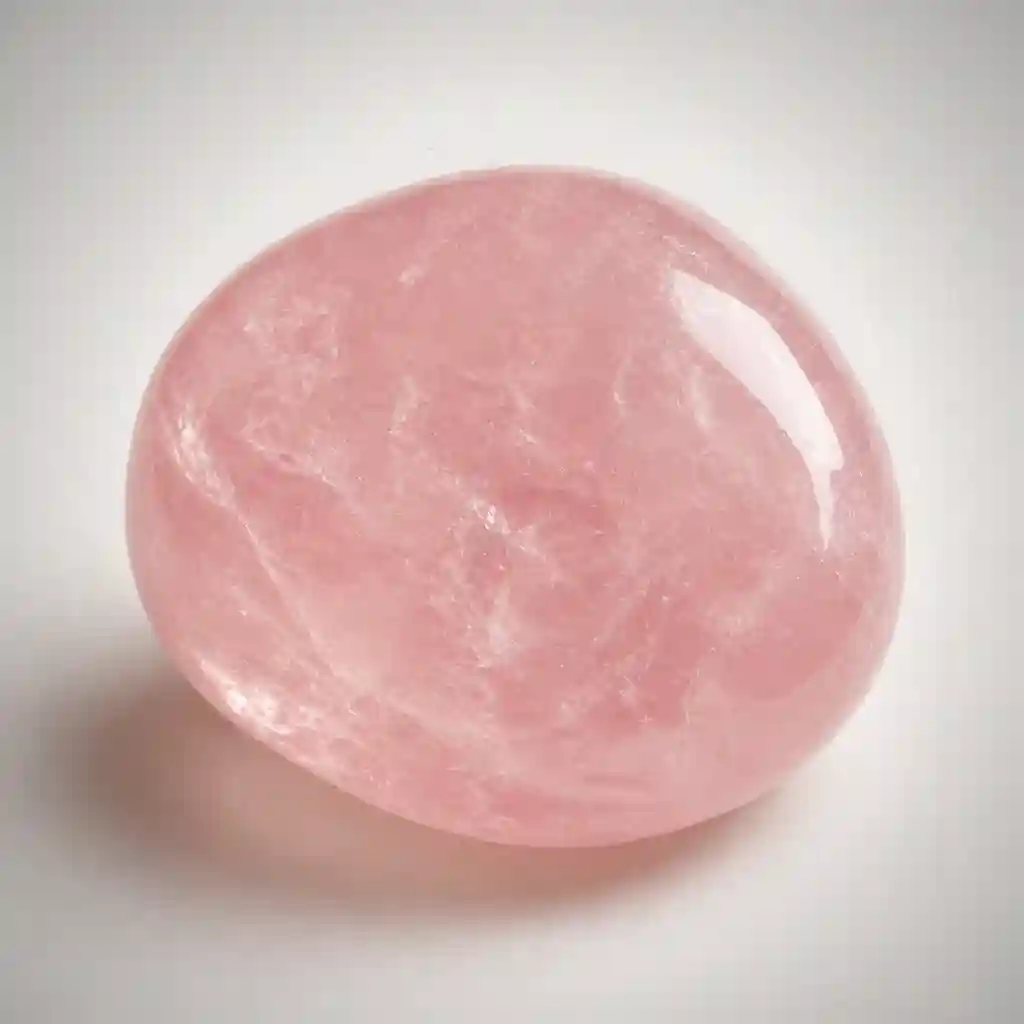
Rose Quartz
Rose Quartz provides the gentle, nurturing foundation of universal love, while Rhodochrosite adds the targeted emotional healing and self-love work — together they create a complete Heart Chakra healing system
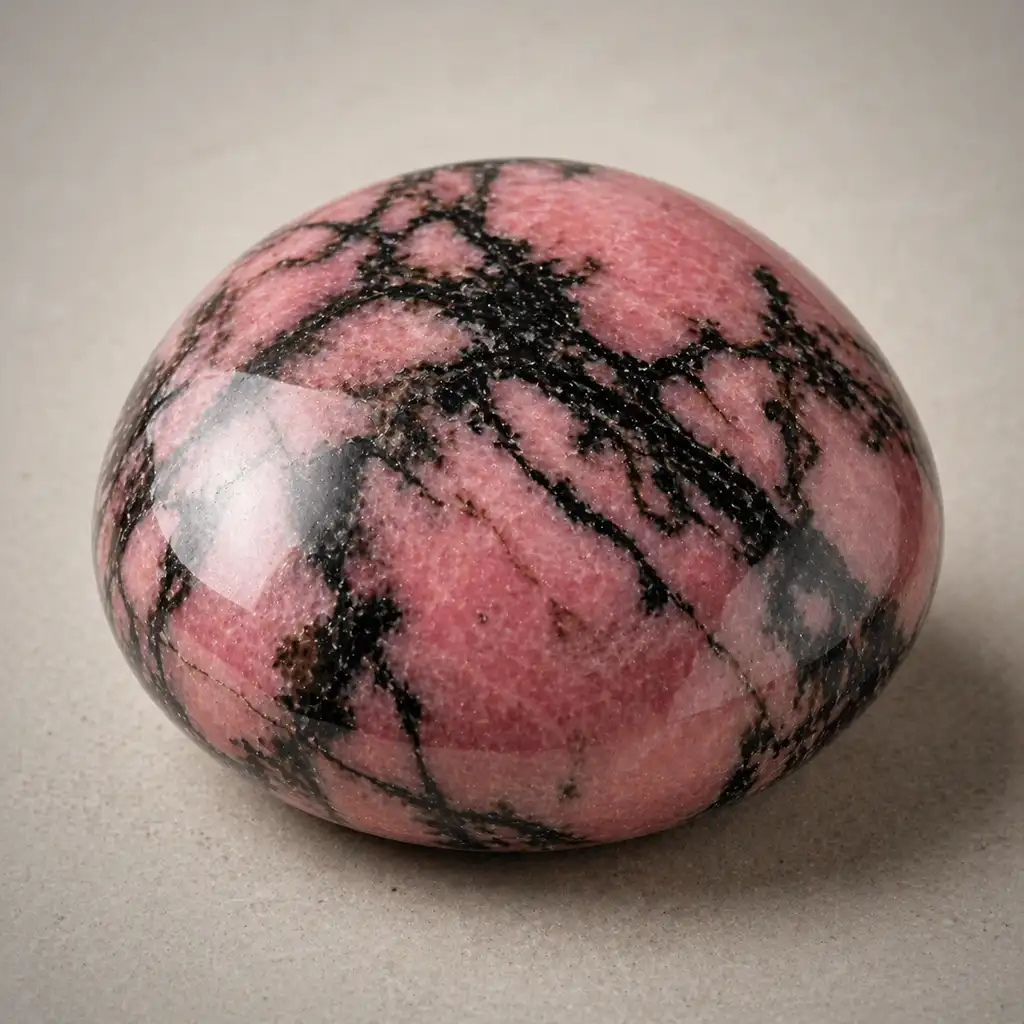
Rhodonite
Rhodonite and Rhodochrosite are often called sister stones — Rhodonite grounds emotional healing in practical action and boundary-setting, while Rhodochrosite opens the heart to self-compassion and vulnerability
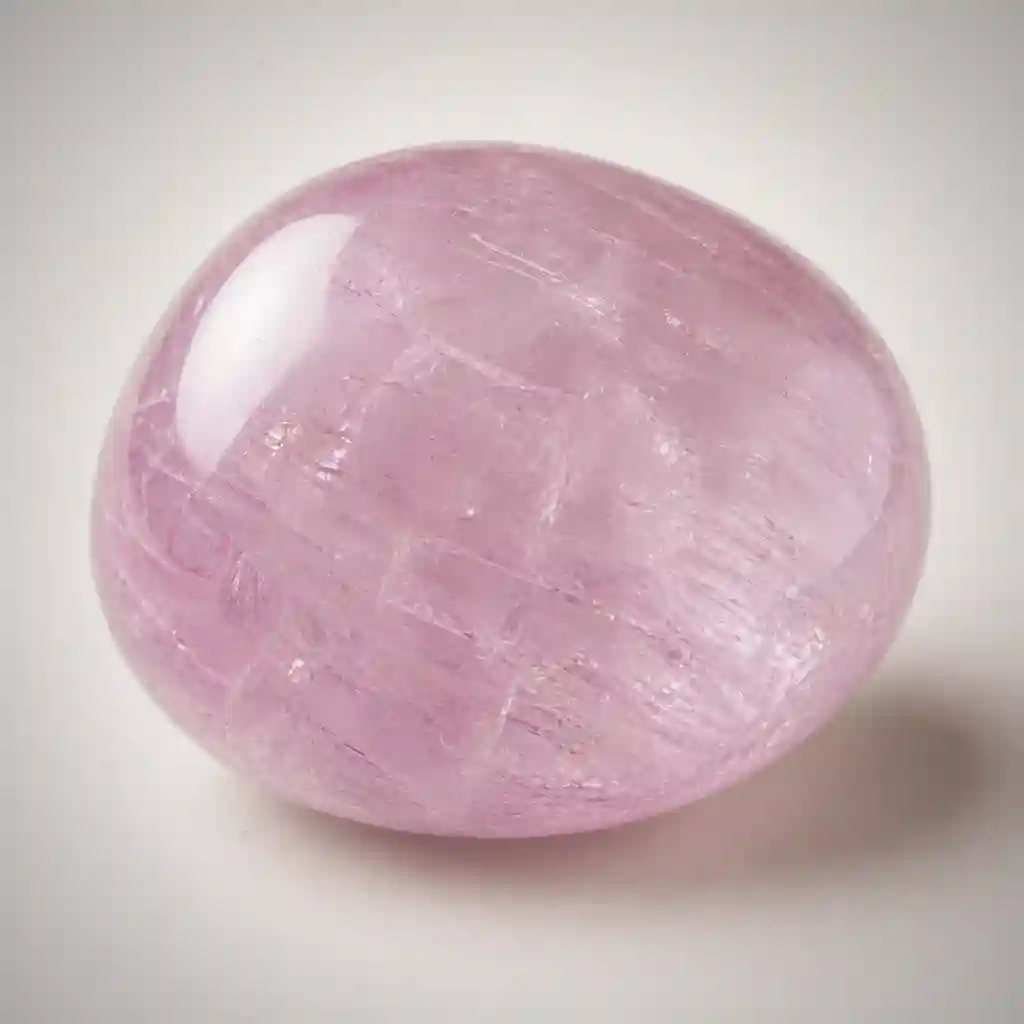
Kunzite
Kunzite's high-heart vibration connects the Heart and Crown Chakras, adding a spiritual dimension to Rhodochrosite's emotional healing work and helping practitioners access the higher perspective of self-forgiveness
Moonstone
Moonstone's connection to feminine energy and emotional cycles complements Rhodochrosite's heart-healing properties, creating a nurturing combination for emotional processing and inner child work
If You Like Rhodochrosite, Also Try
How Can You Tell if Rhodochrosite is Real or Fake?
Common Imitations
Identification Tests
1.Acid Test
Place a single drop of dilute hydrochloric acid (or white vinegar as a milder alternative) on an inconspicuous area of the stone and observe the reaction.
Genuine Rhodochrosite is a carbonate mineral and will effervesce (fizz) when acid is applied, releasing carbon dioxide gas. This is a defining characteristic of carbonate minerals. Glass, resin, and dyed silicate minerals like howlite will not react. This is a partially destructive test — use on an inconspicuous area.
2.Hardness Test
Attempt to scratch the specimen with a copper coin (Mohs ~3) and a steel knife (Mohs 5.5).
Genuine Rhodochrosite (Mohs 3.5-4) can be scratched by a steel knife but not easily by a copper coin. Glass imitations (Mohs 5-5.5) will resist a steel knife. Dyed howlite (Mohs 3.5) has similar hardness but will not effervesce with acid. This test helps distinguish Rhodochrosite from harder imitations.
3.Magnification and Banding Examination
Examine the stone under a 10x loupe, focusing on the color, banding patterns, and surface texture.
Natural Rhodochrosite shows organic, slightly irregular banding with natural color variation in the pink and white layers. The surface of polished material has a vitreous to pearly luster. Dyed stones often show color concentrated in surface cracks, unnaturally uniform pink tones, or dye pooling in low spots. Glass imitations lack the layered structure entirely.
4.Specific Gravity Test
Compare the weight of the specimen to a known piece of quartz of similar size, or use a hydrostatic weighing method if available.
Rhodochrosite has a notably higher specific gravity (3.45-3.60) than quartz (2.65) or glass (~2.5). A piece of Rhodochrosite will feel noticeably heavier than a piece of quartz of the same size. Dyed howlite (SG 2.5-2.6) will feel significantly lighter.
Price Reference
Small
$5-20
Medium
$25-75
Large
$80-400+
Pricing varies dramatically by quality and form. Banded Argentinean cabochon material is moderately priced and widely available. Transparent, gem-quality Rhodochrosite from the Sweet Home Mine is extraordinarily rare and expensive — fine specimens can sell for thousands of dollars per carat. Stalactitic cross-sections with vivid bull's-eye patterns are moderately to highly priced depending on size and color quality.
Is Rhodochrosite Safe? Care & Precautions
Toxicity Warning
Rhodochrosite contains manganese, which can be toxic if ingested in quantity. While the stone is safe for handling and skin contact, do not use it in direct elixirs (where the stone contacts water you will drink). Use the indirect method — place the stone near but not touching the water. Wash your hands after prolonged handling of rough or unpolished specimens.
Storage
Store Rhodochrosite carefully, wrapped in a soft cloth or placed in a lined box. With a hardness of only 3.5-4, it is easily scratched by most other crystals and common objects. Keep it separated from harder stones. Avoid prolonged direct sunlight which can fade the pink coloration. Store in a cool, dry place away from acidic substances.
Special Warnings
- ⚠Do not use in direct contact elixirs due to manganese content — use the indirect method only
- ⚠Relatively soft (Mohs 3.5-4) — avoid wearing in rings or bracelets that receive frequent impact
- ⚠Can be damaged by acids, including acidic skin care products and household cleaners
- ⚠Prolonged sunlight exposure may fade the pink color
What is Rhodochrosite Best For?
Rhodochrosite FAQ — Common Questions Answered
What is Rhodochrosite good for?+
Rhodochrosite is most valued for emotional healing and cultivating self-love. It helps heal wounds related to childhood trauma, low self-worth, and the fear of vulnerability. Its energy encourages you to face painful emotions with compassion rather than avoidance, and supports the process of learning to love yourself before seeking love from others. It is also used to attract new romantic relationships and deepen existing ones through greater emotional honesty.
Is Rhodochrosite rare?+
Gem-quality Rhodochrosite is relatively rare, especially the vivid red-pink translucent material suitable for faceting. The finest specimens come from the Sweet Home Mine in Colorado, USA, and the Capillitas mine in Argentina. The Argentinean stalactitic material with its characteristic pink and white banding is more commonly available but is still considered a collector's mineral. Transparent, gem-grade crystals can command very high prices.
Can Rhodochrosite go in water?+
Rhodochrosite should not be submerged in water for extended periods. It is a manganese carbonate mineral with a hardness of only 3.5-4, making it relatively soft and slightly soluble in acidic solutions. Brief rinses under cool running water are generally safe, but prolonged soaking, salt water, or acidic solutions can damage the surface. For cleansing, moonlight, smudging, selenite charging, and sound healing are safer and more appropriate methods.
How does Rhodochrosite differ from Rose Quartz?+
Both are Heart Chakra stones, but their energies are quite different. Rose Quartz is a gentle, nurturing, all-purpose love stone that emanates a soft, steady warmth — it is the "mother's love" of the crystal world. Rhodochrosite is more activating and specifically targeted toward deep emotional healing and self-love. It has a more passionate, fiery quality (reflected in its Fire element association) and is considered better for working through specific emotional wounds and trauma, while Rose Quartz is better for general emotional support and the cultivation of universal love.
What is the "Rosa del Inca" connection?+
Rhodochrosite has been called "Rosa del Inca" (Rose of the Inca) in South American tradition. According to Inca legend, the blood of their ancient kings and queens turned to stone within the mountains, creating the pink and red banded formations of Rhodochrosite found in the Andes. The name reflects the deep cultural significance of this stone in the Andean world, where it was associated with royal power, sacrificial love, and the enduring spirit of the ancestors. Argentinean Rhodochrosite from the Capillitas mine is still sometimes sold under this name.
Was this helpful?