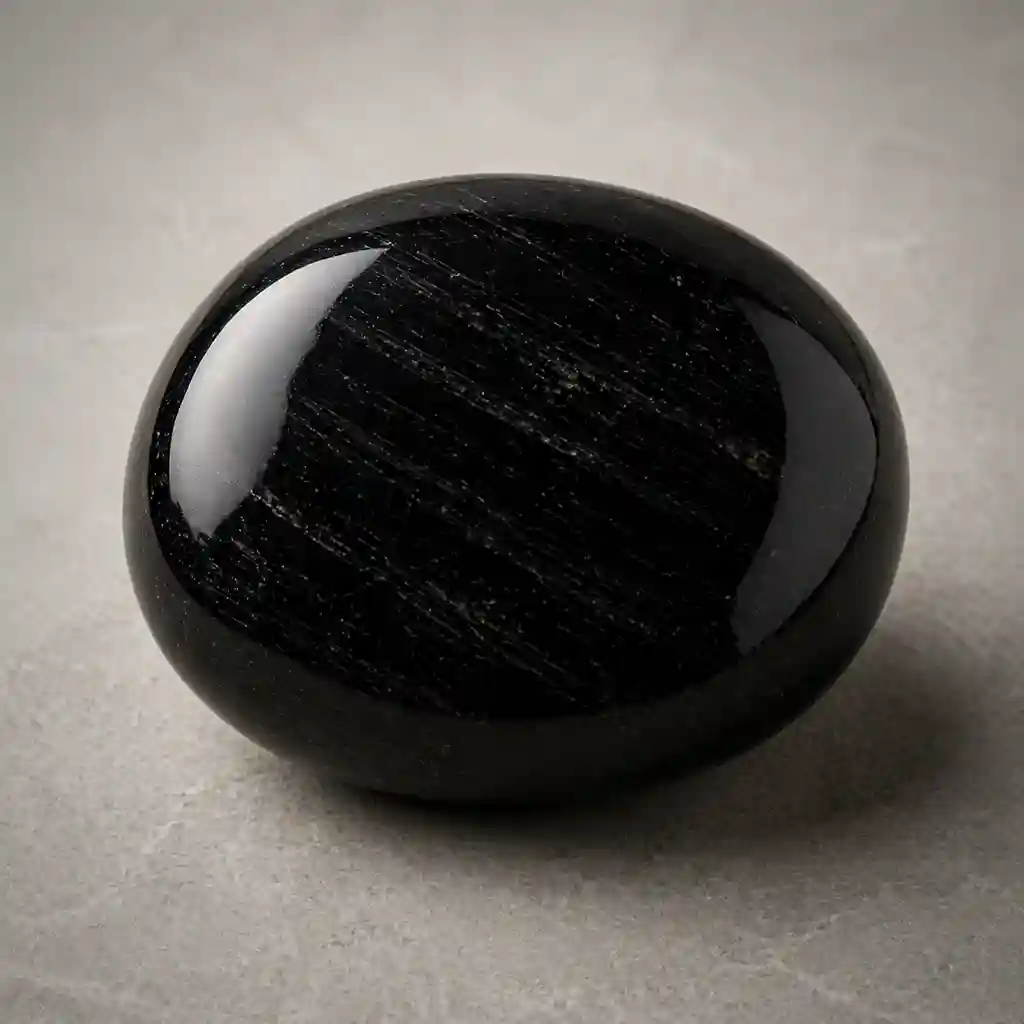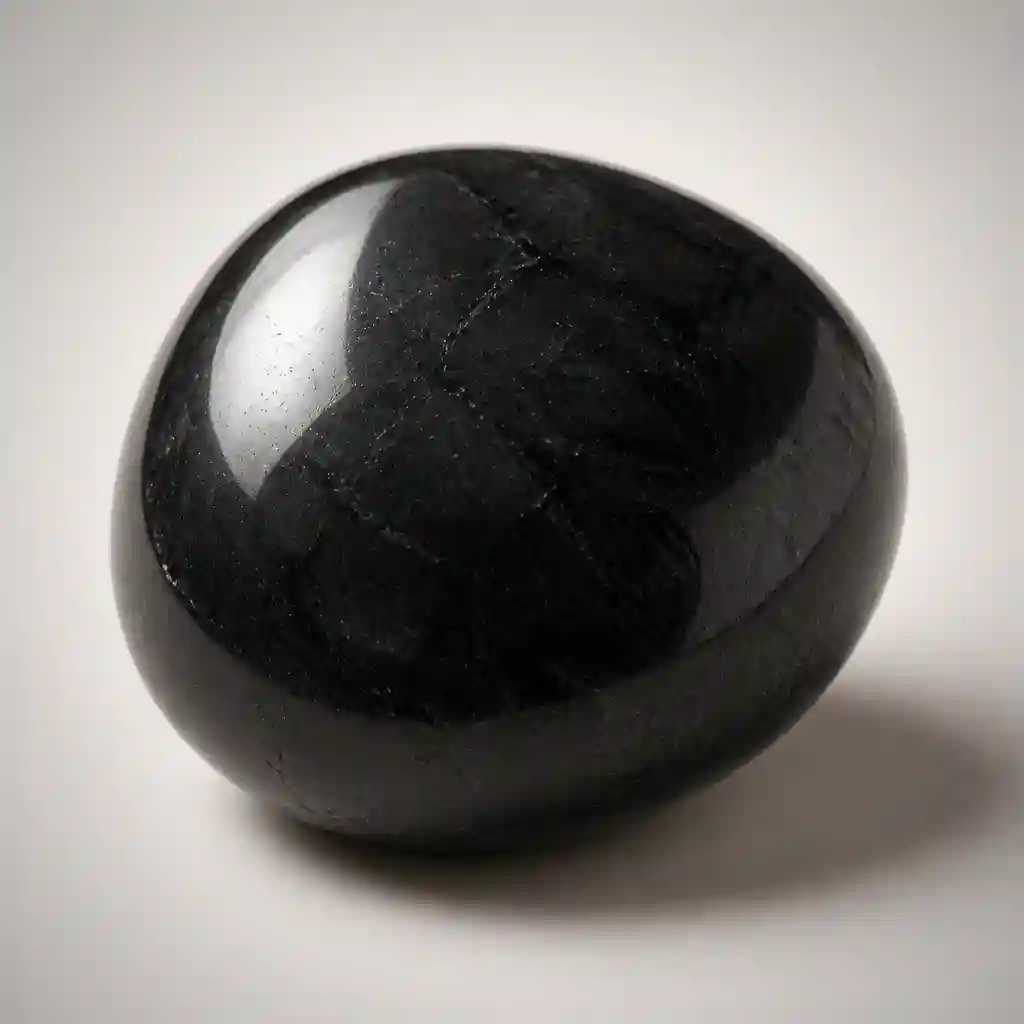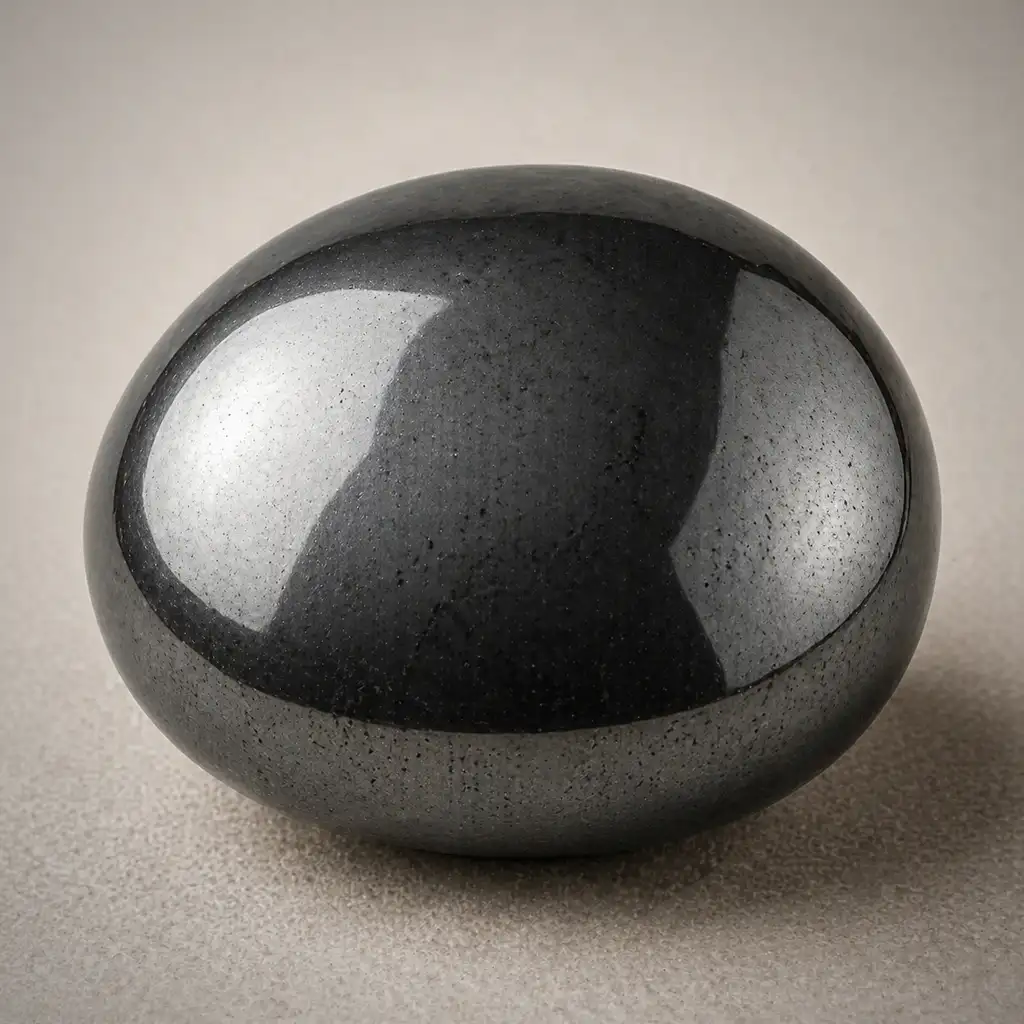
Hematite at a Glance
Hematite is the grounding stone — a heavy metallic crystal that pulls scattered energy down to earth, sharpens mental focus, and converts negativity into stable strength.
People feeling scattered or ungrounded, students and professionals who need focus, anyone working through anxiety, and people in chaotic environments
“I am grounded, clear-headed, and steady. I stand firm in who I am.”
Rinse briefly under cool water and dry immediately; charge on the Earth or in moonlight; avoid prolonged water exposure
Hematite Quick Answers
Is Hematite magnetic?
Natural Hematite is not magnetic. But a lot of the "Hematite" beads and pendants sold in crystal shops are actually synthetic "magnetic Hematite" — a manufactured material made from barium-strontium ferrite that is strongly magnetic. These look similar and are widely accepted for metaphysical use, though some people prefer the real thing. If you hold a magnet near genuine Hematite, nothing will happen.
What is Hematite good for?
Grounding and protection, mostly. Hematite anchors your energy to the Earth, clears mental fog, and helps you think in a focused, organized way. It converts negative energy rather than just blocking it. People who feel scattered, anxious, or overwhelmed tend to find it stabilizing. It is also associated with courage, strength, and self-confidence.
What is the Meaning & History of Hematite?
Core Meaning
The Stone of Grounding and Mental Organization — Hematite grounds you. It anchors your energy in your body and connects you to the Earth's stability. It converts negative energy rather than just blocking it, and it promotes a sense of security and practical clarity. The metallic silver-grey surface hides a red streak that ties it to blood and life force, which is why it works as a bridge between the physical and energetic bodies.
Historical & Cultural Significance
Hematite has been used by humans for over 40,000 years. Ancient cave painters ground it into red ochre to create the artwork found in caves like Lascaux and Altamira. The Egyptians carved it into scarabs and used it in amulets, connecting it to blood and life force. Roman soldiers rubbed it on their bodies before battle, believing it would make them invincible. The Greek name "haimatites" means "bloodstone," referring to the red streak it leaves when scratched. In medieval Europe, people called it "blood ore" and believed it could stop bleeding and heal wounds.
Symbolism
- ✦Grounding — the weight and density mirror the grounded presence it creates
- ✦Blood and life force — the red streak connects it to vitality and circulation
- ✦Mental clarity — the reflective surface represents clear, focused thinking
- ✦Protection — historically carried as a shield against negativity
- ✦Transformation — turns scattered energy into organized, purposeful force
Folklore & Legends
In ancient Mesopotamia, people believed Hematite was the solidified blood of the gods, fallen to Earth during celestial battles. Native American medicine people used it in blood-purification rituals, painting their faces with red ochre before important ceremonies. In European folklore, travelers wore Hematite for protection on long journeys, and miners saw it as a sign of rich iron ore deposits nearby. The Romans associated it with Mars, the god of war, believing it granted courage in battle.
Geological Profile
Formation Process
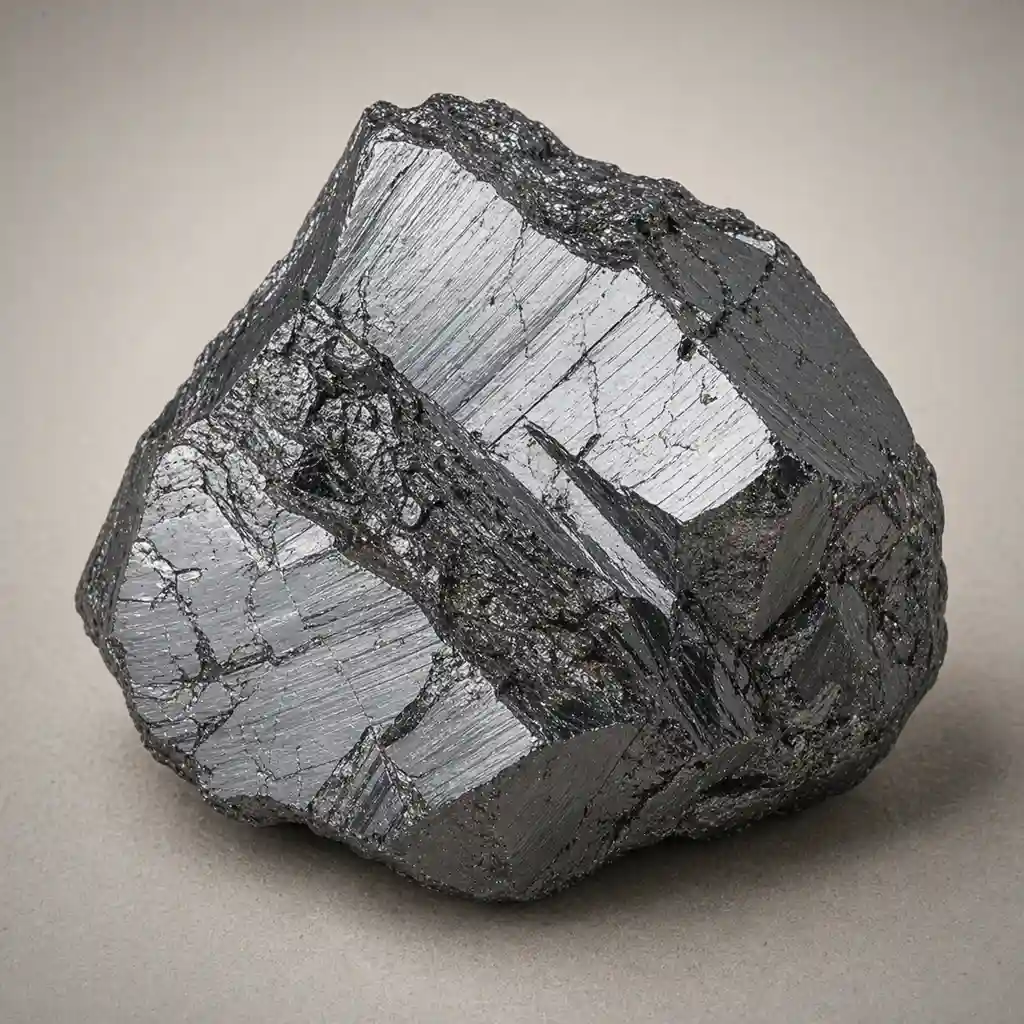
Hematite forms through several geological processes. It commonly precipitates from iron-rich hydrothermal fluids in veins and replacement deposits, forms as a weathering product of other iron-bearing minerals, and occurs as a primary mineral in igneous rocks. Banded iron formations — some of the oldest rocks on Earth at 3.8 billion years — contain vast quantities of Hematite. These formed when early photosynthetic bacteria started producing oxygen that reacted with dissolved iron in ancient oceans. Botryoidal (grape-like) and micaceous (plate-like) crystal habits are common, along with massive and earthy forms.
Varieties
Specular Hematite
Micaceous variety with sparkling, mirror-like silver flakes. Also called "specularite." The most sought-after form for metaphysical use due to its brilliant reflective quality.
Kidney Ore (Botryoidal)
Smooth, rounded masses with a metallic luster that resemble kidneys or bubbles. The botryoidal form is prized by collectors for its distinctive sculptural appearance.
Rainbow Hematite
Iridescent variety that displays colorful surface sheen similar to oil on water. The rainbow effect is caused by thin-film interference from a surface coating of hydrated iron oxides.
Notable Origins
Brazil (Minas Gerais)
One of the world's largest producers, yielding massive and botryoidal Hematite of exceptional quality. Brazilian specimens are known for their deep metallic luster and heavy density.
Australia (Western Australia)
Home to the massive banded iron formations of the Hamersley Basin — some of the richest iron deposits on Earth. Specimens from this region are ancient, dating back over 2 billion years.
England (Cumbria)
Historic source of the famous "Furness" Hematite, mined since Roman times. Known for kidney ore botryoidal specimens and deep metallic luster.
Mineral data verified via Mindat.org
Physical Properties
| Hardness | 6.5 on the Mohs scale |
| Chemical Formula | Fe₂O₃ |
| Crystal System | Hexagonal (Trigonal) |
| Primary Color | Silver-Grey |
| Origin | Brazil, Australia, China, India, United States |
| Transparency | Opaque |
| Luster | Metallic to submetallic (earthy varieties are dull) |
| Specific Gravity | 5.26 (exceptionally heavy — noticeably denser than most stones) |
What Are the Healing Properties of Hematite?
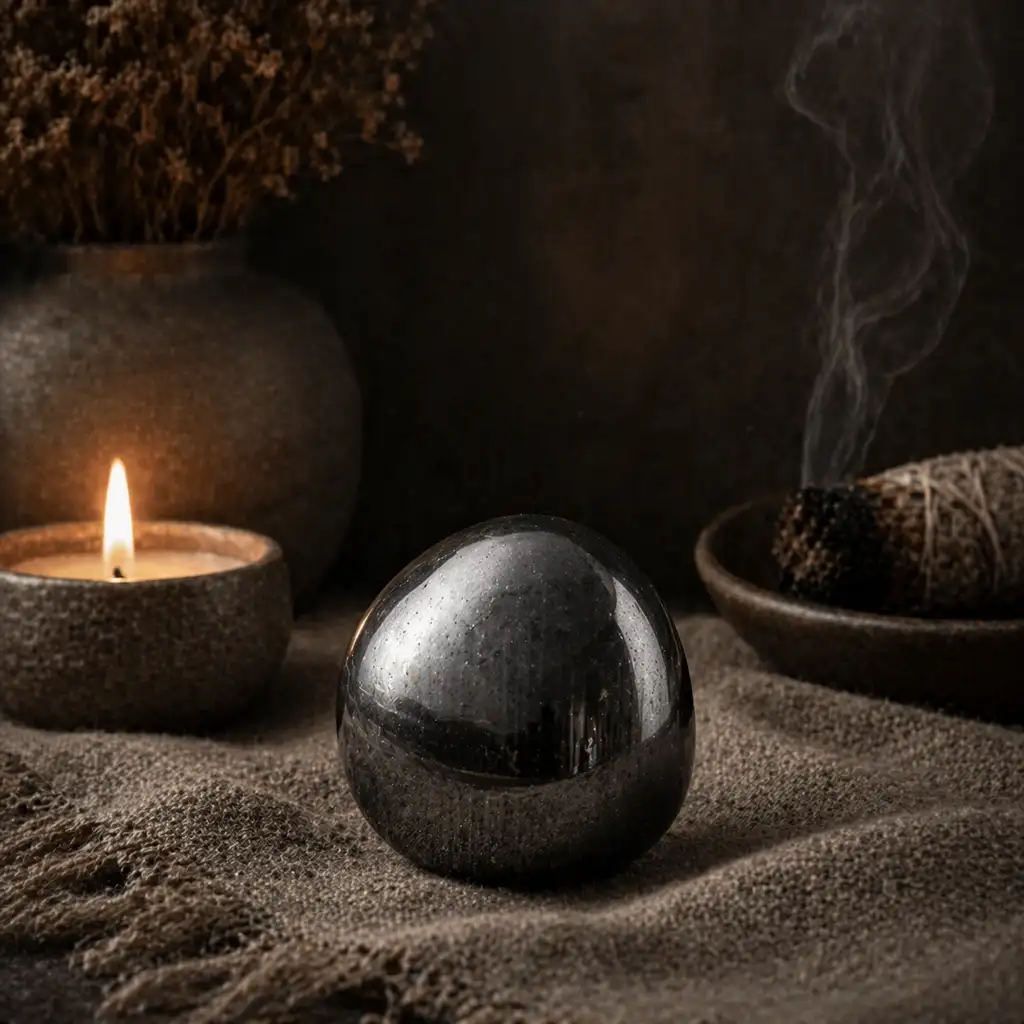
Emotional & Mental Well-being
Hematite pulls scattered emotional energy back into a centered state.
- ◆If you are the kind of person who gets overwhelmed by other people's emotions or by your own racing thoughts, Hematite acts as an anchor.
- ◆Practitioners recommend it for anxiety because its sheer weight seems to press down on rising panic and replace it with calm.
- ◆It helps dissolve self-limiting beliefs by grounding your thinking in reality rather than letting it spiral into worst-case scenarios.
- ◆People going through major life transitions who feel untethered tend to find it especially helpful.
- ◆Crystal workers also report that holding Hematite during tense conversations helps you stay composed and respond rationally instead of reacting.
Spiritual Properties
Hematite anchors spiritual experiences in the body.
- ◆If you have ever felt spacey or disconnected after an intense meditation session, Hematite is the remedy.
- ◆It forms a protective shield around the aura, sealing energy leaks and blocking unwanted energy transfers.
- ◆It is especially recommended for out-of-body work, astral travel, or shamanic journeying, because it provides a strong energetic cord back to the physical body.
- ◆During meditation, placing Hematite at your feet or holding it in both hands creates a deep connection to the Earth's core, helping you release accumulated negativity into the ground where it can be neutralized.
Physical Healing Traditions
Hematite has been linked to blood health and the circulatory system across many cultures.
- ◆Crystal practitioners recommend it for supporting healthy iron levels, improving circulation, and promoting red blood cell formation.
- ◆In folk medicine, Hematite was applied to wounds to stop bleeding and reduce inflammation.
- ◆Modern crystal healers often suggest wearing Hematite bracelets for leg cramps, restless legs, and spinal alignment.
Note: These properties are based on metaphysical traditions and are not a substitute for medical advice.
What Science Says
Hematite (Fe2O3) is one of the most abundant minerals on Earth's surface and the most important ore of iron.
- ◆Its specific gravity of 5.
- ◆26 makes it noticeably heavier than almost any other common crystal — pick it up and you will feel the difference immediately.
- ◆The ancient association with blood makes sense from a chemistry standpoint: Hematite's red streak comes from the same iron-oxygen chemistry that gives blood its red color (hemoglobin contains iron).
- ◆Much of the "magnetic Hematite" sold in crystal shops is actually synthetic barium-strontium ferrite, a manufactured ceramic.
- ◆Natural Hematite is not magnetic.
Which Chakras Does Hematite Connect To?
Which Zodiac Signs Match Hematite?
How Do You Use Hematite?
Meditation
Hold a Hematite stone in each hand during grounding meditation and let their weight anchor you to the present. Picture roots growing from your feet into the Earth's iron core, pulling up stabilizing energy. For mental clarity, place Hematite on your Root Chakra (base of spine) and breathe slowly, imagining scattered thoughts condensing into something focused and clear. A ten-minute Hematite grounding session before any high-energy spiritual practice is a good habit.
Daily Wear
A Hematite ring or bracelet keeps you grounded all day — especially in high-stress environments like offices, hospitals, or crowded spaces. A pendant at the throat helps you speak with grounded clarity. Hematite jewelry is heavy, and many people find that weight itself grounding. Take it off before showering or swimming to prevent rust.
Home Placement
Place Hematite near your front door to create a grounding boundary that absorbs negativity before it comes in. On your desk, it promotes focused thinking and blocks distractions. In the bedroom, a piece at the foot of the bed helps ground restless energy and supports deep sleep. In Feng Shui, the north (career and life path) or center (health and stability) sectors are good placements.
Crystal Grids
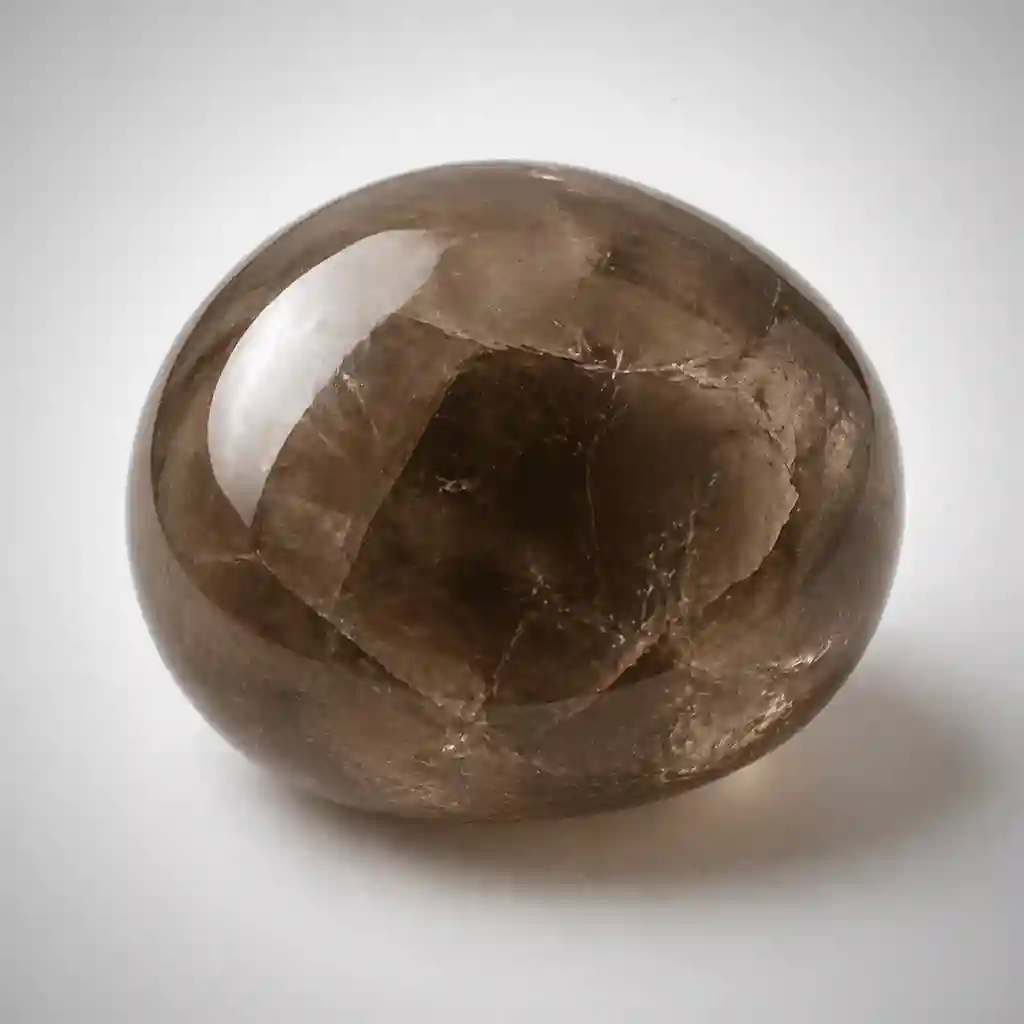
Use Hematite as the anchoring stone at the four corners or base of any grid to stabilize the whole formation. It works well as a Root Chakra anchor in chakra balancing grids. Pair it with Black Tourmaline for a protective grid, or with Smoky Quartz to deepen grounding energy in a circular formation.
How Do You Cleanse & Charge Hematite?
Running Water
RecommendedEarth Burial
RecommendedSmudging
RecommendedMoonlight Bathing
RecommendedMoon Phase Charging: Charge Hematite under the full moon to renew its grounding energy, or during the waning moon to help it release accumulated negativity. For the strongest recharge, place Hematite directly on the ground outdoors.
Avoid the following:
- ✗Prolonged water soaking — Hematite is iron oxide and can rust or discolor
- ✗Salt water — accelerates rusting and surface damage
- ✗Steam cleaning — moisture and heat together accelerate oxidation
- ✗Chemical cleaners — acids and harsh detergents can dissolve the surface
- ✗Ultrasonic cleaners — not recommended for any iron oxide mineral
What Crystals Pair Well with Hematite?
Best Combinations
Black Tourmaline
Black Tourmaline blocks negativity at the source while Hematite converts whatever gets through — together they create a strong grounding shield
Smoky Quartz
Smoky Quartz grounds spiritual energy while Hematite grounds physical energy — they work at different levels for more complete grounding
Clear Quartz
Clear Quartz amplifies Hematite's grounding and organizing properties, which sharpens mental clarity and purposeful action
Combinations to Approach with Caution
If You Like Hematite, Also Try
How Can You Tell if Hematite is Real or Fake?
Common Imitations
Identification Tests
1.Streak Test
Rub the specimen across an unglazed porcelain plate (streak plate).
Genuine Hematite always produces a distinctive red to reddish-brown streak. Most imitations produce a gray, black, or colorless streak. This is the most reliable identification test for Hematite.
2.Magnet Test
Hold a magnet near the specimen.
Natural Hematite is not magnetic and will not be attracted to a magnet. If the stone is strongly attracted to a magnet, it is likely synthetic "magnetic Hematite" (barium-strontium ferrite).
3.Weight Test
Hold the stone in your hand and assess its weight relative to its size.
Genuine Hematite has a specific gravity of 5.26 — it feels remarkably heavy for its size, noticeably denser than most other crystals. Synthetic imitations and other stones feel lighter.
Price Reference
Small
$2-8
Medium
$8-25
Large
$20-60
Natural Hematite is very affordable due to its abundance. Specular and botryoidal specimens command higher prices for their aesthetic appeal. Magnetic "Hematite" is even cheaper but is a synthetic material.
Is Hematite Safe? Care & Precautions
Toxicity Warning
Hematite is generally non-toxic for handling, but should not be ingested or used in direct-contact elixirs. It contains iron oxide which can be harmful if consumed in quantity. Always use the indirect method for gem elixirs.
Storage
Store Hematite away from moisture to prevent rusting or surface discoloration. Dry thoroughly after any water cleansing. Store separately from softer stones as Hematite's weight and hardness can scratch them. A dry, cool environment is ideal.
Special Warnings
- ⚠Natural Hematite can rust if left wet — always dry immediately after water contact
- ⚠Much commercially available "Hematite" jewelry is actually synthetic magnetic material — be aware of this if magnetic properties matter to you
- ⚠Avoid using Hematite with pacemakers if using the magnetic synthetic variety
What is Hematite Best For?
Hematite FAQ — Common Questions Answered
Is Hematite magnetic?+
Natural Hematite is not magnetic. But a lot of the "Hematite" beads and pendants sold in crystal shops are actually synthetic "magnetic Hematite" — a manufactured material made from barium-strontium ferrite that is strongly magnetic. These look similar and are widely accepted for metaphysical use, though some people prefer the real thing. If you hold a magnet near genuine Hematite, nothing will happen.
What is Hematite good for?+
Grounding and protection, mostly. Hematite anchors your energy to the Earth, clears mental fog, and helps you think in a focused, organized way. It converts negative energy rather than just blocking it. People who feel scattered, anxious, or overwhelmed tend to find it stabilizing. It is also associated with courage, strength, and self-confidence.
Can Hematite get wet?+
You can rinse natural Hematite briefly under running water for cleansing, but do not soak it. Hematite is iron oxide, and it will rust or develop a reddish discoloration if left wet. Dry it thoroughly with a soft cloth after rinsing. Synthetic magnetic Hematite handles water better but should still be dried promptly. If you prefer to skip water entirely, smudging or moonlight work fine.
How does Hematite ground Aries energy through the Root Chakra?+
Hematite is a classic Root Chakra stone — it anchors your energy in the physical body with heavy, stable force. Aries is a fiery, impulsive sign with tremendous natural energy, and Hematite helps channel that energy into focused action instead of scattered impulsiveness. It teaches Aries to slow down long enough to think strategically, turning raw warrior energy into disciplined leadership.
Is Hematite a natural stone and where does it form?+
Hematite is one of the most abundant minerals on Earth. It forms through both igneous and sedimentary processes, and major deposits are found in Brazil (the largest source), Australia, China, India, and the United States. One important caveat: much of the "Hematite" sold in bead form is actually synthetic magnetic material. Natural Hematite is not magnetic and leaves a distinctive red streak when scratched across unglazed porcelain. Real specimens are affordable and easy to find.
Was this helpful?