Seraphinite at a Glance
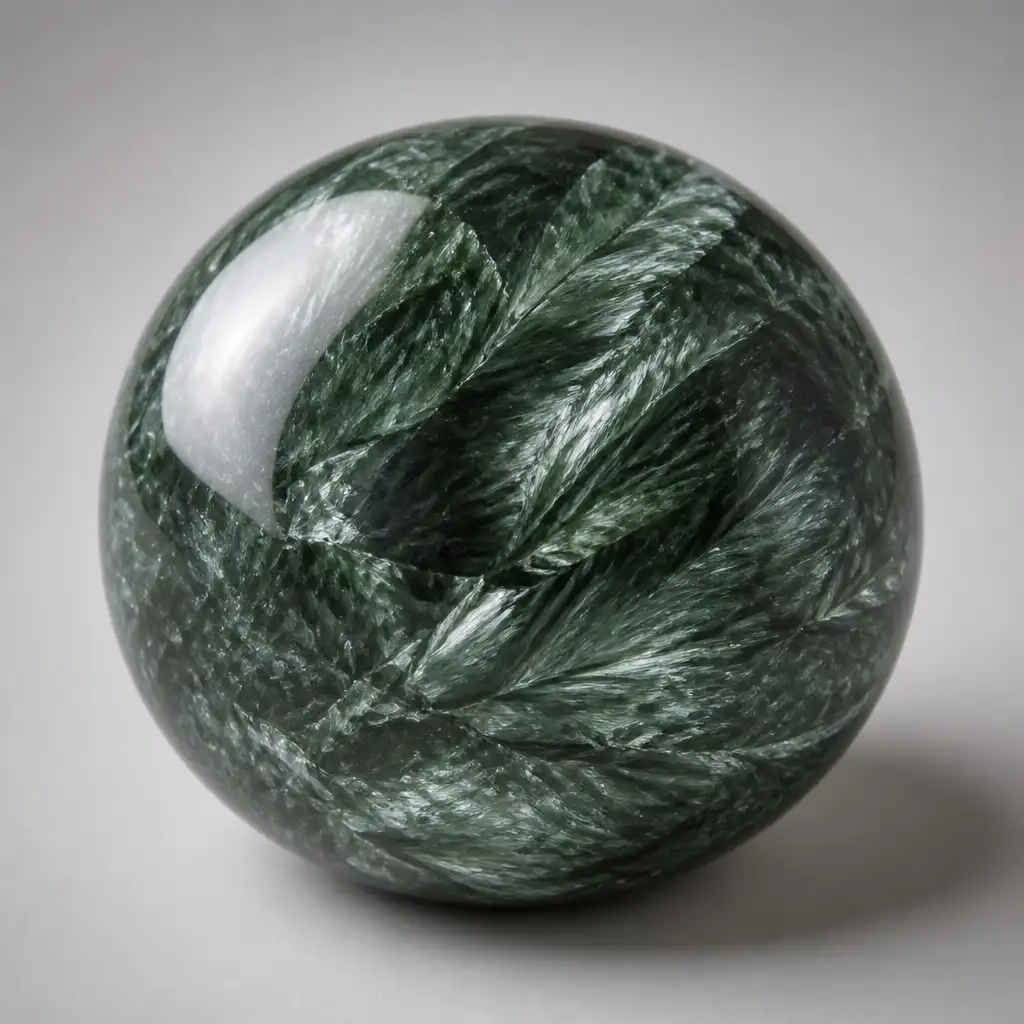
Seraphinite is a green clinochlore with silver chatoyant patterns resembling angel wings, known for connecting the heart to divine consciousness and facilitating spiritual enlightenment.
Spiritual seekers, those working through grief or loss, people wanting to develop their connection to angelic or divine guidance, and anyone seeking to unify heart and spirit
“I am guided by divine light, and my heart is open to the wisdom and love of the angels.”
Cleanse with moonlight, smudging, or sound only; avoid water due to softness; handle gently; store wrapped in soft cloth away from harder stones
Seraphinite Quick Answers
What is Seraphinite good for?
Spiritual connection, angelic communication, and heart-centered healing are Seraphinite's main territories. It ranks among the most effective stones for accessing angelic guidance and creating a tangible sense of divine presence. Crystal workers also bring it into deep emotional healing work, especially around grief, loss, and the hollow feeling of spiritual disconnection. That heart-to-crown channel makes it a natural fit for meditation, spiritual enlightenment, and learning to trust the unfolding of your path.
Why is it called Seraphinite?
The name comes from the Seraphim, the highest order of angels in Judeo-Christian tradition, described as beings of pure light with six wings. The silver chatoyant patterns in the stone shimmer and shift when you move it under light, creating an effect that strongly resembles feathered angel wings. The name was given by crystal dealers and metaphysical practitioners rather than mineralogists. Its scientific mineral name is clinochlore, variety of the chlorite group.
What is the Meaning & History of Seraphinite?
Core Meaning
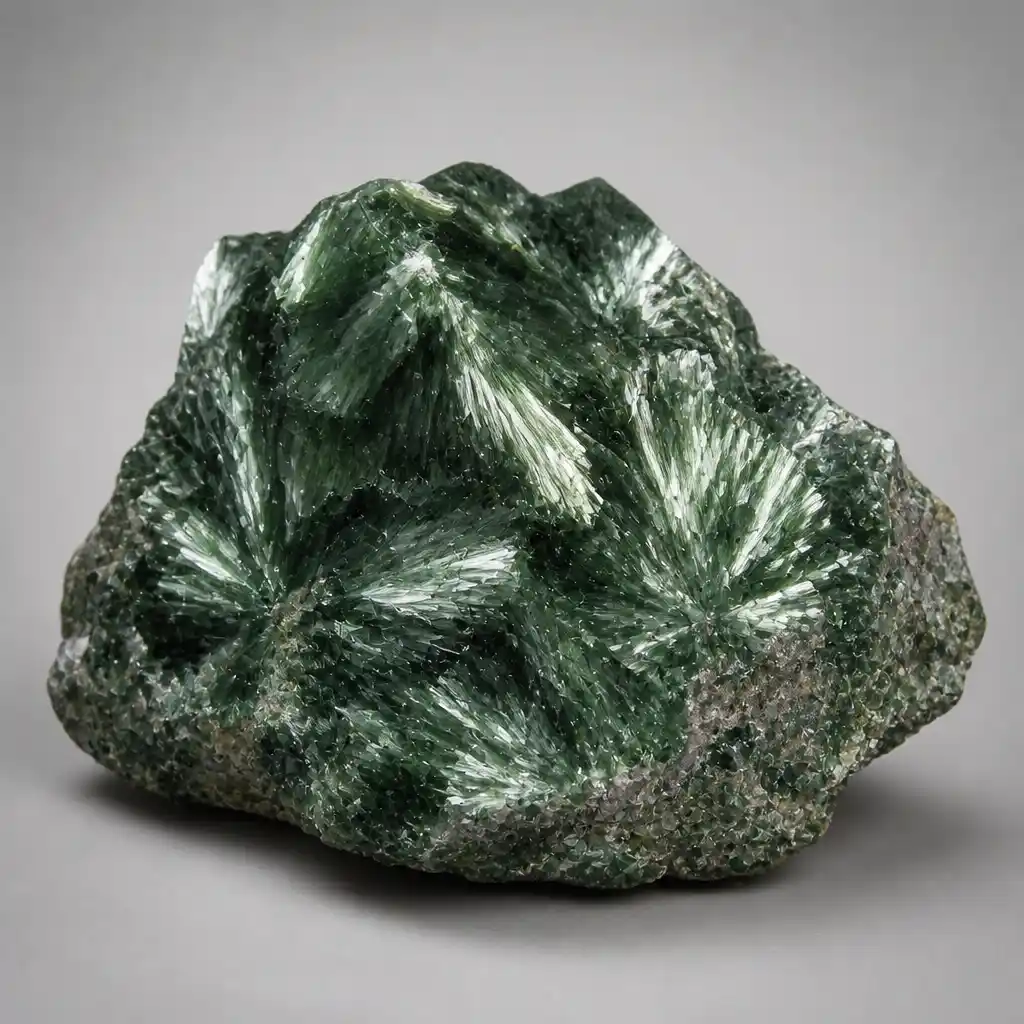
The Stone of the Angels — Seraphinite carries the energy of the sacred made personal. It does not traffic in abstract spiritual concepts. Instead, it creates direct, physical experiences of connection to something larger than the individual self. That silver chatoyancy dancing across its surface when you tilt it under light is not just beautiful -- it is a working metaphor for how the stone operates, revealing hidden dimensions of light and meaning that shift depending on your perspective. What makes Seraphinite unusual is its heart-to-crown channel. Most crystals focus on one or two chakras. Seraphinite builds a direct link between the Heart (personal love, emotion, compassion) and the Crown (universal consciousness, divine connection, enlightenment). Spiritual insights land as deeply personal and emotional, while your own feelings get lifted into a spiritual frame. The effect is hard to mistake: a sense of being held, guided, and loved by something both benevolent and vast.
Historical & Cultural Significance
Seraphinite entered the Western metaphysical market in the 1990s, though the mineral clinochlore itself was identified much earlier. The specific gem variety from the Lake Baikal region of Siberia began appearing at mineral shows and metaphysical shops, where its striking visual appearance and the angel-wing pattern immediately captured attention. The name "Seraphinite" was coined by crystal dealers rather than mineralogists, reflecting the stone's spiritual rather than scientific identity. The Lake Baikal region has its own rich spiritual history. Siberian shamans have used green stones in healing ceremonies for centuries, and the Baikal area is considered sacred in multiple indigenous traditions. While there is no specific historical record of Seraphinite being used in ancient shamanic practice, the stone fits naturally within a landscape where the boundary between the physical and spiritual worlds has always been understood as permeable.
Symbolism
- ✦Angel wings: divine messengers and the bridge between earthly and celestial realms
- ✦Silver chatoyancy: hidden light revealed through shifting perspective
- ✦Green depth: the heart of the forest as a place of spiritual sanctuary
- ✦Feathered light: gentleness combined with the power to transcend
- ✦Heart-crown bridge: personal love elevated to universal consciousness
Folklore & Legends
In Siberian tradition, green stones from the Baikal region are associated with the spirit of the great lake itself, believed to be a living being of immense wisdom and healing power. Some local legends speak of green stones that could communicate with sky spirits, acting as intermediaries between the earthly and celestial realms. In modern metaphysical practice, Seraphinite is strongly associated with the archangel Metatron and the angelic order of Seraphim. Some practitioners believe the stone can facilitate communication with guardian angels and spirit guides, particularly during meditation and dream work. The name itself has become a self-fulfilling prophecy, as people who work with Seraphinite frequently report experiences they describe as angelic encounters.
Geological Profile
Formation Process
Seraphinite is a gem variety of clinochlore, a phyllosilicate mineral in the chlorite group. It forms in regionally metamorphosed rocks, particularly in association with metamorphosed ultramafic and mafic rocks. The Lake Baikal material occurs in metamorphic zones where magnesium-rich rocks have been subjected to moderate-grade metamorphism. The characteristic silver chatoyancy comes from oriented microscopic inclusions and the platy, layered crystal structure of the mineral, which creates a shimmering effect as light reflects off the aligned crystal plates. The deep green color comes from iron and magnesium in the crystal structure. The platy nature means the mineral easily splits along cleavage planes, which is why it is relatively soft.
Varieties
Chatoyant Seraphinite (Premium)
The most sought-after variety with pronounced silver chatoyancy that creates the angel-wing effect. The silver shimmer should be visible across most of the surface when the stone is tilted under light. This material is cut into cabochons to best display the chatoyant effect.
Deep Green Seraphinite
Rich forest-green material with more subtle chatoyancy. Still genuine Seraphinite, just with less pronounced silver patterning. Often more affordable and suitable for collectors and practitioners who prefer a subtler energy.
Patterned Seraphinite
Material with distinct white or lighter green feather-like patterns running through the darker green body. The patterns are natural growth features. Some collectors prefer this variety for its distinctive, organic appearance.
Notable Origins
Russia (Lake Baikal region, Siberia)
The primary and essentially only commercial source of gem-quality Seraphinite. The material comes from metamorphic deposits in the Baikal mountain range. Known for deep green color and strong silver chatoyancy. Mining is challenging due to the remote location and harsh Siberian climate, which limits production and contributes to the stone's relative scarcity.
Mineral data verified via Mindat.org
Physical Properties
| Hardness | 3 on the Mohs scale |
| Chemical Formula | Mg₅Al(AlSi₃O₁₀)(OH)₄ |
| Crystal System | Monoclinic |
| Primary Color | Green (with silver chatoyancy) |
| Origin | Russia |
| Transparency | Translucent to opaque |
| Luster | Vitreous to pearly, chatoyant |
| Specific Gravity | 2.60-2.85 |
What Are the Healing Properties of Seraphinite?
Emotional & Mental Well-being
Seraphinite is a potent emotional healer that works through the heart with a quality crystal workers describe as both tender and strong.
- ◆It goes after old grief -- especially the kind that has frozen in place, blocking the natural healing process from completing.
- ◆The stone does not force anything open.
- ◆It creates a sense of being held by something compassionate and wise, which lets deeply buried feelings surface at a pace you can actually handle.
- ◆Where Seraphinite really sets itself apart is with people who feel spiritually abandoned or cut off from meaning and purpose.
- ◆Its heart-to-crown channel helps reestablish a connection to the sacred, not through doctrine or belief but through direct experience.
- ◆Crystal workers consistently report that clients working with Seraphinite start to feel "accompanied" rather than alone, as if a benevolent presence is walking alongside them through whatever they are processing.
- ◆That quality is invaluable during major life transitions, illness, or stretches of existential questioning.
Spiritual Properties
When it comes to angelic communication and spiritual enlightenment, Seraphinite sits near the top of the list.
- ◆It opens the door to direct experiences of divine presence, however you understand that -- angels, spirit guides, higher self, universal consciousness.
- ◆Crystal workers consistently report that meditating with Seraphinite brings on experiences of being surrounded by light, sensing the presence of benevolent beings, or receiving strikingly clear guidance about life direction.
- ◆The stone also plays a role in energy healing at the most subtle levels.
- ◆Some practitioners describe its action as working on "cellular memory," helping the body release stored trauma and realign with its original blueprint of health.
- ◆Those concepts come from metaphysical rather than scientific frameworks, but Seraphinite reliably produces experiences of deep peace, spiritual clarity, and the unmistakable sense that healing is happening at a level beneath the physical.
- ◆It is a frequent recommendation for people going through spiritual awakenings that feel overwhelming, because it helps integrate high-frequency energy without blowing the circuits.
Physical Healing Traditions
Traditional crystal healing connects Seraphinite with cellular regeneration, detoxification, and the nervous system.
- ◆Crystal workers bring it in during detox programs, for nervous system complaints, and to support general vitality.
- ◆Some traditions link it to the heart and lungs, using it for respiratory conditions and heart-related stress.
- ◆The broader chlorite mineral group that Seraphinite belongs to has historically been used in powdered form in certain cultures for skin conditions.
- ◆None of this constitutes medical advice.
- ◆Work with a healthcare professional for any health condition.
Note: These properties are based on metaphysical traditions and are not a substitute for medical advice.
What Science Says
Seraphinite is a gem variety of clinochlore with the chemical formula Mg5Al(AlSi3O10)(OH)4, a member of the chlorite group of phyllosilicate minerals.
- ◆The silver chatoyancy results from the mineral's platy crystal habit and oriented microscopic inclusions that reflect light in a coordinated manner.
- ◆Clinochlore is a common metamorphic mineral, but the gem-quality material with pronounced chatoyancy from the Lake Baikal region is unusual.
- ◆The green color comes from iron and magnesium in the crystal structure.
- ◆With a hardness of only 2-4 on the Mohs scale, it is quite soft and must be handled carefully.
- ◆The mineral is stable under normal conditions and poses no toxicity risk from handling.
Which Chakras Does Seraphinite Connect To?
Which Zodiac Signs Match Seraphinite?
How Do You Use Seraphinite?
Meditation
Place Seraphinite on your Heart Chakra or hold it in your hands during meditation. Visualize silver-green light flowing from your heart upward through your crown and outward like wings. For angelic connection work, meditate with Seraphinite in a quiet, softly lit space and simply ask for guidance, then remain open to whatever impressions, images, or feelings arise. People tend to have the most vivid experiences during early morning or twilight meditations with this stone.
Daily Wear
Due to its softness (2-4 Mohs), Seraphinite requires protective settings like bezels for jewelry. Pendants worn at heart level are ideal. Avoid rings for daily wear unless you are gentle with your hands. Remove all Seraphinite jewelry before physical activity, cleaning, or exposure to chemicals. Despite these limitations, even occasional wear provides the stone's heart-crown connecting energy. Carry a tumbled piece in a pocket or pouch as an alternative to wearing it.
Home Placement
Place Seraphinite in your meditation space or on your altar to elevate the spiritual energy of the room. In the bedroom, it supports peaceful, spiritually meaningful sleep and can enhance dream recall. For healing work, place it in the treatment room to create a high-vibration, protected space. Avoid placing it in humid areas like bathrooms, and keep it away from direct, intense sunlight, which can affect the chatoyancy over time.
Crystal Grids
Use Seraphinite in spiritual enlightenment and angelic connection grids. Pair with Selenite for high-vibration purification, Moldavite for accelerated spiritual transformation, and Moonstone for enhanced intuition. For heart healing grids, combine with Rose Quartz (gentle love) and Clear Quartz (amplification). Seraphinite works best as a heart or crown position stone in grids, serving as the bridge between earthly emotion and spiritual awareness.
How Do You Cleanse & Charge Seraphinite?
Moonlight Bathing
RecommendedSmudging
RecommendedSound Healing
RecommendedRunning Water
Avoid water due to softness and platy structure
Use CautionMoon Phase Charging: Seraphinite responds beautifully to moonlight charging, particularly during the full moon. Place it in direct moonlight overnight to refresh its high-vibration energy. Sound cleansing with singing bowls, bells, or tuning forks is also highly effective. Smudging with sage, palo santo, or frankincense works well. Due to the stone's softness, avoid water-based cleansing methods.
Avoid the following:
- ✗Water immersion — the soft, platy structure can be damaged by moisture
- ✗Salt and salt water — can scratch and erode the soft surface
- ✗Ultrasonic cleaners — vibrations can cause the layered structure to separate
- ✗Steam cleaning — heat and moisture together can damage the stone
- ✗Chemical cleaners of any kind
What Crystals Pair Well with Seraphinite?
Best Combinations
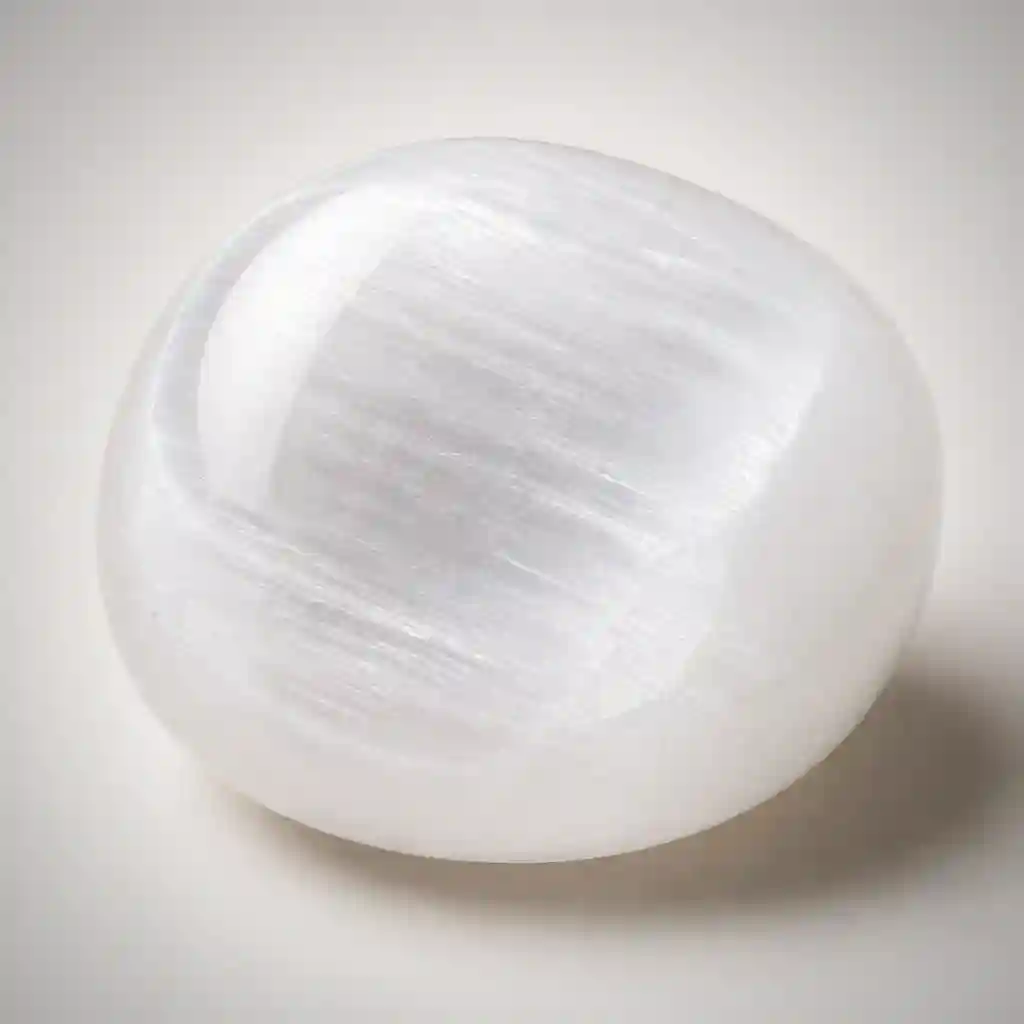
Selenite
Selenite purifies the energy field to crystal clarity while Seraphinite opens the heart-crown channel. Together they create an exceptionally high-vibration space ideal for angelic communication and spiritual healing.
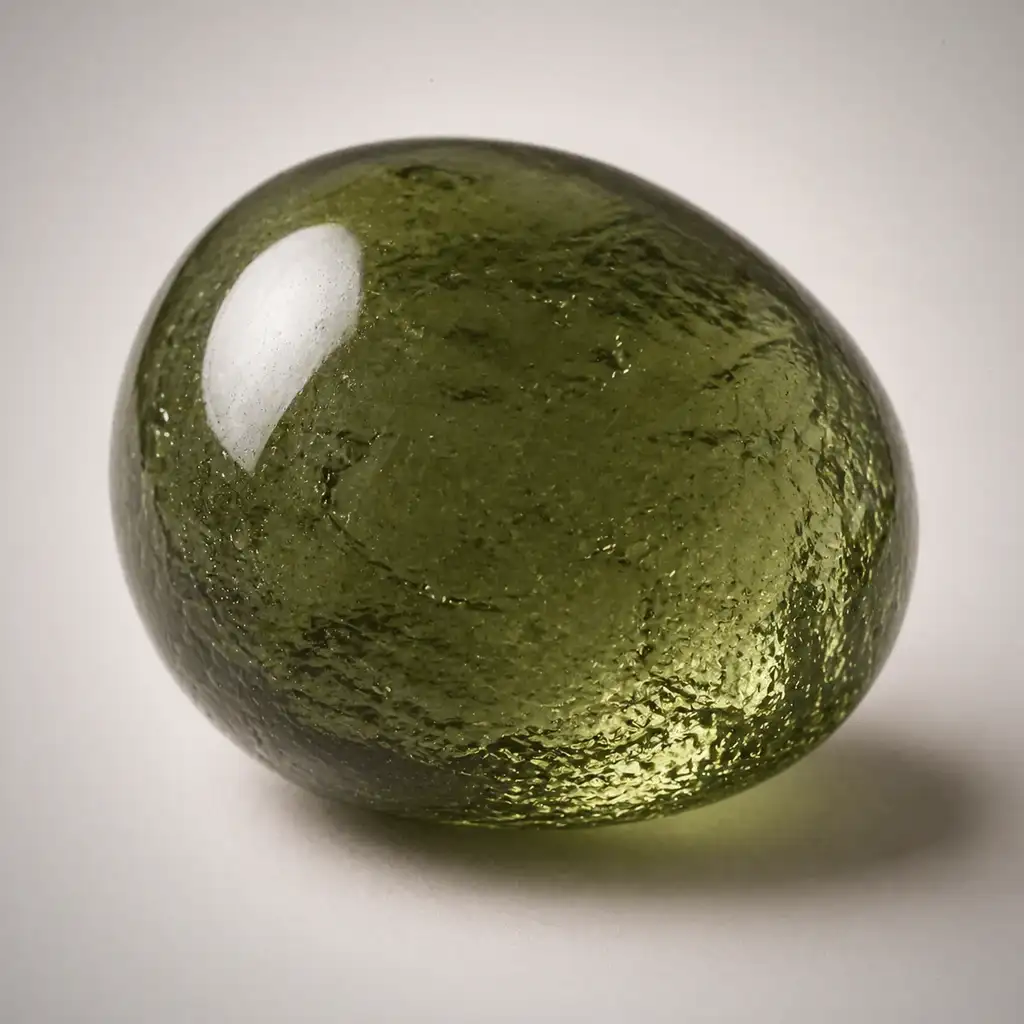
Moldavite
Moldavite accelerates spiritual transformation while Seraphinite provides the gentle, angelic support needed to integrate rapid change. This combination is powerful but intense, best for experienced spiritual practitioners.
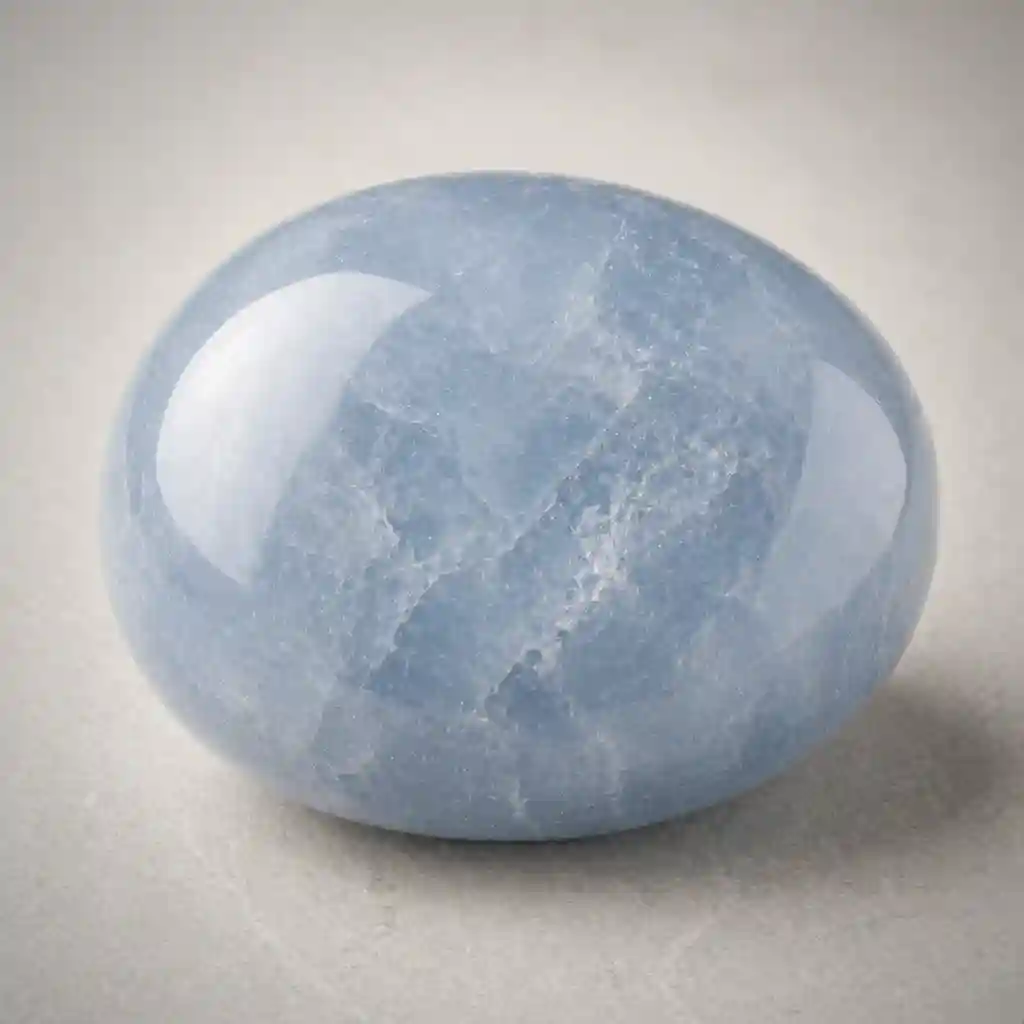
Celestite
Celestite's gentle blue angelic energy and Seraphinite's green angelic energy create a complete spectrum of angelic connection. Celestite works on the throat and third eye while Seraphinite works on the heart and crown.
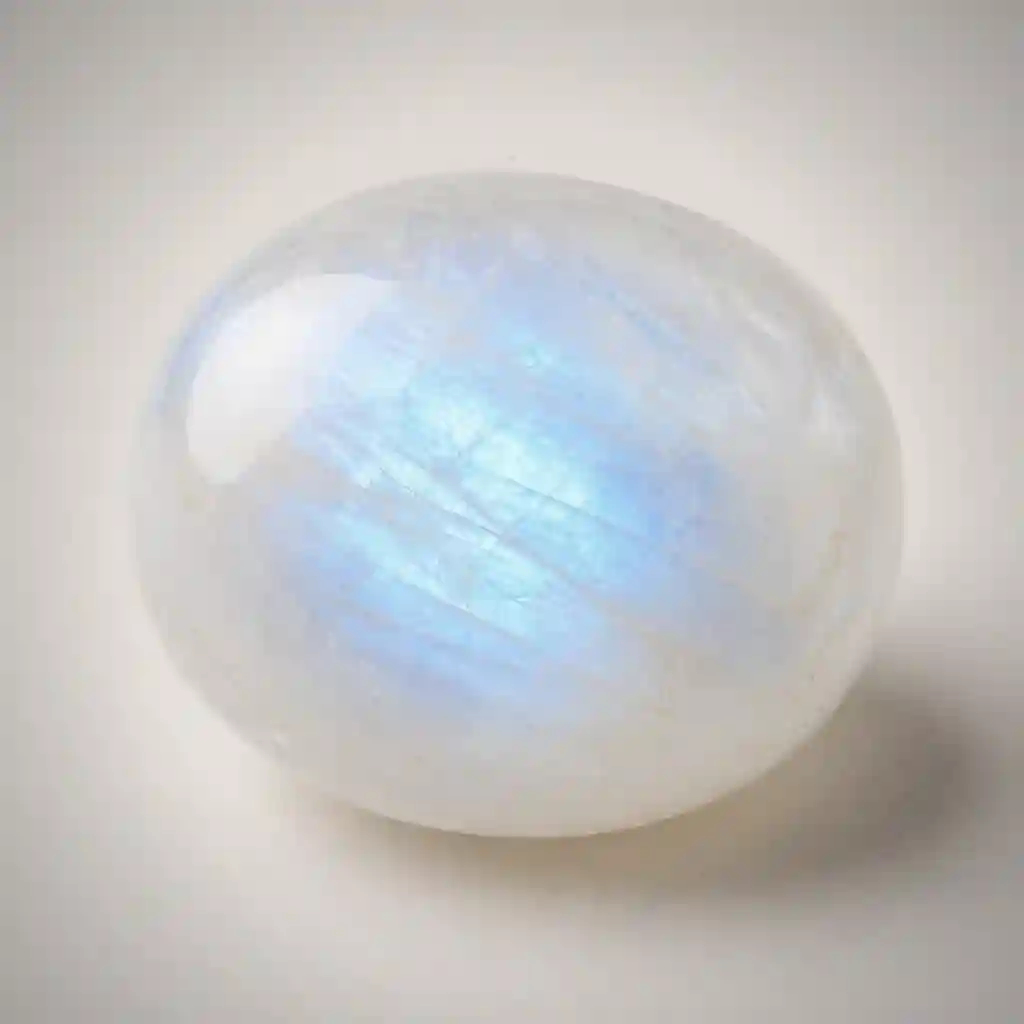
Moonstone
Moonstone enhances intuition and spiritual receptivity, making it easier to receive and interpret the guidance that Seraphinite helps channel. A gentle, supportive combination for developing spiritual awareness.
How Can You Tell if Seraphinite is Real or Fake?
Common Imitations
Identification Tests
1.Chatoyancy Test
Move the stone slowly under a direct light source, tilting it back and forth to observe the chatoyant effect. Use a penlight or smartphone flashlight for the best observation.
Genuine Seraphinite shows a natural silver chatoyancy that moves across the surface in feathery, wing-like patterns as the angle of light changes. The shimmer is organic and irregular, not uniform. Resin imitations with metallic flakes show a more glittery, uniform sparkle rather than the smooth, flowing chatoyancy of genuine material.
2.Hardness Test
Try to scratch the specimen with your fingernail (hardness ~2.5) and a copper coin (hardness ~3).
Genuine Seraphinite (2-4 Mohs) is soft enough that a copper coin may scratch it, and your fingernail may scratch the softest material. This is actually a useful identification feature: most green gemstone imitations (glass, dyed agate, aventurine) are significantly harder and cannot be scratched by a fingernail or copper coin.
3.Cleavage and Structure Test
Examine the stone's edge or any natural surfaces for the characteristic platy, layered structure. Look at the stone from the side.
Genuine Seraphinite shows a platy, micaceous structure when viewed from the side. It may have visible layers or a slightly flaky texture at the edges. This layered structure is characteristic of chlorite group minerals and is difficult to replicate in imitations. Resin fakes appear uniform and lack this natural layering.
4.Origin Verification
Ask the seller about the stone's origin and request any available documentation.
Genuine gem-quality Seraphinite comes almost exclusively from the Lake Baikal region of Siberia, Russia. If the seller cannot confirm Russian origin or claims it comes from another country, it may not be genuine Seraphinite. The limited geographic source makes origin verification a useful authentication tool.
Price Reference
Small
$8-25
Medium
$20-75
Large
$60-200
Pricing depends on the quality and intensity of the silver chatoyancy. Material with strong, visible angel-wing patterns commands higher prices. Deep green material with subtle chatoyancy is more affordable. Cabochons showing the best chatoyant effect are the most sought-after form. The limited single-source supply and growing demand suggest prices may increase over time.
Is Seraphinite Safe? Care & Precautions
Toxicity Warning
Seraphinite is a magnesium aluminum silicate hydroxide (clinochlore) and is generally considered non-toxic under normal handling. It does not contain known toxic elements in significant quantities. As with all minerals, do not ingest or inhale dust from crushed specimens. Normal handling, wear, and crystal work are safe.
Storage
Seraphinite is soft (2-4 Mohs) and should be stored carefully, wrapped in soft cloth and kept away from harder stones and jewelry that could scratch it. The platy structure means it can be cleaved or split if dropped or struck, so handle it gently. Avoid exposure to chemicals and cleaning agents that could affect the surface.
Special Warnings
- ⚠Very soft (2-4 Mohs) — handle with care and avoid impacts that could split or scratch the stone
- ⚠Avoid water exposure — the soft, platy structure can be damaged by prolonged moisture
- ⚠Not suitable for rings or bracelets intended for daily wear
- ⚠Remove jewelry before any physical activity
What is Seraphinite Best For?
Seraphinite FAQ — Common Questions Answered
What is Seraphinite good for?+
Spiritual connection, angelic communication, and heart-centered healing are Seraphinite's main territories. It ranks among the most effective stones for accessing angelic guidance and creating a tangible sense of divine presence. Crystal workers also bring it into deep emotional healing work, especially around grief, loss, and the hollow feeling of spiritual disconnection. That heart-to-crown channel makes it a natural fit for meditation, spiritual enlightenment, and learning to trust the unfolding of your path.
Why is it called Seraphinite?+
The name comes from the Seraphim, the highest order of angels in Judeo-Christian tradition, described as beings of pure light with six wings. The silver chatoyant patterns in the stone shimmer and shift when you move it under light, creating an effect that strongly resembles feathered angel wings. The name was given by crystal dealers and metaphysical practitioners rather than mineralogists. Its scientific mineral name is clinochlore, variety of the chlorite group.
Is Seraphinite rare?+
Yes, gem-quality Seraphinite with strong silver chatoyancy is relatively rare and comes almost exclusively from a small area near Lake Baikal in Siberia, Russia. While clinochlore as a mineral is not particularly uncommon, the specific variety with the vivid green color and pronounced silver shimmer that makes it suitable as a gem and metaphysical stone is limited. The remoteness of the source and the challenges of mining in Siberian conditions add to its rarity.
Can Seraphinite be worn as jewelry?+
Yes, but with real care. At only 2-4 on the Mohs scale, with a platy layered structure that splits and scratches easily, Seraphinite is best suited for pendants and earrings in protective bezel settings. Rings are generally a bad idea unless you are only wearing them occasionally. Handle it gently, and always remove any Seraphinite jewelry before physical activity. Quite a few collectors opt to keep it as a meditation and healing stone rather than a wearable piece at all.
How does Seraphinite connect the Heart and Crown Chakras?+
It builds a direct energetic channel between the Heart (personal love and emotion) and the Crown (universal consciousness and divine connection). Because of that bridge, spiritual insights do not stay up in your head as abstract thoughts -- they land in the body and heart as felt experiences. Going the other direction, your personal emotions and heartfelt desires get lifted into a wider spiritual perspective. That two-way flow is why working with Seraphinite can feel genuinely sacred rather than just intellectually interesting.
Was this helpful?