Apache Tear at a Glance
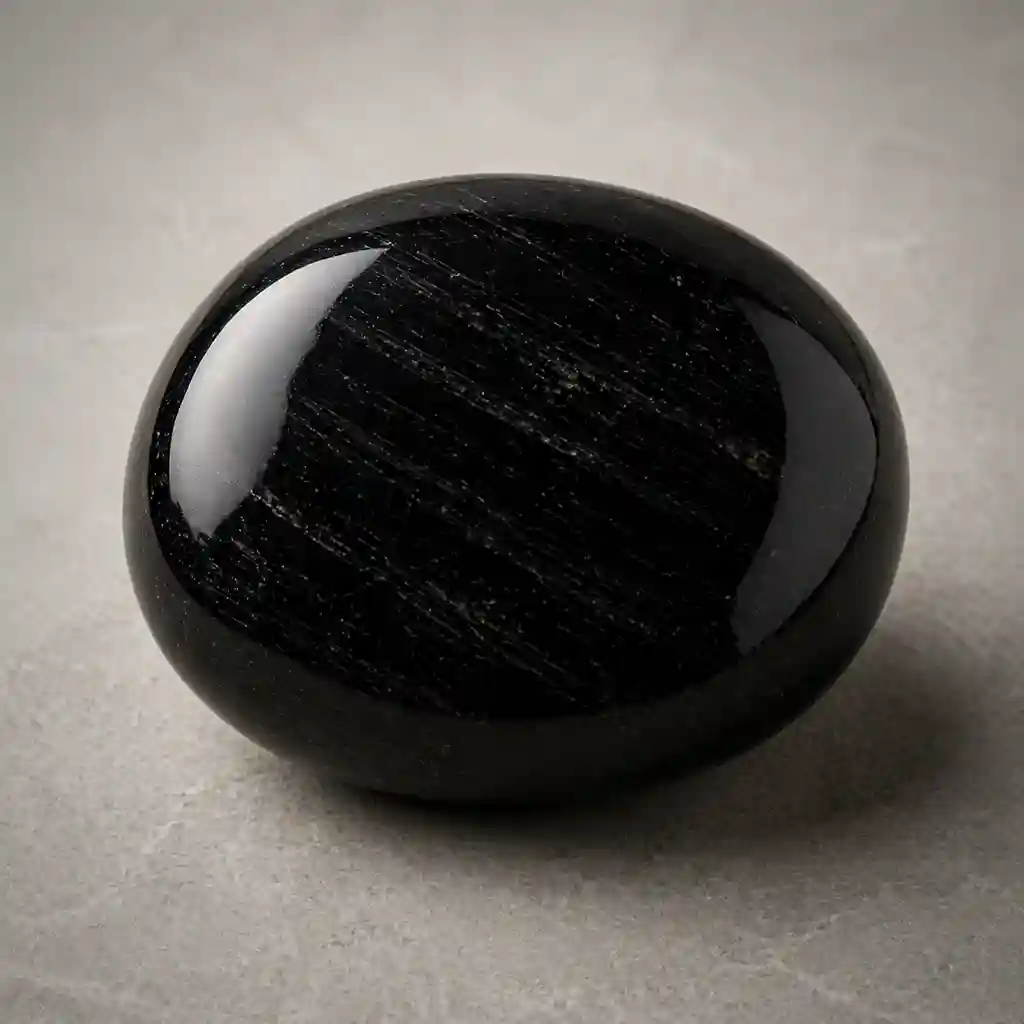
Apache Tear is a gentle obsidian variety renowned for grief release and emotional clearing. It absorbs sorrow while providing steady grounding and compassionate protection.
Those processing grief, loss, or trauma, and anyone needing gentle but strong emotional protection and grounding
“I release my sorrow to the Earth, trusting that what I let go of creates space for healing and renewal.”
Cleanse with sage or moonlight; earth burial overnight is especially effective; avoid prolonged water soaking and harsh chemicals
Apache Tear Quick Answers
What is the difference between Apache Tear and regular obsidian?
Apache Tear is a specific variety of obsidian that forms as small, rounded nodules rather than large masses. Metaphysically, Apache Tears are considered gentler and more emotionally supportive than regular black obsidian. While both are protective, regular obsidian can bring deep shadow material to the surface rapidly and intensely, which can be overwhelming. Apache Tears offer the same protective quality with a softer, more compassionate energy that makes them particularly suited for grief work and emotional clearing. They also tend to be slightly translucent when backlit, unlike most black obsidian.
What is the Apache Tear legend?
According to legend, in the 1870s a band of about 75 Apache warriors was cornered by the U.S. Cavalry atop a mountain near what is now Superior, Arizona. Rather than surrender and face imprisonment, the warriors chose to ride their horses off the cliff. When the Apache women and children found their fallen at the base, their tears fell to the ground and turned into small black stones — the Apache Tears found there to this day. The legend gives the stone its profound association with grief, loss, and the transformation of sorrow into something enduring. Historically accurate or not, the story has become inseparable from the crystal's identity.
What is the Meaning & History of Apache Tear?
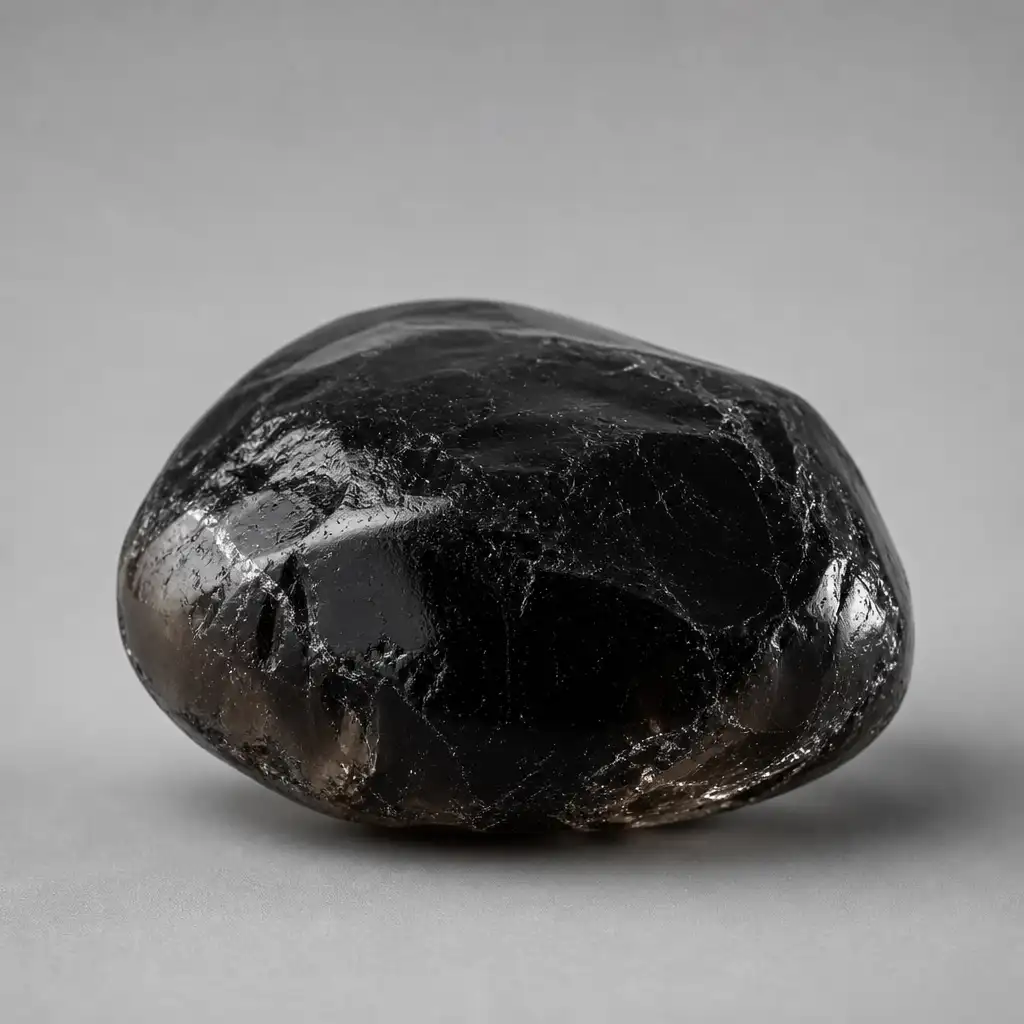
Core Meaning
The Stone of Grief Release — Apache Tear carries a vibration of compassionate release — the energy of sorrow acknowledged, felt, and finally let go. Unlike regular obsidian, which can drag shadow material to the surface with uncomfortable intensity, Apache Tears draw out grief and emotional pain gently, absorbing it like a sponge while keeping you grounded and protected. The stone connects simultaneously to the Root Chakra (grounding, safety, survival) and the Heart Chakra (emotional healing, compassion, love), bridging the instinct to protect yourself with the willingness to feel deeply. That dual action makes it uniquely suited for grief work: it provides the safety and stability needed to process loss without falling apart, while softening the Heart enough to allow genuine emotional release rather than suppression. Time and again, people who work with Apache Tears move through grief more completely and come out the other side with a deeper sense of peace.
Historical & Cultural Significance
Apache Tears are found primarily in the American Southwest, with the most significant deposits located near Superior, Arizona, in the volcanic formations of the Sonoran Desert. They are nodules of obsidian — volcanic glass that formed when blobs of molten lava were ejected during eruptions and cooled rapidly while airborne, forming the characteristic rounded shapes. The indigenous Apache people of the region have known these stones for centuries, and the legend that gives them their name dates to the Apache Wars of the 1870s. The stones became popular in the American rock and mineral trade during the 20th century and entered the metaphysical crystal community as their grief-related properties became recognized through consistent practitioner experience.
Symbolism
- ✦Grief transformed — sorrow that crystallizes into something enduring and meaningful
- ✦Gentle protection — a shield that guards without isolating or hardening the heart
- ✦Grounded compassion — emotional healing rooted in stability and safety
- ✦Ancestral connection — honoring those who have passed and the wisdom they carried
- ✦Resilience and survival — the endurance of the human spirit through loss
- ✦Forgiveness — releasing the pain of the past to open space for peace
Folklore & Legends
The legend of the Apache Tear is one of the most widely known crystal stories in North America. According to the tradition, in the 1870s a band of approximately 75 Apache warriors was cornered by the U.S. Cavalry on a mountain near present-day Superior, Arizona. Facing capture and imprisonment, the warriors chose to ride their horses off the cliff rather than surrender. When the Apache women found their fallen at the base of the mountain, their tears of grief fell to the earth and transformed into the small black stones found there to this day. The legend holds that anyone who carries an Apache Tear will never need to cry again, because the stone has already absorbed the grief of the Apache women. In practice, the stone is not about suppressing tears — rather, it supports the full expression of grief so that it can be released completely rather than carried indefinitely.
Geological Profile
Formation Process
Apache Tears are small, rounded nodules of obsidian — natural volcanic glass — that formed during explosive volcanic eruptions. When highly viscous, silica-rich lava is ejected from a volcanic vent, blobs of molten material are thrown into the air. As they tumble and rotate during flight, surface tension pulls them into roughly spherical shapes, and they cool rapidly in the air or upon landing. This rapid quenching prevents crystal formation, resulting in amorphous volcanic glass. Over time, the surrounding volcanic rock (typically perlite or rhyolitic tuff) weathers away, leaving the more durable obsidian nodules free on the surface or embedded in decomposed matrix. The nodules are typically 1-5 centimeters in diameter, though larger specimens are found occasionally.
Varieties
Standard Apache Tear
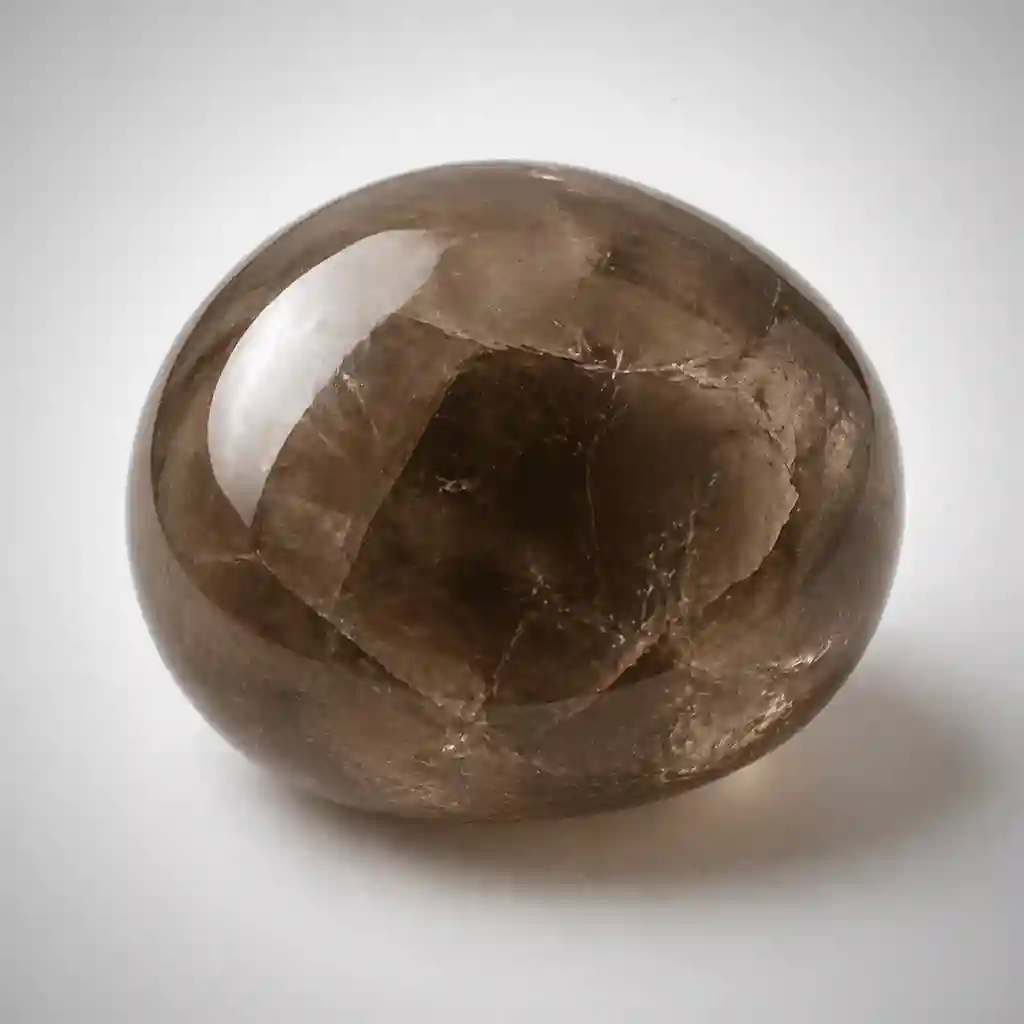
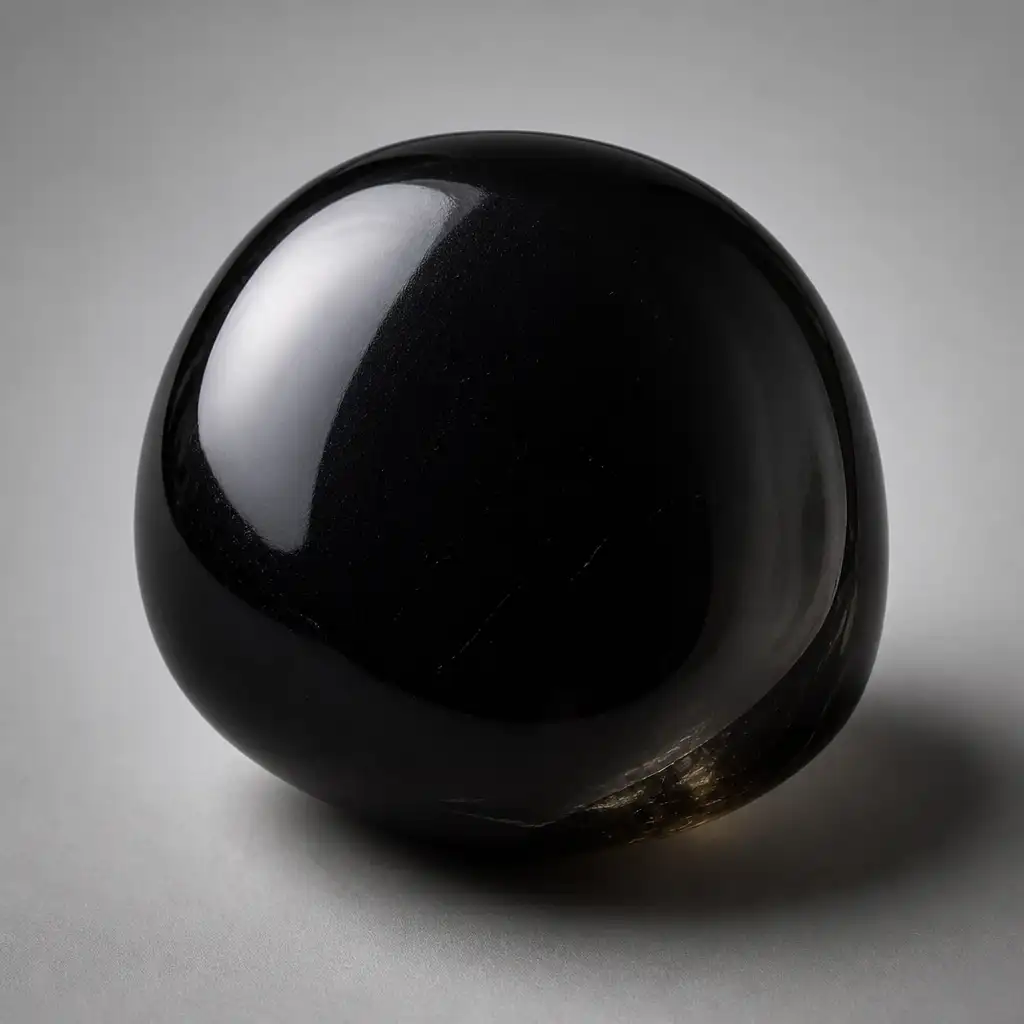
The most common form — small, rounded black nodules that show smoky brown translucency when backlit. Typically 1-5 centimeters in diameter. Surface is smooth and glassy, often with a slight natural polish from weathering.
Matrix Apache Tear
Nodules still embedded in their perlite or volcanic tuff matrix. These specimens show the stone in its natural geological context and are popular with collectors. The white-to-gray matrix provides striking contrast with the black obsidian nodules.
Larger Specimen Grade
Uncommon nodules exceeding 5 centimeters that are suitable for cutting and polishing into cabochons. These larger pieces show the smoky translucency to best advantage when cut into thin slices or cabochons.
Notable Origins
USA — Arizona (near Superior, Pinal County)
The most famous and commercially significant source. Apache Tears from this locality are found weathered out of perlite deposits in volcanic formations. The legend that gives the stone its name originates from this area. Specimens from this location are considered the most desirable by collectors and practitioners.
Mexico (Sonora, Chihuahua)
Mexican deposits produce Apache Tears that are geologically identical to the Arizona material, formed in similar volcanic environments. Generally more affordable than Arizona specimens due to larger-scale commercial mining operations.
Mineral data verified via Mindat.org
Physical Properties
| Hardness | 5 on the Mohs scale |
| Chemical Formula | SiO₂ (volcanic glass) |
| Crystal System | Amorphous |
| Primary Color | Black (dark smoky translucent) |
| Origin | USA (Arizona), Mexico |
| Transparency | Translucent in thin pieces (smoky brown when backlit), opaque in thicker sections |
| Luster | Vitreous (glass-like) |
| Specific Gravity | 2.35-2.60 |
What Are the Healing Properties of Apache Tear?
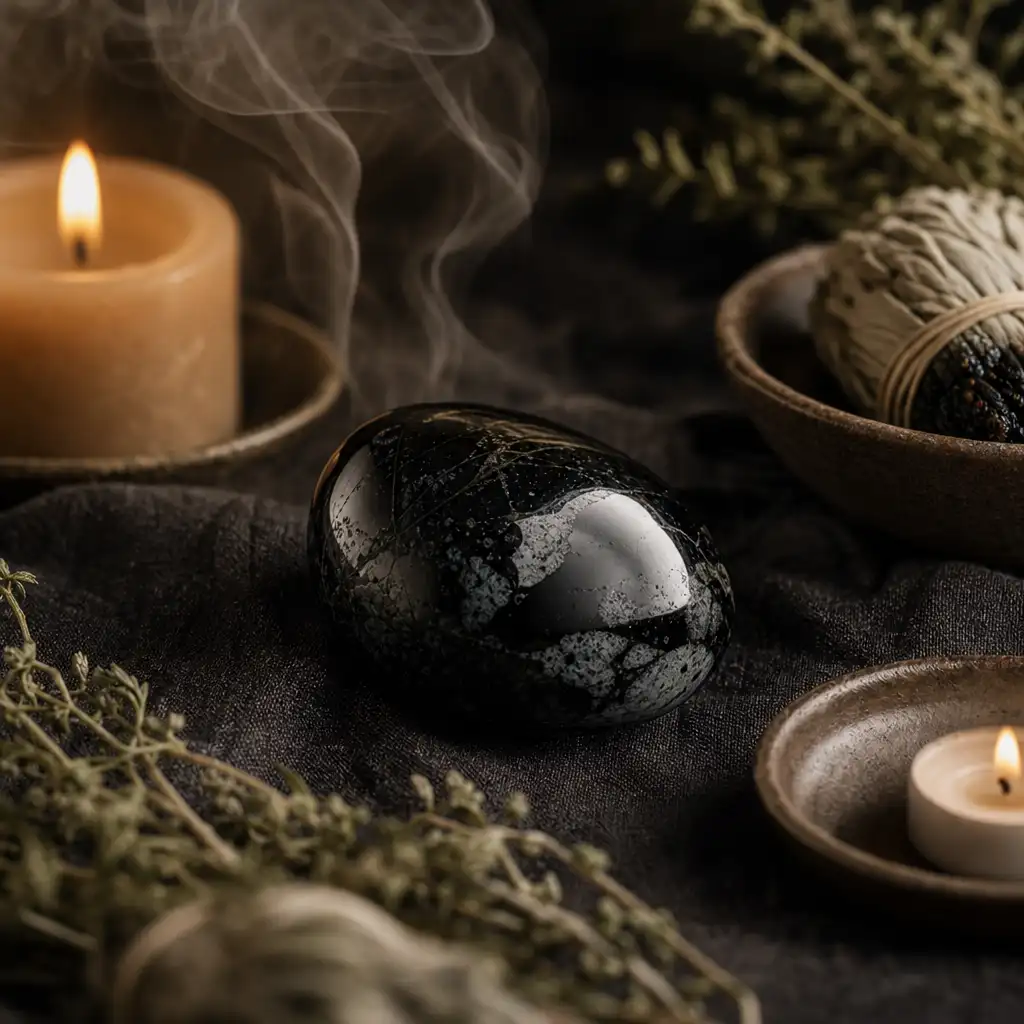
Emotional & Mental Well-being
Apache Tear is the crystal most consistently recommended for grief work, and real-world experience bears this out again and again.
- ◆Its energy absorbs sorrow and emotional pain without overwhelming the person who is grieving.
- ◆Unlike regular black obsidian, which can rip deep shadow material to the surface in a rush, Apache Tears work more like a compassionate sponge — drawing out grief gradually so you can process it at a pace you can sustain.
- ◆This stone comes up constantly for people navigating the death of a loved one, divorce, job loss, pet loss, or any significant ending.
- ◆It also serves trauma recovery well, particularly for people who have bottled up painful experiences and need a safe way to let them go.
- ◆Because it connects to both the Root and Heart chakras, emotional release always comes with a sense of safety and stability — the grounding keeps the process from spiraling into overwhelm.
Spiritual Properties
Apache Tear holds a special place in spiritual work as a stone of gentle but powerful protection and emotional clearing.
- ◆Its energy creates a shield around the aura that absorbs negative energy and psychic debris, yet it does so with a compassion that sets it apart from more aggressive protectors like Black Tourmaline or regular obsidian.
- ◆Apache Tears appear in ancestral work and rituals honoring the dead — the legend of the Apache warriors ties the stone directly to themes of honoring those who have passed.
- ◆Some practitioners use it to access past-life memories connected to loss or grief, clearing patterns of unresolved mourning carried across lifetimes.
- ◆It also supports shadow work, but gently — illuminating what needs to be seen without forcing confrontation.
Physical Healing Traditions
Traditional crystal healing connects Apache Tear to the adrenal glands, the muscular system, and the body's stress response.
- ◆Healers place it on the lower back or at the base of the spine to support adrenal function and ease the physical toll of chronic stress and grief.
- ◆It also comes up for immune support during intense emotional processing, when the body's defenses can dip under the strain of grief work.
- ◆Muscle tension and stiffness from emotional holding — especially in the jaw, shoulders, and lower back — are another common reason practitioners reach for this stone.
- ◆These uses draw from folk healing tradition rather than clinical research, so always consult a healthcare professional for medical concerns.
Note: These properties are based on metaphysical traditions and are not a substitute for medical advice.
What Science Says
Apache Tears are geologically straightforward — they are nodules of obsidian (volcanic glass) composed primarily of silicon dioxide (SiO2) with minor amounts of aluminum, sodium, potassium, and iron.
- ◆The rounded shape results from surface tension acting on airborne molten lava blobs during volcanic eruptions.
- ◆The smoky brown translucency seen in thin sections is due to microscopic crystal inclusions and the natural properties of the glass.
- ◆From a scientific perspective, obsidian has been extensively studied for its use in prehistoric toolmaking.
- ◆The psychological benefits reported by crystal practitioners who use Apache Tears for grief work may involve placebo response, the therapeutic value of tactile objects during emotional distress, and the psychologically meaningful narrative of the Apache legend, which provides a framework for processing loss.
Which Chakras Does Apache Tear Connect To?
Which Zodiac Signs Match Apache Tear?
How Do You Use Apache Tear?
Meditation
Hold an Apache Tear in both hands during meditation, or place it directly over your Heart Chakra (center of chest) while lying down. Set an intention to release grief, sorrow, or emotional pain you've been carrying. Breathe deeply and let yourself feel whatever comes up without resistance — the stone absorbs the intensity while keeping you grounded. For ancestral work, meditate with Apache Tears while focusing on honoring those who have passed and releasing any unresolved grief connected to them.
Daily Wear
Carry an Apache Tear in your pocket or purse as an everyday grounding and protective talisman. During periods of active grief, holding the stone in your hand provides a tactile anchor — something solid to hold onto through difficult emotions without spiraling. A small Apache Tear worn as a pendant at the heart center keeps its compassionate, protective energy with you all day. A smooth, tumbled piece works best for comfortable handling.
Home Placement
Set Apache Tears near your front door for protective energy, or on your nightstand to support emotional processing during sleep. In a meditation or healing space, a small cluster of Apache Tears creates an atmosphere of compassionate safety. For ancestral altars, they make a fitting offering stone — honoring those who have passed while absorbing the grief of the living.
Crystal Grids
Use Apache Tears in grief-release or emotional-healing grids. Place them at the corners of the grid to provide grounding and protection, with Rose Quartz at the center for compassionate emotional healing. For trauma recovery grids, pair Apache Tears with Smoky Quartz (transmutation) and Lepidolite (calming). The stones work well as supporting elements that absorb and ground heavy emotional energy released during grid activation.
How Do You Cleanse & Charge Apache Tear?
Smudging
RecommendedMoonlight Bathing
RecommendedSound Healing
RecommendedEarth Burial
RecommendedMoon Phase Charging: Apache Tears respond well to moonlight charging, particularly during the waning moon (full to new), which aligns with releasing and letting go — the stone's core energetic theme. Place them outside or on a windowsill in direct moonlight overnight. Earth burial is especially effective for Apache Tears — bury them in soil overnight to ground and recharge their energy, connecting them to their volcanic origins. The waning moon is ideal for grief release work with this stone.
Avoid the following:
- ✗Prolonged water soaking — brief rinsing is fine but extended immersion is unnecessary and may affect surface polish over time
- ✗Salt water — abrasive and potentially damaging to polished surfaces
- ✗Harsh chemical cleaners — ammonia, bleach, and commercial jewelry cleaners should be avoided
- ✗Ultrasonic cleaners — the vibration can cause micro-fractures in the glass
What Crystals Pair Well with Apache Tear?
Best Combinations
Rose Quartz
Rose Quartz adds unconditional love and gentle self-compassion to Apache Tear's grief processing, creating a nurturing combination that supports emotional healing without rushing it.
Smoky Quartz
Smoky Quartz amplifies the grounding and transmutation properties of Apache Tear, helping to move released grief energy down through the Root Chakra and into the Earth for processing.
Black Tourmaline
Black Tourmaline provides an additional layer of protective shielding around the vulnerable space that Apache Tear creates for grief work, ensuring that emotional release happens in a safe energetic container.
If You Like Apache Tear, Also Try
How Can You Tell if Apache Tear is Real or Fake?
Common Imitations
Identification Tests
1.Shape and Surface Analysis
Examine the stone's shape carefully. Genuine Apache Tears have naturally rounded, somewhat irregular pebble shapes with smooth, glassy surfaces. Look for subtle conchoidal fracture marks or natural surface imperfections.
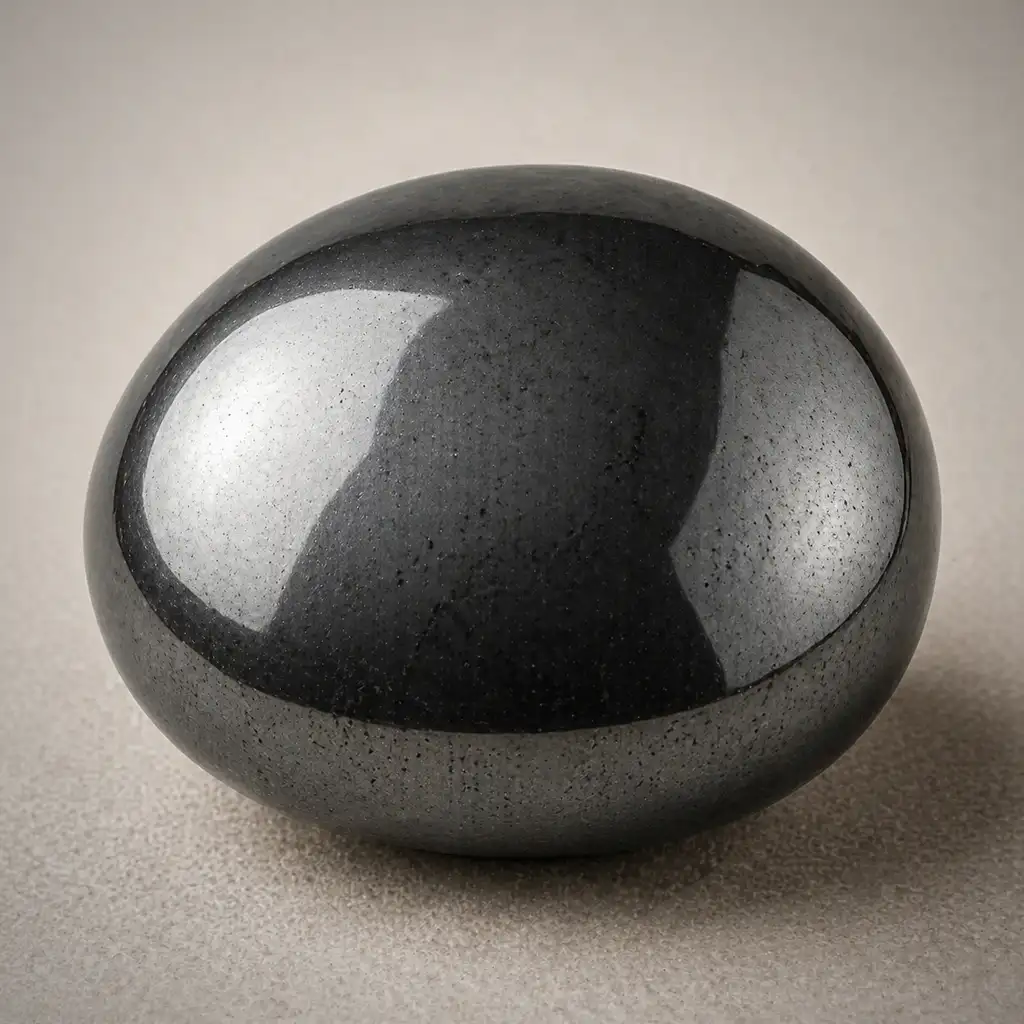
Genuine Apache Tears are naturally rounded but not perfectly spherical — they have slightly irregular, organic shapes. The surface is smooth and glassy with a vitreous luster. Tumbled glass imitations may be too uniformly shaped or show mold marks. Dyed stones lack the glassy luster and cold feel of volcanic glass.
2.Backlighting Translucency Test
Hold the stone up to a strong light source (flashlight or direct sunlight) and observe its translucency, especially at the thin edges.
Genuine Apache Tears show a characteristic smoky brown translucency at thin edges when backlit, transitioning from opaque black in the center to translucent brown at the margins. This is a distinctive property of these obsidian nodules. Glass imitations may appear too uniformly clear or too opaque, and painted stones will show their coating layer.
3.Hardness and Fracture Test
Attempt to scratch the stone with a steel knife (hardness ~5.5) on an inconspicuous area. Observe the type of fracture if the stone has any chips.
Apache Tear obsidian has a hardness of approximately 5-5.5, so a steel knife will not easily scratch it but may leave a faint mark with pressure. Any chips or breaks should show conchoidal (shell-like, curved) fracture, which is characteristic of volcanic glass. Plastic imitations will be much softer, and painted stones will reveal their underlying material.
4.Temperature and Weight Assessment
Hold the stone in your hand and assess its temperature and weight relative to its size.
Volcanic glass feels distinctly cold to the touch initially and takes time to warm up in your hand. It also has a noticeably dense, heavy feel for its size (specific gravity 2.35-2.60). Plastic imitations feel warm immediately and are notably lighter. Glass imitations feel cold but may have a different weight distribution.
Price Reference
Small
$3-8
Medium
$8-20
Large
$20-60+
Apache Tears are generally affordable due to their relative abundance in the American Southwest. Prices are highest for specimens from the Arizona locality near Superior, especially those still embedded in their perlite matrix. Tumbled and polished pieces are the most affordable. Larger specimens suitable for cabochon cutting command higher prices.
Is Apache Tear Safe? Care & Precautions
Toxicity Warning
Apache Tear obsidian is non-toxic for handling and normal use. It is composed primarily of silicon dioxide with trace elements. As with all forms of glass, sharp edges from chipped or broken pieces can cut skin. Obsidian can produce extremely sharp edges when fractured — handle broken pieces with care. Avoid creating or inhaling dust from cutting or breaking obsidian, as fine silica particles pose a respiratory hazard.
Storage
Store Apache Tears wrapped in a soft cloth or pouch, separate from harder minerals that could scratch them. Their relatively low hardness (5-5.5) means they can be scratched by quartz, topaz, and many other common stones. Natural, unpolished specimens are more durable than polished pieces for casual handling.
Special Warnings
- ⚠Obsidian produces extremely sharp edges when fractured — exercise caution with chipped or broken specimens
- ⚠Silica dust from cutting or breaking obsidian is a respiratory hazard — use proper protection and wet-cutting methods if lapidary work is needed
- ⚠Store separately from harder stones to prevent scratching
What is Apache Tear Best For?
Apache Tear FAQ — Common Questions Answered
What is the difference between Apache Tear and regular obsidian?+
Apache Tear is a specific variety of obsidian that forms as small, rounded nodules rather than large masses. Metaphysically, Apache Tears are considered gentler and more emotionally supportive than regular black obsidian. While both are protective, regular obsidian can bring deep shadow material to the surface rapidly and intensely, which can be overwhelming. Apache Tears offer the same protective quality with a softer, more compassionate energy that makes them particularly suited for grief work and emotional clearing. They also tend to be slightly translucent when backlit, unlike most black obsidian.
What is the Apache Tear legend?+
According to legend, in the 1870s a band of about 75 Apache warriors was cornered by the U.S. Cavalry atop a mountain near what is now Superior, Arizona. Rather than surrender and face imprisonment, the warriors chose to ride their horses off the cliff. When the Apache women and children found their fallen at the base, their tears fell to the ground and turned into small black stones — the Apache Tears found there to this day. The legend gives the stone its profound association with grief, loss, and the transformation of sorrow into something enduring. Historically accurate or not, the story has become inseparable from the crystal's identity.
Is Apache Tear good for grief?+
Apache Tear is widely considered the premier crystal for grief work. Crystal workers consistently recommend it as the gentlest and most effective stone for processing loss — whether from death, divorce, job loss, or any significant ending. Its energy absorbs sorrow and emotional pain while providing grounding and protection, but without the sharp intensity of regular obsidian. Holding an Apache Tear during crying or grief processing often helps the emotions flow more easily and completely, rather than getting stuck or suppressed. It's also a go-to for trauma recovery and support through difficult life transitions.
How can I tell if an Apache Tear is real?+
Genuine Apache Tears are rounded, pebble-shaped nodules of volcanic glass, usually between 1-5 centimeters in diameter. They are typically opaque black on the surface but show a smoky brown translucency when held up to a strong light source. They are smooth and glassy, with a conchoidal (shell-like) fracture pattern if broken. Glass imitations may be too perfectly round or show mold seams. Plastic fakes will be lighter in weight and softer. Genuine Apache Tears have a distinctive slightly irregular natural shape and feel dense for their size.
Can I cleanse Apache Tear in water?+
Brief rinsing under running water is generally safe for Apache Tears, as obsidian is not water-soluble. However, avoid prolonged soaking, salt water, or chemical solutions, as these can affect the surface polish over time. Smudging with sage or palo santo, sound cleansing with singing bowls, moonlight bathing, and earth burial are all excellent cleansing methods that are gentler and more in keeping with the stone's nature. Earth burial is particularly appropriate — bury the stone in soil overnight to ground and recharge it, echoing the stone's volcanic origins.
Was this helpful?