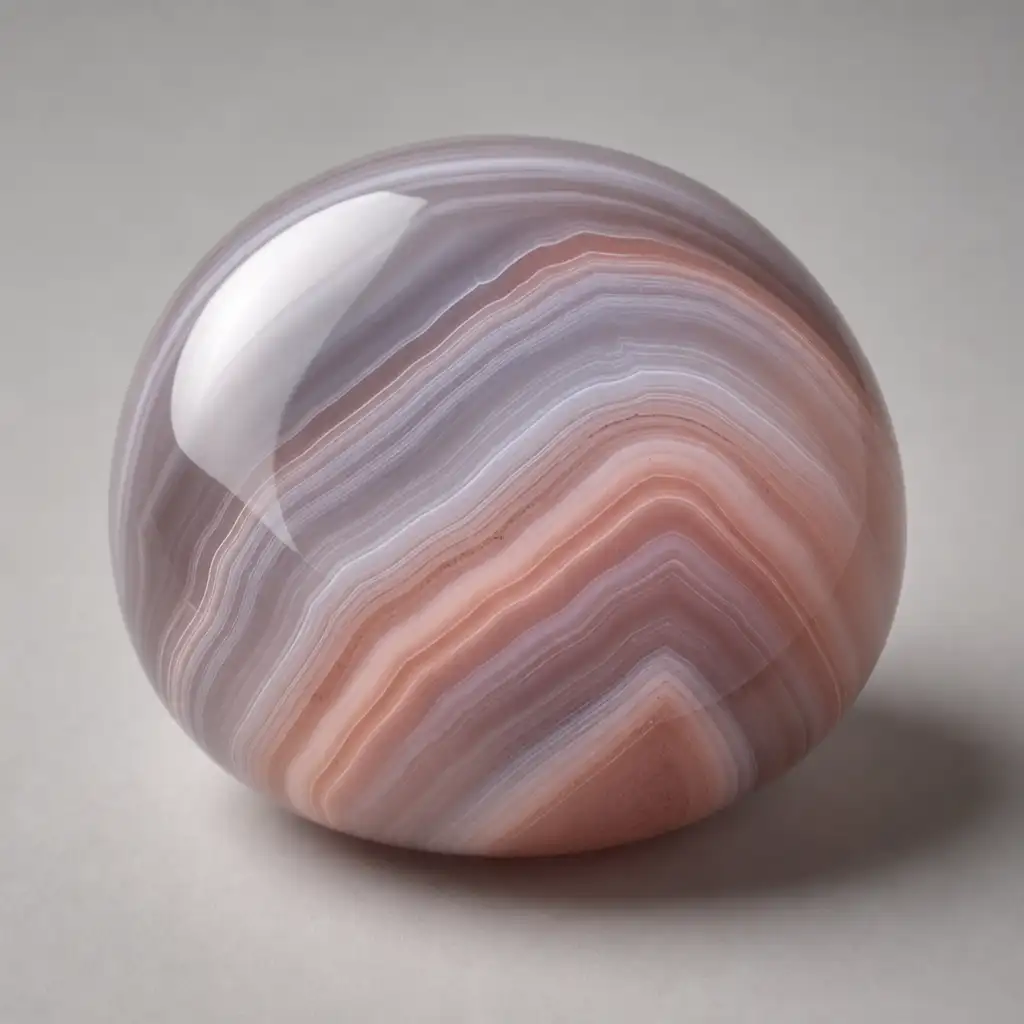
Botswana Agate at a Glance
Botswana Agate is the Stone of Comfort — a finely banded chalcedony from Africa that wraps the emotional body in warmth, supports addiction recovery, and provides gentle, steady protection.
Those grieving a loss, individuals in addiction recovery, creative artists needing patient focus, and anyone seeking emotional comfort and resilience
“I am held in comfort and strength. Each layer of my experience contributes to my wholeness.”
Cleanse with moonlight, smudging, or gentle running water; durable stone with no special sensitivity concerns
Botswana Agate Quick Answers
What is Botswana Agate good for?
Emotional comfort, first and foremost. Botswana Agate helps people process grief, navigate loss, and build the kind of resilience that comes from feeling genuinely supported. It has a strong reputation in addiction recovery circles — the steady, grounding energy it carries helps people hold their resolve when cravings hit. It also supports creative work that demands patience and close attention, and it offers a gentle layer of protection against negativity without shutting you down energetically.
How can you tell real Botswana Agate from imitations?
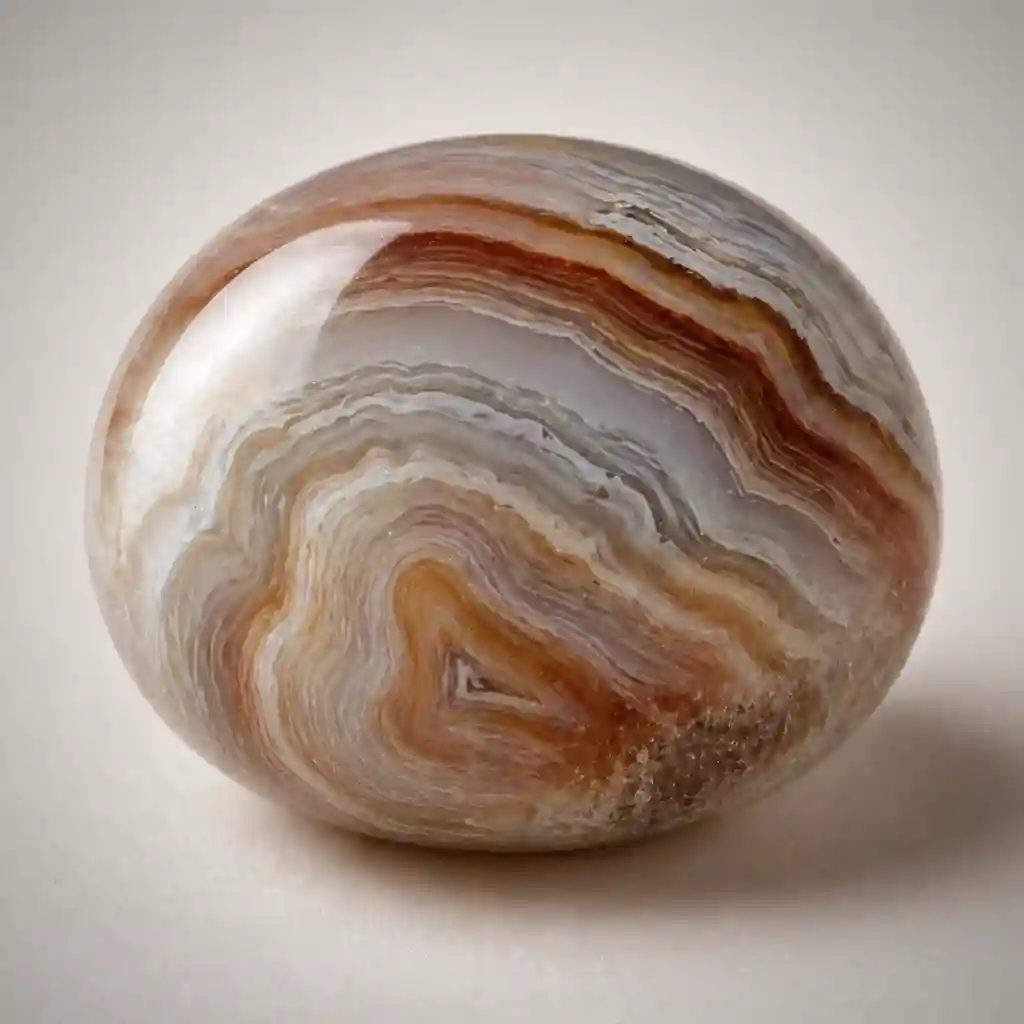
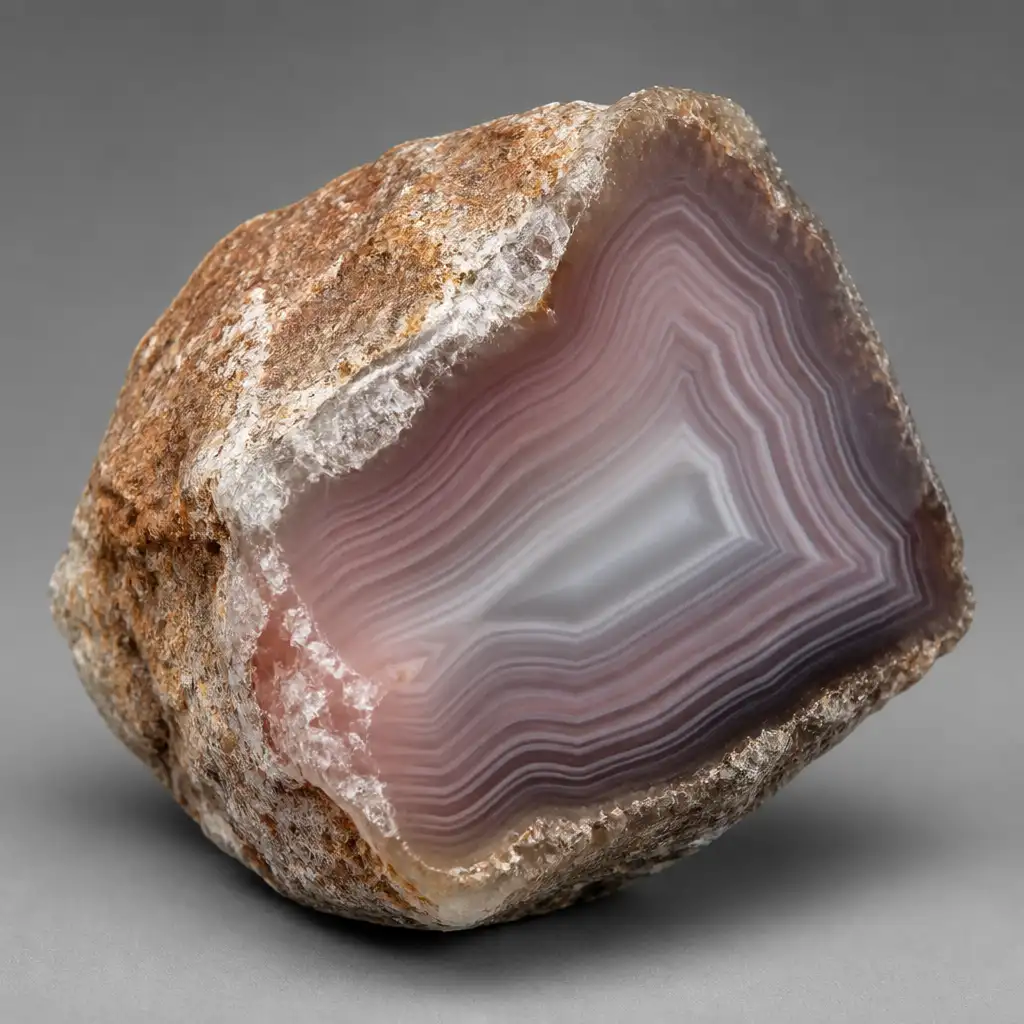
Genuine Botswana Agate displays extremely fine, parallel banding in natural pink, grey, and brown tones. The bands are typically tighter and more uniform than in other agates. Dyed imitations often show unnaturally vivid colors with dye concentrated in surface cracks. Under magnification, natural Botswana Agate shows clean, sharp banding with gradual color transitions. The stone has a hardness of 6.5-7, so it should scratch glass easily. If a specimen feels suspiciously light or warm to the touch, it may be resin or plastic.
What is the Meaning & History of Botswana Agate?
Core Meaning
The Stone of Comfort — Botswana Agate sits where comfort meets quiet strength. Nothing about its energy is dramatic or flashy — you will not get sudden breakthroughs or intense experiences from it. What you get is a steady, warm presence that supports gradual, sustainable healing. Working mainly through the Root Chakra, it builds a sense of safety and belonging that lets the emotional body relax enough to actually process difficult feelings. The banding itself has become a kind of teaching tool. Each layer is a snapshot — a feeling, a moment, a chapter — and the stone makes the case that every single one, painful or joyful, belongs in the finished picture. Holding all parts of yourself with that kind of evenhanded compassion is the real gift here. If you are working through addiction, grief, or trauma, Botswana Agate offers something like the energetic version of a close friend who just sits with you — no demands, no judgment, simply present. That quality of unconditional presence has made it one of the most trusted comfort stones around.
Historical & Cultural Significance
Botswana Agate has been mined in Botswana for decades, with the material gaining international recognition in the lapidary and crystal communities during the late twentieth century. The stone occurs in the flood basalts of eastern Botswana, where silica-rich hydrothermal fluids filled gas cavities in the volcanic rock over millions of years, depositing the characteristic fine bands of chalcedony. The local deposits have been worked both for the ornamental stone trade and for the metaphysical market. In African mineral traditions, banded agates have long been valued as stones of protection and community. The bands are seen as representing the interconnected layers of family, ancestry, and shared history that bind a community together. While specific historical records of Botswana Agate use in indigenous practice are limited, the broader tradition of agate use across Africa stretches back thousands of years, with agate beads and amulets found at archaeological sites throughout the continent.
Symbolism
- ✦Comfort: warm, enveloping emotional support during vulnerability and grief
- ✦Layered wholeness: the fine bands represent life's accumulated experiences, all essential to the complete self
- ✦Quiet strength: resilience that does not need to announce itself
- ✦Gentle protection: a soft energetic boundary that filters negativity without creating isolation
- ✦Creative patience: support for artistic work that requires sustained attention and careful detail
- ✦Addiction recovery: steady grounding energy that stabilizes emotional volatility during behavior change
Folklore & Legends
Botswana Agate sometimes goes by the name "Sunset Stone" because those pink, grey, and brown bands mirror the layered colors of an African sky at dusk. Some crystal workers connect it to Oshun, the African goddess of love, sweetness, and water's protective grace. A bit of modern folklore says that carrying this stone helps you "find the grey area" — meaning it supports your ability to hold nuance, complexity, and even contradictory truths at the same time. That quality is hard to come by when emotions are running hot.
Geological Profile
Formation Process
Botswana Agate is a banded variety of chalcedony (microcrystalline quartz, SiO2) that formed within gas cavities and vesicles in the flood basalts of eastern Botswana. During volcanic eruptions millions of years ago, gas bubbles became trapped in the cooling lava, creating hollow cavities within the solidified basalt. Over geological time, silica-rich hydrothermal fluids permeated these cavities, depositing layer upon layer of microscopic quartz crystals in rhythmic bands. The characteristic pink, grey, and brown colors result from varying concentrations of iron and manganese oxides incorporated into each successive layer. The exceptionally fine banding of Botswana Agate indicates very stable, slow deposition conditions with minimal disturbance during the crystallization process.
Varieties
Pink Botswana Agate
The most sought-after variety, displaying predominant salmon-pink to rose banding with grey and brown layers. The pink coloration comes from trace amounts of iron oxide in specific oxidation states.
Grey Botswana Agate
Features predominantly grey and white banding with occasional brown layers. More subtle in coloration but prized by collectors for its elegant monochromatic banding patterns.
Brown Botswana Agate
Shows warm brown and tan banding with grey and cream layers. The brown tones come from higher concentrations of iron and manganese oxides.
Notable Origins
Botswana (eastern flood basalt deposits)
The exclusive source of true Botswana Agate. The material occurs as nodules and geode-like structures within the basalt flows. Botswana Agate is known for its exceptionally fine, parallel banding and distinctive pink-grey-brown color palette that is not duplicated in agates from other locations.
Mineral data verified via Mindat.org
Physical Properties
| Hardness | 6.5 on the Mohs scale |
| Chemical Formula | SiO₂ |
| Crystal System | Hexagonal (Trigonal) |
| Primary Color | Pink/Grey/Brown (fine banding) |
| Origin | Botswana |
| Transparency | Translucent to semi-translucent |
| Luster | Vitreous to waxy |
| Specific Gravity | 2.58-2.64 |
What Are the Healing Properties of Botswana Agate?
Emotional & Mental Well-being
Among comfort stones, Botswana Agate stands out for how gently it works.
- ◆It soothes emotional wounds without forcing you to relive the original pain.
- ◆The energy builds a sense of emotional safety, and from that safe place, suppressed feelings can surface and be processed at a pace you can actually handle.
- ◆That quality makes it especially useful for grief, where the sheer weight of loss can make more intense crystal energies feel like too much, too fast.
- ◆Addiction recovery is where this stone really shines.
- ◆The Root Chakra connection seems to steady the body's physical cravings, while the Sacral influence touches the emotional hollow that so often drives addictive behavior in the first place.
- ◆People in recovery often carry it as a grounding tool — something to grip during cravings, a physical anchor to the commitment they have made.
- ◆It will not erase the urge, but it takes the edge off and makes the moment manageable.
- ◆Day to day, Botswana Agate smooths out mood swings, takes the edge off irritability, and fosters a quiet sense that things are going to be okay.
Spiritual Properties
This is not a stone that rockets you into transcendent states.
- ◆Botswana Agate works through grounded contemplation — deepening your connection to the present moment and the physical world, which more than a few spiritual traditions consider the real foundation for growth.
- ◆A strong Root Chakra base creates the stability you need before going further.
- ◆Shamans sometimes use it for lower-world journeying because that earthy, grounded quality makes navigating subterranean spiritual territory feel safer.
- ◆The layered structure has also made it a favorite for ancestral work, with the bands representing generational memory and inherited wisdom.
- ◆Meditate with it and you will likely notice a sensation of deep calm and rootedness, as though you have sprouted roots into the earth beneath you.
Physical Healing Traditions
Traditional crystal healing links Botswana Agate to the circulatory system, skin health, and the body's natural detox pathways.
- ◆It gets placed on the lower abdomen for digestive support and menstrual relief.
- ◆Healers also reach for it during withdrawal from addictive substances — the calming effect on nervous-system jitters and restless anxiety is well noted in these traditions.
- ◆Smokers trying to quit sometimes carry it as a pocket stone or rest it near the chest.
- ◆These uses come from folk practice and metaphysical tradition; they complement but do not replace professional medical care or evidence-based addiction treatment.
Note: These properties are based on metaphysical traditions and are not a substitute for medical advice.
What Science Says
Mineralogically, Botswana Agate is a banded chalcedony (microcrystalline SiO2) whose fine banding comes from rhythmic silica precipitation in volcanic cavities, colored by iron and manganese oxides.
- ◆What makes Botswana's material special is the slow, stable deposition environment in those flood basalts — the banding is finer than agates from almost anywhere else.
- ◆On the metaphysical side, there is no peer-reviewed research supporting the crystal properties described here.
- ◆What is well-documented in behavioral psychology, though, is the psychological benefit of carrying a physical token of commitment during behavior change.
- ◆Studies on mindfulness and tactile grounding techniques also show measurable reductions in stress and anxiety.
Which Chakras Does Botswana Agate Connect To?
Which Zodiac Signs Match Botswana Agate?
How Do You Use Botswana Agate?
Meditation
Hold a tumbled Botswana Agate in your receiving hand (typically the left) during seated meditation. Close your eyes and breathe deeply, visualizing the stone's warm pink and brown bands extending outward to wrap your body in a cocoon of comfort. For grief processing, place the stone over your heart and allow whatever feelings arise to move through you without resistance. For grounding meditations, place Botswana Agate at the base of your spine or hold it in both hands while visualizing roots growing from your body deep into the earth.
Daily Wear
Wear Botswana Agate as a pendant or bracelet to keep its comforting energy close throughout the day. For those in addiction recovery, wearing it as a bracelet or carrying it as a pocket stone provides a discreet tactile anchor — reach for the stone instead of the substance during cravings. The stone's hardness (6.5-7) makes it durable enough for everyday wear in protective settings. Its understated color palette makes it suitable for both casual and professional environments.
Home Placement
Place Botswana Agate in the bedroom to promote peaceful sleep and calm the emotional body at night. In the living room, a polished specimen on a side table creates a warm, inviting energy that supports family harmony and emotional openness. For a meditation space, place Botswana Agate near the base of your cushion or mat to establish a grounding foundation for your practice. Keep it away from prolonged direct sunlight, which can fade some of the lighter banding colors over time.
Crystal Grids
Use Botswana Agate as a grounding anchor stone in emotional healing grids. Surround it with Rose Quartz for self-love, Moonstone for emotional balance, and Rhodonite for compassionate forgiveness. For addiction recovery grids, combine Botswana Agate with Amethyst for clarity and Black Tourmaline for protection. Place the grid where you can see it daily as a visual reminder of your healing intentions.
How Do You Cleanse & Charge Botswana Agate?
Moonlight Bathing
RecommendedSmudging
RecommendedRunning Water
RecommendedSound Healing
Use CautionMoon Phase Charging: Botswana Agate responds well to moonlight charging, particularly during the full moon. Place it outside or on a windowsill in direct moonlight overnight. For emotional release work, use the waning moon phase to symbolically release what no longer serves you. The new moon is ideal for setting new intentions around emotional healing or habit change. Smudging with sage or palo santo and brief rinsing under cool running water are also effective cleansing methods.
Avoid the following:
- ✗Prolonged salt water soaking — can dull the polish over time
- ✗Harsh chemical cleaners — ammonia and bleach can affect the surface
- ✗Ultrasonic cleaners — generally unnecessary and may damage specimens with internal fractures
What Crystals Pair Well with Botswana Agate?
Best Combinations
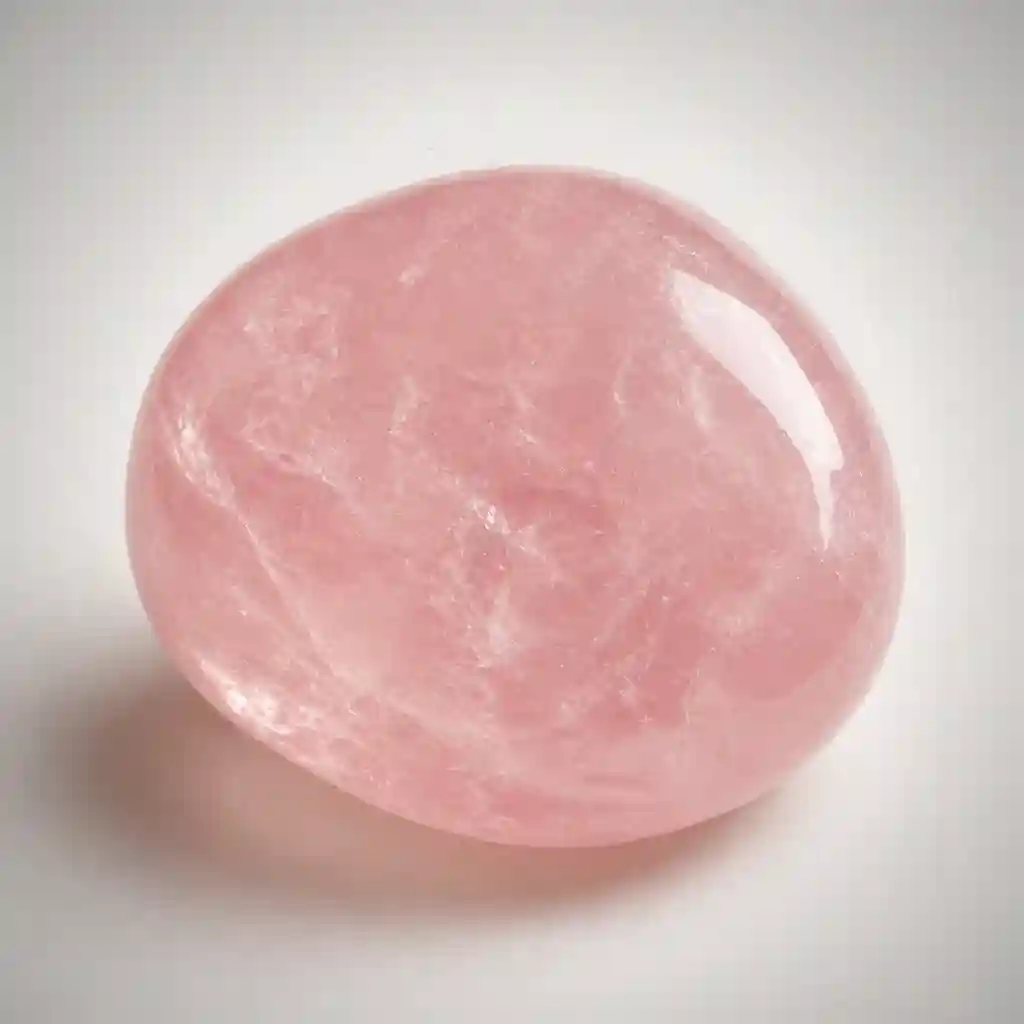
Rose Quartz
Rose Quartz amplifies Botswana Agate's nurturing quality, creating a powerful emotional healing combination that provides both comfort and unconditional self-love
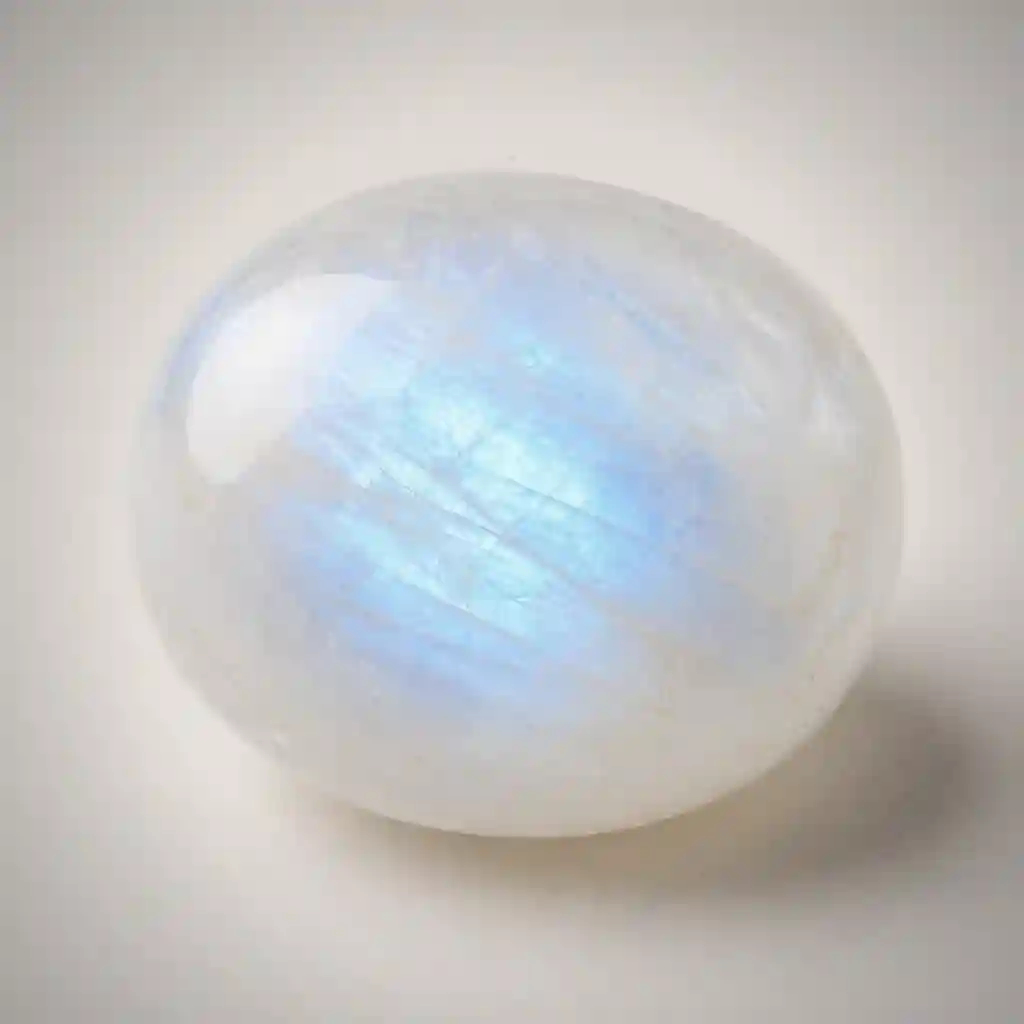
Moonstone
Moonstone's intuitive, feminine energy complements Botswana Agate's grounding comfort, making this an excellent pairing for emotional processing and navigating transitions
Amethyst
Amethyst adds clarity and spiritual awareness to Botswana Agate's emotional support, helping the user understand the deeper patterns behind their feelings while remaining comforted and grounded
If You Like Botswana Agate, Also Try
How Can You Tell if Botswana Agate is Real or Fake?
Common Imitations
Identification Tests
1.Banding Pattern Analysis
Examine the stone under strong light, looking at the banding pattern with a 10x loupe or magnifying glass.
Genuine Botswana Agate shows extremely fine, parallel, rhythmic banding in natural pink, grey, and brown tones. The bands are consistent, sharp, and run throughout the stone — not just on the surface. Dyed agates show unnaturally vivid colors with dye concentrated in surface cracks and micro-fractures.
2.Hardness Test
Attempt to scratch a piece of glass with the stone and try to scratch the stone with a steel nail.
Genuine Botswana Agate (Mohs 6.5-7) will easily scratch glass and will resist scratching by a steel nail. Plastic or resin imitations will not scratch glass and are easily marked. This test is partially destructive — use on an inconspicuous area.
3.Temperature Test
Hold the stone in your closed palm for 30 seconds and note how quickly it warms.
Natural agate feels distinctly cold initially and takes time to warm due to quartz's thermal conductivity. Plastic and resin imitations warm up almost immediately. This is a simple but useful screening test.
Price Reference
Small
$5-15
Medium
$15-40
Large
$35-100
Botswana Agate is moderately priced due to its limited geographic source. Tumbled stones and small cabochons are quite affordable. Larger polished specimens with particularly fine pink banding command higher prices. The rarest and most valuable pieces show exceptionally tight, uniform pink banding with minimal matrix.
Is Botswana Agate Safe? Care & Precautions
Toxicity Warning
Botswana Agate is a variety of quartz (chalcedony) and is chemically inert and non-toxic. It is safe for direct skin contact, use in elixirs (indirect method recommended), and display around children and pets.
Storage
Botswana Agate is a durable stone (6.5-7 Mohs) with no special storage requirements. Store away from harder minerals (topaz, corundum, diamond) that could scratch it. A soft pouch or lined box is sufficient. No sensitivity to light, heat, or humidity under normal conditions.
Special Warnings
- ⚠As with all minerals, do not crush or inhale stone dust
- ⚠While the stone itself is non-toxic, some dyed imitations may contain chemical dyes — wash hands after handling suspected dyed material
What is Botswana Agate Best For?
Botswana Agate FAQ — Common Questions Answered
What is Botswana Agate good for?+
Emotional comfort, first and foremost. Botswana Agate helps people process grief, navigate loss, and build the kind of resilience that comes from feeling genuinely supported. It has a strong reputation in addiction recovery circles — the steady, grounding energy it carries helps people hold their resolve when cravings hit. It also supports creative work that demands patience and close attention, and it offers a gentle layer of protection against negativity without shutting you down energetically.
How can you tell real Botswana Agate from imitations?+
Genuine Botswana Agate displays extremely fine, parallel banding in natural pink, grey, and brown tones. The bands are typically tighter and more uniform than in other agates. Dyed imitations often show unnaturally vivid colors with dye concentrated in surface cracks. Under magnification, natural Botswana Agate shows clean, sharp banding with gradual color transitions. The stone has a hardness of 6.5-7, so it should scratch glass easily. If a specimen feels suspiciously light or warm to the touch, it may be resin or plastic.
Why is Botswana Agate only found in Botswana?+
Botswana Agate formed within the flood basalts of Botswana through a specific geological process involving silica-rich fluids filling cavities in volcanic rock. The unique conditions in this region — including the particular mineral composition of the basalts, the temperature gradients during formation, and the specific trace elements present — produced the characteristic fine banding and pink-grey-brown color palette. While similar banded agates exist elsewhere, the distinctive tight banding and pastel coloration of true Botswana Agate is geologically specific to this region.
Can Botswana Agate help with quitting smoking or other addictions?+
It is one of the go-to stones for addiction recovery in crystal work. The grounding energy seems to help stabilize mood swings and take the edge off the emotional volatility that comes with withdrawal. A common technique is holding the stone when a craving hits — it works as a tactile anchor, something physical to reach for instead of the substance. No crystal replaces professional treatment or medical support, but a lot of people in recovery say the simple ritual of gripping a comforting stone gives them a real psychological anchor when things get rough.
Is Botswana Agate safe in water?+
Yes, Botswana Agate is a variety of quartz (chalcedony) with a hardness of 6.5-7 and is not water-soluble. Brief rinsing under cool running water is a perfectly safe cleansing method. Avoid prolonged soaking in salt water, which can dull the polish over time. Always dry the stone after cleansing to maintain its luster.
Was this helpful?