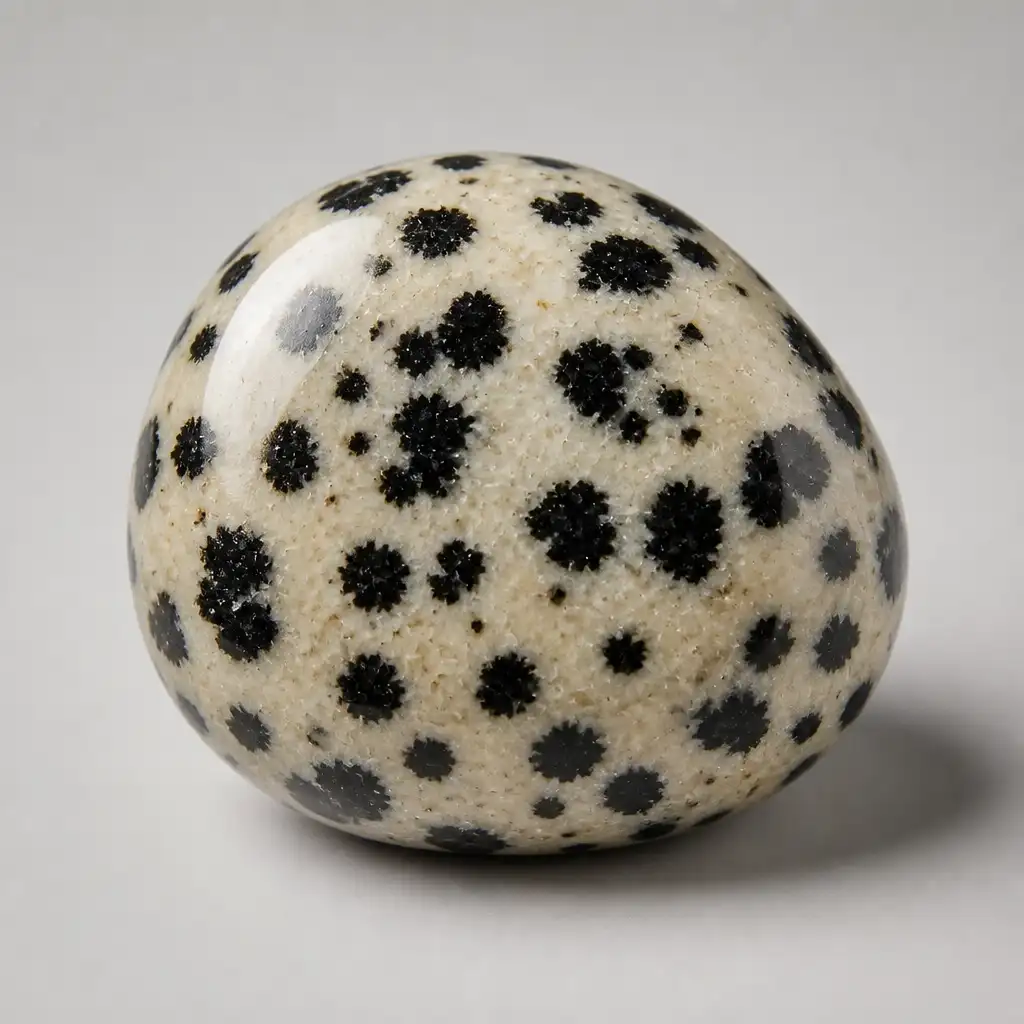
Dalmatian Jasper at a Glance
Dalmatian Jasper is the stone of joyful playfulness — a spotted crystal that reconnects you with your inner child, encourages lighthearted optimism, and reminds you that life is meant to be enjoyed.
Anyone feeling overly serious or stressed, creative individuals seeking to unlock playful expression, those healing their inner child, and people who want to bring more laughter and lightness into their daily life
“I embrace the joy and wonder of life, and I give myself permission to play, create, and be happily present.”
Charge under moonlight; cleanse with sage or selenite; avoid prolonged water exposure and harsh chemicals
Dalmatian Jasper Quick Answers
What is Dalmatian Jasper good for?
Dalmatian Jasper is a standout for promoting joy, playfulness, and a positive outlook on life. It helps reconnect you with your inner child, encourages creativity and spontaneity, provides gentle grounding and protection, and supports confidence and courage. People who feel overly serious, stressed, or disconnected from the simple pleasures of life tend to gravitate toward it.
Is Dalmatian Jasper actually a jasper?
Technically, no — despite its common name, it is not a true jasper. It is actually a variety of peralite, an igneous rock composed primarily of microcrystalline quartz and feldspar with inclusions of tourmaline (arfvedsonite) and aragonite that create those characteristic black spots. In the crystal and lapidary trade, though, it continues to be widely marketed and sold as "Dalmatian Jasper," and the name has become the accepted commercial designation.
What is the Meaning & History of Dalmatian Jasper?
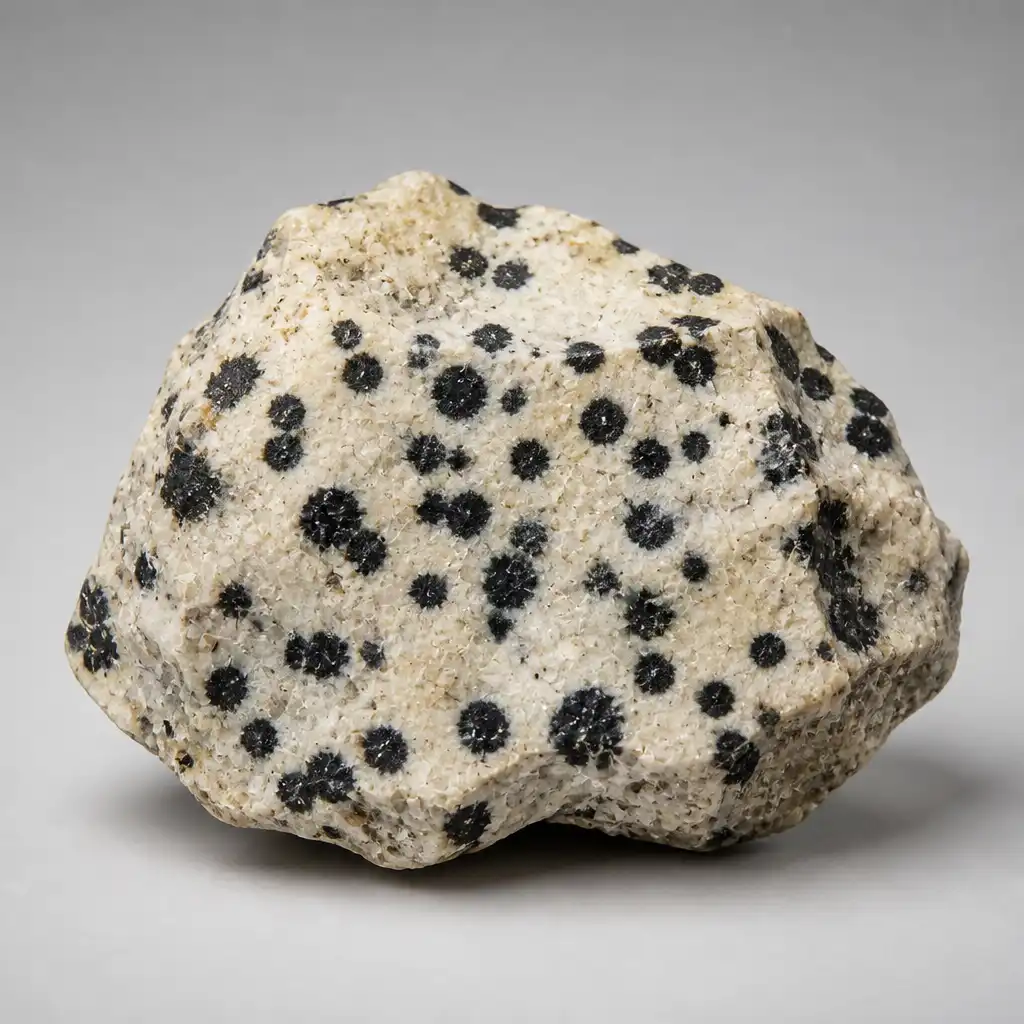
Core Meaning
The Stone of Joyful Playfulness — Dalmatian Jasper carries a deceptively profound energy beneath its cheerful, spotted exterior. At its heart, this stone teaches that joy is not frivolous but essential — that playfulness, humor, and the ability to find delight in simple things are signs of spiritual health and emotional resilience, not immaturity. The stone's energy works at three levels simultaneously: the light-colored base connects with the Root Chakra to provide gentle, steady grounding; the dark spots carry protective energy that shields without creating barriers; and the overall spotted pattern symbolizes the integration of yin and yang, seriousness and play, responsibility and freedom. Dalmatian Jasper invites a return to wholeness by reintegrating the joyful, spontaneous parts of the self that many adults have suppressed or abandoned. It does not ask you to drop your responsibilities — just to approach them with a lighter heart and a more playful spirit.
Historical & Cultural Significance
Dalmatian Jasper does not have the ancient historical pedigree of stones like Lapis Lazuli or Amethyst. It entered the commercial gemstone and lapidary market primarily in the 20th century, when deposits in Mexico and India were mined for ornamental and decorative purposes. The stone quickly gained popularity for its distinctive appearance and was named after the Dalmatian dog breed for obvious reasons. While it lacks the deep mythological associations of more anciently-used stones, Dalmatian Jasper has developed a rich body of metaphysical lore within the modern crystal healing community. Its association with playfulness, loyalty, and the inner child reflects contemporary spiritual values that honor emotional authenticity, self-compassion, and the healing power of joy.
Symbolism
- ✦Playfulness and joy — the spotted pattern evokes childhood delight and carefree happiness
- ✦Yin-yang balance — the interplay of light and dark spots represents the harmony of opposites
- ✦Loyalty and companionship — the Dalmatian dog association links it to faithfulness and unconditional love
- ✦Inner child healing — encourages reconnection with the innocent, creative, trusting aspects of the self
- ✦Protection through joy — teaches that a joyful heart is one of the most powerful forms of protection against negativity
- ✦Good fortune — traditionally considered a luck-bringing stone, especially for travelers
Folklore & Legends
In modern crystal folklore, Dalmatian Jasper is sometimes called "the Stone of the Happy Warrior" — a stone that provides protection and courage without heaviness or aggression. Some practitioners link it to the archetype of the Fool in the Tarot, representing the willingness to approach life with beginner's mind, take risks, and trust that the universe will provide. Crystal workers who specialize in animal communication sometimes use it as a linking stone to connect with the spirit of beloved pets, particularly dogs, due to the visual association. In some traditions, Dalmatian Jasper is placed in nurseries or children's rooms to promote a happy, protected atmosphere, though small specimens should always be kept out of reach of very young children due to choking hazards.
Geological Profile
Formation Process
Dalmatian Jasper is an igneous rock that forms through the cooling and solidification of silica-rich magma. The light-colored base matrix consists primarily of microcrystalline quartz (chalcedony) and feldspar, which crystallized from the magma as it cooled slowly underground. The distinctive black spots are composed of tourmaline minerals (predominantly arfvedsonite, a sodium-rich amphibole) and aragonite that formed as separate mineral phases within the cooling magma. The difference in crystallization temperatures and chemical compositions between the matrix minerals and the inclusion minerals is what creates the sharp visual contrast between the pale background and the dark spots. The size and distribution of the spots depend on the specific cooling rate and chemical composition of the original magma body.
Varieties
Standard Dalmatian Jasper
The most common variety, featuring a cream to pale beige base with well-distributed black spots of varying sizes. This is the type most widely available in the commercial market.
Fine-Spot Dalmatian Jasper
Characterized by very small, densely distributed black dots that create a speckled appearance. Less common than the standard variety and sometimes preferred for more subtle jewelry designs.
Brown-Spot Dalmatian Jasper
Features dark brown to reddish-brown spots rather than black ones, caused by variations in the tourmaline and iron oxide mineral content. Warm and earthy in appearance.
Notable Origins
Mexico (Chihuahua)
Mexican Dalmatian Jasper is among the most commercially significant, known for good contrast between the pale base and dark spots. Specimens from Chihuahua often have well-defined, medium-sized spots with even distribution.
India (Rajasthan, Gujarat)
India produces large quantities of Dalmatian Jasper used extensively in lapidary work, carved objects, and tumbled stones. Indian material tends to have a slightly warmer-toned base color with spots ranging from dark brown to black.
Pakistan
Pakistani deposits produce Dalmatian Jasper with distinctive spot patterns and a slightly cooler-toned base. This material is often used for carvings and decorative objects.
China
Chinese Dalmatian Jasper is commercially available in large quantities and is frequently used for mass-produced tumbled stones, beads, and carved figures. Quality varies, with premium specimens showing sharp contrast and appealing patterns.
Mineral data verified via Mindat.org
Physical Properties
| Hardness | 6.5 on the Mohs scale |
| Chemical Formula | SiO₂ (with tourmaline/aragonite spots) |
| Crystal System | Hexagonal (Trigonal) |
| Primary Color | White/Black (spotted) |
| Origin | Mexico, India, Pakistan, China |
| Transparency | Opaque |
| Luster | Vitreous to waxy |
| Specific Gravity | 2.60-2.85 |
What Are the Healing Properties of Dalmatian Jasper?
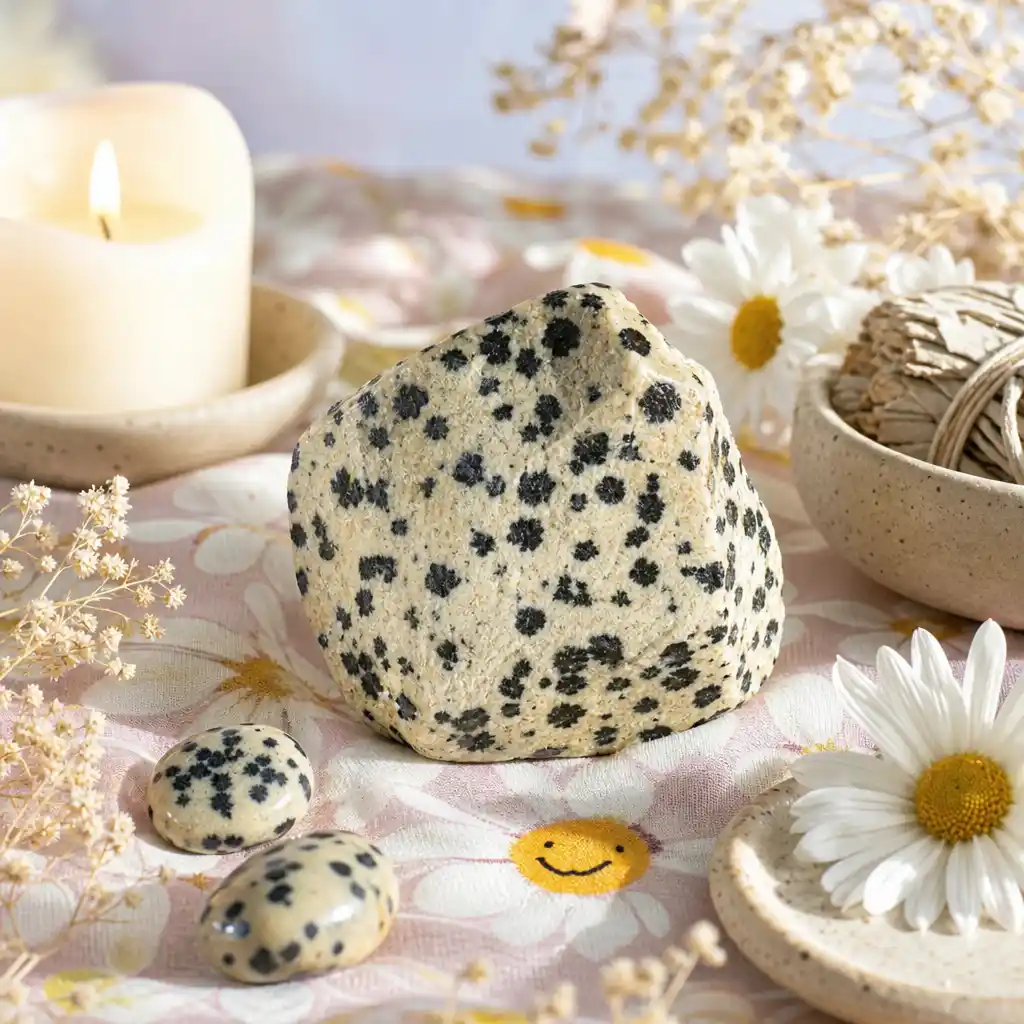
Emotional & Mental Well-being
Dalmatian Jasper is one of the most effective crystals for emotional upliftment and inner child healing.
- ◆Its energy feels simultaneously grounding and joyful — it helps you feel safe, supported, and connected to the Earth while encouraging you to let go of excessive seriousness and rediscover the pleasure of simply being alive.
- ◆People dealing with depression, burnout, or the emotional heaviness that accompanies long periods of stress and responsibility often find relief here.
- ◆The stone's spotted appearance serves as a visual reminder that life is meant to include both light and dark, joy and challenge, and that embracing this duality builds genuine emotional resilience.
- ◆Dalmatian Jasper also excels at dispelling negative thinking patterns, cutting through overthinking, and encouraging a more present, spontaneous, and optimistic approach to daily life.
Spiritual Properties
For spiritual practice, Dalmatian Jasper acts as a gentle guide for those who have become disconnected from their authentic, joyful spiritual nature.
- ◆It teaches that spirituality does not have to be solemn, ascetic, or heavy — that genuine spiritual growth includes laughter, play, and the celebration of life's simple pleasures.
- ◆The stone's grounding Root Chakra connection provides a stable foundation for spiritual exploration, while its influence on the Sacral Chakra opens the flow of creative, life-force energy.
- ◆Many practitioners use it during meditation to reconnect with childhood spiritual experiences — moments of wonder, awe, and a felt connection to something greater — that may have been forgotten or dismissed.
- ◆Its yin-yang quality also makes it valuable for balancing masculine and feminine energies within your practice.
Physical Healing Traditions
In crystal healing traditions, Dalmatian Jasper is linked to supporting the physical body's vitality and energy levels.
- ◆It comes up in recommendations for those recovering from illness or fatigue, as its uplifting energy is thought to help restore the will to engage fully with life.
- ◆The stone is also associated with the musculoskeletal system, particularly the lower body, and some crystal healers place it on areas experiencing tension or discomfort.
- ◆The tourmaline inclusions are sometimes tied to supporting the body's natural detoxification processes.
- ◆These traditional uses belong to folk healing and metaphysical practice and are not a substitute for professional medical care.
Note: These properties are based on metaphysical traditions and are not a substitute for medical advice.
What Science Says
From a mineralogical standpoint, Dalmatian Jasper is a well-characterized igneous rock whose composition and formation are understood through standard petrographic analysis.
- ◆The dark spots have been identified as tourmaline-group minerals (primarily arfvedsonite) and aragonite through X-ray diffraction and electron microprobe studies.
- ◆Despite its common name, it is technically classified as peralite rather than jasper, which is a term reserved for granular microcrystalline quartz.
- ◆Research on positive psychology has demonstrated that playfulness, humor, and positive emotions are genuinely beneficial for mental health, stress reduction, and overall well-being — concepts that align closely with Dalmatian Jasper's traditional associations.
- ◆The specific metaphysical properties have not been tested in peer-reviewed clinical studies.
Which Chakras Does Dalmatian Jasper Connect To?
Which Zodiac Signs Match Dalmatian Jasper?
How Do You Use Dalmatian Jasper?
Meditation
Hold Dalmatian Jasper in your dominant hand during meditation and set the intention to reconnect with your most joyful, authentic self. Picture yourself as a child, free from worry and full of wonder, and allow that energy to fill your present-moment awareness. For a more playful approach, try rolling the tumbled stone between your palms while meditating, using the tactile sensation as a grounding anchor. Morning meditations pair especially well with this stone, setting a positive, lighthearted tone for the day ahead.
Daily Wear
A bracelet or pendant carries Dalmatian Jasper's cheerful, protective energy with you throughout the day. Its distinctive spotted appearance makes it a conversation starter, and simply glancing at it can serve as a gentle nudge to lighten up and find joy in the present moment. A small piece in your pocket gives you a discreet source of grounding and optimism during challenging moments — perfect for high-stress work environments.
Home Placement
Place Dalmatian Jasper in shared family spaces — the living room, playroom, or kitchen — to promote a lighthearted, joyful atmosphere and strengthen family bonds. In a creative workspace or studio, it helps maintain a playful, experimental approach to projects. A piece on the bedroom nightstand can encourage pleasant dreams and a cheerful start to the morning. Thanks to its cheerful appearance, the stone is a natural fit for any space where people gather to relax and enjoy each other's company.
Crystal Grids
Dalmatian Jasper works well in the outer ring of a joy and positivity grid, paired with Citrine (abundance and optimism) and Sunstone (vitality and happiness) for a synergistic boost of cheerful energy. For an inner child healing grid, place it at the center with Rose Quartz (self-love) and Moonstone (emotional healing) surrounding it. A creativity grid combining Dalmatian Jasper with Carnelian (creative fire) and Orange Calcite (joyful expression) in a triangular pattern can really get the juices flowing.
How Do You Cleanse & Charge Dalmatian Jasper?
Moonlight Bathing
RecommendedSmudging
RecommendedSelenite Charging
RecommendedSound Healing
Use CautionMoon Phase Charging: Dalmatian Jasper responds well to moonlight charging, particularly during the waxing and full moon phases when building and celebratory energies are strongest. Place the stone in moonlight overnight to cleanse and recharge its cheerful vibration. For intention-setting work related to joy and playfulness, charge Dalmatian Jasper during the waxing moon while holding a clear intention to bring more laughter, creativity, and lightheartedness into your life. The stone also benefits from "joy charging" — placing it near something that makes you genuinely happy, such as a beloved photograph, a favorite piece of music, or in a room where laughter frequently occurs.
Avoid the following:
- ✗Prolonged water soaking — while not water-soluble, extended immersion can potentially affect the stone over time
- ✗Salt — can scratch the surface if rubbed against the stone
- ✗Harsh chemical cleaners — may affect the stone's surface polish
- ✗Abrasive cleaning methods — can dull the surface finish
- ✗High heat — can potentially cause cracking or color changes in some specimens
What Crystals Pair Well with Dalmatian Jasper?
Best Combinations
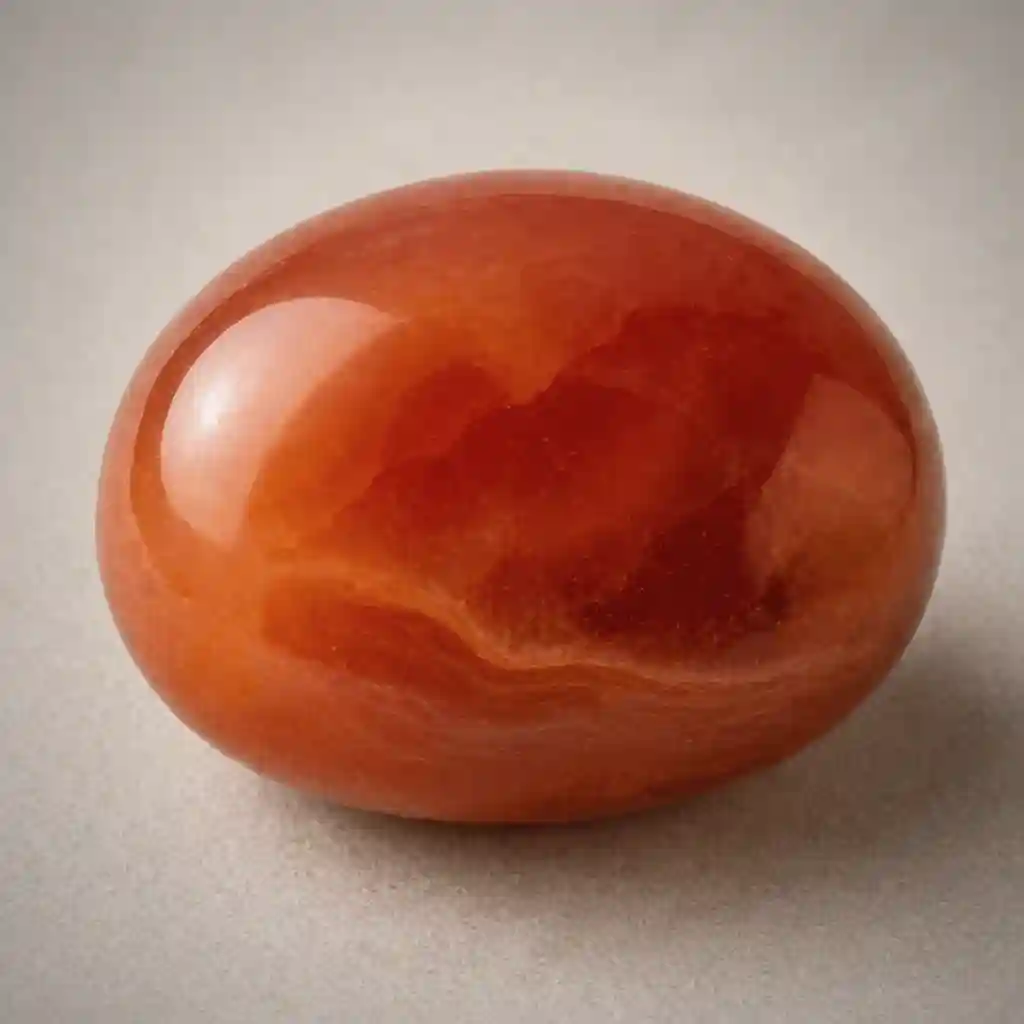
Carnelian
Carnelian's warm, vital fire energy amplifies Dalmatian Jasper's playful creativity, making this an outstanding combination for artists, performers, and anyone wanting to inject more spontaneity and passion into their self-expression
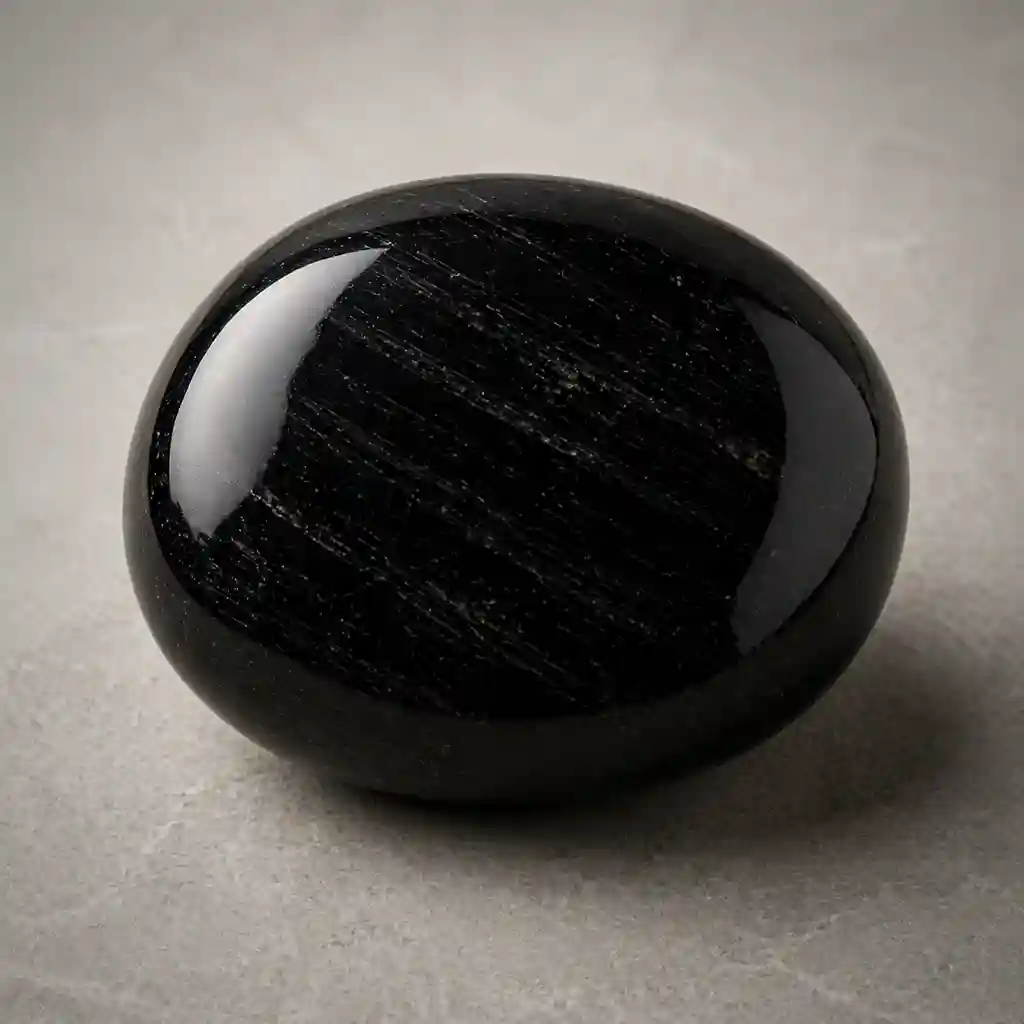
Black Tourmaline
Black Tourmaline enhances Dalmatian Jasper's protective qualities while providing deeper grounding — together they create a joyful yet secure energy field that allows playfulness without vulnerability
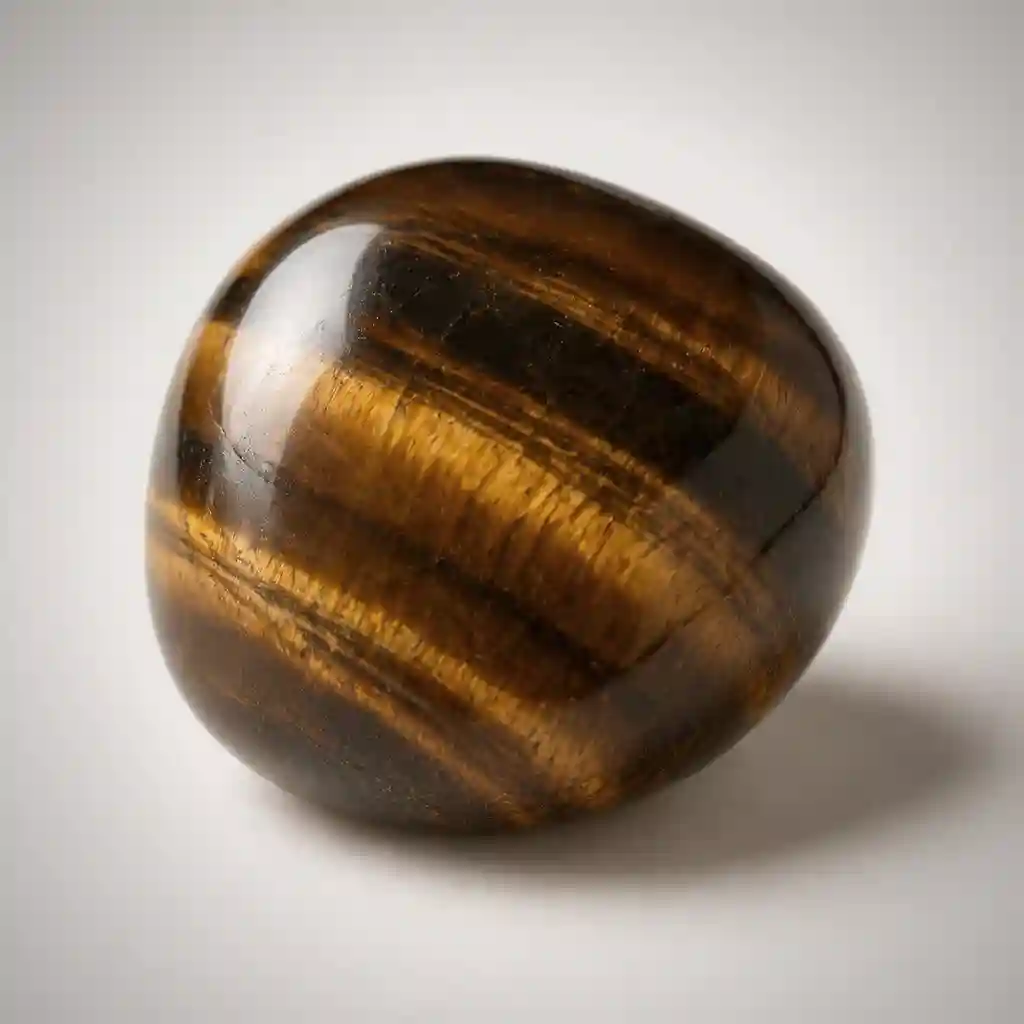
Tiger's Eye
Tiger's Eye adds confidence, courage, and personal power to Dalmatian Jasper's joyful energy, creating a combination that supports taking bold, creative risks with a positive, optimistic mindset
Combinations to Approach with Caution
If You Like Dalmatian Jasper, Also Try
How Can You Tell if Dalmatian Jasper is Real or Fake?
Common Imitations
Identification Tests
1.Visual Inspection of Spots
Examine the dark spots under a 10x loupe or magnifying glass, looking at their structure, depth, and natural variation.
Natural Dalmatian Jasper spots are integral to the stone — they have depth, show mineral structure under magnification, and vary naturally in size, shape, and distribution. Dyed or painted spots appear flat, uniform, and may show brush strokes, printing dots, or pooling at edges.
2.Scratch Test
Attempt to scratch the specimen with a steel knife and try to scratch a glass surface with it.
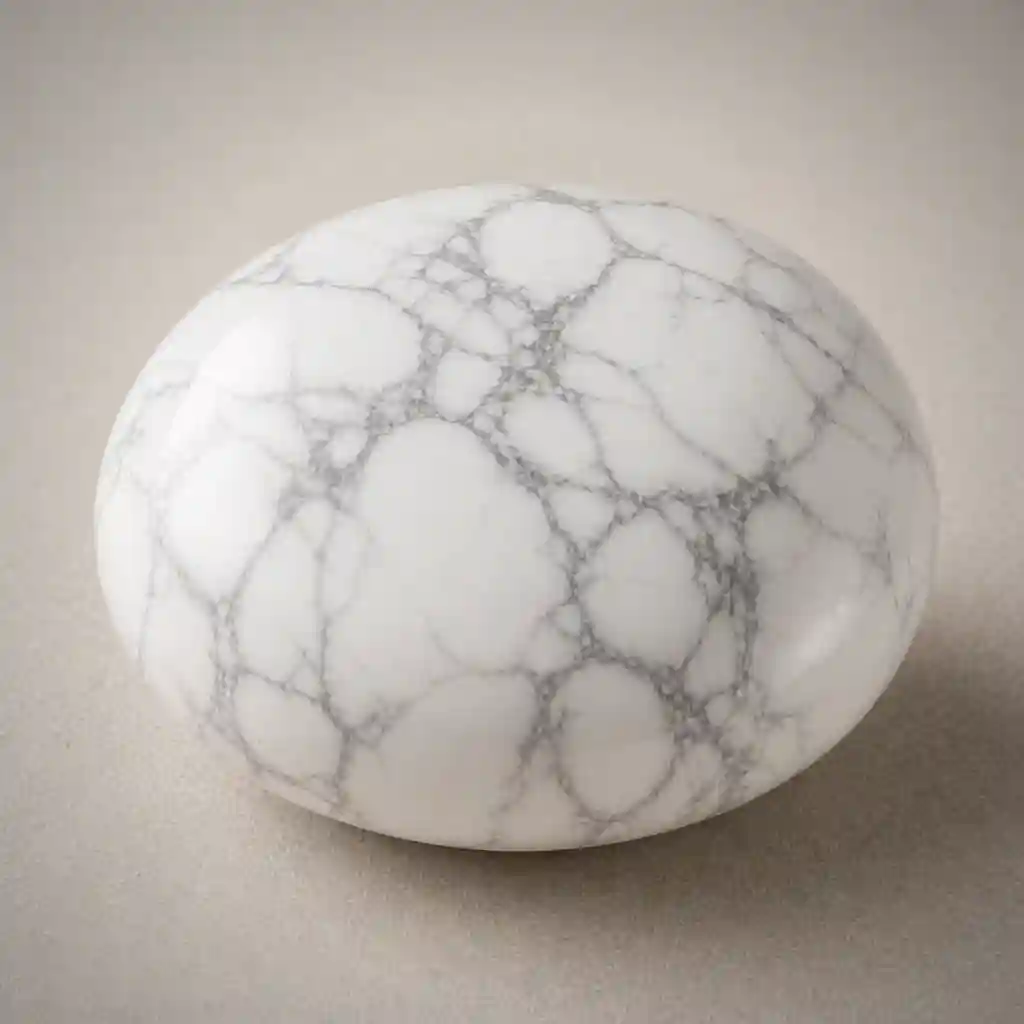
Genuine Dalmatian Jasper (Mohs 6.5-7) should not be scratched by a steel knife and may scratch glass. Dyed howlite imitations (Mohs 3.5) are much softer and will be easily scratched by steel while failing to scratch glass.
3.Acetone Test for Dye
Dip a cotton swab in acetone (nail polish remover) and gently rub an inconspicuous area of the stone.
If the spots are artificially dyed, the acetone may remove or lighten the coloring, transferring color to the cotton swab. Natural mineral spots will not be affected by acetone. This test is most useful for identifying dyed imitations.
4.Temperature and Weight Test
Hold the stone in your palm and assess its weight relative to its size.
Natural Dalmatian Jasper has a substantial, slightly heavy feel for its size (specific gravity 2.6-2.85) and feels cool to the touch initially. Plastic or resin replicas feel lightweight, warm up quickly, and lack the mineral density of genuine stone.
Price Reference
Small
$3-8
Medium
$10-30
Large
$35-100+
Dalmatian Jasper is generally affordable and widely available. Larger, more visually appealing specimens with well-distributed spots and good contrast command higher prices. Carved figures and specialty lapidary pieces are at the higher end of the range.
Is Dalmatian Jasper Safe? Care & Precautions
Toxicity Warning
Dalmatian Jasper is non-toxic for normal handling. The tourmaline and aragonite inclusions are stable minerals that do not pose health risks through skin contact. As with all stones, do not ingest or inhale dust from cutting or grinding.
Storage
Store Dalmatian Jasper in a soft pouch or padded container, separate from harder stones that could scratch its surface. With a hardness of 6.5-7, it is reasonably durable but can be scratched by harder minerals like quartz, topaz, and corundum. Avoid storing in direct contact with harder stones like amethyst or clear quartz.
Special Warnings
- ⚠Keep small specimens away from young children — the spotted appearance may attract them, but tumbled stones pose a choking hazard
- ⚠Wear a dust mask when cutting or grinding — inhaling stone dust of any type is harmful to the lungs
- ⚠Avoid harsh chemical cleaners that may affect the stone's surface or any dye treatments if present
What is Dalmatian Jasper Best For?
Dalmatian Jasper FAQ — Common Questions Answered
What is Dalmatian Jasper good for?+
Dalmatian Jasper is a standout for promoting joy, playfulness, and a positive outlook on life. It helps reconnect you with your inner child, encourages creativity and spontaneity, provides gentle grounding and protection, and supports confidence and courage. People who feel overly serious, stressed, or disconnected from the simple pleasures of life tend to gravitate toward it.
Is Dalmatian Jasper actually a jasper?+
Technically, no — despite its common name, it is not a true jasper. It is actually a variety of peralite, an igneous rock composed primarily of microcrystalline quartz and feldspar with inclusions of tourmaline (arfvedsonite) and aragonite that create those characteristic black spots. In the crystal and lapidary trade, though, it continues to be widely marketed and sold as "Dalmatian Jasper," and the name has become the accepted commercial designation.
What are the black spots in Dalmatian Jasper?+
The black spots in Dalmatian Jasper are primarily composed of tourmaline (specifically arfvedsonite, a sodium-iron amphibole mineral) and sometimes aragonite. These mineral inclusions formed within the lighter-colored quartz-feldspar matrix during the rock's igneous formation process. The size, density, and distribution of the spots vary from specimen to specimen, making each piece unique.
Can Dalmatian Jasper help with creativity?+
Yes, Dalmatian Jasper is well-regarded for stimulating creativity. Its connection to the Sacral Chakra — the energy center tied to creativity, passion, and pleasure — helps unlock creative blocks and encourages free, playful expression. Unlike the focused, disciplined creativity associated with stones like Citrine or Fluorite, Dalmatian Jasper promotes a more spontaneous, experimental, and joyful approach to creative work. It reminds you that the creative process should be fun, not a chore.
Is Dalmatian Jasper connected to dogs?+
The connection is primarily visual and symbolic — the stone's distinctive spotted appearance closely resembles the coat of a Dalmatian dog, which is how it got its name. Metaphysically, practitioners have drawn on this association to link the stone with qualities often attributed to dogs: loyalty, companionship, playfulness, protection, and unconditional love. Some crystal workers specifically recommend it for animal communication or for strengthening the bond with pets, though this rests on symbolic correspondence rather than traditional lore.
Was this helpful?