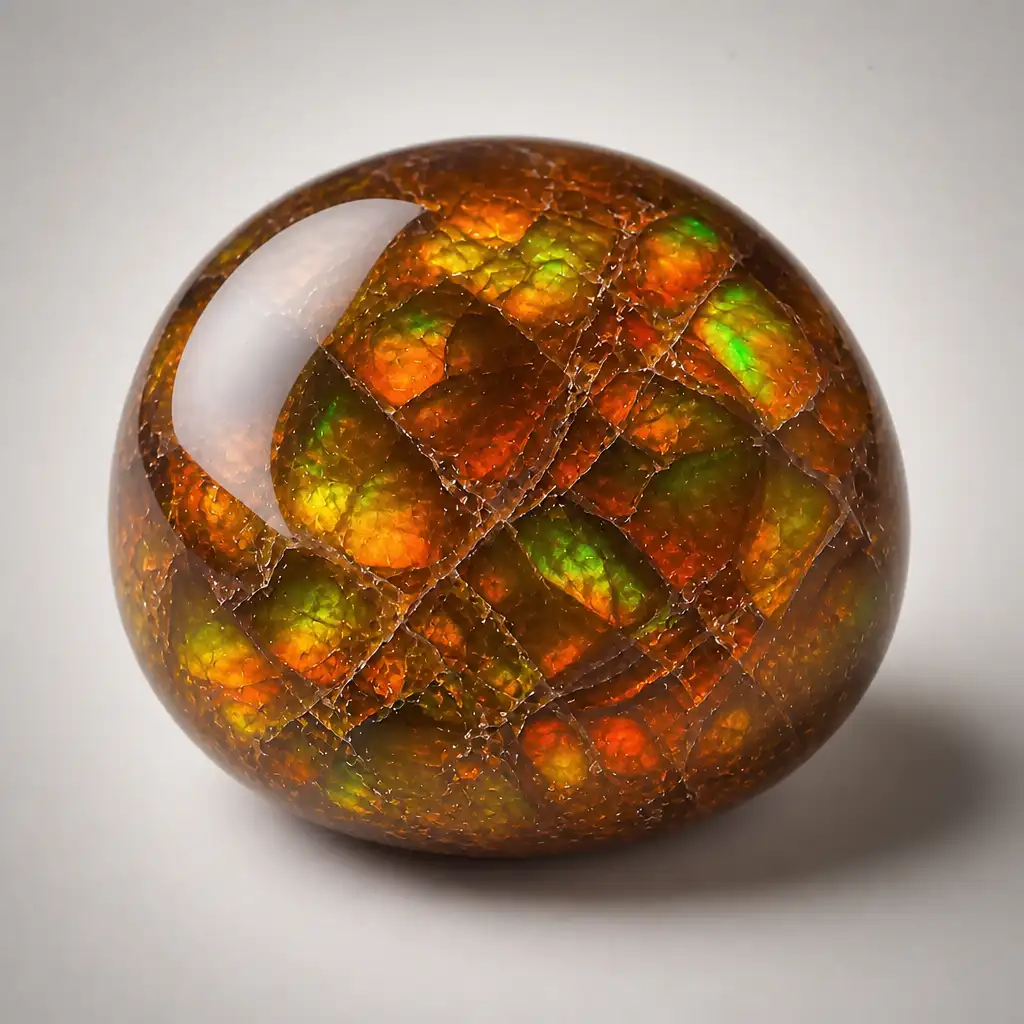
Fire Agate at a Glance
Fire Agate is the Stone of Spiritual Flame — an iridescent crystal that ignites courage, fuels vital life force, and channels the transformative power of fire into grounded, purposeful action.
Those facing challenges requiring courage, creative individuals seeking passionate inspiration, anyone overcoming burnout or exhaustion, and people working on building deep, grounded self-confidence
“I carry the fire of transformation within me — courageous, vital, and brilliantly alive.”
Bury in earth for deep cleansing; charge under moonlight; cleanse with sage smoke; avoid salt water and harsh chemicals
Fire Agate Quick Answers
What is Fire Agate good for?
Fire Agate is excellent for promoting courage, vitality, and spiritual protection. It builds confidence, ignites creative passion, attracts abundance, and provides a powerful grounded energy that supports success in all endeavors. It is particularly valued for those needing the courage to face difficult situations, the vitality to overcome burnout, or the creative spark to pursue their passions.
What makes Fire Agate iridescent?
Fire Agate's distinctive iridescence is caused by alternating microscopic layers of chalcedony and iron oxide (goethite/limonite) that diffract light through thin-film interference. When light enters the stone, it reflects off these thin layers at different depths, and the resulting interference patterns produce flashes of red, orange, yellow, green, and occasionally blue or violet. The effect is similar to the colors seen on soap bubbles or oil slicks, but far more vivid and permanent.
What is the Meaning & History of Fire Agate?
Core Meaning
The Stone of Spiritual Flame — Fire Agate carries the raw, transformative energy of fire — the element humans have relied on and revered since the very beginning. Fire does not negotiate. It burns through whatever is dead, dormant, or past its usefulness and turns that locked-up energy into fuel for something new. That is exactly how Fire Agate works on an energetic level: it helps you spot the patterns, habits, and fears that are holding you back, burns them clean, and channels the released energy into renewed vitality, courage, and creative drive. The stone's lesson about courage is direct — real courage is not fearlessness. It is the willingness to walk through the fire of transformation and let the old version of yourself burn so a stronger one can take its place. And because its Root Chakra connection runs so deep, that transformative fire stays focused and grounded rather than scattering into chaos.
Historical & Cultural Significance
Fire Agate has been known and valued in the Americas for centuries. Indigenous peoples of the Southwest and northern Mexico were almost certainly the first to find and appreciate it, and it probably saw ceremonial and decorative use long before European contact. The stone entered the broader gem and mineral market in the late 19th and early 20th century as mining in Arizona and northern Mexico expanded. It quickly earned a reputation as one of the most demanding stones to cut and polish — those iridescent layers are hair-thin, and exposing them requires a lapidary technique called "burning," where successive layers of chalcedony are ground away with extreme care until the fire beneath is revealed. A well-cut Fire Agate cabochon represents real skill and artistry.
Symbolism
- ✦Courage and fearlessness — the fire that burns through obstacles and illuminates the path ahead
- ✦Vital life force — the primal energy of creation, passion, and sustained motivation
- ✦Spiritual transformation — fire as the element of alchemy, burning away the old to create the new
- ✦Protection — the fire that keeps dark forces at bay and creates a shield of vital energy
- ✦Creative passion — the spark that ignites inspiration and fuels the pursuit of artistic vision
- ✦Grounded power — fire that burns not chaotically but with focused, purposeful intensity
Folklore & Legends
Among the Indigenous peoples of the American Southwest, fire is sacred — bound up with transformation, purification, and the Sun's life-giving force. Stones that display fire-like qualities carry particular potency in these traditions. Some Apache and Navajo stories link fire-colored stones to the Thunderbird, the powerful spirit being whose lightning delivers the sky's transformative fire to the Earth below. In Mesoamerican cultures, fire anchored ceremony and spiritual practice, and naturally fiery stones sometimes served as ritual objects. Modern crystal folklore calls Fire Agate "The Phoenix Stone" for its association with death and rebirth through fire — the willingness to let the old self be consumed so something stronger can rise from the ashes.
Geological Profile
Formation Process
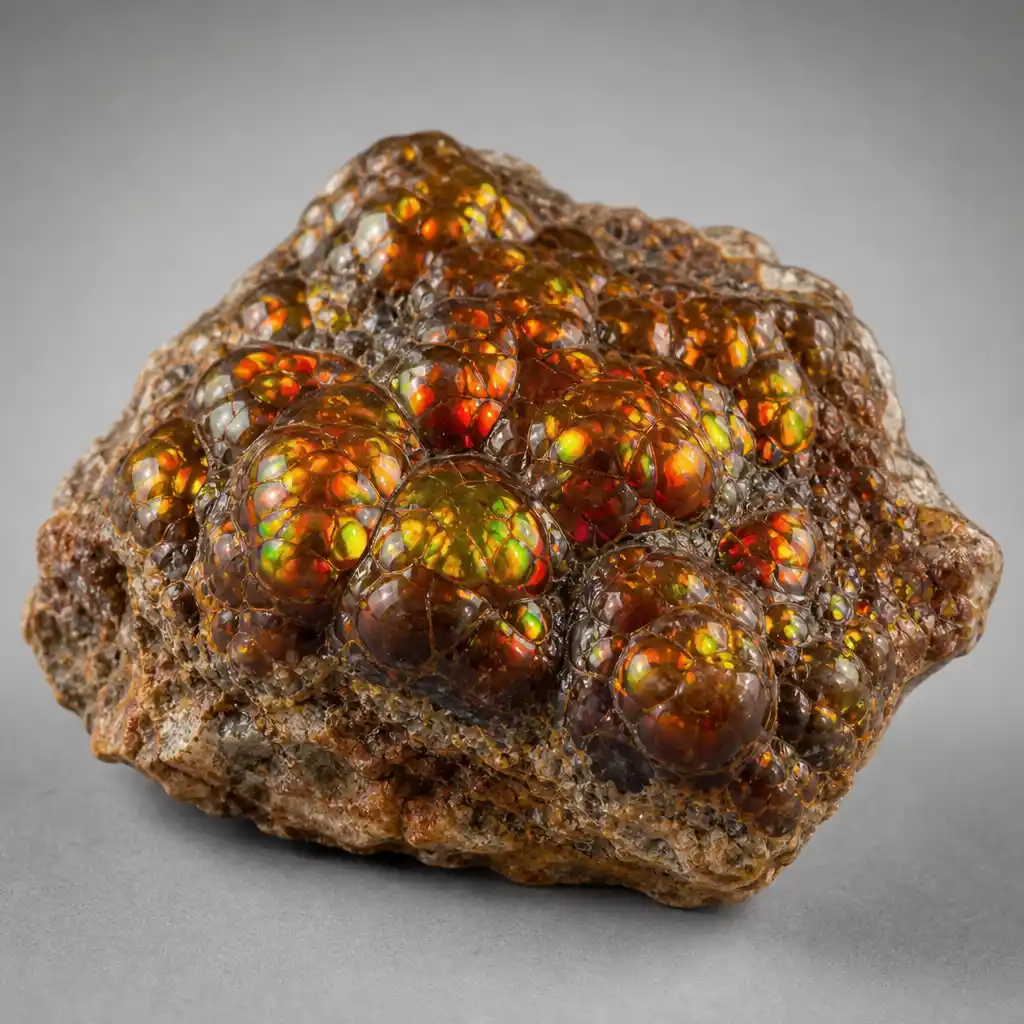
Fire Agate formed within gas bubble cavities (amygdules) in volcanic rock, primarily in the Cenozoic-age volcanic fields of northern Mexico and the southwestern United States. Silica-rich hydrothermal fluids, heated by volcanic activity, filled these cavities with successive botryoidal (grape-like) layers of chalcedony. During this process, iron-bearing minerals — primarily goethite and limonite — were deposited in alternating microscopic layers between the chalcedony. The critical factor that creates Fire Agate's iridescence is the extreme thinness and regularity of these alternating chalcedony-iron oxide layers, which must be precisely the right thickness (on the order of wavelengths of visible light) to produce thin-film interference. When light enters the stone, it reflects off the boundaries between these alternating layers, and the resulting constructive and destructive interference produces the vivid flashes of color that give Fire Agate its name.
Varieties
Mexican Fire Agate
From deposits in Chihuahua, Sonora, and other northern Mexican states. Generally considered to produce the finest quality Fire Agate with the most vivid, multi-color iridescence. Known for bright red, orange, and green flashes against a dark brown base.
Arizona Fire Agate
From deposits in the southwestern Arizona desert, particularly the Safford and Black Hills areas. Produces high-quality material with excellent iridescence, though specimens tend to be smaller than Mexican material. Arizona Fire Agate is often more expensive due to limited access to collecting areas.
Brazilian Fire Agate
A less common source producing Fire Agate with generally less vivid iridescence than Mexican or Arizona material. Brazilian specimens are more affordable and provide a good entry point for collectors.
Rainbow Fire Agate
An informal designation for the finest specimens that display the full spectrum of colors — red, orange, yellow, green, and occasionally blue or violet — within a single piece. These exceptional specimens are rare and highly prized by collectors.
Notable Origins
Chihuahua and Sonora, Northern Mexico
The most prolific and important source of Fire Agate worldwide. Mexican deposits produce specimens with the most vivid, multi-color iridescence. The volcanic geology of northern Mexico created ideal conditions for the formation of the thin alternating chalcedony-iron oxide layers that produce the finest fire.
Safford/Black Hills, Arizona, USA
The primary US source of Fire Agate. Arizona material is known for its warm red and orange iridescence and high quality, though specimens tend to be smaller than Mexican material. Many collecting areas are on public land with specific access regulations.
Mineral data verified via Mindat.org
Physical Properties
| Hardness | 6.5 on the Mohs scale |
| Chemical Formula | SiO₂ (with iron oxide inclusions) |
| Crystal System | Hexagonal (Trigonal) |
| Primary Color | Brown/Orange/Red/Green (iridescent fire-like flashes) |
| Origin | Mexico, USA (Arizona), Brazil |
| Transparency | Translucent to opaque |
| Luster | Vitreous to resinous, with adamantine (diamond-like) flashes |
| Specific Gravity | 2.58-2.64 |
What Are the Healing Properties of Fire Agate?
Emotional & Mental Well-being
Fire Agate builds the kind of courage that does not flinch.
- ◆Its energy is warm, intense, and purposeful — like an internal furnace that burns through emotional stagnation, apathy, and the leftover weight of past trauma, converting that heavy sludge into genuine motivation and confidence.
- ◆This is not a stone that gently encourages you.
- ◆It injects fire into your emotional body.
- ◆People who work with Fire Agate find it helps break through procrastination, self-sabotage, and fear of failure with a directness that softer stones cannot match.
- ◆If you are climbing out of burnout, depression, or a long stretch of chronic stress, Fire Agate addresses the depletion head-on.
Spiritual Properties
Spiritually, Fire Agate is a stone of alchemy — the process of burning through raw, unrefined consciousness until something luminous emerges.
- ◆With Root, Sacral, and Solar Plexus Chakras all firing, the stone creates an energetic circuit that ties spiritual transformation directly to physical vitality, creative expression, and grounded personal power.
- ◆It is widely used for spiritual protection; practitioners find that its intense, fiery energy acts as a shield against negative influences and psychic intrusion.
- ◆Fire Agate also has a reputation as a Kundalini stone — it can help stimulate that dormant spiritual force at the base of the spine while keeping the activation grounded and safe.
Physical Healing Traditions
Crystal healers traditionally connect Fire Agate to the circulatory system, digestion, and the lower body, all of which align with its Root and Sacral Chakra associations.
- ◆It also shows up in work with the eyes, reproductive health, and general stamina.
- ◆Healers often recommend it for poor circulation, coldness, or low energy — essentially any condition where more warmth and vitality seem called for.
- ◆The stone's link to purification through fire also leads practitioners to use it for supporting the body's natural detox processes.
- ◆These are traditional associations, not clinically established ones, so treat them as complementary to professional medical care.
Note: These properties are based on metaphysical traditions and are not a substitute for medical advice.
What Science Says
Fire Agate's iridescence is completely explained by physics: thin-film interference in alternating chalcedony and iron oxide layers.
- ◆When light hits these microscopic layers at different depths, it produces those vivid flashes of color — the same basic principle behind soap bubbles and oil slicks, except permanent and far more dramatic.
- ◆The botryoidal growth process that created these precisely layered structures has been thoroughly documented in geological literature, and the iron oxide mineralogy (goethite and limonite) is well established.
- ◆Deposits in northern Mexico and Arizona have been studied extensively by geologists from both countries.
- ◆The metaphysical claims haven't been tested in clinical studies, but the stone's optical properties and geological uniqueness make it genuinely significant in mineralogical and gemological terms.
Which Chakras Does Fire Agate Connect To?
Which Zodiac Signs Match Fire Agate?
Aries
recommended
Perfectly matches Aries's fiery, courageous nature and amplifies their natural boldness while providing the grounded stability needed for sustained, purposeful action
Leo
recommended
Amplifies Leo's radiant, passionate energy and supports their natural leadership with the courage and vitality needed to inspire others and pursue their creative vision
How Do You Use Fire Agate?
Meditation
Hold Fire Agate at your Root Chakra (base of spine) and picture a strong, steady flame catching inside you — one that burns through fear, doubt, and stagnation while pumping vital, creative energy through your whole system. Let the stone's fire move upward through your Chakras, warming and activating each one with purposeful intensity. For Kundalini work specifically, place Fire Agate at the base of your spine and set the intention for a grounded, safe awakening of that deep life force. Midday is the sweet spot for meditating with this stone — when solar energy is at its peak, Fire Agate responds beautifully.
Daily Wear
Fire Agate makes a strong statement as a ring, pendant, or bracelet — its fiery iridescence draws attention and admiration. For protection, try wearing it on the left hand or wrist (the receptive side of the body), where it can create an energetic shield against negative influences. For confidence and outward courage, the right hand or wrist (the projective side) lets you radiate that inner fire. A tumbled stone in your pocket is a more discreet way to keep vital, courageous energy close during challenging situations.
Home Placement
Position Fire Agate near the entrance of your home to create a protective, fiery shield that deflects negative influences before they get inside. In a workspace or office, it fuels confidence, motivation, and the energy to chase ambitious goals. On a meditation altar, it serves as a powerful focal point for transformation work and spiritual protection. Even a small piece near the bed can support vital life force and passionate energy. Wherever you put it, Fire Agate's dramatic beauty commands attention.
Crystal Grids
Use Fire Agate as the center stone of a courage and protection grid, surrounded by Black Tourmaline (protective shielding) and Garnet (vital life force) to create a powerful fortress of grounded, fiery energy. For a creativity and passion grid, pair Fire Agate with Carnelian (bold creative action) and Sunstone (radiant optimism) in a triangular pattern. For abundance and success, combine Fire Agate with Citrine (manifestation and prosperity) and Pyrite (wealth attraction) and place the grid in your workspace.
How Do You Cleanse & Charge Fire Agate?
Earth Burial
RecommendedSmudging
RecommendedMoonlight Bathing
RecommendedSelenite Charging
RecommendedMoon Phase Charging: Fire Agate responds powerfully to earth burial — bury it in natural soil for 24 to 48 hours and let it discharge accumulated energy while reconnecting with the volcanic Earth that made it. For courage and vitality work, charge it during the waxing moon to build and amplify your inner fire. The stone also takes well to smudging with sage, dragon's blood resin, or other fire-associated herbs. A nice touch: place Fire Agate near (not directly in) a candle flame during charging, letting the candle's fire energy resonate with the stone's own vibration.
Avoid the following:
- ✗Prolonged water soaking — may affect the polish over time
- ✗Salt water — salt can be abrasive to the delicate iridescent surface
- ✗Harsh chemical cleaners — ammonia, bleach, and solvents can damage the iron oxide layers
- ✗Ultrasonic cleaners — vibration can damage the thin iridescent layers
- ✗Steam cleaning — heat and pressure can affect the delicate structure
- ✗Abrasive cleaning methods — can permanently damage the iridescent surface
What Crystals Pair Well with Fire Agate?
Best Combinations
Carnelian
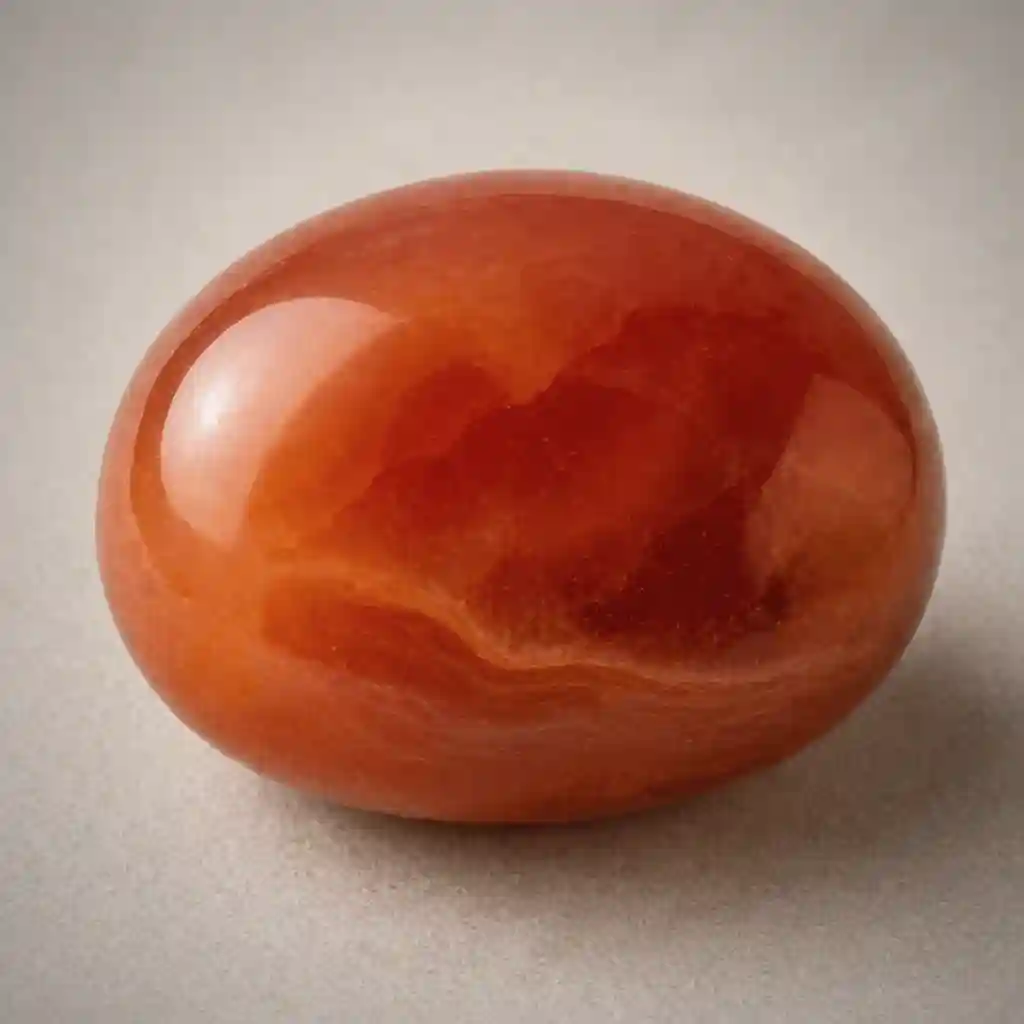
Carnelian's warm, creative vitality and bold action energy perfectly complement Fire Agate's transformative fire, creating a powerhouse combination for courage, creativity, and the confident pursuit of goals
Black Tourmaline
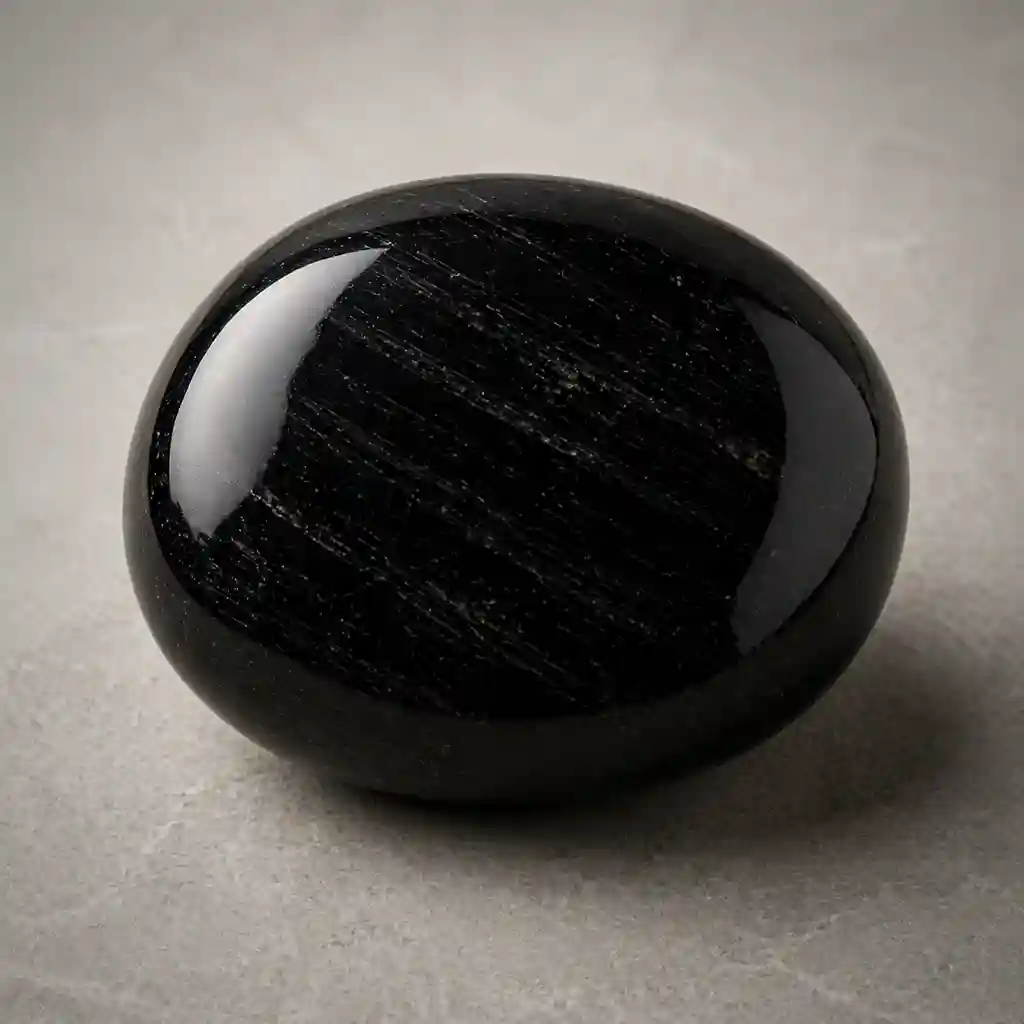
Black Tourmaline's powerful protective energy creates a grounding shield that allows Fire Agate's intense transformative fire to burn safely and purposefully, preventing the energy from becoming scattered or overwhelming
Garnet
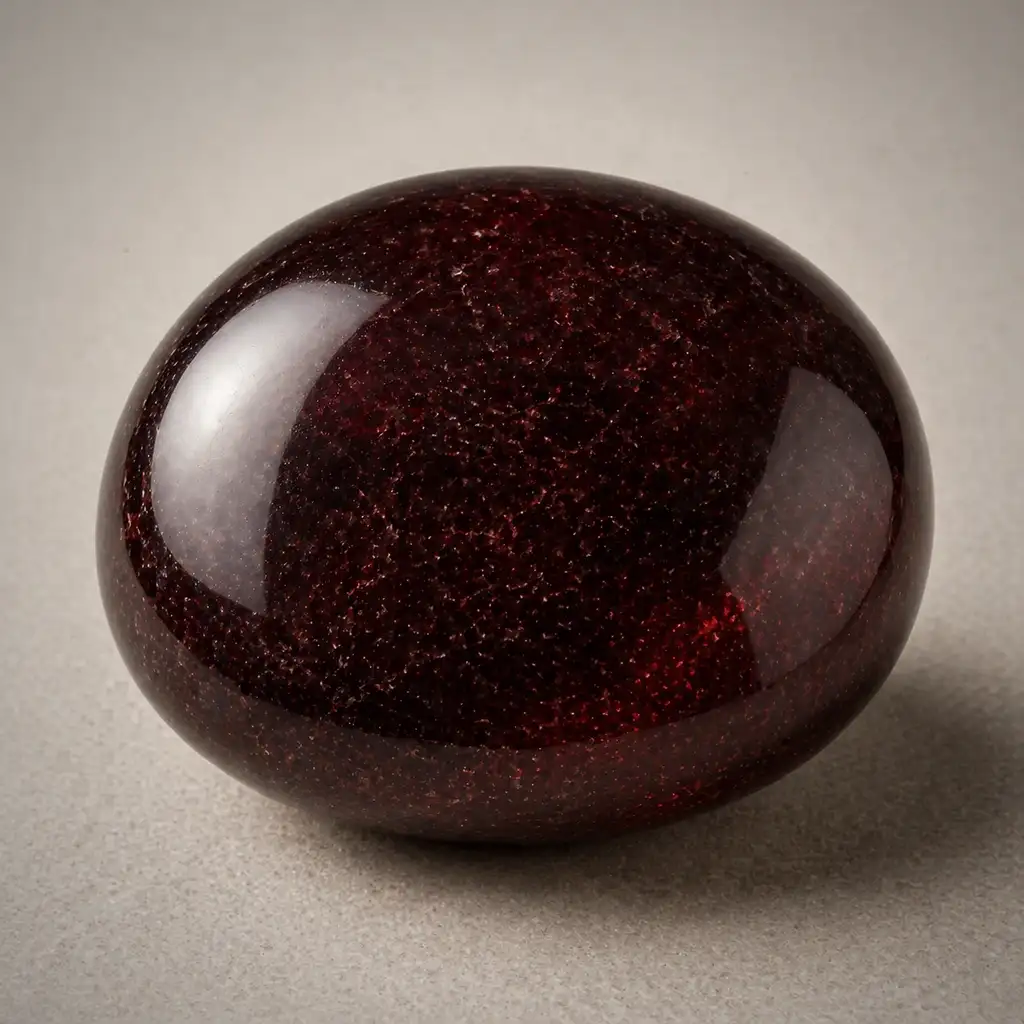
Garnet's deep, vital life force energy amplifies Fire Agate's Root Chakra activation, creating an exceptionally grounding and energizing combination that supports physical vitality, passion, and the courage to face any challenge
Combinations to Approach with Caution
If You Like Fire Agate, Also Try
How Can You Tell if Fire Agate is Real or Fake?
Common Imitations
Identification Tests
1.Iridescence Analysis
Examine the stone under strong, direct light and rotate it to observe the play of color from multiple angles.
Authentic Fire Agate displays iridescence that changes with the viewing angle, with colors appearing to emerge from within the stone rather than sitting on the surface. The flashes should be natural-looking — reds, oranges, yellows, and greens that shift organically. Dyed or treated stones may show unnaturally uniform colors or metallic-looking coatings that appear painted on.
2.Botryoidal Structure
Examine the stone's surface and internal structure with a jeweler's loupe or magnifying glass.
Authentic Fire Agate displays a botryoidal (grape-like) growth structure — rounded, bubbly formations that are the natural result of the chalcedony deposition process. This structure is visible in both rough and cut specimens and is extremely difficult to replicate artificially. Flat, uniform surfaces without any botryoidal character suggest a manufactured or non-authentic stone.
3.Hardness Test
Attempt to scratch a glass surface with the specimen.
Genuine Fire Agate (Mohs 6.5-7) should easily scratch glass. Glass imitations obviously cannot scratch glass. Fire opal (Mohs 5.5-6) may be softer and is sometimes confused with Fire Agate but is a completely different mineral.
4.Temperature and Weight Test
Hold the stone in your hand and note its temperature and weight relative to its size.
Authentic Fire Agate, like all chalcedony, feels distinctly cool to the touch initially and has a moderate heft for its size. Glass imitations may feel lighter or have a different temperature response. Synthetic iridescent materials often feel noticeably lighter than natural chalcedony.
Price Reference
Small
$10-30
Medium
$35-120
Large
$130-500+
Fire Agate pricing varies dramatically based on the quality and intensity of the iridescence. Specimens with vivid, multi-color "rainbow fire" across the entire surface command premium prices and are increasingly scarce. Well-cut cabochons from Mexico or Arizona with exceptional fire can reach several hundred dollars. Lower-quality specimens with limited or patchy iridescence are much more affordable.
Is Fire Agate Safe? Care & Precautions
Toxicity Warning
Fire Agate is non-toxic for normal handling. As a silica-based stone with iron oxide inclusions, it is chemically inert and safe for skin contact. As with all stones, do not ingest or inhale dust from cutting or grinding.
Storage
Store Fire Agate in a soft pouch or padded container, separate from harder stones that could scratch its surface. The iridescent layers are relatively delicate and should be protected from impact and abrasion. Avoid storing in direct contact with other jewelry that could scratch or chip the surface.
Special Warnings
- ⚠Wear a dust mask when cutting or grinding — silica dust and iron oxide particles from any stone are harmful when inhaled
- ⚠The iridescent layers are thin and delicate — avoid abrasive cleaning, ultrasonic cleaners, or steam cleaning
- ⚠Avoid harsh chemical cleaners that may affect the iron oxide layers or surface polish
- ⚠Remove jewelry before strenuous physical activity to protect the delicate iridescent surface
What is Fire Agate Best For?
Fire Agate FAQ — Common Questions Answered
What is Fire Agate good for?+
Fire Agate is excellent for promoting courage, vitality, and spiritual protection. It builds confidence, ignites creative passion, attracts abundance, and provides a powerful grounded energy that supports success in all endeavors. It is particularly valued for those needing the courage to face difficult situations, the vitality to overcome burnout, or the creative spark to pursue their passions.
What makes Fire Agate iridescent?+
Fire Agate's distinctive iridescence is caused by alternating microscopic layers of chalcedony and iron oxide (goethite/limonite) that diffract light through thin-film interference. When light enters the stone, it reflects off these thin layers at different depths, and the resulting interference patterns produce flashes of red, orange, yellow, green, and occasionally blue or violet. The effect is similar to the colors seen on soap bubbles or oil slicks, but far more vivid and permanent.
Is Fire Agate rare?+
Fire Agate is considered relatively rare compared to other agate varieties. While not extremely scarce, high-quality specimens with vivid, multi-color iridescence across the entire surface are uncommon and highly sought after by collectors. The finest material comes from specific deposits in northern Mexico and Arizona, and the best specimens command significant prices. Fire Agate is also challenging to cut and polish properly, as the iridescent layers are thin and must be carefully exposed without destroying them.
How is Fire Agate different from regular agate?+
Fire Agate is distinguished by its distinctive iridescent fire-like flashes, which are caused by microscopic iron oxide layers within the chalcedony. Regular agates display banding, patterns, or solid colors but do not exhibit the Schiller effect that gives Fire Agate its unique fiery play of color. Geologically, Fire Agate formed through a specific botryoidal growth process that created the alternating chalcedony-iron oxide layers necessary for iridescence. Metaphysically, Fire Agate carries a much more intense, activating energy than most other agates, which tend to be gentler and more calming.
Can Fire Agate go in water?+
Brief exposure to water is generally safe for Fire Agate, as it is not water-soluble. However, prolonged soaking should be avoided, and salt water in particular should be avoided as salt can be abrasive to the surface polish and may affect the delicate iridescent layers over time. For energetic cleansing, smudging with sage or charging under moonlight are gentler and equally effective alternatives to water cleansing.
Was this helpful?