What Is the Chakra System and How Does It Work?
The word chakra comes from Sanskrit, where it means "wheel" or "disk." In yogic and Ayurvedic traditions dating back thousands of years, chakras are described as spinning centers of subtle energy located along the spine, each one governing different aspects of your physical, emotional, and spiritual well-being. There are seven primary chakras, running from the base of the spine to the crown of the head, and when they are open and balanced, energy flows freely through the body. When one is blocked or overactive, you might feel it as physical tension, emotional reactivity, or a general sense that something is off.
Crystals have been paired with chakra work for centuries because each stone carries its own stable vibrational frequency. When you place a crystal on or near a specific chakra, its frequency interacts with that energy center, gently encouraging it toward balance. This is not a replacement for medical care, but it is a widely practiced complement to meditation, breathwork, and other healing modalities. The chakra system gives you a map, and crystals give you tools to work with that map in a tangible, hands-on way.
Before diving into each chakra, it helps to know the basic framework. Each chakra has a traditional Sanskrit name, a location in the body, an associated color, and specific areas of life it governs. You do not need to memorize all of this to get started — but having a general sense of the layout will make your crystal work more focused and effective.
Root Chakra (Muladhara) — Grounding and Safety
The root chakra, or Muladhara in Sanskrit, sits at the very base of your spine. It is your foundation — the energy center responsible for your sense of safety, stability, and belonging in the world. When your root chakra is balanced, you feel grounded, secure, and capable of meeting your basic needs without chronic anxiety. When it is underactive, you might feel scattered, fearful, or disconnected from your body. An overactive root chakra can manifest as hoarding behavior, resistance to change, or excessive attachment to material security.
Read more: crystal compatibility checker.
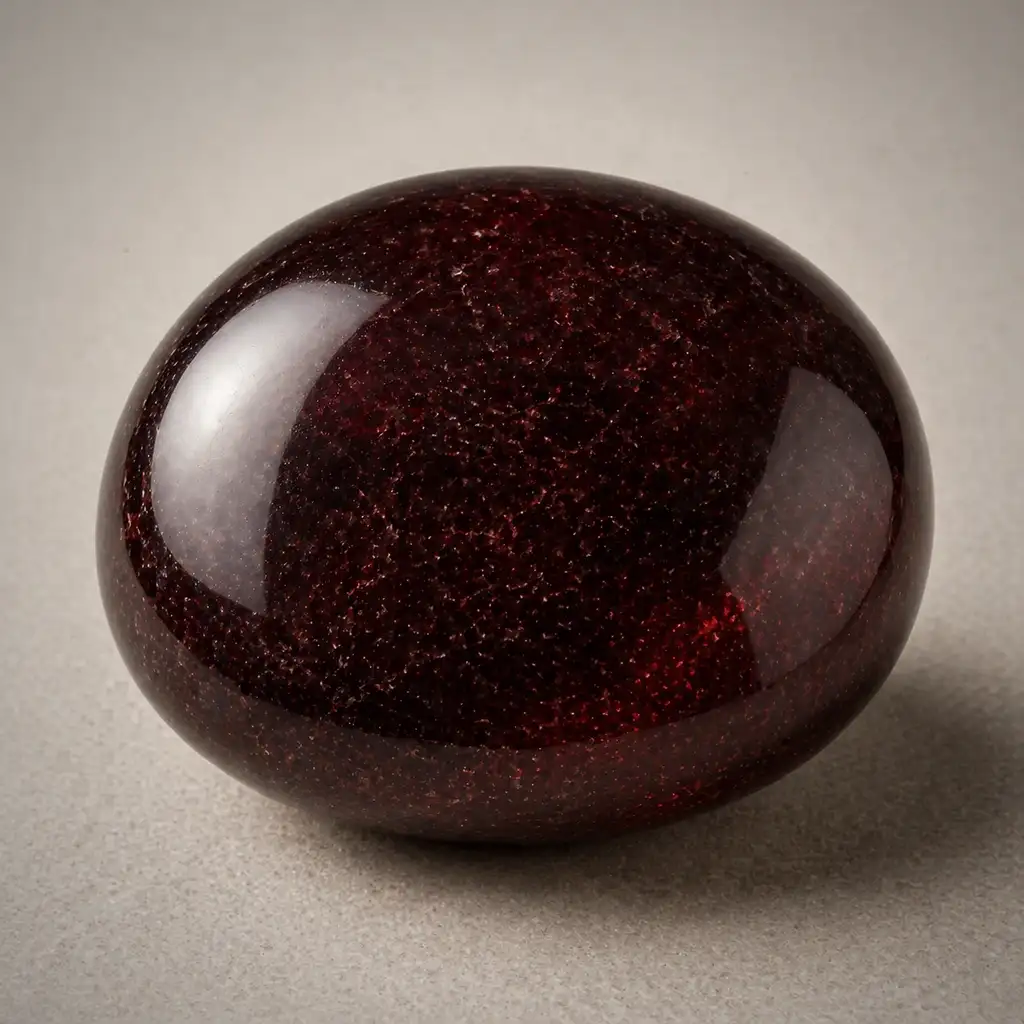
Black Tourmaline is one of the strongest root chakra crystals you can work with. Its dense, grounding energy helps anchor you to the present moment and creates a protective boundary around your energy field. Garnet is another powerful ally for Muladhara — its deep red color mirrors the traditional red associated with this chakra, and it carries an energizing, revitalizing quality that helps restore motivation when you are feeling depleted. Hematite, with its metallic sheen and heavy physical presence, is excellent for people who feel spacey or ungrounded. Holding a piece during meditation or placing it at the base of your spine while lying down helps draw your attention and energy downward into your body.
To use these stones for root chakra balancing, lie on your back and place one at the base of your spine or between your thighs. Close your eyes and breathe slowly into your lower belly. Visualize a warm red light at the base of your spine growing steadier and brighter with each exhale. Even five minutes of this practice can shift how grounded you feel throughout the day.
Sacral Chakra (Svadhisthana) — Creativity and Emotion
The sacral chakra, Svadhisthana, is located just below your navel in the lower abdomen. This is the center of your emotional life, creativity, sensuality, and your capacity to experience pleasure and flow. A balanced sacral chakra allows you to feel your emotions fully without being overwhelmed by them, to express yourself creatively, and to experience healthy intimacy. When it is blocked, you might notice emotional numbness, creative blocks, guilt around pleasure, or difficulty connecting with others on an emotional level.
Carnelian is the go-to crystal for sacral chakra work. Its warm orange color resonates directly with this energy center, and it carries an activating, creative energy that helps break through stagnation. If you have been feeling uninspired or emotionally flat, holding Carnelian during meditation or keeping it on your desk while working on creative projects can make a noticeable difference. Orange Calcite is another strong choice — it has a gentle, uplifting quality that helps release stored emotional tension from the lower belly area. Unlike Carnelian's more activating energy, Orange Calcite works softly, making it a good option if your sacral chakra tends toward overactivity rather than blockage.
Place one of these stones on your lower abdomen while lying down. As you breathe, imagine warm orange light filling that space, dissolving any tightness or heaviness. Notice what emotions come up without trying to change them — just let them move through you. Sacral chakra work often brings up old feelings that have been pushed down, and that release is part of the process.
Read more: chakra assessment quiz.
Solar Plexus Chakra (Manipura) — Personal Power and Will
The solar plexus chakra, Manipura, is located in your upper abdomen, just below your ribcage. This is your power center — it governs self-confidence, personal will, decision-making, and your sense of agency in the world. When Manipura is strong and balanced, you trust yourself to handle whatever comes your way. You can set boundaries without guilt and pursue goals with steady determination. A weak solar plexus chakra often shows up as chronic self-doubt, difficulty making decisions, or a tendency to let others override your preferences.
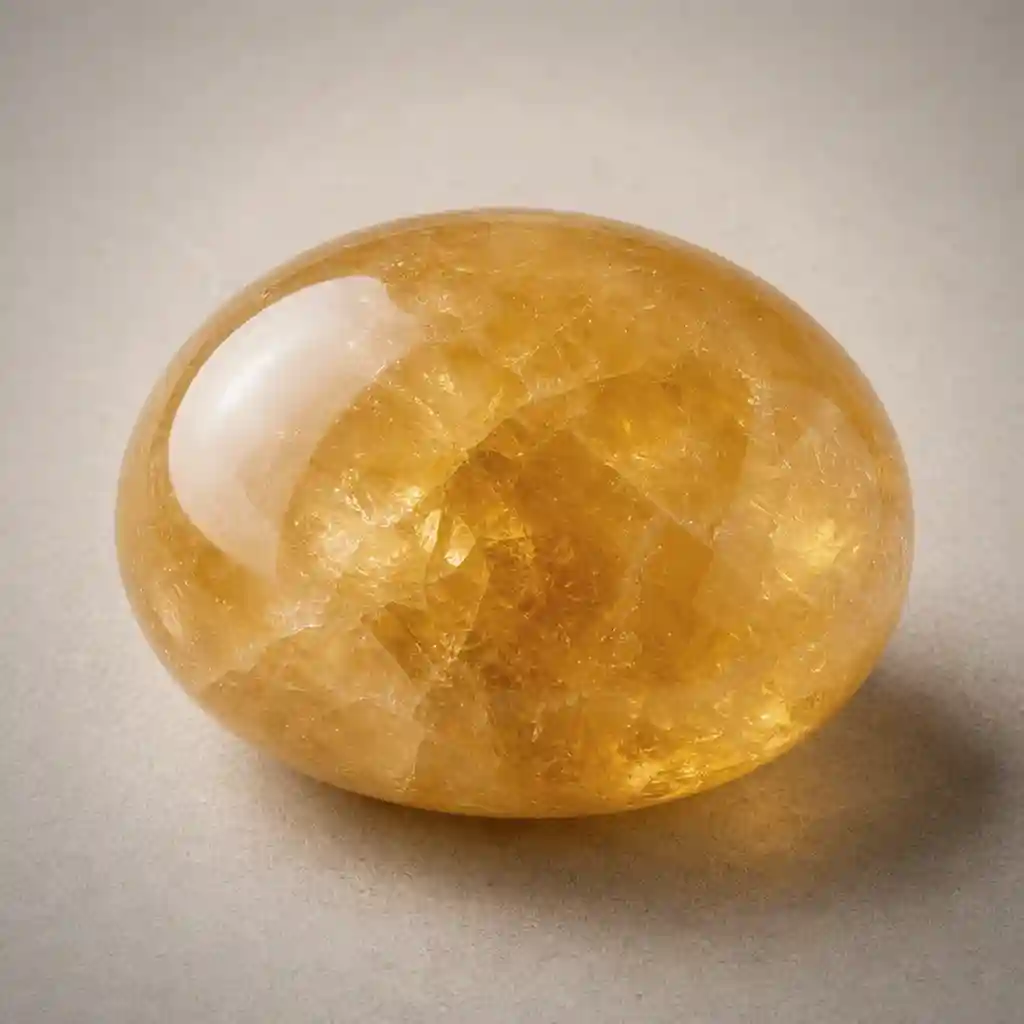
Citrine is the crystal most strongly associated with the solar plexus, and for good reason. Its golden-yellow color matches the traditional yellow of this chakra, and its energy is warm, confident, and forward-moving. Working with Citrine can help dissolve self-doubt and bring a sense of optimism and capability to your daily life. Keep it in your pocket during situations that require confidence — presentations, difficult conversations, or any moment where you need to stand firmly in your own authority. Tiger Eye is another excellent solar plexus stone. Its banded golden-brown appearance speaks to its dual nature: it combines grounding stability with sharp, focused willpower. If Citrine feels too energizing for you, Tiger Eye offers a more centered, steady confidence.
For solar plexus work, hold your crystal at your upper belly while seated in a comfortable position. As you breathe into that area, repeat a simple affirmation internally — something like "I trust myself" or "I act with clarity and confidence." The combination of physical focus, crystal energy, and intentional language is more powerful than any one element alone.
Heart Chakra (Anahata) — Love and Compassion
Anahata, the heart chakra, sits at the center of your chest — right where you would place your hand during a pledge or a moment of sincerity. It is the bridge between your lower, more physical chakras and your upper, more spiritual ones, and it governs your ability to give and receive love freely. This includes self-love, romantic love, platonic love, and the broader compassion you extend to strangers and the world around you. A balanced heart chakra allows you to stay open to connection without losing yourself in other people's needs. When it is blocked, you might notice patterns of withdrawal, fear of vulnerability, holding grudges, or a harsh inner critic.
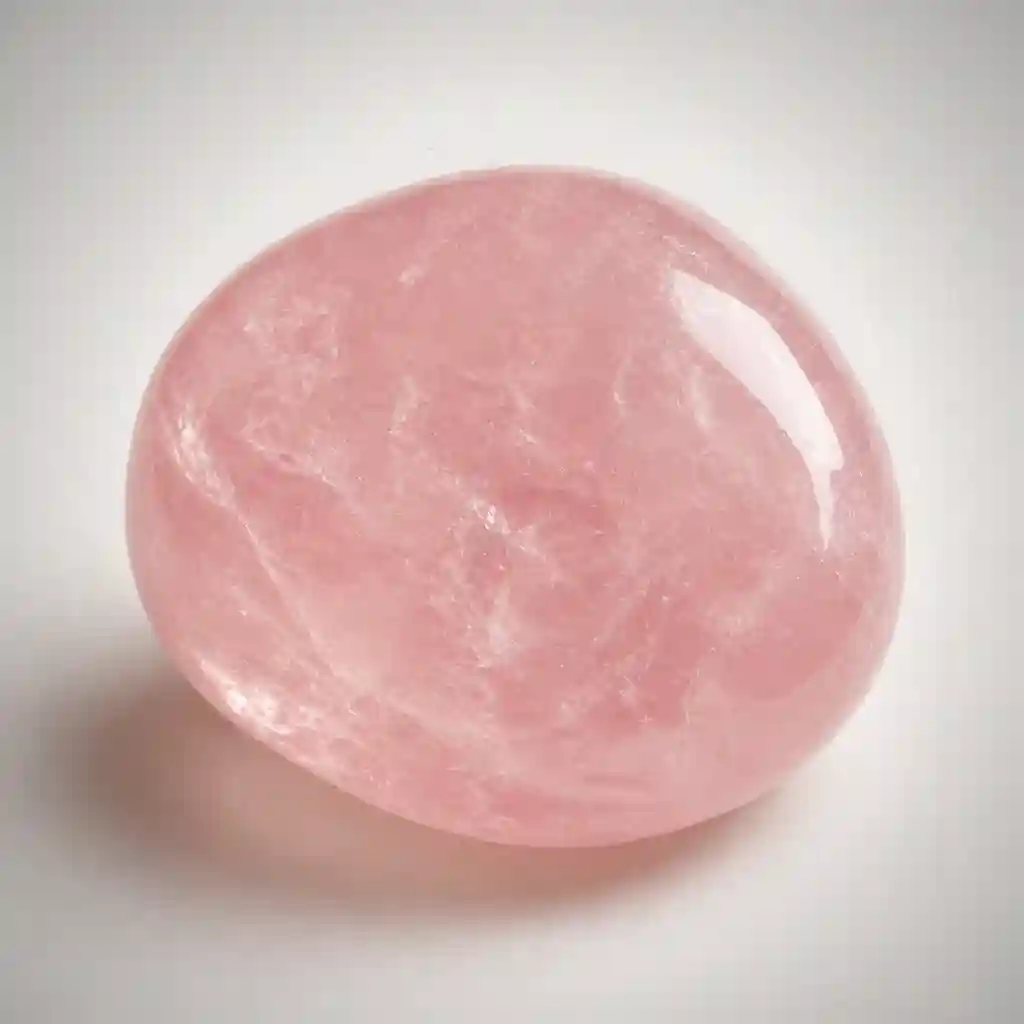
Rose Quartz is the most widely used heart chakra crystal, and it earns that reputation. Its gentle pink energy is like a softening agent for emotional armor. If you have built walls around your heart — and most people have — Rose Quartz helps lower them gradually, at a pace you can handle. It is particularly effective for self-love work, which is the foundation of all heart chakra healing. Emerald is a more activating heart stone. Where Rose Quartz softens, Emerald strengthens. It carries a vibrant green energy that resonates with the traditional green of Anahata, and it supports courage in matters of the heart — the willingness to be vulnerable, to speak truthfully about your feelings, and to stay open even after being hurt.
Read more: element quiz.
Place your chosen crystal directly on the center of your chest while lying on your back. Breathe into the space behind your sternum. With each inhale, imagine the area expanding. With each exhale, imagine any tightness or old hurt releasing outward. Heart chakra meditation often brings up real emotion — tears are common and completely normal. Let them come. That release is the energy moving.
Throat Chakra (Vishuddha) — Expression and Truth
Vishuddha, the throat chakra, is located at the base of your throat and governs communication, self-expression, and the ability to speak your truth clearly and kindly. When this chakra is open, you can say what you mean without second-guessing yourself, and you can listen to others without losing your own perspective. A blocked throat chakra often shows up as difficulty expressing needs, fear of speaking in groups, a habit of swallowing your opinions, or a chronically tight or scratchy throat with no medical cause.
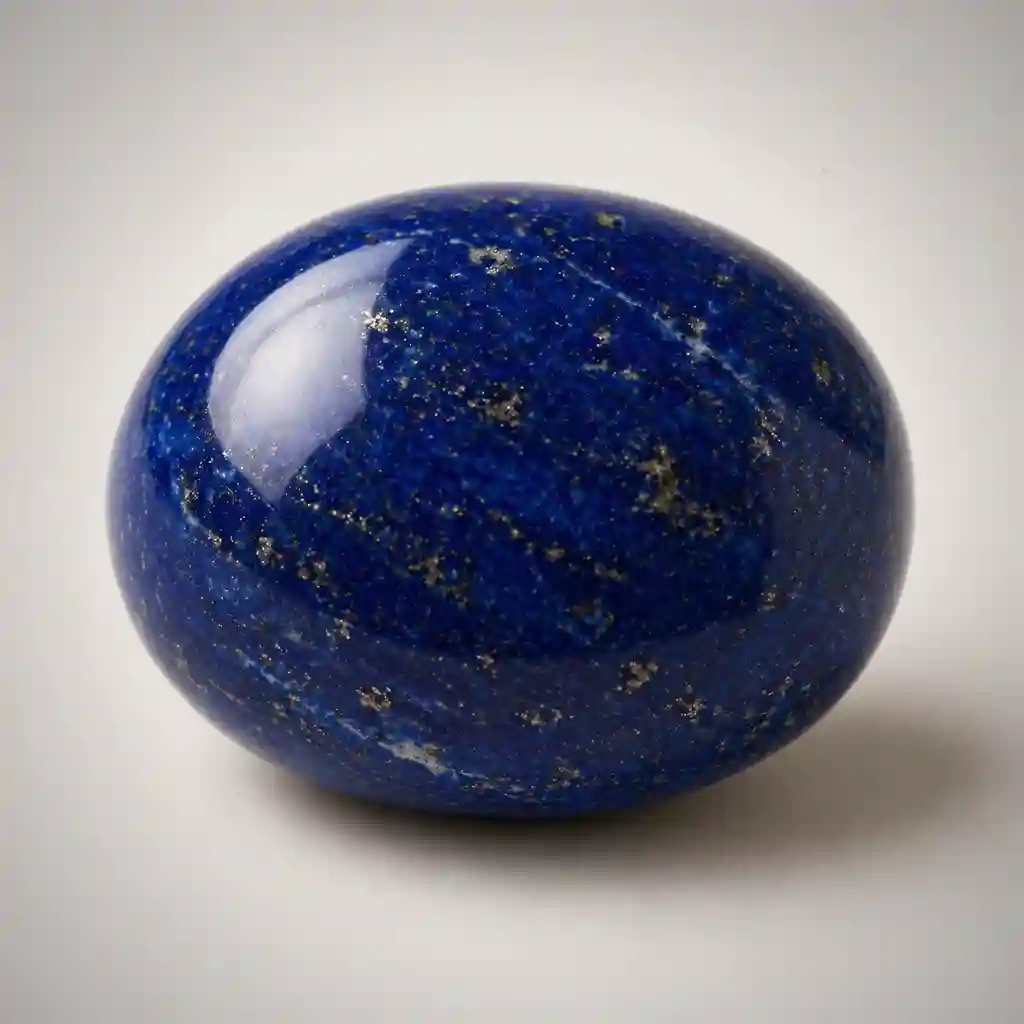
Lapis Lazuli has been associated with the throat chakra for centuries, and it is easy to see why. This deep blue stone has a regal, clarifying energy that supports honest, articulate communication. Ancient Egyptians prized Lapis for its connection to wisdom and truth, and those qualities translate directly into throat chakra work. If you struggle to find the right words or tend to go along with what others want instead of stating your own preferences, Lapis Lazuli can help you access and express your genuine thoughts. Aquamarine is another excellent throat stone with a lighter, more fluid energy. Its name means "water of the sea," and that watery quality shows up in how it supports communication — it helps your words flow more easily, reducing the tension and overthinking that can make speaking feel like a performance rather than a natural expression.
Wear throat chakra crystals as a necklace or hold them against the base of your throat during meditation. As you breathe, focus on the area and imagine a clear blue light there. If there is something you have been holding back from saying — to yourself or someone else — this is a good time to formulate those words internally. You do not have to speak them out loud during the meditation, but clarifying them in your mind is a powerful first step.
Third Eye Chakra (Ajna) — Intuition and Insight
Read more: spotting fake crystals guide.
Ajna, the third eye chakra, is located between your eyebrows, slightly above the bridge of your nose. This is your center of intuition, inner knowing, imagination, and the ability to see beyond surface appearances. A balanced third eye chakra allows you to trust your gut feelings, think clearly and independently, and access creative and spiritual insights. When it is underactive, you might feel disconnected from your own inner guidance, overly reliant on others' opinions, or stuck in rigid, literal thinking. An overactive third eye can lead to excessive daydreaming, anxiety, or difficulty distinguishing intuition from fear.
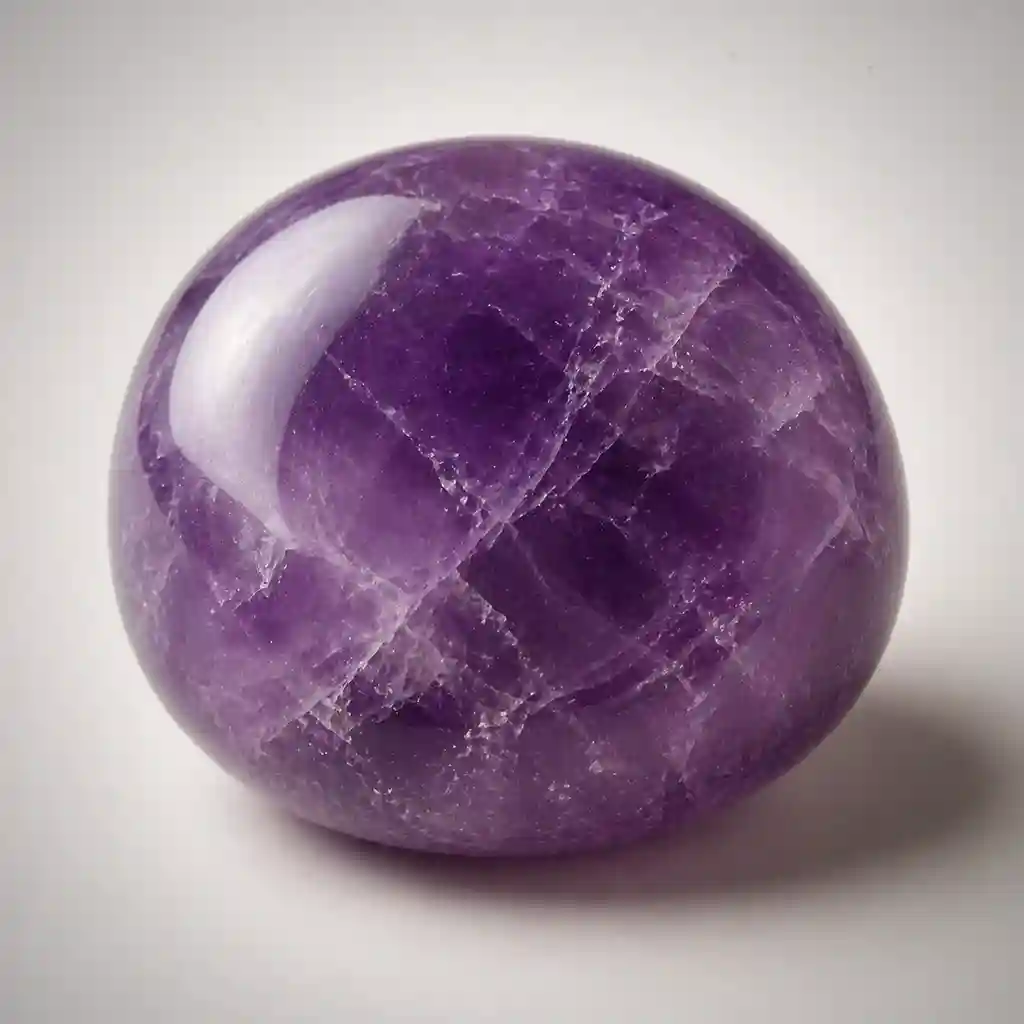
Amethyst is the crystal most people reach for when working with the third eye, and it is a strong choice. Its calming purple energy helps quiet mental noise so that genuine intuitive signals can come through more clearly. Amethyst is particularly helpful if your mind tends to race or if you have trouble distinguishing your own thoughts from outside influences. Labradorite is another powerful third eye stone with a different quality. Where Amethyst calms, Labradorite activates. Its famous flash of iridescent color — labradorescence — mirrors what this stone does for your perception: it reveals what was hidden. If you are working on developing your intuition, deepening your meditation practice, or exploring lucid dreaming, Labradorite is a valuable companion.
To work with third eye crystals, place the stone on your forehead between your eyebrows while lying down. Close your eyes — your physical eyes, that is — and focus your attention inward. Imagine a soft indigo light at the center of your forehead, growing clearer and more focused. Pay attention to any images, words, or sensations that arise without forcing or analyzing them. Third eye meditation is about receiving, not directing.
Crown Chakra (Sahasrara) — Connection and transcendence
Sahasrara, the crown chakra, sits at the very top of your head and represents your connection to something larger than yourself — however you define that. For some people, that is a spiritual tradition or a deity. For others, it is nature, the cosmos, or simply the mystery of existence. A balanced crown chakra brings a sense of meaning, purpose, and trust in the flow of life. When it is blocked, you might feel isolated, cynical, or like life lacks significance. An overactive crown chakra can lead to spiritual bypassing — using spiritual ideas to avoid dealing with real-world problems.
Clear Quartz is one of the best crystals for crown chakra work because of its purity and versatility. Often called the "master healer," Clear Quartz has a high, clear vibration that helps open the crown chakra to higher states of awareness. It also amplifies the energy of any other crystal you pair it with, making it useful in full chakra layouts. Selenite is the other crown chakra stone worth knowing. Its ethereal, almost translucent appearance matches its energy — light, elevated, and deeply calming. Selenite is unique in that it never needs to be cleansed and can actually cleanse other stones placed near it. For crown chakra meditation, it helps create a clear channel between your everyday awareness and a more expansive state of consciousness.
Place your crown chakra crystal just above the top of your head while lying down, or hold it in your hands above your head if placing it directly is awkward. Breathe slowly and imagine a violet or white light pouring down through the crown of your head, filling your entire body. This is not about leaving your body or escaping reality — it is about feeling connected, supported, and part of something larger than your individual concerns.
How Do I Balance All Seven Chakras with Crystals?
Read more: crystal cleansing guide.
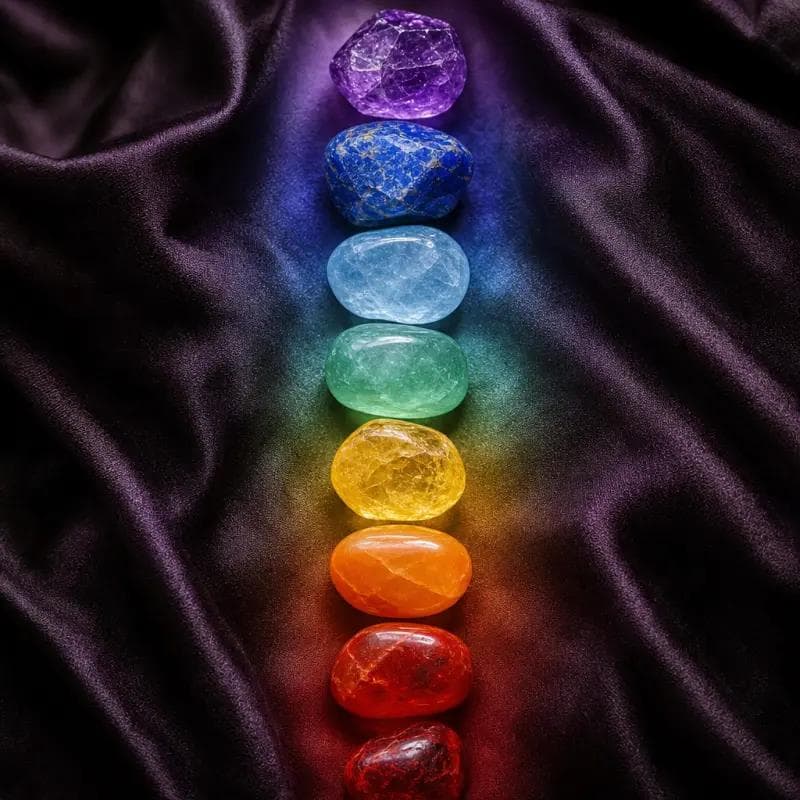
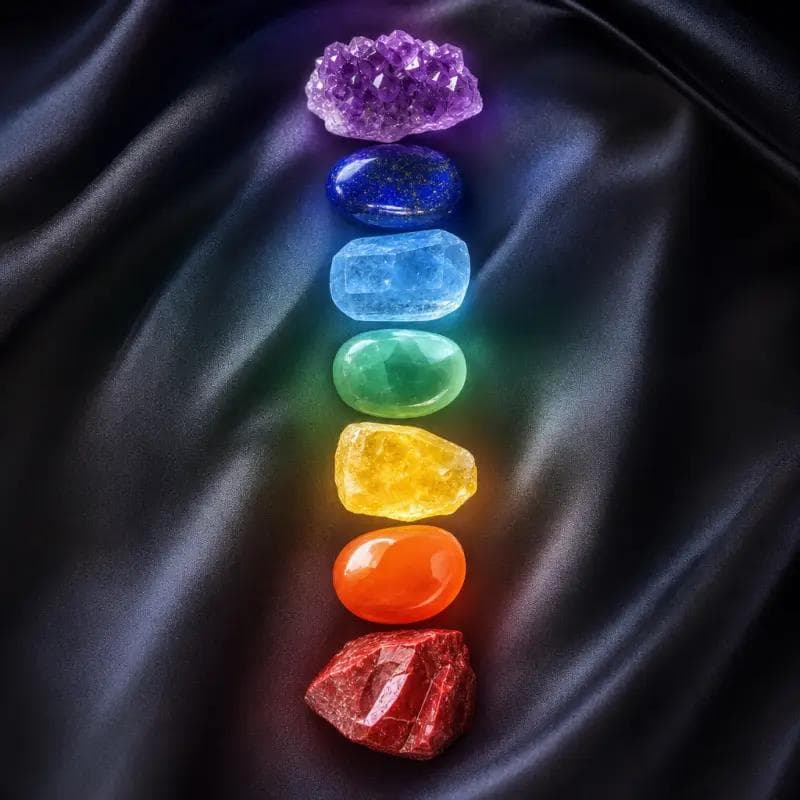
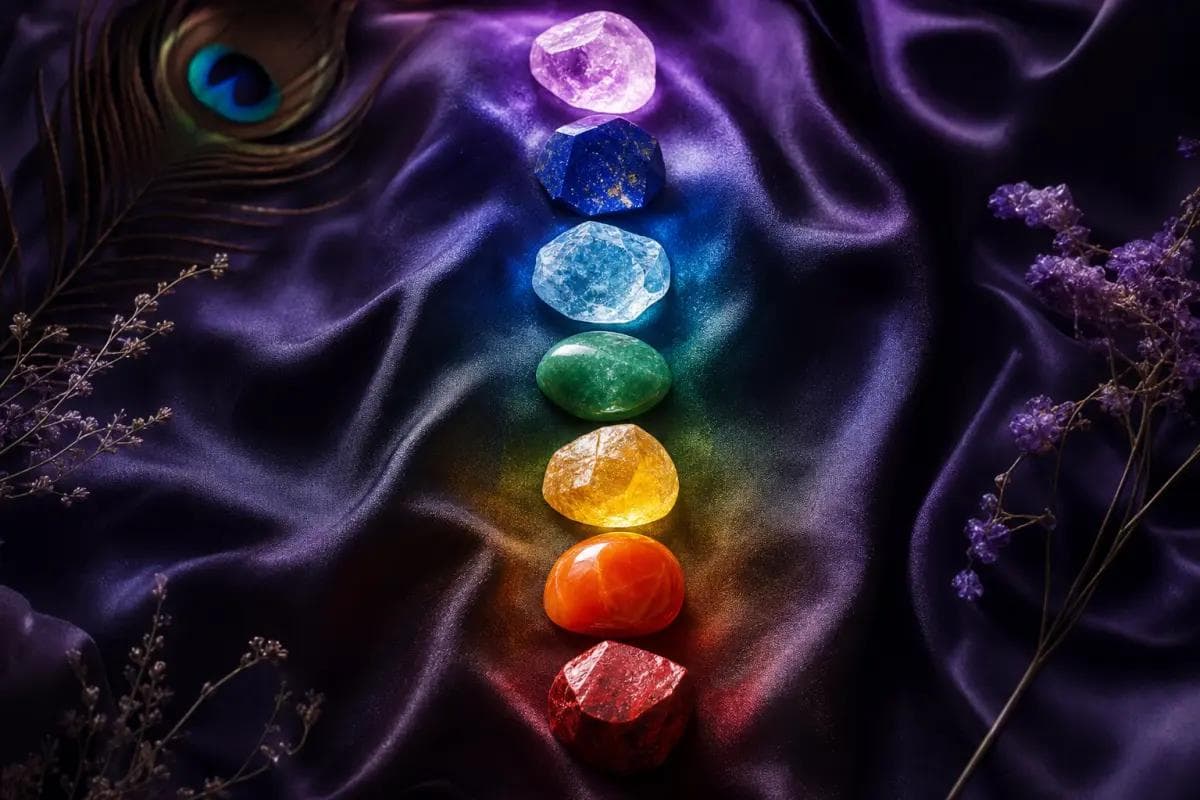
Now that you know which crystals go with which chakras, here is a practical way to bring them all together. A full chakra layout meditation takes about twenty minutes and can be done once a week or whenever you feel called to do deeper energy work. Lie on your back on a comfortable surface. Place one crystal on each chakra in order from root to crown: a Root stone at the base of your spine, a Sacral stone on your lower belly, a Solar Plexus stone just below your ribcage, a Heart stone in the center of your chest, a Throat stone at the base of your throat, a Third Eye stone between your eyebrows, and a Crown stone just above the top of your head.
Once all the stones are in place, close your eyes and breathe slowly. Starting from the root, bring your attention to each chakra in turn. Spend about two minutes at each one, noticing whatever sensations, images, or emotions arise. You do not need to fix anything — just observe. When you reach the crown, imagine energy flowing freely from the base of your spine all the way up and out through the top of your head, then circulating back down again. After a minute or two of feeling that full-body flow, gently remove the stones from top to crown down to root. Sit up slowly and take a moment before going about your day.
You do not need seven different crystals to do this. If you only have one or two stones, use them on whichever chakra feels most in need of attention that day. You can also use Clear Quartz for every position in a pinch — it is versatile enough to adapt to any chakra. The most important thing is consistency. A regular practice, even a simple one, builds a stronger connection between you, your crystals, and your energy centers over time. Trust the process, stay curious, and let your own experience be your best teacher.