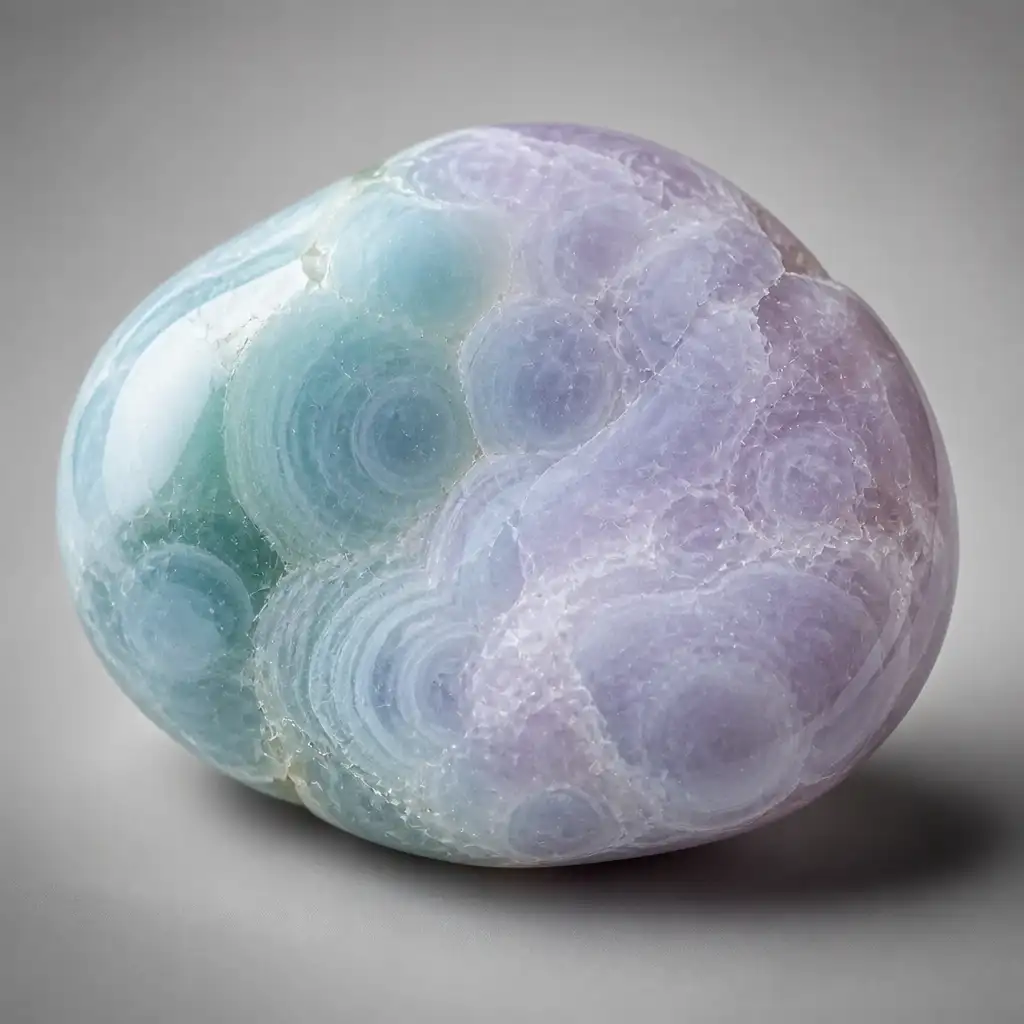
Smithsonite at a Glance
Smithsonite is the stone of gentle renewal — a soft, pastel zinc carbonate mineral that nurtures emotional healing with tender, patient energy — ideal for inner child work, stress relief, and restoring a sense of sweetness to life.
Highly sensitive individuals, those recovering from emotional trauma, people doing inner child work, and anyone who needs gentle rather than intense healing support
“I deserve gentle healing and I allow myself to be nurtured with patience and love.”
Cleanse with moonlight or sage smoke; avoid water and salt; store separately from harder stones to prevent scratching
Smithsonite Quick Answers
What is Smithsonite good for?
Smithsonite is best known for gentle emotional healing, stress relief, and inner child work. Its energy is soft, nurturing, and patient — it does not push or force emotional processing but creates a sense of safety that allows healing to happen naturally. It is particularly recommended for anxiety, emotional trauma recovery, self-love practices, and any situation requiring tenderness rather than intensity.
Is Smithsonite rare?
Smithsonite itself is not extremely rare as a mineral species, but high-quality specimens with attractive color and botryoidal form can be difficult to find and command premium prices. The finest blue and pink material from classic localities like the Kelly Mine in New Mexico and Tsumeb in Namibia is increasingly scarce and sought after by collectors. Facetable transparent material is genuinely rare and expensive.
What is the Meaning & History of Smithsonite?
Core Meaning
The Stone of Gentle Renewal — Smithsonite's core energy is defined by gentleness. Where many stones are valued for their intensity, power, and ability to catalyze rapid change, Smithsonite represents a different approach entirely. Its energy does not push, activate, or accelerate — it soothes, comforts, and allows healing to unfold at whatever pace feels right. This is not weakness or passivity but a different kind of strength: the strength of patience, tenderness, and unconditional positive regard. Smithsonite teaches that not all healing needs to be dramatic or difficult. Sometimes the most transformative thing you can do is create the conditions for healing and then get out of the way.
Historical & Cultural Significance
Smithsonite was named in 1832 by Francois Sulpice Beudant in honor of James Smithson, the British mineralogist and chemist whose bequest founded the Smithsonian Institution in Washington, D.C. Smithson himself had identified the mineral as a distinct species of zinc carbonate in 1802, distinguishing it from the similar-looking hemimorphite with which it was often confused. For much of its history, Smithsonite was primarily valued as a zinc ore mineral, and it was not until the 20th century that fine mineral specimens began to be appreciated for their aesthetic and collectible qualities. The mineral played an important role in the early understanding of carbonate mineralogy and crystal chemistry.
Symbolism
- ✦Gentle healing — the softest approach to emotional renewal and recovery
- ✦Inner child nurturing — reconnects with the vulnerable, authentic self that existed before emotional wounding
- ✦Sweetness and tenderness — restores a sense of life's goodness after periods of hardship
- ✦Emotional safety — creates a protective cocoon for sensitive emotional work
- ✦Patience and trust — reminds us that healing does not need to be rushed
- ✦Water element wisdom — teaches the power of flow, adaptation, and gentle persistence
Folklore & Legends
Smithsonite is a relatively recent addition to the crystal healing canon and does not carry the ancient folklore of stones like emerald or lapis lazuli. However, the indigenous peoples of the American Southwest, where significant Smithsonite deposits occur, have long valued zinc-bearing minerals for their connection to the earth's nourishing qualities. The Navajo and other Southwestern tribes associate pale blue and green stones with water and sky, both precious and life-giving in the arid desert landscape. In modern practice, Smithsonite has built a reputation as one of the most emotionally supportive stones available, sometimes called the "stone of sweetness" for its ability to restore a sense of life's beauty and goodness after periods of emotional difficulty.
Geological Profile
Formation Process
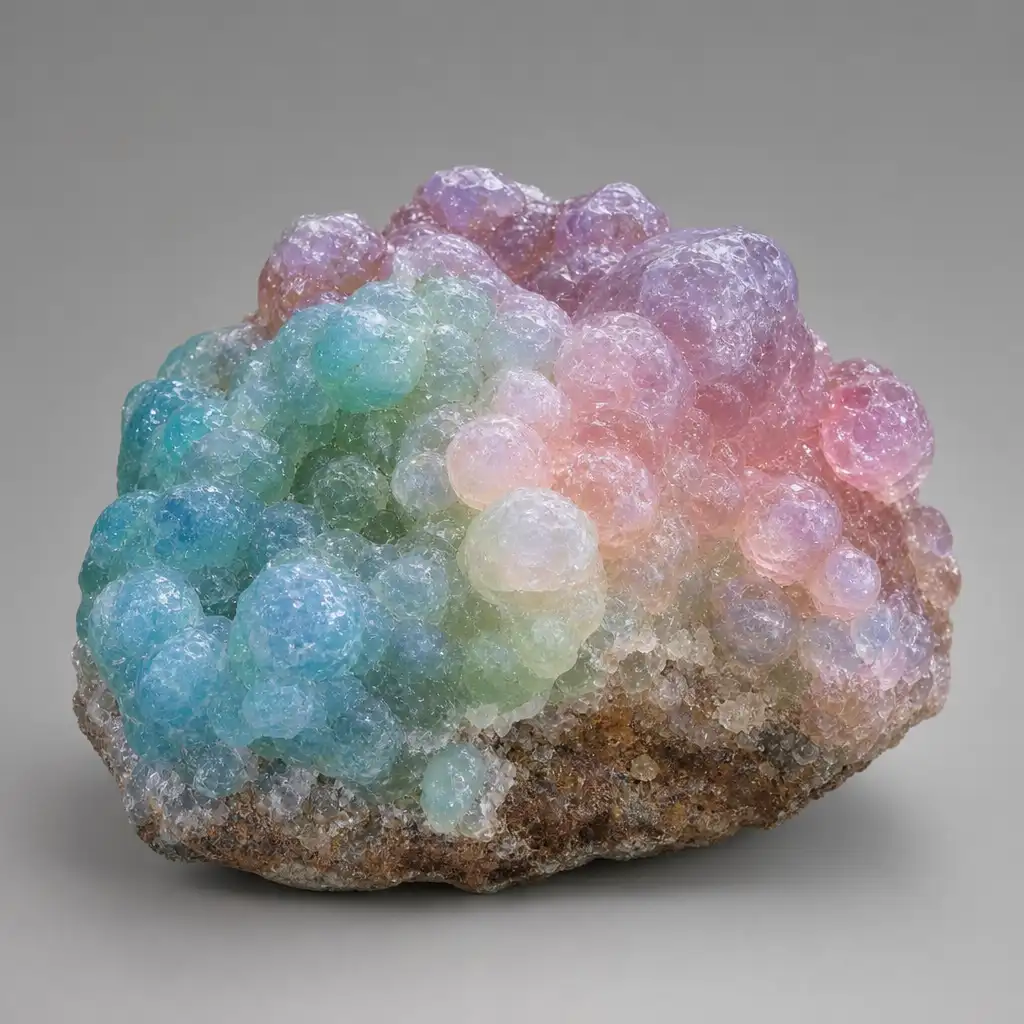
Smithsonite forms as a secondary mineral in the oxidation zone of zinc ore deposits, where zinc-bearing primary minerals like sphalerite (zinc sulfide) are weathered by carbon dioxide-rich surface waters. The chemical reaction produces zinc carbonate, which precipitates out of solution as Smithsonite. This process typically occurs in arid to semi-arid climates where the water table is low enough to keep the oxidation zone well-developed. Smithsonite commonly occurs in botryoidal, massive, or rarely crystalline habits, with the botryoidal form being the most distinctive and sought after by collectors. The various colors result from trace element impurities: copper produces blue and green, cobalt produces pink, and cadmium can produce yellow.
Varieties
Blue Smithsonite (Bonamite)
The most sought-after color variety, displaying soft sky-blue to turquoise-blue hues caused by trace copper content. High-quality blue botryoidal specimens from the Kelly Mine in New Mexico and Tsumeb, Namibia are considered among the finest mineral specimens in the world.
Pink Smithsonite
A delicate pink to rose-colored variety caused by trace cobalt content. Pink Smithsonite from Mexico and Greece is particularly prized for its warm, gentle coloration and is the variety most commonly associated with self-love and emotional healing in crystal practice.
Green Smithsonite
A yellow-green to emerald-green variety caused by copper impurities in different concentrations than the blue form. Greek deposits are known for producing attractive green botryoidal specimens with a distinctive silky luster.
Notable Origins
USA (New Mexico — Kelly Mine)
The Kelly Mine near Magdalena, New Mexico is one of the world's most famous Smithsonite localities, producing stunning blue and blue-green botryoidal specimens with smooth, rolling surfaces and vivid coloration. The mine is now largely exhausted, making Kelly Mine specimens increasingly valuable to collectors.
Namibia (Tsumeb Mine)
The Tsumeb Mine in Namibia produced some of the finest Smithsonite specimens ever found, including spectacular blue, green, and pink botryoidal material with exceptional luster and color saturation. Tsumeb is considered one of the world's greatest mineral localities overall, and its Smithsonite specimens are among its most prized products.
Mexico (Chihuahua and Durango)
Mexican deposits produce attractive pink and lavender Smithsonite, often in botryoidal form with a distinctive pearly luster. The pink material from Mexico is particularly valued in crystal healing for its association with self-love and emotional nurturing.
Mineral data verified via Mindat.org
Physical Properties
| Hardness | 4.25 on the Mohs scale |
| Chemical Formula | ZnCO₃ |
| Crystal System | Trigonal |
| Primary Color | Blue/Green/Pink/Lavender |
| Origin | USA, Mexico, Greece, Namibia, Australia, Spain |
| Transparency | Translucent to opaque (transparent crystals are rare) |
| Luster | Vitreous to pearly, silky in fibrous varieties |
| Specific Gravity | 4.30-4.45 (notably heavy for a non-metallic mineral) |
What Are the Healing Properties of Smithsonite?
Emotional & Mental Well-being
Smithsonite ranks among the gentlest and most effective emotional healing stones in the crystal kingdom.
- ◆Its energy does not force emotional processing or push suppressed feelings to the surface prematurely.
- ◆Instead, it creates an environment of such tenderness and safety that emotional wounds can heal at their own pace, in their own way.
- ◆Crystal practitioners frequently recommend Smithsonite for anxiety and stress, where its calming energy helps quiet racing thoughts and settle the nervous system.
- ◆It excels at inner child work, where it helps reconnect with the vulnerable, authentic self that existed before emotional wounding, and for self-love practices, where it encourages treating yourself with the same kindness you would offer a loved one.
Spiritual Properties
Spiritually, Smithsonite supports the development of compassion, empathy, and emotional wisdom.
- ◆Its Heart and Throat Chakra activation encourages expressing feelings honestly but gently — speaking your truth without weaponizing it.
- ◆The stone's water element nature teaches the spiritual lesson of flow and acceptance, reminding practitioners that resistance to emotional experience often creates more suffering than the experience itself.
- ◆Smithsonite is valued for meditation practices focused on self-acceptance, forgiveness, and releasing the need to control emotional outcomes.
Physical Healing Traditions
In traditional crystal healing, Smithsonite is associated with supporting the immune system, the nervous system, and the glandular system, particularly the sinuses and throat.
- ◆Its zinc carbonate composition has led some practitioners to associate it with zinc-related metabolic processes in the body, though this connection is based on metaphysical correspondences rather than clinical evidence.
- ◆The stone's calming energy is also linked to supporting healthy sleep patterns and the body's stress response mechanisms.
- ◆Rooted in folk healing tradition, not clinical research.
- ◆See a healthcare professional for medical concerns.
Note: These properties are based on metaphysical traditions and are not a substitute for medical advice.
What Science Says
Smithsonite is a well-characterized zinc carbonate mineral that has been studied extensively in mineralogical literature.
- ◆Its crystal structure, chemical composition, and formation conditions are thoroughly documented.
- ◆The mineral's various colors are well understood as resulting from trace element substitutions: copper for blue and green, cobalt for pink, and cadmium for yellow.
- ◆The botryoidal habit is a well-documented crystal growth pattern that occurs when mineral precipitation outpaces crystal face development.
- ◆As with all crystals, the metaphysical properties attributed to Smithsonite come from crystal healing tradition and lack controlled scientific validation.
Which Chakras Does Smithsonite Connect To?
Which Zodiac Signs Match Smithsonite?
Pisces
recommended
Resonates deeply with Pisces's sensitive, compassionate nature and supports their need for gentle emotional boundaries and self-care
Libra
recommended
Supports Libra's desire for harmony and peace with gentle, heart-centered energy that soothes the emotional turbulence they often absorb from others
How Do You Use Smithsonite?
Meditation
Place Smithsonite over your Heart Chakra and allow its gentle energy to envelop you without trying to direct or control the experience. For stress relief meditation, hold a piece in each hand and breathe slowly, imagining its soft pastel light wrapping around you like a warm, protective cocoon. For inner child work, cradle the stone in both hands against your chest while visualizing yourself as a child being held and comforted. Smithsonite meditation is best done in a quiet, comfortable space with no time pressure.
Daily Wear
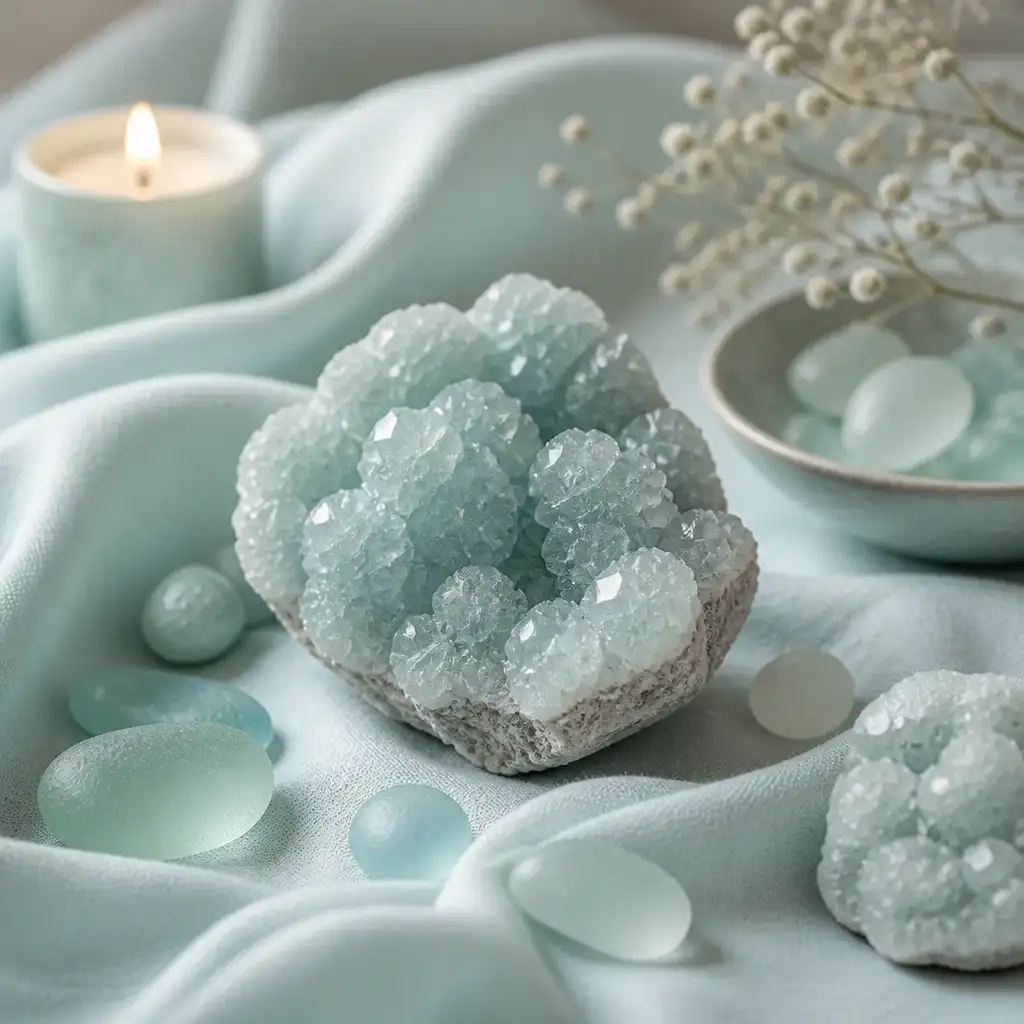
Wear Smithsonite as a pendant over the heart to keep its nurturing energy close throughout the day. Because of its relative softness (4-4.5 Mohs), it is better suited for pendants and earrings than rings, which are more exposed to impacts and abrasion. For those dealing with ongoing anxiety or stress, carrying a tumbled Smithsonite in a pocket or pouch provides a tactile anchor — its smooth, botryoidal surface is naturally soothing to touch.
Home Placement
Place Smithsonite in your bedroom to promote peaceful sleep and emotional processing during rest. In a meditation space or healing room, it creates an atmosphere of safety and gentleness. For Feng Shui, place it in the southwest area (love and relationships) or the west area (creativity and children) to enhance its gentle, nurturing energy. Keep it away from high-traffic areas where it could be accidentally knocked or scratched.
Crystal Grids
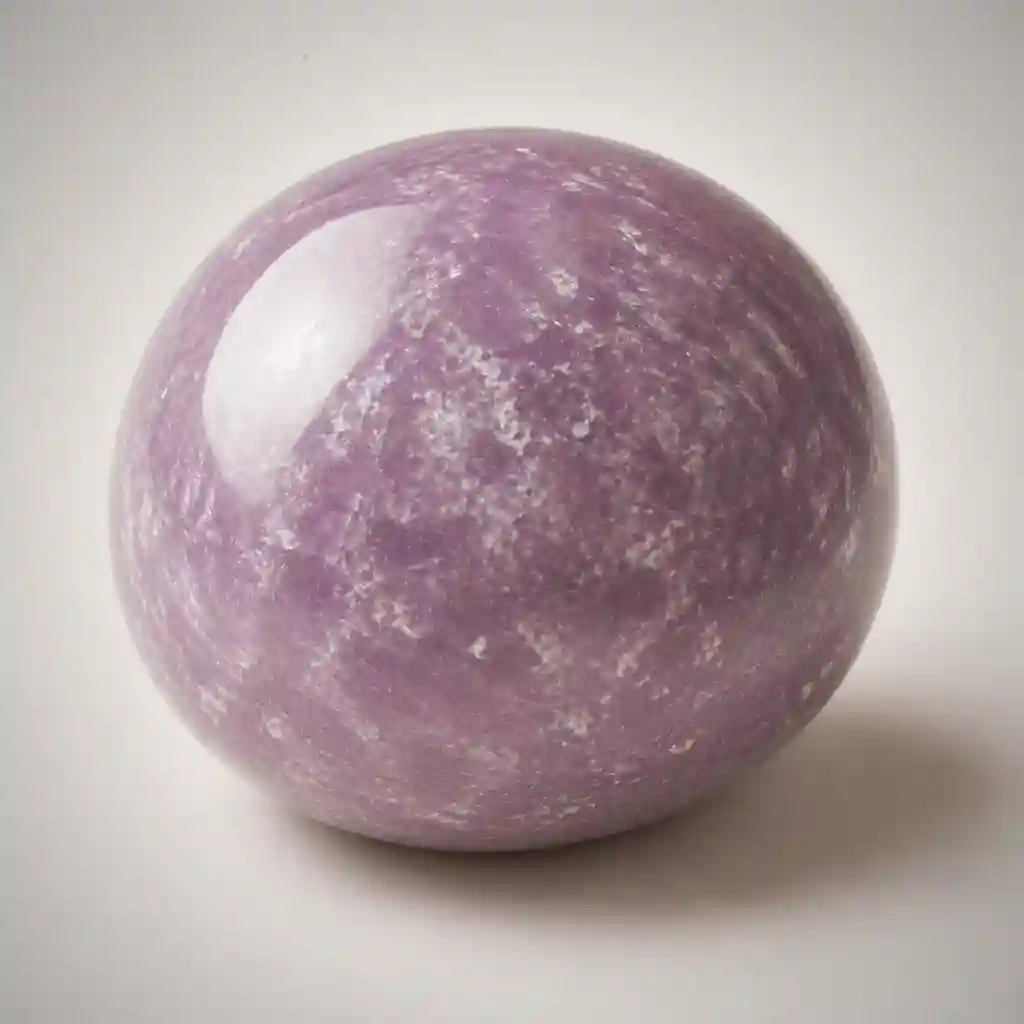
Use Smithsonite in emotional healing grids as the Heart Chakra stone, surrounded by other gentle crystals like Rose Quartz, Celestite, and Lepidolite. For inner child healing grids, place it in the center with Rhodochrosite and Morganite to create a deeply nurturing energy field. Avoid combining Smithsonite in grids with very intense or activating stones, as the contrast in energies can feel jarring rather than complementary.
How Do You Cleanse & Charge Smithsonite?
Moonlight Bathing
RecommendedSmudging
RecommendedSound Healing
RecommendedSelenite Charging
RecommendedMoon Phase Charging: Smithsonite responds beautifully to moonlight charging, which aligns with its water element nature and gentle energy. Place it in direct moonlight during the full moon for an overnight cleanse and recharge. The gentle, feminine energy of moonlight is a perfect match for Smithsonite's own vibration. The waning moon phase can be used when the intention is release and letting go of emotional burdens.
Avoid the following:
- ✗Water soaking — prolonged water exposure can damage the surface of this relatively soft carbonate mineral
- ✗Salt water or salt beds — salt is abrasive and can scratch the surface; salt water may also slowly dissolve the carbonate
- ✗Ultrasonic cleaners — the vibrations may damage botryoidal surface structures
- ✗Steam cleaning or hot water — heat can affect the mineral and thermal shock may cause cracking
- ✗Chemical cleaners — acidic cleaners will dissolve carbonate minerals
What Crystals Pair Well with Smithsonite?
Best Combinations
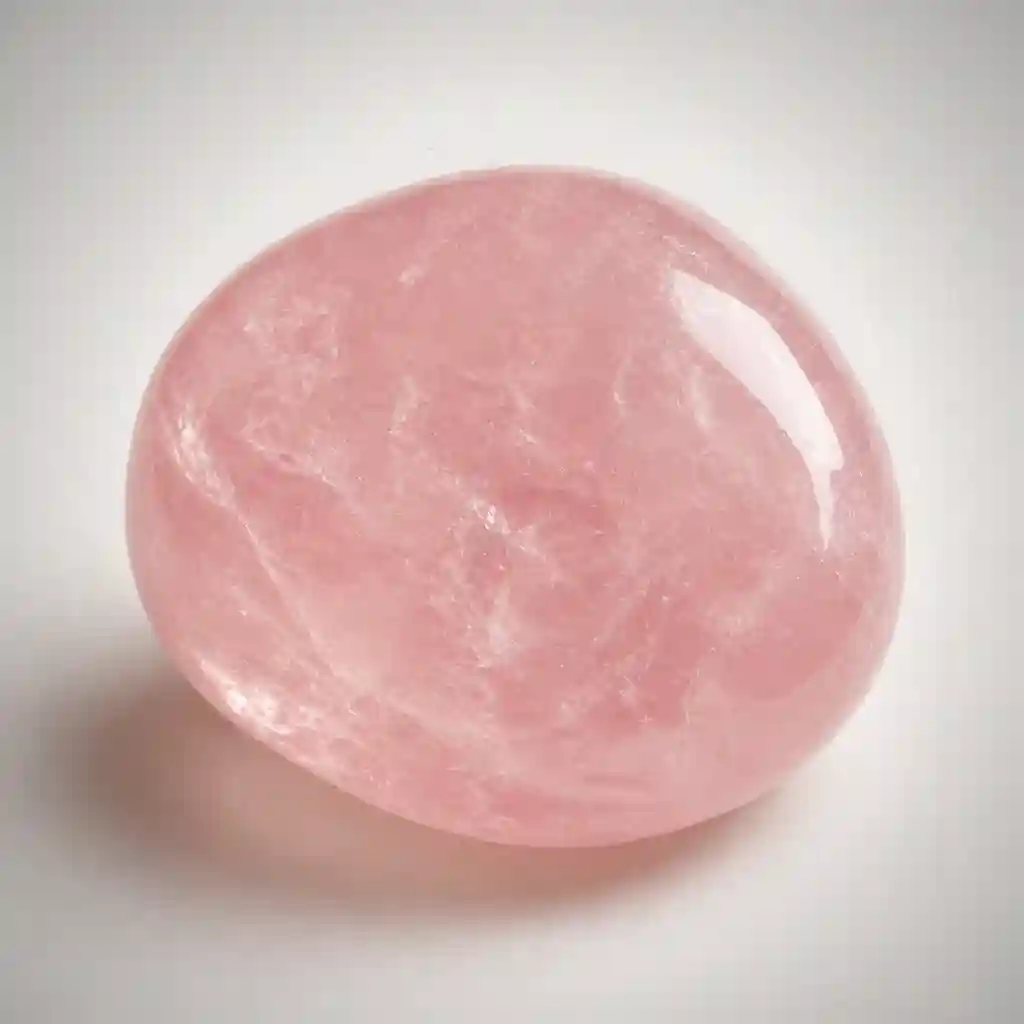
Rose Quartz
Rose Quartz and Smithsonite create an exceptionally gentle, nurturing combination for self-love and emotional healing work. Together they provide unconditional love energy in its softest, most supportive form.
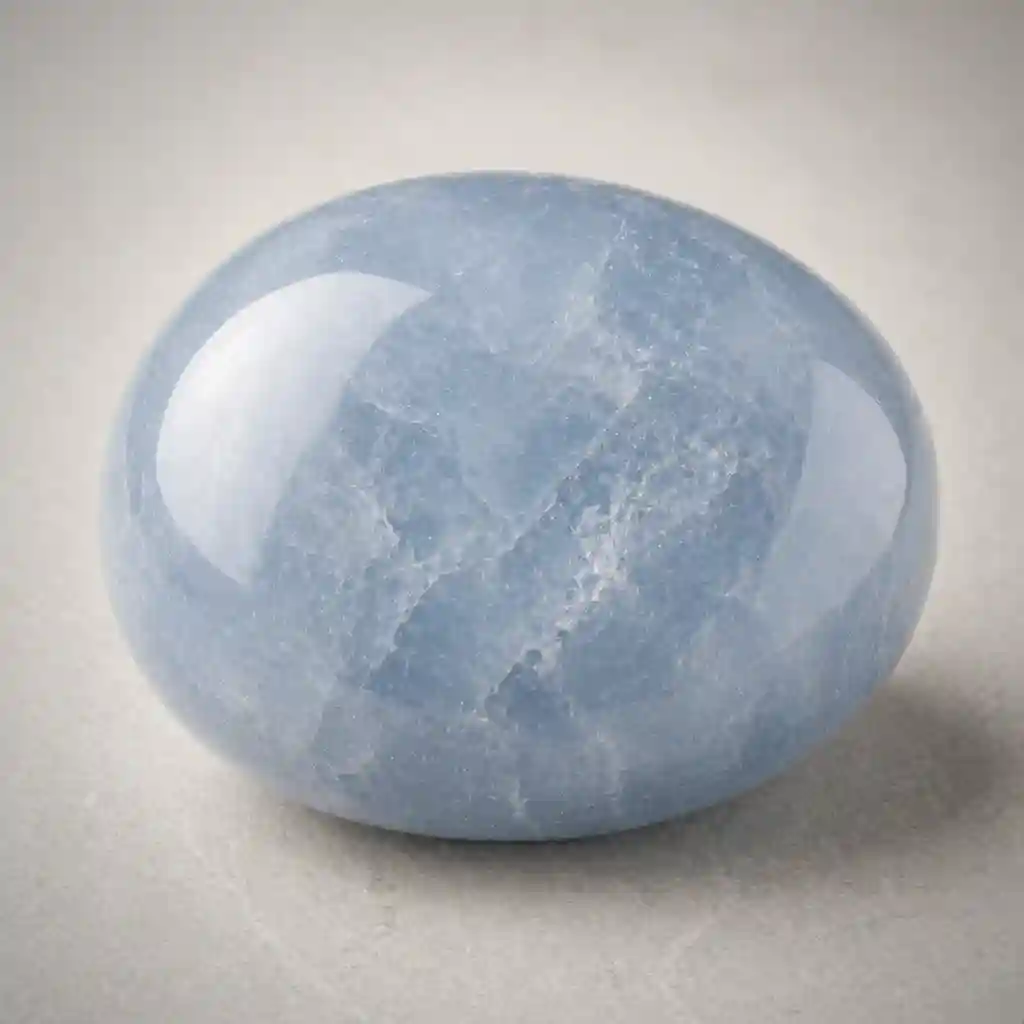
Celestite
Celestite's angelic, peaceful energy harmonizes perfectly with Smithsonite's gentle healing vibration, creating a deeply calming combination ideal for stress relief and sleep support.
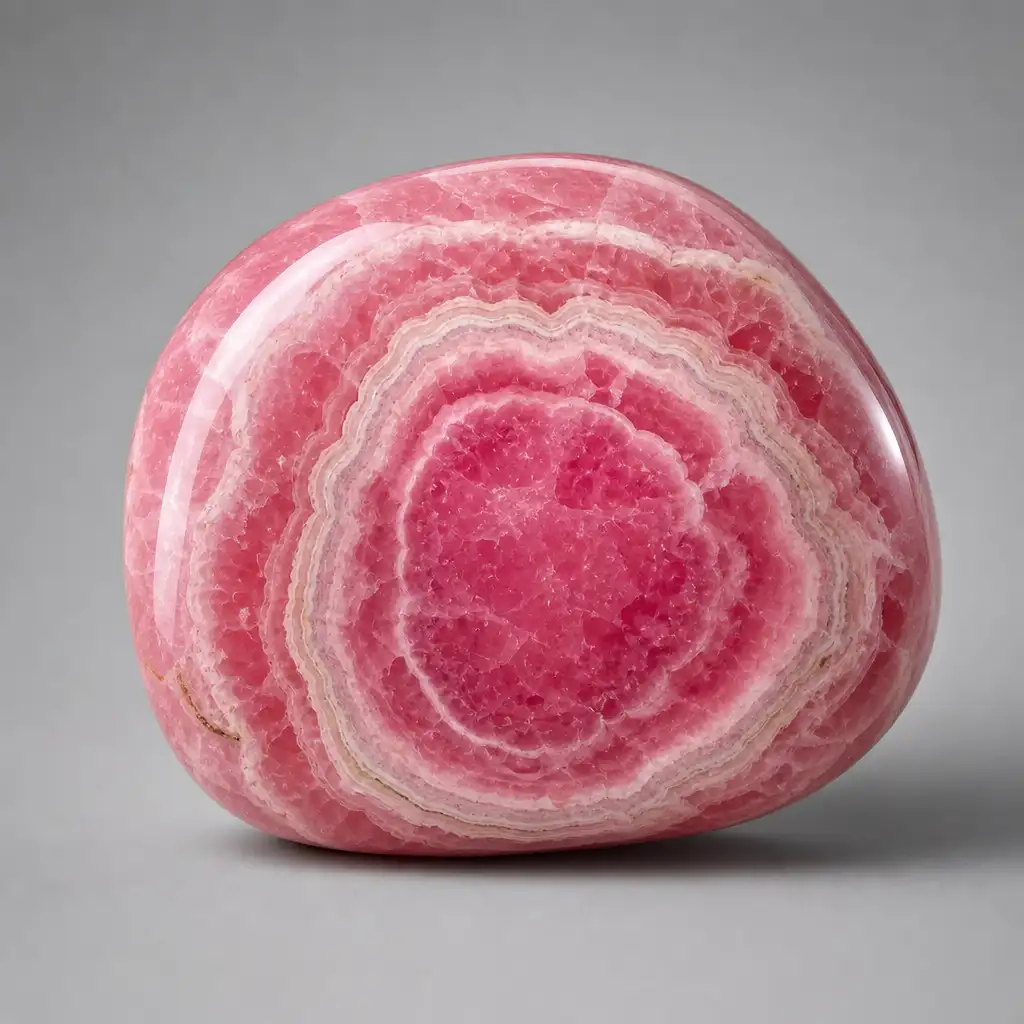
Rhodochrosite
Rhodochrosite shares Smithsonite's heart-centered healing focus and pink coloration, amplifying inner child work and the reclaiming of joy and emotional wholeness.
Combinations to Approach with Caution
If You Like Smithsonite, Also Try
How Can You Tell if Smithsonite is Real or Fake?
Common Imitations
Identification Tests
1.Specific Gravity Test
Compare the weight of the specimen to a similar-sized piece of quartz or another common mineral. Heft testing can be supplemented with hydrostatic weighing.
Smithsonite has a notably high specific gravity of 4.30-4.45, making it feel surprisingly heavy for its size. This is significantly heavier than quartz (2.65), chalcedony (2.58-2.64), howlite (2.45-2.58), and dolomite (2.85). If a supposed Smithsonite specimen feels light or average for its size, it is likely a different mineral.
2.Effervescence Test
Place a tiny drop of dilute hydrochloric acid (or white vinegar for a gentler test) on an inconspicuous area of the specimen.
Smithsonite is a carbonate mineral and will effervesce (bubble) in contact with weak acid, though more slowly than calcite. Non-carbonate imitations like dyed chalcedony, howlite, or resin will not react. This test should be performed on an inconspicuous area and the specimen rinsed afterward.
3.Hardness Test
Attempt to scratch the specimen with a copper coin (hardness ~3) and test if it can scratch a piece of calcite (hardness 3).
Smithsonite has a hardness of 4-4.5, meaning a copper coin cannot scratch it but it cannot scratch glass. Chalcedony imitations (hardness 6-7) will be significantly harder, while dyed calcite imitations (hardness 3) will be softer. This can help distinguish Smithsonite from common substitutes.
Price Reference
Small
$10-35
Medium
$35-120
Large
$120-500+
Prices vary significantly by color and quality. Fine blue botryoidal specimens from classic localities like the Kelly Mine or Tsumeb command premium prices and have been steadily increasing as deposits are depleted. Pink material from Mexico is moderately priced. Common green and yellow varieties are the most affordable. Exceptional display specimens can reach several thousand dollars.
Is Smithsonite Safe? Care & Precautions
Toxicity Warning
Smithsonite is a zinc carbonate mineral and while it is generally safe for handling and display, ingesting zinc carbonate in significant quantities can be harmful. Do not use Smithsonite in elixirs or crystal-infused water intended for consumption. Wash hands after handling rough or powdered material.
Storage
Store Smithsonite separately from harder minerals to prevent scratching. With a hardness of only 4-4.5, it can be scratched by most common minerals including quartz, feldspar, and even steel. Wrap specimens in soft cloth or keep in individual padded containers. Handle botryoidal specimens carefully — the rounded surfaces can be damaged by impacts.
Special Warnings
- ⚠Do not use Smithsonite in crystal elixirs or gem water — zinc carbonate is not safe for ingestion
- ⚠Wash hands after handling rough or unpolished Smithsonite specimens
- ⚠Keep away from acidic substances which can slowly dissolve the carbonate mineral
What is Smithsonite Best For?
Smithsonite FAQ — Common Questions Answered
What is Smithsonite good for?+
Smithsonite is best known for gentle emotional healing, stress relief, and inner child work. Its energy is soft, nurturing, and patient — it does not push or force emotional processing but creates a sense of safety that allows healing to happen naturally. It is particularly recommended for anxiety, emotional trauma recovery, self-love practices, and any situation requiring tenderness rather than intensity.
Is Smithsonite rare?+
Smithsonite itself is not extremely rare as a mineral species, but high-quality specimens with attractive color and botryoidal form can be difficult to find and command premium prices. The finest blue and pink material from classic localities like the Kelly Mine in New Mexico and Tsumeb in Namibia is increasingly scarce and sought after by collectors. Facetable transparent material is genuinely rare and expensive.
Can Smithsonite get wet?+
Smithsonite should not be submerged in water for extended periods. With a hardness of only 4-4.5 on the Mohs scale, it is relatively soft and can be damaged by prolonged water exposure, particularly warm or acidic water which may slowly dissolve the carbonate mineral. Brief rinsing under cool running water is generally acceptable, but other cleansing methods like moonlight, smudging, or sound healing are preferred.
What does botryoidal mean?+
Botryoidal refers to a crystal habit where the mineral forms in rounded, spherical, or grape-like shapes. Smithsonite is one of the finest examples of botryoidal mineral formation, displaying smooth, interlocking mounds that create a distinctive rolling surface texture. The word comes from the Greek "botrys" meaning "bunch of grapes." This habit forms when mineral layers accumulate rapidly on a surface, building up in spherical formations rather than developing distinct crystal faces.
How does Smithsonite help with inner child work?+
Smithsonite's gentle, nurturing energy creates an emotional environment of safety and tenderness that is particularly conducive to inner child work. When exploring childhood memories or wounds, the psyche needs to feel safe and supported, and Smithsonite provides that quality in abundance. Its energy has been described as feeling like a loving parental presence — warm, accepting, and unconditionally supportive. Crystal practitioners recommend holding it during inner child meditations, journaling sessions, or any therapeutic work involving early emotional experiences.
Was this helpful?