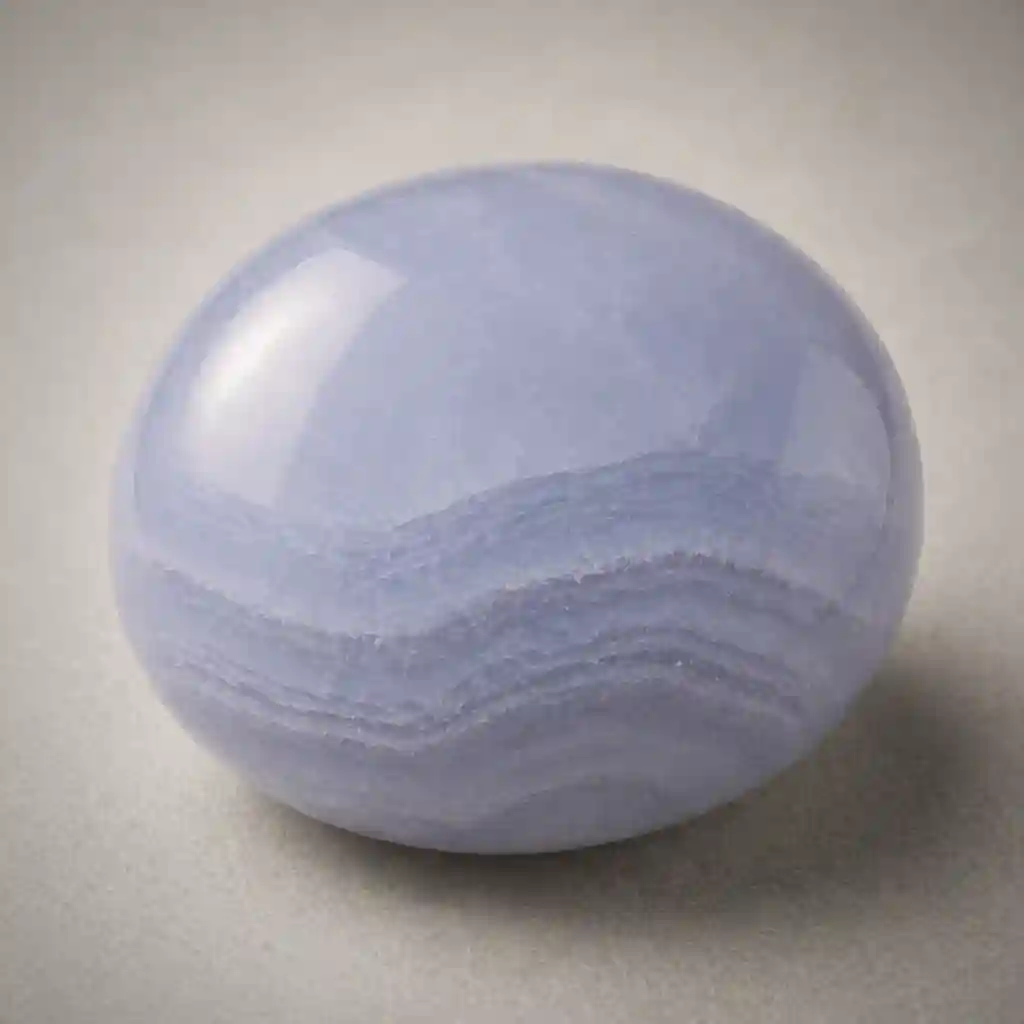
Blue Chalcedony at a Glance
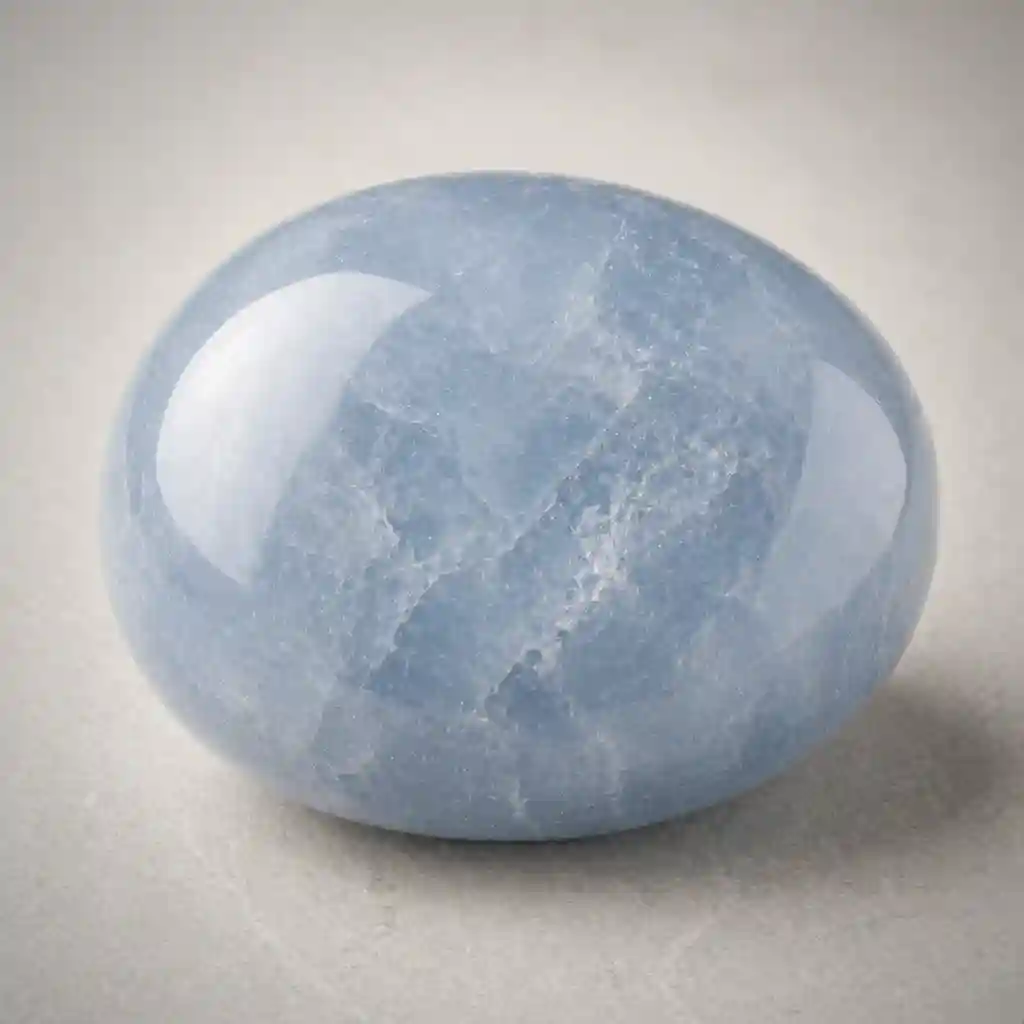
Blue Chalcedony is a soft blue quartz that supports gentle, diplomatic communication and absorbs negative energy.
Public speakers, teachers, performers, people working through communication anxiety, and sensitive individuals who prefer subtle energy
“I speak with kindness and clarity. What I need to say can wait until I am ready.”
Rinse under cool running water; charge under moonlight overnight; smudge with sage or palo santo
Blue Chalcedony Quick Answers
What is Blue Chalcedony good for?
Its main reputation is for gentle, diplomatic communication. It absorbs negative energy, eases stage fright, and supports emotional harmony. It is a good choice for anyone who wants to communicate honestly without being harsh. Sensitive people tend to like it because the energy is subtle rather than overwhelming.
How does Blue Chalcedony differ from Blue Lace Agate?
Blue Lace Agate is actually a variety of Blue Chalcedony with distinctive white and blue banding. They have very similar energy: both promote gentle communication and emotional balance. The main difference is the look. Blue Lace Agate has the lace-like banding; plain Blue Chalcedony is more uniform. Practically speaking, you can use them interchangeably.
What is the Meaning & History of Blue Chalcedony?
Core Meaning
The Stone of Gentle Communication and Emotional Harmony — Blue Chalcedony works the way calm water works: quietly, gradually, and effectively. It is a Throat Chakra stone, but unlike more assertive blue stones that push you to speak up, Blue Chalcedony helps you find the right words and the right tone. It absorbs negative energy and dissipates it rather than passing it along, which is why practitioners recommend it for preventing arguments from escalating. The energy is gradual. You will not feel it hit you all at once. But over time, it builds emotional resilience and makes communication feel less fraught.
Historical & Cultural Significance
Ancient Mediterranean civilizations used Blue Chalcedony for seal stones, cameos, and intaglios, valuing its smooth waxy luster and polishability. The name "chalcedony" comes from Chalcedon, an ancient Greek town in Asia Minor (modern-day Kadikoy, Istanbul). Roman orators wore it to enhance their persuasive speech. Native American tribes of the Northwest used chalcedony for tools and ceremonial objects. In Victorian times, it appeared in carved cameos and mourning jewelry, valued for its somber but comforting blue tones.
Symbolism
- ✦Calm waters: steady, quiet, patient energy
- ✦Diplomacy: saying what needs to be said without causing damage
- ✦Emotional absorption: taking in negativity and neutralizing it
- ✦Creative flow: the ease that comes when you stop second-guessing yourself
- ✦Nurturing communication: holding space with warmth and patience
Folklore & Legends
Sailors carried Blue Chalcedony as protection against drowning and shipwreck. Some European traditions said it prevented nightmares when placed under the pillow. In ancient Greece, people believed it could protect against enchantment and spells cast through malicious speech. Certain Native American traditions associate blue stones with the sky realm and use them in ceremonies to encourage peaceful communication between groups.
Geological Profile
Formation Process
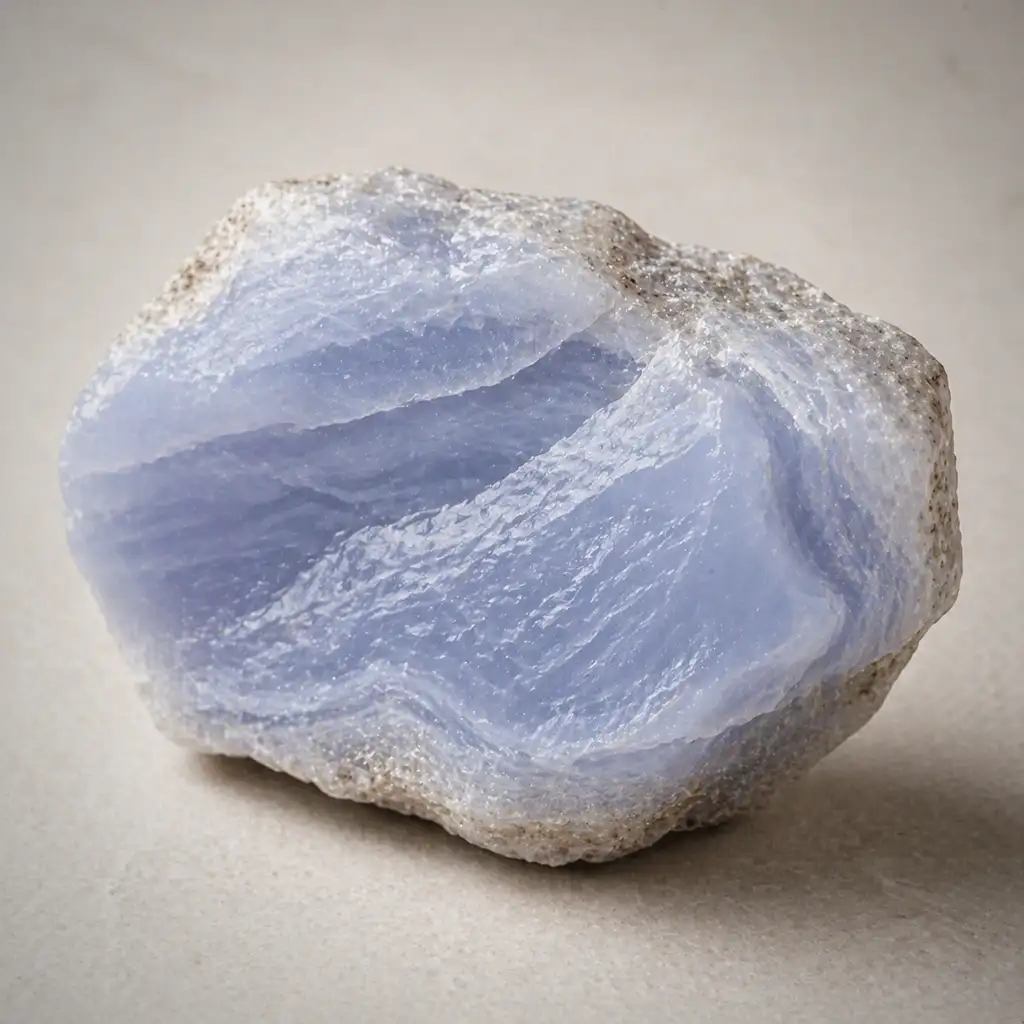
Blue Chalcedony is a microcrystalline variety of quartz (SiO2) that forms in volcanic and sedimentary environments. Silica-rich fluids deposit microscopic quartz crystals in cavities, fractures, and geodes. The pale blue color comes from trace titanium or other mineral inclusions in the fine-grained silica matrix. Because the crystals are too small to see individually, chalcedony has a smooth, waxy appearance rather than the visible crystal structure of macrocrystalline quartz. It often forms in botryoidal (grape-like) or massive habits as vein fillings or cavity linings in volcanic rock.
Varieties
Blue Lace Agate
A banded variety of Blue Chalcedony with distinctive white and pale blue lace-like patterns. Technically a form of agate (banded chalcedony). The most popular variety for metaphysical use.
Holly Blue Chalcedony
A deeper blue-violet variety from Oregon, named for Holly Mine. Sometimes called Oregon Blue Chalcedony. Known for its richer, more saturated color.
Dendritic Blue Chalcedony
Blue Chalcedony with dark branching dendrite inclusions (usually manganese oxide) that create landscape-like patterns. Each specimen looks different.
Notable Origins
Turkey
One of the world's primary sources of Blue Chalcedony, especially Blue Lace Agate. Turkish specimens show delicate pale blue to lavender coloring with fine banding.
Namibia
Namibian Blue Lace Agate is considered among the finest, with vivid blue banding against white layers. The African material often has more saturated blue than specimens from other sources.
United States (Oregon)
Home of Holly Blue Chalcedony, a deeper blue-violet variety from the western Cascades. Oregon also produces dendritic specimens with landscape-like patterns.
Mineral data verified via Mindat.org
Physical Properties
| Hardness | 7 on the Mohs scale |
| Chemical Formula | SiO₂ |
| Crystal System | Hexagonal (Trigonal) |
| Primary Color | Blue |
| Origin | Turkey, Namibia, United States, Madagascar, Brazil |
| Transparency | Translucent to opaque |
| Luster | Waxy to vitreous |
| Specific Gravity | 2.58-2.64 |
What Are the Healing Properties of Blue Chalcedony?
Emotional & Mental Well-being
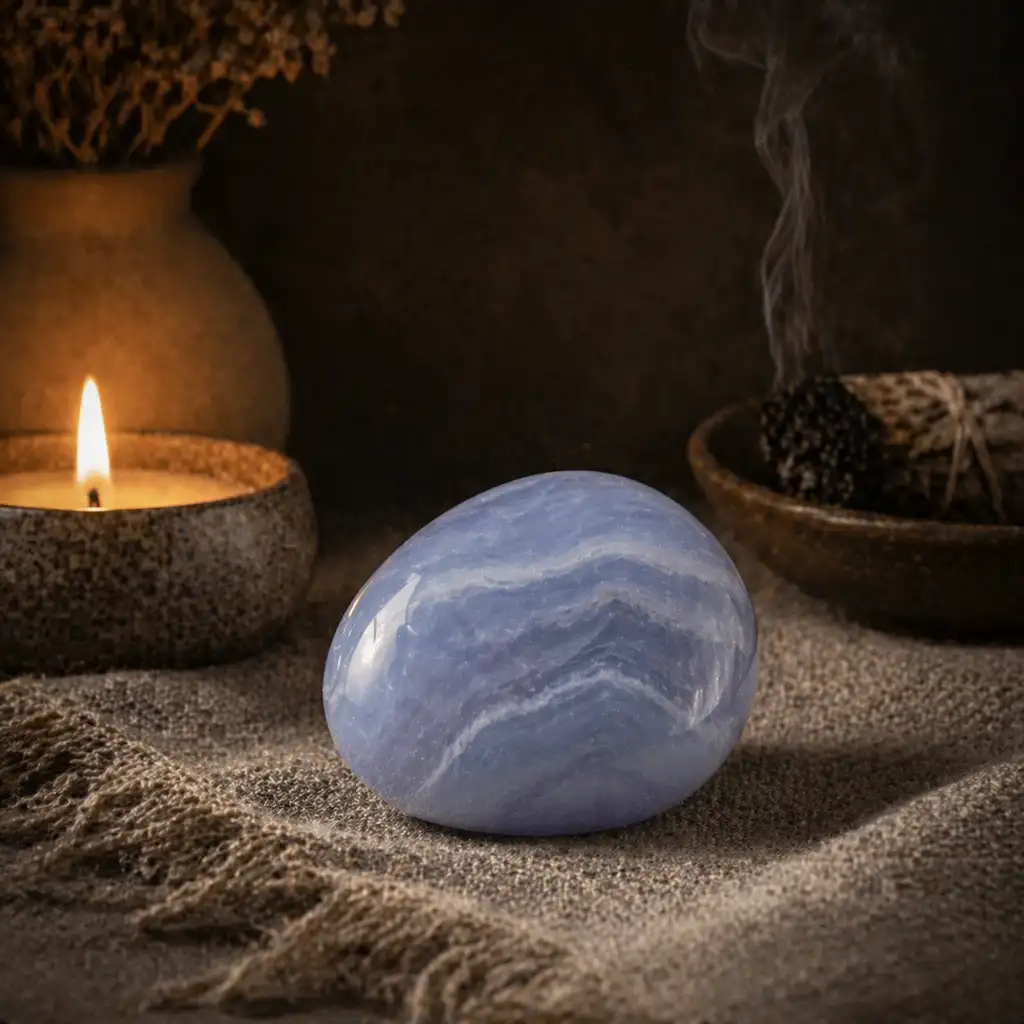
Blue Chalcedony is one of the more effective stones for emotional harmony and gentle self-expression.
- ◆It works by absorbing and neutralizing negative emotional energy (irritation, frustration, fear, self-doubt) before that energy can cycle back into your communication.
- ◆The result is an inner spaciousness that makes it easier to say what you actually mean, kindly.
- ◆Practitioners often recommend it for couples in difficult conversations because it helps both people express needs without blame and listen without defensiveness.
- ◆It is especially useful for people who suppress their feelings to avoid conflict.
- ◆Many crystal workers report that it helps clients who have been criticized or silenced in the past find their voice again, not loudly, but firmly.
Spiritual Properties
Blue Chalcedony activates the Throat Chakra gently, without the intensity of stones like Lapis Lazuli.
- ◆It opens the channel for self-expression while also enhancing receptivity to spiritual guidance and intuitive insight.
- ◆The stone is valued for lucid dreaming and dream interpretation because its calming energy supports the relaxed awareness needed to remember and understand dreams.
- ◆In meditation, it helps develop what some practitioners call "spiritual listening," which is really just the ability to be still and pay attention to what comes through.
Physical Healing Traditions
Traditionally associated with the throat, vocal cords, and respiratory system.
- ◆Crystal healers recommend it for singers and speakers to support vocal health and reduce throat inflammation.
- ◆It is also linked to the lymphatic system and fluid balance, reflecting its water element association.
- ◆Folk medicine used it to support lactation in nursing mothers and to reduce fever.
Note: These properties are based on metaphysical traditions and are not a substitute for medical advice.
What Science Says
Mineralogically, Blue Chalcedony is microcrystalline quartz (SiO2) with trace titanium or other mineral inclusions that produce the pale blue color.
- ◆Its hardness of 6.
- ◆5-7 makes it suitable for daily-wear jewelry.
- ◆The fine-grained, fibrous crystal structure gives it a lower density and different fracture behavior than macrocrystalline quartz.
- ◆The name "chalcedony" has been used for cryptocrystalline quartz minerals since antiquity, and modern mineralogy classifies it as a specific variety within the quartz group.
Which Chakras Does Blue Chalcedony Connect To?
Which Zodiac Signs Match Blue Chalcedony?
How Do You Use Blue Chalcedony?
Meditation
Hold Blue Chalcedony at the base of your throat during meditation. Visualize a soft blue light dissolving tension in the throat area. If you are preparing for a difficult conversation, try 10-15 minutes of this before you speak. For receiving guidance, place the stone on your Third Eye and practice silent awareness instead.
Daily Wear
A pendant near the throat is the classic choice. A ring or bracelet works too, and it gives you something to touch when you need a reminder to speak kindly and listen patiently. The hardness of 7 means it holds up to daily wear in any jewelry form.
Home Placement
Shared living spaces are a good spot for Blue Chalcedony. It absorbs household tension and encourages calmer communication. In a home office, it supports diplomatic professional exchanges. On a bedside table, it promotes peaceful sleep. In Feng Shui, the northeast (knowledge) or northwest (helpful people) sectors are traditional placements.
Crystal Grids
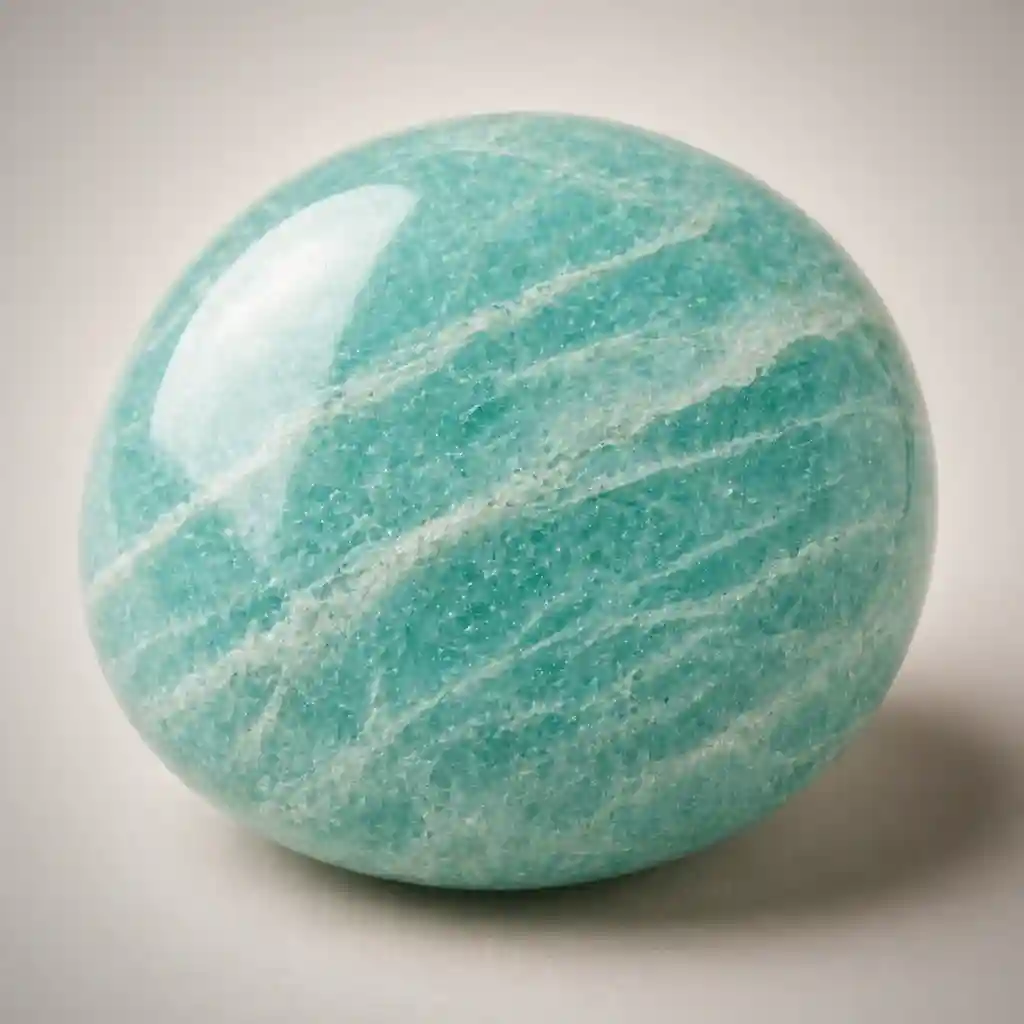
Use it in communication and harmony grids as either a supporting stone or the center piece. Pair with Celestite and Aquamarine for a throat chakra grid, or with Rose Quartz and Amazonite for heart-centered communication work. Its absorbing energy helps other stones in the grid work together smoothly.
How Do You Cleanse & Charge Blue Chalcedony?
Moonlight Bathing
RecommendedRunning Water
RecommendedSmudging
RecommendedSound Healing
RecommendedMoon Phase Charging: Place Blue Chalcedony in direct moonlight overnight during the full moon. For communication-specific intentions, charge it during the waxing moon instead. Sound healing with singing bowls or bells is also effective, since the stone responds well to vibrational cleansing.
Avoid the following:
- ✗Harsh chemical cleaners — ammonia, bleach, and other chemicals are unnecessary and potentially damaging
- ✗Ultrasonic cleaners — generally safe for Blue Chalcedony but avoid if the stone has internal fractures
- ✗Prolonged salt water soaking — salt can be abrasive to polished surfaces
- ✗Steam cleaning — extreme heat differentials can stress some specimens
- ✗Abrasive cleaning cloths — can scratch the waxy surface finish
What Crystals Pair Well with Blue Chalcedony?
Best Combinations
Celestite
Celestite adds its calming, peaceful energy to Blue Chalcedony's gentle communication. Together they create a noticeably settled atmosphere for meditation.
Rose Quartz
Rose Quartz opens the heart while Blue Chalcedony opens the throat. The combination bridges what you feel and what you say, which is useful for speaking from an honest place.
Aquamarine
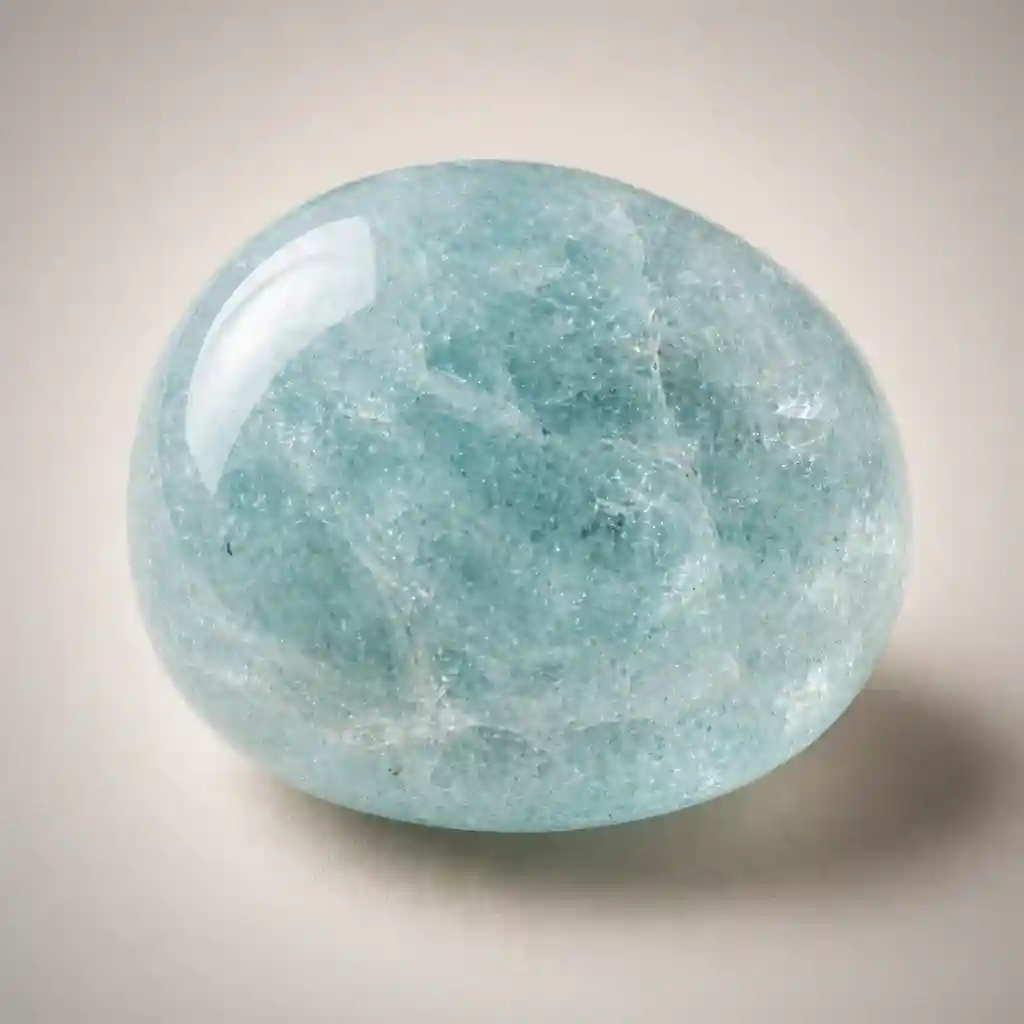
Aquamarine adds courageous clarity to Blue Chalcedony's diplomatic softness. A good pairing when you need to say something difficult and want to say it kindly.
If You Like Blue Chalcedony, Also Try
How Can You Tell if Blue Chalcedony is Real or Fake?
Common Imitations
Identification Tests
1.Hardness Test
Attempt to scratch a piece of glass with the specimen. Blue Chalcedony has a hardness of 6.5-7.
Genuine Blue Chalcedony scratches glass easily. Softer imitations such as dyed howlite (3.5 Mohs), plastic, or resin will not scratch glass.
2.Color Examination
Examine the color under bright natural light, looking for uniformity, depth, and any signs of dye concentration.
Natural Blue Chalcedony has soft, slightly variable pale blue to lavender tones with subtle translucency. Dyed specimens often show unnaturally vivid, uniform blue color with dye concentrations in surface cracks or pores.
3.Waxy Luster Test
Examine the surface luster of the specimen under good lighting, comparing it to known quartz-family stones.
Genuine Blue Chalcedony has a distinctive waxy to vitreous luster that is characteristic of the chalcedony group. Glass imitations have a glossier, more glass-like luster. Plastic replicas appear too shiny or too dull.
Price Reference
Small
$5-15
Medium
$15-40
Large
$30-100
Blue Lace Agate (banded variety) commands a premium, especially high-quality specimens from Namibia. Plain Blue Chalcedony is more affordable. Holly Blue Chalcedony from Oregon is moderately priced due to limited supply.
Is Blue Chalcedony Safe? Care & Precautions
Toxicity Warning
Blue Chalcedony is non-toxic. It is a form of quartz (SiO2) and poses no health risk through normal handling or skin contact. Do not use in direct-consumption gem elixirs without proper preparation.
Storage
Blue Chalcedony is durable (6.5-7 Mohs) and requires no special storage conditions. Store with other quartz-family stones. Some dyed specimens may fade with prolonged sun exposure, but natural Blue Chalcedony is color-stable. Keep separated from stones softer than 5 Mohs to prevent scratching them.
Special Warnings
- ⚠If your Blue Chalcedony was dyed (common in commercial jewelry), prolonged water or sun exposure may cause the dye to fade
What is Blue Chalcedony Best For?
Blue Chalcedony FAQ — Common Questions Answered
What is Blue Chalcedony good for?+
Its main reputation is for gentle, diplomatic communication. It absorbs negative energy, eases stage fright, and supports emotional harmony. It is a good choice for anyone who wants to communicate honestly without being harsh. Sensitive people tend to like it because the energy is subtle rather than overwhelming.
How does Blue Chalcedony differ from Blue Lace Agate?+
Blue Lace Agate is actually a variety of Blue Chalcedony with distinctive white and blue banding. They have very similar energy: both promote gentle communication and emotional balance. The main difference is the look. Blue Lace Agate has the lace-like banding; plain Blue Chalcedony is more uniform. Practically speaking, you can use them interchangeably.
Is Blue Chalcedony good for singers?+
Yes. Its Throat Chakra connection supports vocal clarity and reduces performance anxiety. Many singers keep Blue Chalcedony in their rehearsal space or wear it during performances. Some practitioners also believe it helps the vocal cords physically, reducing inflammation. Combined with proper vocal care, it is a useful supporting tool for anyone who uses their voice professionally.
How does Blue Chalcedony help Cancer through the Throat Chakra?+
Cancers tend to retreat when they are overwhelmed, swallowing feelings to protect themselves and others. Blue Chalcedony works on the Throat Chakra in a gentle way, creating a sense of emotional safety that makes it easier for Cancer to express what they actually feel. It is not about pushing them to open up. It is about making the space feel safe enough that they want to.
Where does Blue Chalcedony come from and how rare is it?+
Found in Turkey, Namibia, the United States, Madagascar, and Brazil. The finest soft blue material often comes from Turkey and Namibia. It is common and affordable in the crystal market. Gem-grade specimens with exceptional translucency and uniform color cost more but are still reasonable compared to many other stones.
Was this helpful?