Chrysocolla at a Glance
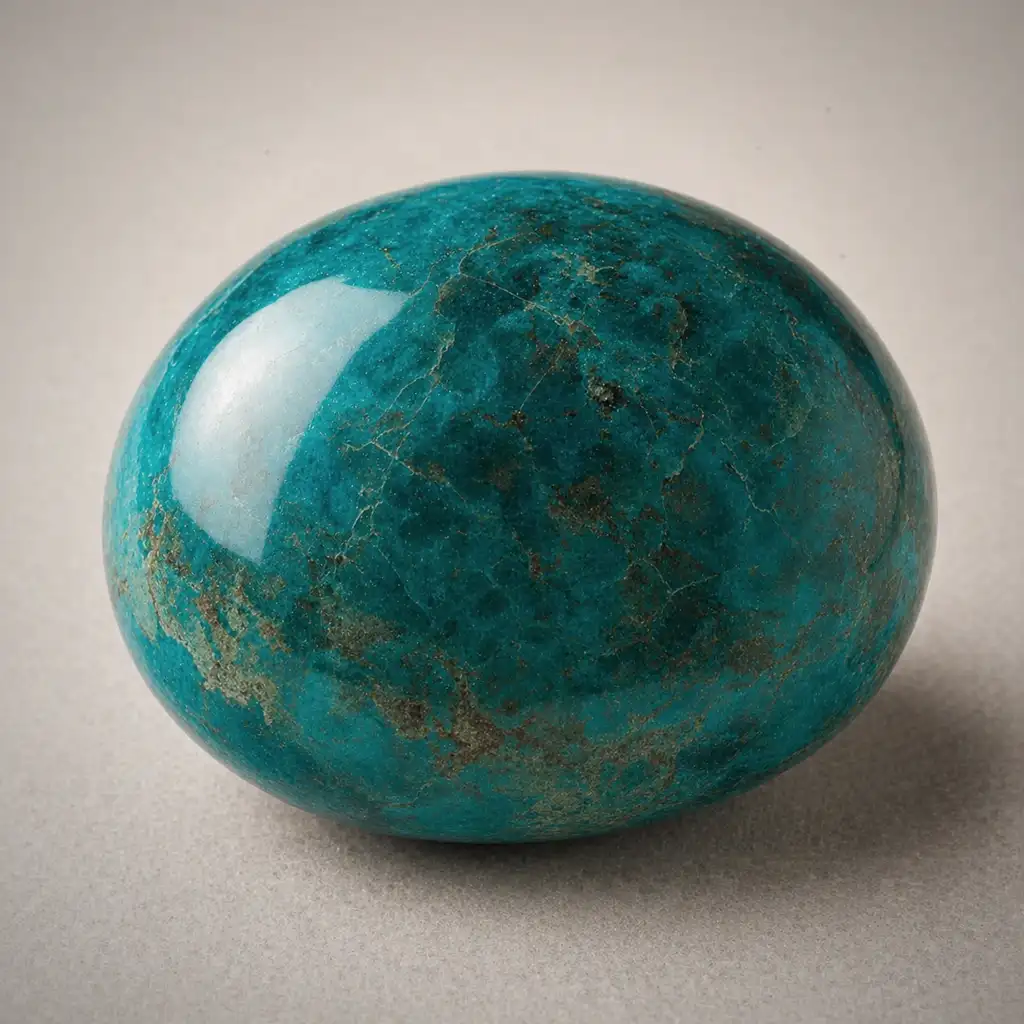
Chrysocolla is a vivid blue-green copper silicate that bridges the heart and the voice, supporting honest communication and feminine energy.
Teachers, counselors, healers, women reconnecting with their own power, and anyone who wants to speak more honestly and kindly
“I say what I mean and I mean what I say. My words come from an honest place.”
Cleanse with moonlight or smudging only — avoid water; handle gently due to softness; store away from harder stones
Chrysocolla Quick Answers
What is Chrysocolla good for?
Communication and feminine energy work. It helps you express feelings honestly and compassionately, supports emotional balance, calms anxiety and mental tension, and encourages creativity. Teachers, counselors, and anyone who wants to communicate with more heart tend to benefit from it.
Can Chrysocolla go in water?
It should not. Chrysocolla is soft (2-4 Mohs) and somewhat porous. Prolonged water exposure damages the surface and can leach copper from the mineral. Cleanse with moonlight, smudging, or sound instead. If you must rinse it, make it quick and dry it thoroughly right after.
What is the Meaning & History of Chrysocolla?
Core Meaning
The Stone of Empowered Communication and Divine Feminine Wisdom — Chrysocolla does one thing particularly well: it connects what you feel with what you say. The blue-green color looks like water and sky meeting, which is a useful image for understanding how it works. It bridges the Heart and Throat Chakras, helping you speak from an honest place rather than a defensive or performative one. That sounds simple, but it is surprisingly hard to do in practice. Chrysocolla has a feminine quality to its energy that practitioners associate with goddess work and women's wisdom traditions. It is not about being soft in the sense of being passive. It is about having the inner steadiness to say what needs to be said without needing to control the outcome.
Historical & Cultural Significance
The name comes from the Greek "chrysos" (gold) and "kolla" (glue), because it was used as a flux for soldering gold. Theophrastus documented this around 315 BCE. Cleopatra reportedly wore Chrysocolla jewelry. Native American cultures in the southwestern United States and Peru used it in healing ceremonies. During the Renaissance, artists used it as a pigment for blue-green paint. Medieval medicine also employed it for various ailments.
Symbolism
- ✦Feminine wisdom: intuitive knowing that does not need to announce itself
- ✦Honest communication: saying what you mean from the heart
- ✦Water and sky: the bridge between deep feeling and clear expression
- ✦Copper's blue-green: the color the earth produces when copper meets oxygen and water
- ✦Strength through gentleness: the power of not needing to push
Folklore & Legends
In Peruvian tradition, Chrysocolla was considered a gift from Pachamama (Mother Earth), and shamans used it in healing rituals. Some Native American traditions associate blue-green stones with water spirits and use them in rain ceremonies. Ancient Egyptians linked Chrysocolla to the goddess Isis and believed it promoted wisdom in leadership. Medieval European alchemists associated it with the element of water and used it in rituals involving emotional transformation.
Geological Profile
Formation Process
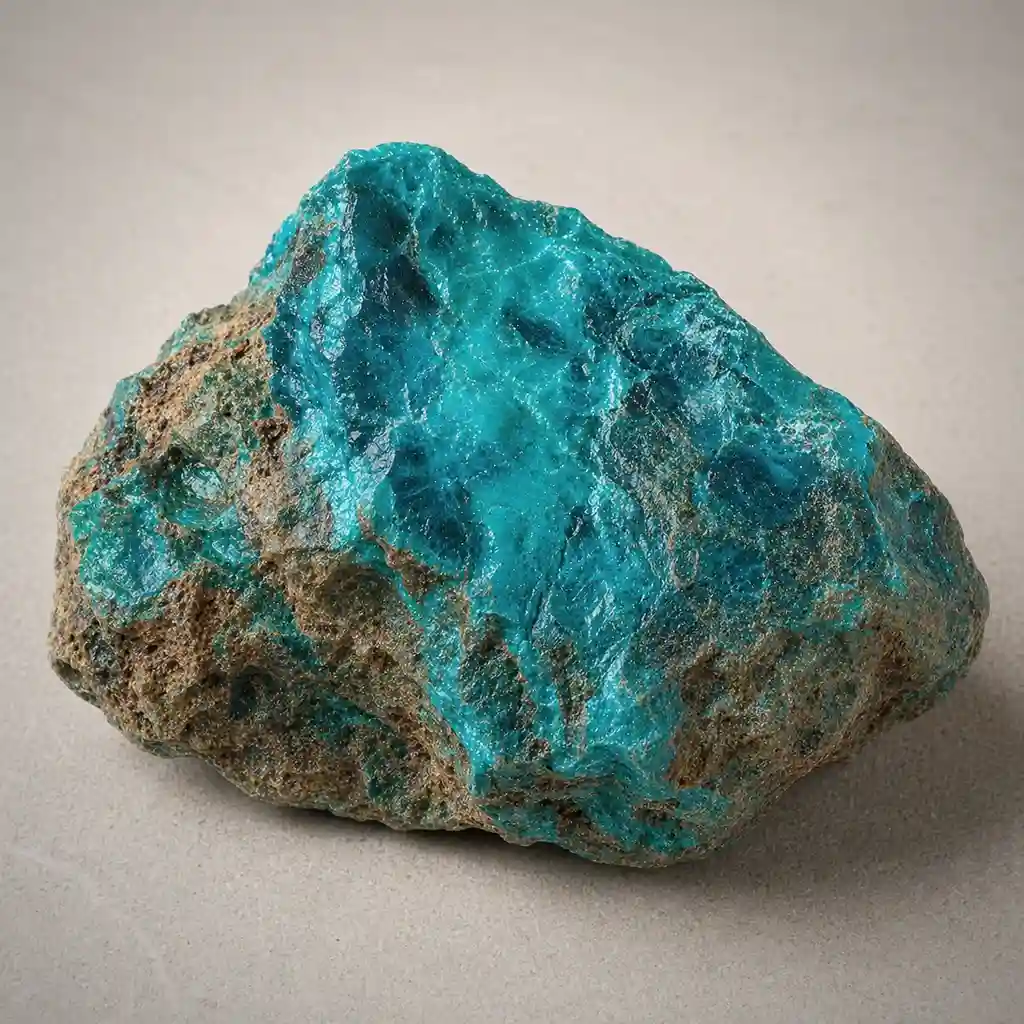
Chrysocolla is a secondary copper mineral that forms in the oxidation zones of copper ore deposits. It is a hydrated copper silicate (Cu2H2Si2O5(OH)4) that develops when primary copper minerals like chalcopyrite and bornite weather and decompose. It typically occurs as botryoidal (grape-like) crusts, massive fillings, and sometimes stalactitic formations in the voids and fractures of copper-rich rock. It is frequently intergrown with Malachite, Azurite, and other copper minerals, producing multi-colored specimens. The process happens near the surface, where oxygen-rich groundwater interacts with copper sulfide minerals over long periods.
Varieties
Gem Silica (Gem Chrysocolla)
Translucent, vivid blue-green chalcedony infused with chrysocolla. Much harder (7 Mohs) than pure Chrysocolla due to its quartz matrix. Rare and the best variety for jewelry, since it combines the color with actual durability.
Pure Crystalline Chrysocolla
A relatively rare form with drusy crystal surfaces. Softer (2-4 Mohs) and more delicate. Collectors seek it for the vivid blue-green color and crystal formations.
Chrysocolla-Malachite Matrix
Chrysocolla intergrown with Malachite in a copper ore matrix, producing striking blue-green patterns. Common from the Democratic Republic of Congo and the American Southwest.
Notable Origins
Democratic Republic of Congo (Katanga Province)
One of the world's premier Chrysocolla sources. Congolese material has vivid blue-green coloring and striking intergrowth with Malachite. Large botryoidal specimens and carved objects are common.
Peru
Valued since Inca times. Known for rich turquoise-blue coloring and association with other copper minerals. Found in the Andean copper belt at high altitudes.
United States (Arizona, New Mexico)
The Southwest produces Chrysocolla alongside turquoise and other copper minerals. Arizona specimens range from sky blue to deep blue-green. The Inspiration Mine in Arizona is a noted source of gem silica.
Mineral data verified via Mindat.org
Physical Properties
| Hardness | 3.5 on the Mohs scale |
| Chemical Formula | Cu₂H₂Si₂O₅(OH)₄ |
| Crystal System | Orthorhombic |
| Primary Color | Blue-Green |
| Origin | Democratic Republic of Congo, Peru, United States, Israel, Mexico |
| Transparency | Translucent to opaque |
| Luster | Vitreous to earthy |
| Specific Gravity | 2.00-2.45 (notably light for a copper mineral) |
What Are the Healing Properties of Chrysocolla?
Emotional & Mental Well-being
Chrysocolla is particularly good for people who suppress their feelings to keep the peace.
- ◆It provides both the courage to speak honestly and the wisdom to do it without doing damage.
- ◆Practitioners often recommend it for relationship difficulties because it helps you articulate complex emotions without blame or aggression.
- ◆The stone has a specific reputation in women's work: supporting the shift from people-pleasing and self-silencing toward authentic expression.
- ◆Many crystal workers report that it helps clients who have been taught to make themselves smaller rediscover their voice and their right to use it.
- ◆It is also used for social anxiety and the fear of judgment that keeps people from showing who they actually are.
Spiritual Properties
Chrysocolla is associated with goddess energy and feminine spiritual wisdom.
- ◆It activates both the Throat and Heart Chakras, bridging spiritual insight with the ability to communicate it clearly and kindly.
- ◆Practitioners use it in moon rituals, goddess meditations, and ceremonies honoring the feminine.
- ◆The stone also supports spiritual teaching, helping you share what you know with patience and genuine care for the other person's growth.
- ◆Some practitioners use it for past-life work, particularly for accessing lifetimes as a healer, teacher, or priestess.
- ◆Whether that is literally true or just a useful framework, the stone seems to help people access a particular kind of knowing.
Physical Healing Traditions
Traditionally associated with the throat, thyroid, and nervous system.
- ◆Crystal healers recommend it for thyroid imbalances, throat infections, and vocal strain.
- ◆It is also linked to the female reproductive system and used to support women through menstrual cycles, pregnancy, and menopause.
- ◆Folk medicine used it for arthritis and joint pain, particularly when linked to copper deficiency.
- ◆Some practitioners also use it for reducing fever and supporting detoxification.
Note: These properties are based on metaphysical traditions and are not a substitute for medical advice.
What Science Says
Chrysocolla is a hydrated copper silicate (Cu2H2Si2O5(OH)4) that forms in copper deposit oxidation zones.
- ◆The vivid blue-green color comes directly from copper ions in the crystal structure.
- ◆Pure Chrysocolla is soft (2-4 Mohs), but gem silica (chrysocolla-infused chalcedony) reaches 7 Mohs due to its quartz content.
- ◆The mineral is stable under normal handling and poses no significant health risk through skin contact, though it should not be ingested.
- ◆Prolonged water exposure can leach copper.
- ◆The historical use as a gold soldering flux is well-documented in archaeological and metallurgical literature.
Which Chakras Does Chrysocolla Connect To?
Which Zodiac Signs Match Chrysocolla?
How Do You Use Chrysocolla?
Meditation
Hold Chrysocolla at the base of your throat or between the Heart and Throat Chakras. Visualize a bridge of blue-green light connecting your heart's wisdom to your voice. For feminine energy work, meditate with it during the full moon. Even 10 minutes a day can gradually build confidence in authentic self-expression.
Daily Wear
A pendant between the throat and heart is the standard placement. For rings and bracelets, choose gem silica (the harder variety) if you can find it. Softer Chrysocolla needs protective bezel settings and should be removed before physical activity. Teachers and counselors benefit most from wearing it during their work.
Home Placement
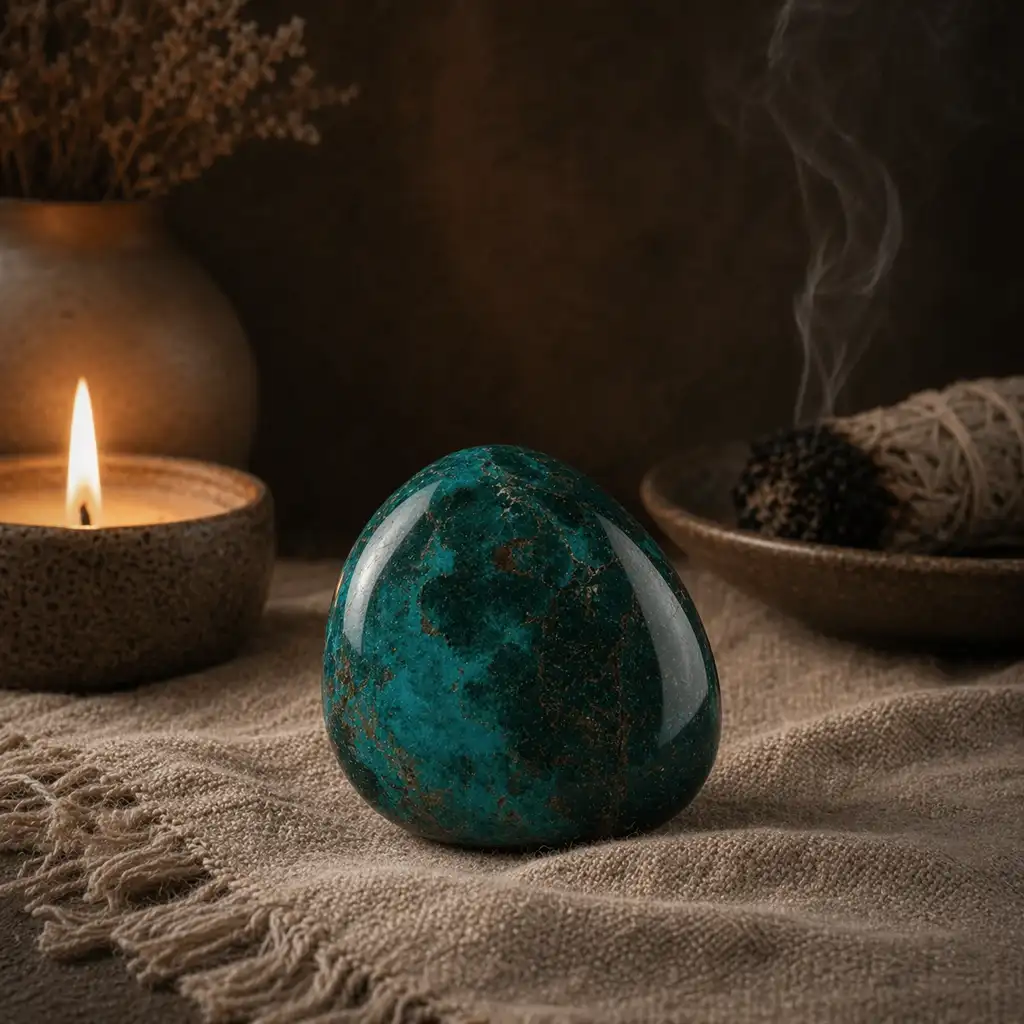
Living rooms and shared spaces are good placements for promoting calmer family communication. In a home office or therapy room, it supports compassionate professional interaction. For feminine energy work, place it on an altar with candles and lunar symbols. Avoid bathrooms and kitchens due to moisture. In Feng Shui, the southwest (relationships) or west (creativity) sectors are traditional.
Crystal Grids
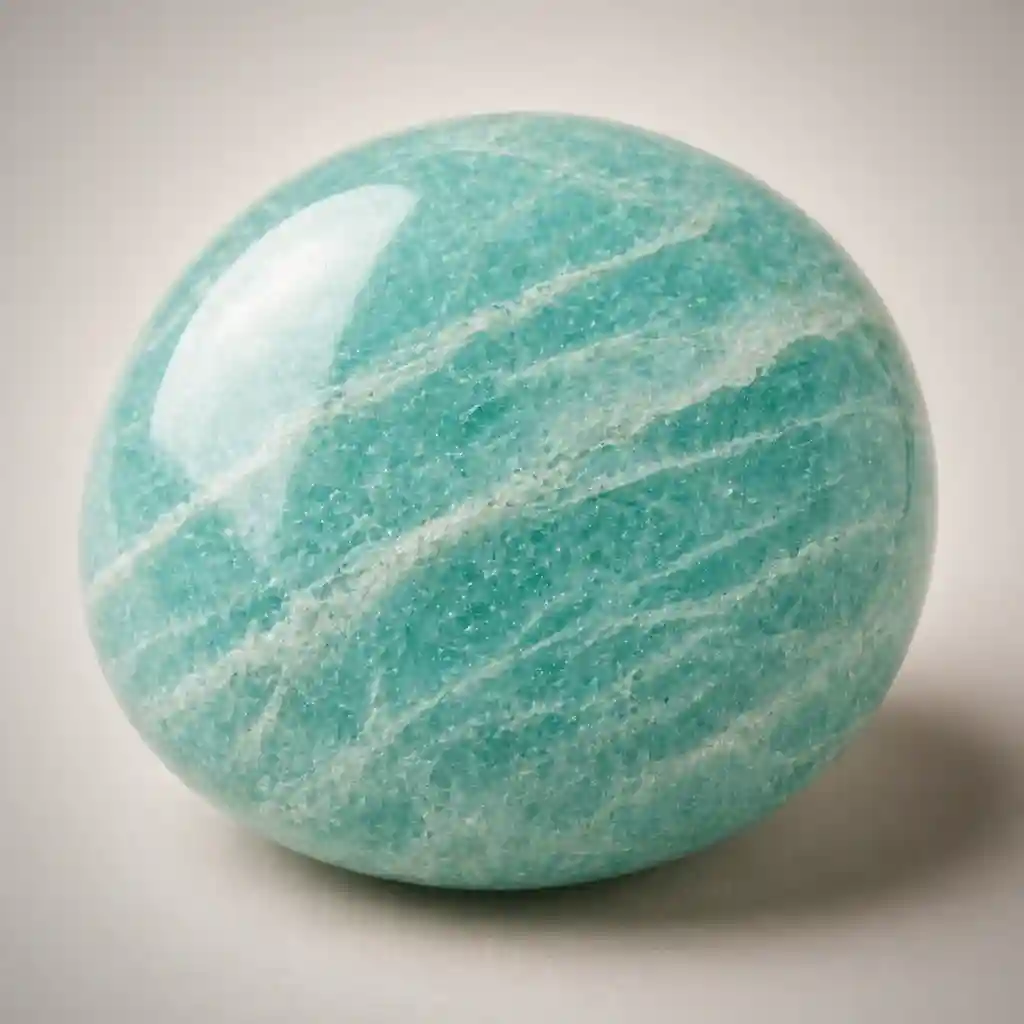
Use it in communication, healing, or feminine empowerment grids. Pair with Rose Quartz and Amazonite for heart-centered communication work, or with Malachite and Turquoise for a feminine wisdom and healing formation. Its bridging energy between heart and throat makes it a useful connector stone in any grid focused on authentic expression.
How Do You Cleanse & Charge Chrysocolla?
Moonlight Bathing
RecommendedSmudging
RecommendedSound Healing
RecommendedRunning Water
Avoid water — Chrysocolla is relatively soft and porous
Use CautionMoon Phase Charging: Place Chrysocolla in direct moonlight overnight during the full moon. The full moon is the traditional choice for this stone, given its feminine associations. Sound healing with singing bowls or tuning forks is also effective. Smudging with sage, palo santo, or sweetgrass works well too.
Avoid the following:
- ✗All water immersion — Chrysocolla is porous and water can damage the surface and leach copper
- ✗Salt water or salt beds — salt accelerates surface damage and copper leaching
- ✗Ultrasonic cleaners — vibrations can damage the soft, sometimes fibrous structure
- ✗Steam cleaning — heat and moisture can damage the stone
- ✗Chemical cleaners — acids and solvents can react with the copper content
What Crystals Pair Well with Chrysocolla?
Best Combinations
Rose Quartz
Rose Quartz opens the heart and Chrysocolla opens the throat. Together they help you express love honestly, with both vulnerability and strength.
Malachite
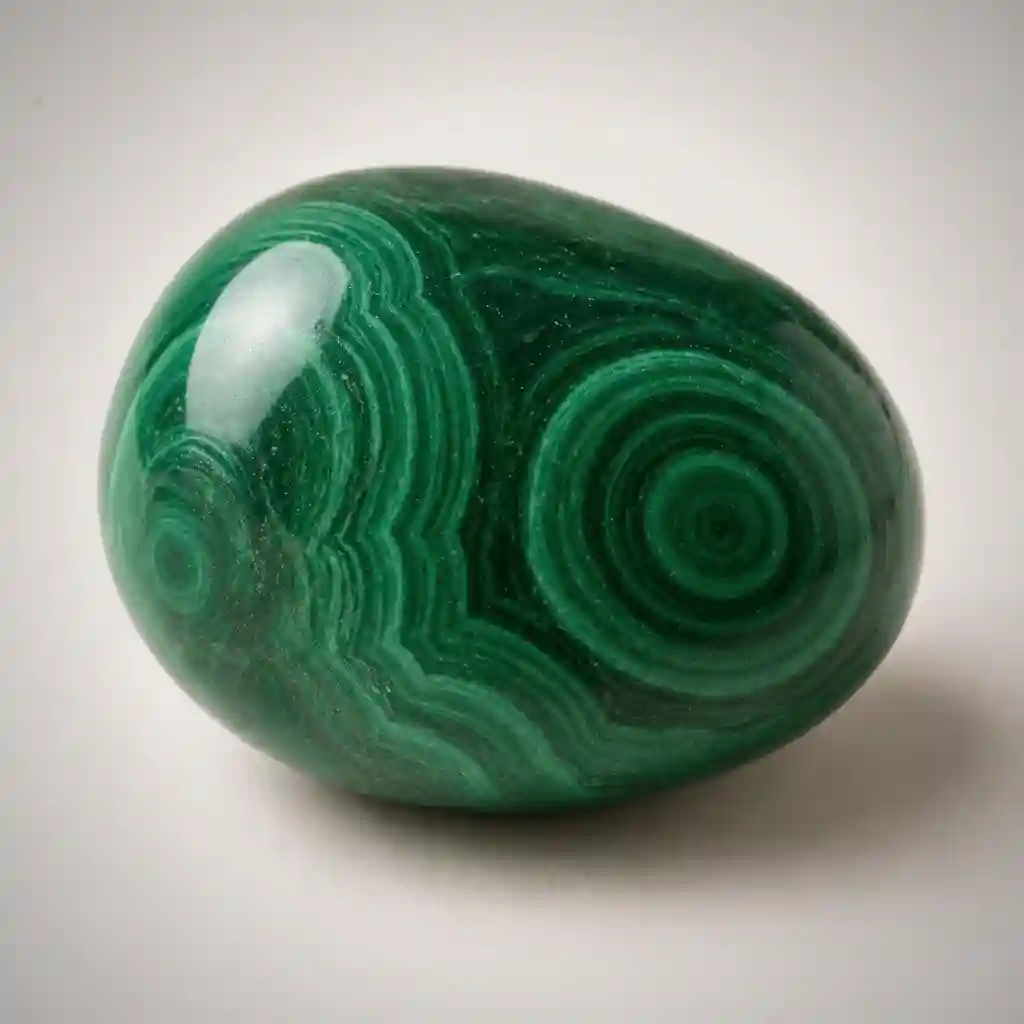
Malachite adds transformative energy to Chrysocolla's healing quality. The combination is a strong feminine healing pair that supports emotional change and empowerment.
Turquoise
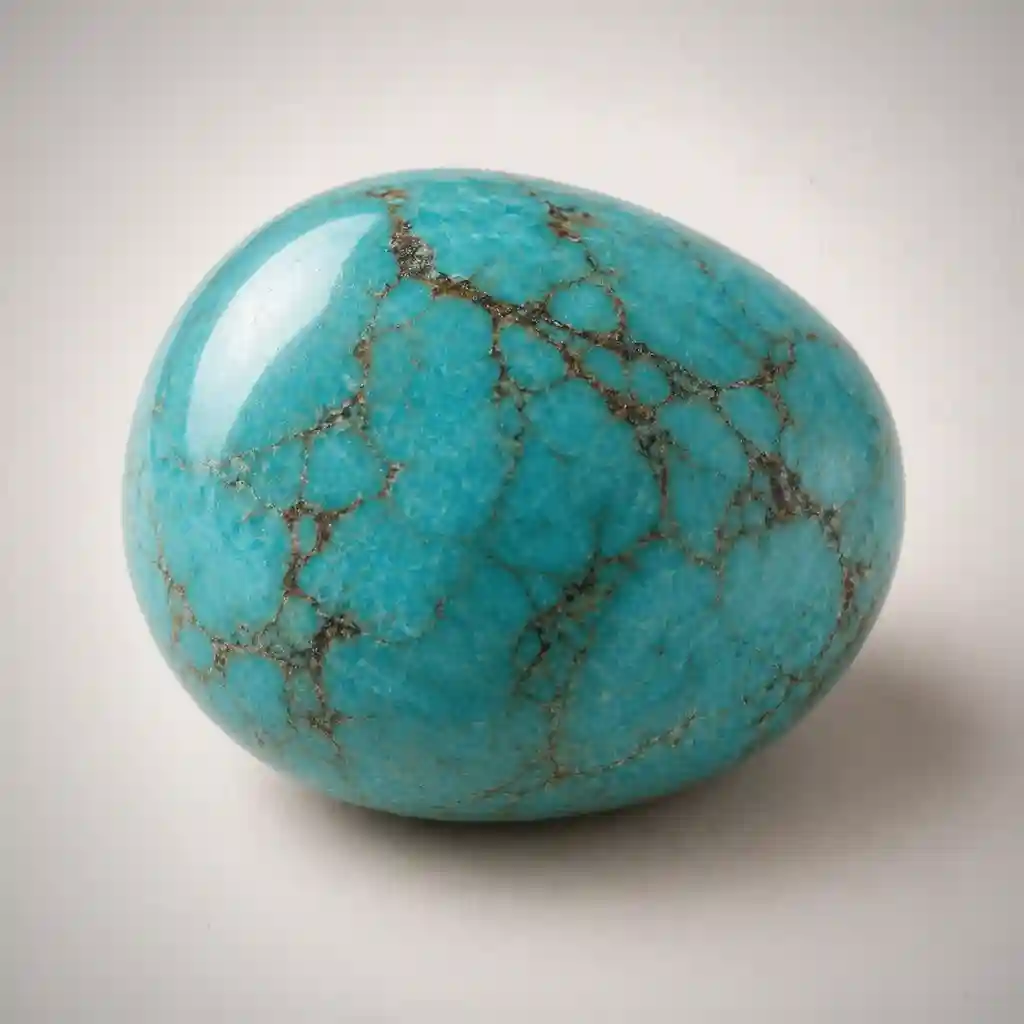
Both are copper minerals that occur together naturally. They amplify each other's protective and communicative properties for a focused throat chakra activation.
If You Like Chrysocolla, Also Try
How Can You Tell if Chrysocolla is Real or Fake?
Common Imitations
Identification Tests
1.Weight Test
Hold the specimen and assess its weight relative to its size. Pure Chrysocolla has a relatively low specific gravity (2.0-2.45).
Genuine Chrysocolla is surprisingly light for a copper mineral — noticeably lighter than Malachite (3.6-4.0) or Azurite (3.7-3.9). Resin-based imitations may feel similarly light but lack the stone's natural coolness and texture.
2.Hardness Test
Try to scratch the specimen with your fingernail (hardness ~2.5) and a copper coin (hardness ~3).
Pure Chrysocolla (2-4 Mohs) may be scratched by a copper coin. If the specimen is much harder (cannot be scratched by a coin), it may be gem silica (chrysocolla in quartz matrix, 7 Mohs) or a different stone entirely. If it is completely unaffected, it may be a resin imitation.
3.Visual Examination
Examine the specimen under good lighting for natural color variation, matrix material, and surface texture.
Genuine Chrysocolla shows natural color variation (blue-green to turquoise), often with matrix rock visible. The surface has a characteristic vitreous to earthy luster. Dyed howlite shows more uniform color with dark veining patterns. Stabilized material may look too perfect and lack natural texture.
Price Reference
Small
$5-20
Medium
$15-50
Large
$30-120
Pure Chrysocolla is moderately priced. Gem silica (the harder, translucent variety) commands premium pricing ($20-100+ per carat for fine material) due to its rarity and jewelry suitability. Specimens with stunning Malachite intergrowth are valued by collectors.
Is Chrysocolla Safe? Care & Precautions
Toxicity Warning
Chrysocolla contains copper, which can be toxic if ingested in significant quantities. While the mineral is stable under normal handling, do not use Chrysocolla in direct-consumption gem elixirs. Prolonged water exposure could potentially leach small amounts of copper. Wash hands after handling raw specimens.
Storage
Store Chrysocolla away from moisture and water. It is relatively soft (2-4 Mohs for pure specimens) and should be kept away from harder stones that could scratch it. Wrap in soft cloth. Avoid contact with chemicals, perfumes, and cleaning agents. Gem silica specimens (7 Mohs) are more durable and require less careful handling.
Special Warnings
- ⚠Do not use Chrysocolla in direct-consumption elixirs — the copper content poses a health risk if ingested
- ⚠Avoid prolonged water exposure — Chrysocolla is somewhat porous and water can damage the surface and potentially leach copper
- ⚠Pure Chrysocolla (not gem silica) is soft (2-4 Mohs) and can be easily scratched or damaged — handle with care
- ⚠Keep away from young children who may put stones in their mouths
What is Chrysocolla Best For?
Chrysocolla FAQ — Common Questions Answered
What is Chrysocolla good for?+
Communication and feminine energy work. It helps you express feelings honestly and compassionately, supports emotional balance, calms anxiety and mental tension, and encourages creativity. Teachers, counselors, and anyone who wants to communicate with more heart tend to benefit from it.
Can Chrysocolla go in water?+
It should not. Chrysocolla is soft (2-4 Mohs) and somewhat porous. Prolonged water exposure damages the surface and can leach copper from the mineral. Cleanse with moonlight, smudging, or sound instead. If you must rinse it, make it quick and dry it thoroughly right after.
How does Chrysocolla differ from Turquoise?+
Both are blue-green copper minerals, but they are different materials. Turquoise is a phosphate (5-6 Mohs) historically tied to protection and luck. Chrysocolla is a silicate (2-4 Mohs) associated more with communication and feminine wisdom. Turquoise tends to look opaque and waxy; Chrysocolla is often more glassy or earthy. They occur together in nature and work well in combination.
How does Chrysocolla bridge the Throat and Heart Chakras for Gemini?+
Chrysocolla connects what you feel with what you say. For Gemini, who already has the language skills but sometimes skims the emotional surface, this stone adds depth. It moves communication from clever articulation toward something more genuine and vulnerable.
What is the geological origin of Chrysocolla and how valuable is it?+
Chrysocolla forms in the oxidation zones of copper deposits, often intergrown with Malachite and Azurite. Major sources: Democratic Republic of Congo, Peru, the United States (Arizona), Israel, and Mexico. Pure Chrysocolla with vivid color is relatively rare because it is usually mixed with other copper minerals. Despite how striking it looks, it is quite affordable. Gem-quality specimens suitable for jewelry cost more due to the softness (2-4 Mohs) making good material harder to find.
Was this helpful?