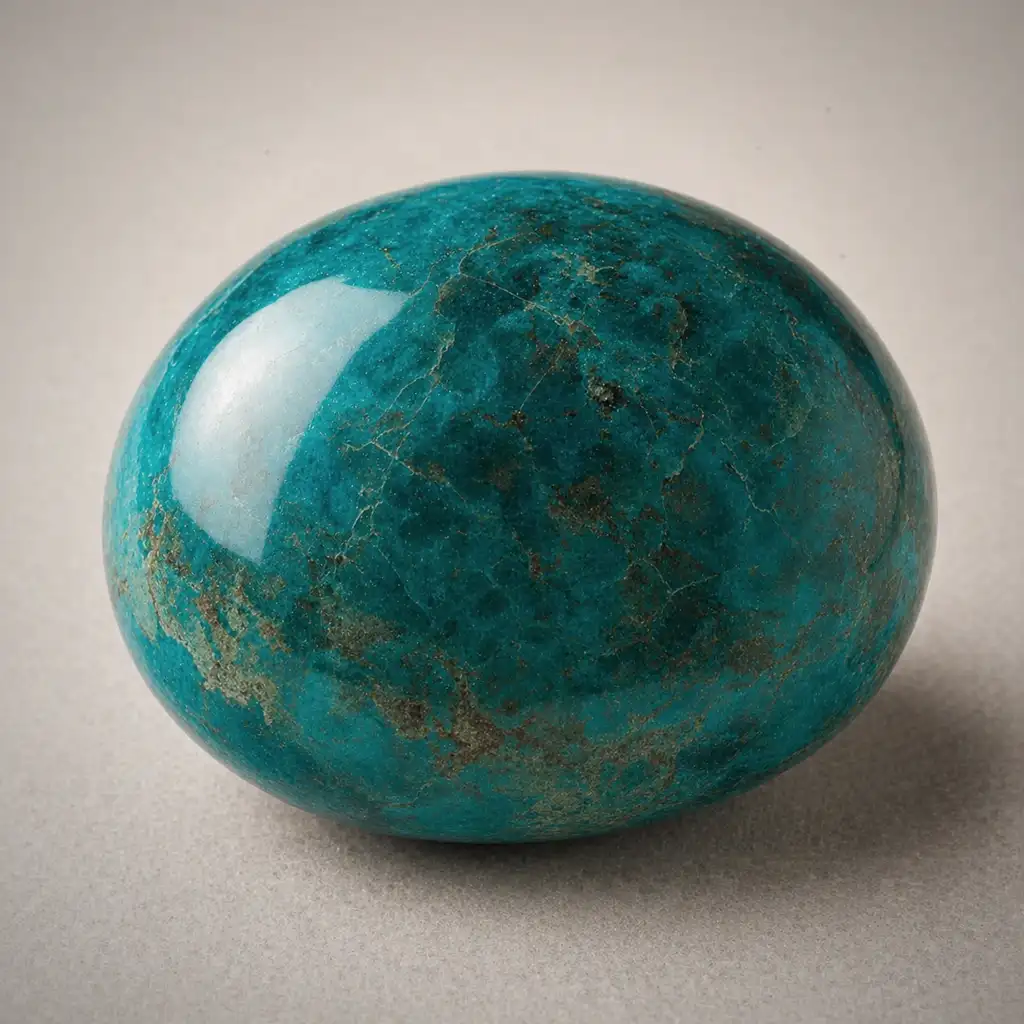
Turquoise at a Glance
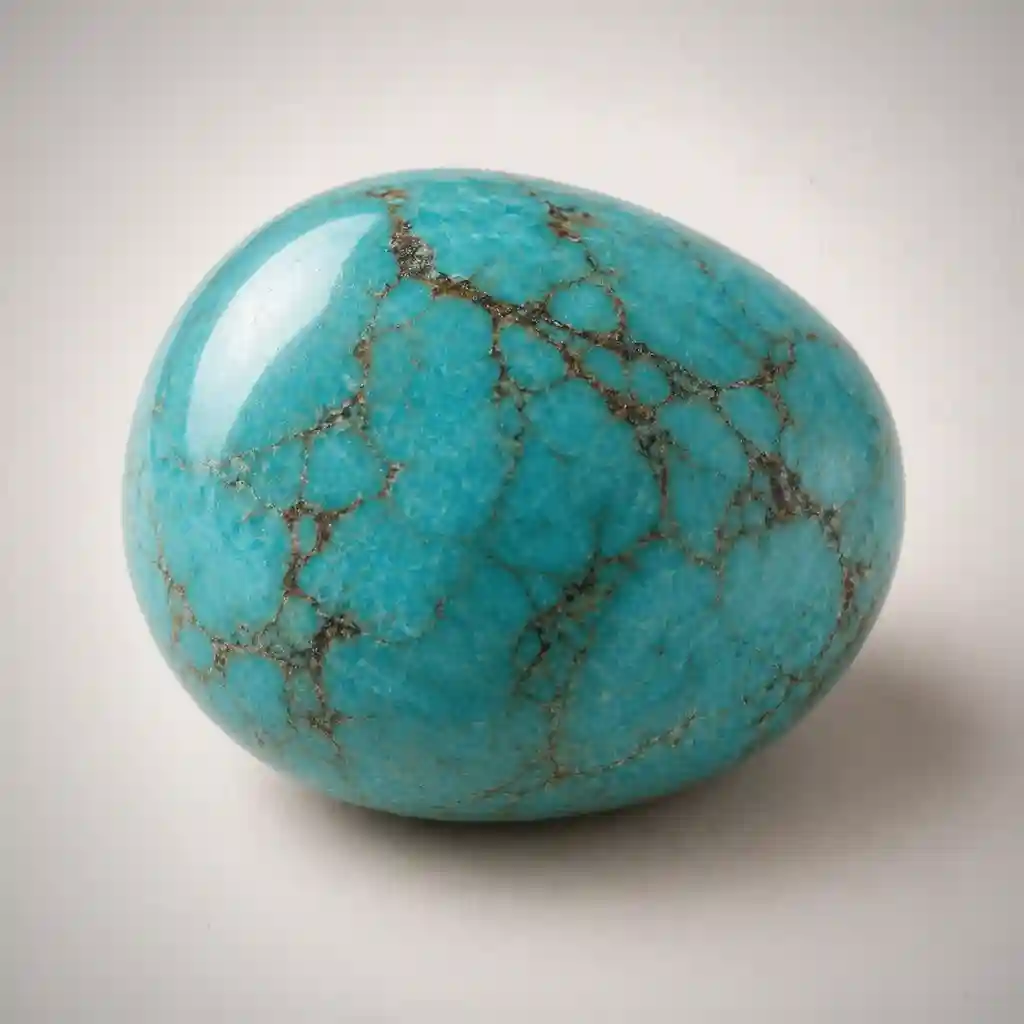
Turquoise is a sacred blue-green phosphate mineral that has been revered for millennia across cultures. It's known for protection, communication, and holistic healing.
Travelers and adventurers, public speakers, Sagittarians and Pisceans, and anyone looking for a healing stone that works across the whole body
“I am protected and whole. I speak my truth clearly and with heart.”
Never use water or chemicals — cleanse with moonlight, smudging, or brief contact with the earth; store away from cosmetics and oils
Turquoise Quick Answers
Why does my Turquoise change color?
Turquoise is porous and absorbs oils, perfumes, lotions, and even the natural pH of your skin, which causes color change over time. It's a natural characteristic, not a sign of fake turquoise. In many spiritual traditions, color changes are believed to mean the stone is absorbing negative energy or warning of illness. To preserve the color, keep Turquoise away from chemicals, cosmetics, and extreme temperatures.
Is Turquoise a good stone for communication?
Yes, it's one of the best. Turquoise opens and aligns the Throat Chakra, helping you express your thoughts and feelings clearly and honestly. It helps with public speaking, difficult conversations, and creative expression. It also encourages empathy and understanding, which makes communication more compassionate and more effective.
What is the Meaning & History of Turquoise?
Core Meaning
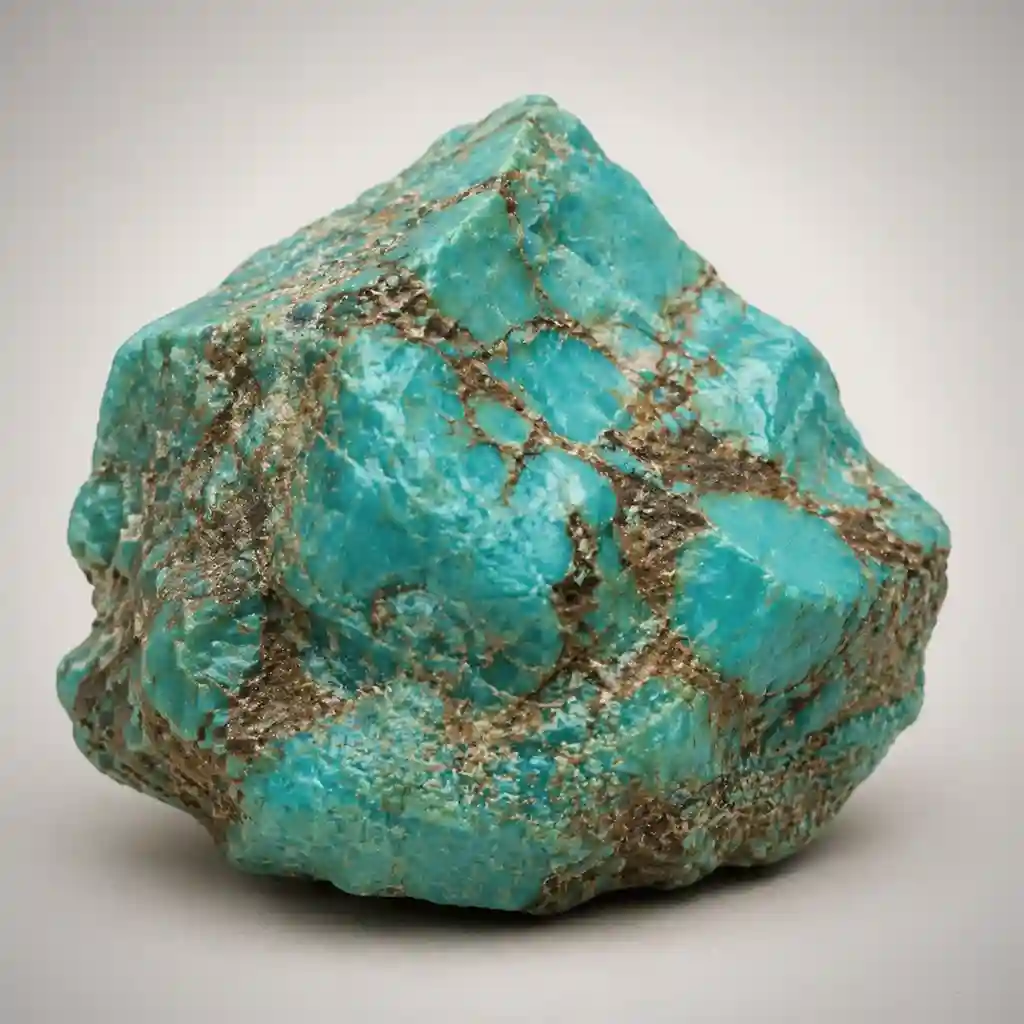
The Master Healer Stone of Sky and Earth — Turquoise is widely considered a master healing stone that benefits the entire body. It aligns and balances all the chakras, stabilizes mood swings, and brings inner calm. As a communication stone, it opens the Throat Chakra, helping you say what you actually mean with clarity and conviction. Turquoise also promotes spiritual attunement, enhances intuition, and provides grounding energy that keeps you connected to both the physical world and the spirit realm.
Historical & Cultural Significance
Turquoise is one of the oldest gemstones humans have worked with, mined in the Sinai Peninsula as far back as 6000 BCE. The ancient Egyptians called it "mefkat" (meaning joy and delight) and used it in jewelry, amulets, and burial masks — Tutankhamun's famous burial mask has inlaid Turquoise. The Persians used it to protect against the evil eye and decorated mosque domes with it to represent heaven on earth. In the Americas, the Aztecs and Maya considered Turquoise more precious than gold, using it in mosaics, masks, and ceremonial objects. Native American tribes of the Southwest — particularly the Navajo, Zuni, and Hopi — have used Turquoise in sacred ceremonies and jewelry for over a thousand years, treating it as a stone that bridges heaven and earth. The Silk Road carried Persian Turquoise to China, where it was valued as a royal stone and used in intricate carvings.
Symbolism
- ✦Sky and earth meeting — the blue-green color evokes the union of heaven and earth, spirit and matter
- ✦Master healing — one of the few stones associated with healing the whole being
- ✦Sacred protection — used for thousands of years as a traveler's amulet and guardian against harm
- ✦Living stone — its color changes with its environment, symbolizing the dynamic relationship between stone and wearer
- ✦Truth and communication — opens the Throat Chakra for honest, heartfelt expression
- ✦Friendship and unity — in many cultures, exchanging Turquoise symbolizes trust and lasting bonds
Folklore & Legends
In Navajo tradition, Turquoise was created when the sky goddess Estsanatlehi cried tears of joy that fell to earth and turned to stone. Apache warriors believed that attaching Turquoise to their weapons improved their aim and bravery. In ancient Persian folklore, Turquoise was said to pale when danger or illness approached its wearer — this belief was so widespread that people used it as a "health monitor" throughout the Middle East and Central Asia. Tibetan Buddhists consider Turquoise sacred and use it in malas, ritual objects, and temple decorations. In Mexican folklore, the gods drank from Turquoise vessels.
Geological Profile
Formation Process
Turquoise forms in arid regions as a secondary mineral in the oxidation zones of copper deposits. It's created when copper-bearing groundwater reacts with aluminum and phosphate-rich rocks (usually apatite and feldspar) near the surface. This happens in the weathered zones of copper porphyry deposits, where atmospheric oxygen drives the chemical reactions that produce Turquoise and other copper minerals. The blue color comes from copper, while green tones are influenced by iron content and the presence of chromium or vanadium. Turquoise typically occurs as nodules, veins, and microcrystalline masses rather than well-formed crystals, which are extremely rare.
Varieties
Sleeping Beauty Turquoise
From the Sleeping Beauty Mine in Arizona, known for its uniform robin's egg blue color with minimal matrix. The mine is now closed, so this material is among the most prized and valuable Turquoise you can find.
Persian Turquoise (Nishapur)
From the famous mines of Nishapur, Iran, producing Turquoise with a distinctive clear blue color. Persian Turquoise has been the world quality standard for over 2,000 years and is where the phrase "Persian blue" comes from.
Spiderweb Turquoise
Any Turquoise with a matrix pattern of thin, web-like dark veining that creates an attractive contrast. The best spiderweb patterns are even, symmetrical, and form a consistent network across the stone.
Notable Origins
Southwest United States (Arizona, Nevada, New Mexico)
Home to some of the world's finest Turquoise, including the now-closed Sleeping Beauty Mine (Arizona) and the Carico Lake Mine (Nevada). American Turquoise comes in a wide range of colors from pale sky blue to deep green, often with distinctive matrix patterns.
Iran (Nishapur, Kerman)
The historic source of the finest Turquoise for over 2,000 years. Persian Turquoise from the Nishapur mines is known for its clear, even blue color with minimal matrix. The mine has been worked since antiquity and is referenced in texts from the 3rd century.
China (Hubei Province)
China is now the world's largest producer of Turquoise, with major deposits in Hubei Province. Chinese Turquoise ranges from blue to green and is often stabilized before it reaches the market. Maashan Turquoise is the best-known Chinese variety.
Mineral data verified via Mindat.org
Physical Properties
| Hardness | 6 on the Mohs scale |
| Chemical Formula | CuAl₆(PO₄)₄(OH)₈·4H₂O |
| Crystal System | Triclinic |
| Primary Color | Blue-Green |
| Origin | United States, Iran, Mexico, China, Egypt |
| Transparency | Opaque |
| Luster | Waxy to sub-vitreous |
| Specific Gravity | 2.6-2.9 (natural); higher for stabilized material) |
What Are the Healing Properties of Turquoise?
Emotional & Mental Well-being
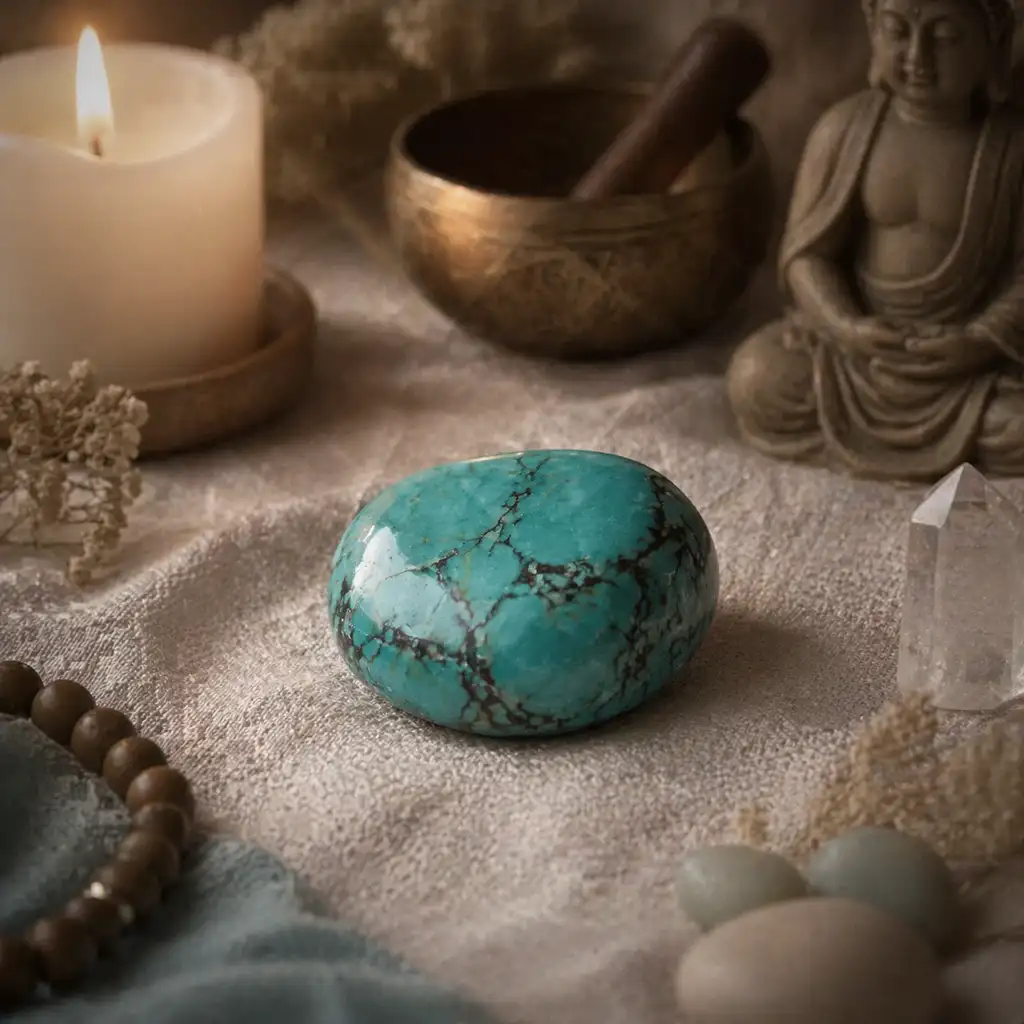
Turquoise is a strong emotional balancer that stabilizes mood swings and brings a deep sense of inner calm.
- ◆Its blue-green energy has a soothing quality for the emotions — it absorbs turbulence and restores stillness.
- ◆The stone works particularly well for people who experience emotional volatility or who struggle to identify and express what they're feeling.
- ◆Turquoise encourages emotional honesty by creating a safe space to feel without getting overwhelmed, and it supports the Throat Chakra in expressing those feelings clearly and with compassion.
- ◆For people carrying emotional wounds from past relationships or childhood, Turquoise provides gentle, consistent healing energy that works gradually to release old pain.
- ◆The stone is also valued for building self-acceptance and self-forgiveness, helping people quiet the harsh inner critic that blocks emotional healing.
- ◆Many practitioners recommend it for couples work, since it promotes honest, heart-centered communication while protecting the vulnerability that authentic expression requires.
Spiritual Properties
Turquoise is one of the most spiritually versatile stones, bridging earthly and spiritual energies.
- ◆It enhances spiritual attunement and intuition while keeping you grounded and connected to your physical body.
- ◆It's particularly valued for shamanic journey work and vision quests, where it provides protection during out-of-body experiences while maintaining a clear connection to the physical realm.
- ◆Cultures around the world have used Turquoise in spiritual ceremonies — from Native American medicine wheels to Tibetan Buddhist malas — because it's believed to unite sky energy (spiritual awareness) with earth energy (grounded presence).
- ◆The stone also enhances meditation by quieting the mind while keeping awareness alert and present, which helps with the sleepy, unfocused state that sometimes comes up during deep meditation.
Physical Healing Traditions
In crystal healing traditions, Turquoise is considered a master healer for the physical body.
- ◆It's associated with strengthening the immune system, supporting nutrient absorption, and reducing acidity and inflammation.
- ◆Practitioners recommend it for throat and lung issues, including sore throats, allergies, and respiratory infections.
- ◆The stone is also traditionally used to relieve cramps, ease eye strain, and support the healing of broken bones and torn muscles.
- ◆In Persian folk medicine, Turquoise was ground into powder and taken internally for various ailments — not something anyone recommends today.
Note: These properties are based on metaphysical traditions and are not a substitute for medical advice.
What Science Says
Turquoise is a hydrated copper aluminum phosphate mineral with the formula CuAl6(PO4)4(OH)8-4H2O.
- ◆Its color is attributed to copper (blue) and iron (green) ions within the crystal structure.
- ◆Turquoise is relatively soft (5-6 Mohs) and porous, which explains why it can change color in response to skin oils, cosmetics, and environmental factors — a phenomenon that has been mistakenly attributed to supernatural warning properties.
- ◆Much of the Turquoise on the commercial market has been stabilized (impregnated with resin) or treated to improve durability and color.
- ◆The mineral's structure and the environmental conditions of its formation are well-documented in the scientific literature, and its occurrence in arid copper deposits is a well-understood geological process.
Which Chakras Does Turquoise Connect To?
Which Zodiac Signs Match Turquoise?
How Do You Use Turquoise?
Meditation
Hold Turquoise in your hands or place it on your Throat Chakra during meditation. Visualize its blue-green energy flowing through your throat, opening channels of honest self-expression and spiritual connection. For healing meditations, place it on any area of the body that needs support and imagine its cooling, soothing energy dissolving inflammation and tension. The full moon is a good time for spiritual attunement work, and dawn works well for fresh energy.
Daily Wear
Wear Turquoise as a necklace near the Throat Chakra to enhance communication and protect your energy throughout the day. Rings and bracelets keep the healing stone in constant contact with your body. For travel protection, wear Turquoise earrings or carry a piece in your pocket. Take it off before applying lotions, perfumes, or cosmetics to prevent color change and surface damage.
Home Placement
Place Turquoise in your living space to create a bridge between earthly and spiritual energies. A specimen in the bedroom promotes restful sleep and peaceful dreams. In the office, it supports clear, honest communication and protects against workplace negativity. For Feng Shui, put it in the east (health and family) or southeast (wealth) sectors. Keep it away from humid environments like bathrooms.
Crystal Grids
Use Turquoise as the center stone in a healing, communication, or protection grid. Pair it with Lapis Lazuli for enhanced spiritual communication, Amazonite for truthful expression, and Clear Quartz to amplify the healing energy. For a traveler's protection grid, combine Turquoise with Black Tourmaline and Malachite.
How Do You Cleanse & Charge Turquoise?
Moonlight Bathing
RecommendedSmudging
RecommendedEarth Burial
RecommendedRunning Water
Brief rinse only; Turquoise is porous and can be damaged by prolonged water exposure
Use CautionMoon Phase Charging: Charge Turquoise in moonlight overnight. The full moon is a good time for enhancing its healing and spiritual attunement properties. You can also cleanse it by setting it on the earth (not buried) for a few hours. Smudging with sage, sweetgrass, or cedar is a traditional and effective cleansing method, and it's a fitting choice given Turquoise's deep roots in Native American tradition.
Avoid the following:
- ✗Water in any form — Turquoise is porous and water can cause permanent color change and structural damage
- ✗Salt and salt water — extremely damaging to Turquoise's porous structure
- ✗Chemical cleaners — even mild soap can damage the surface and alter the color
- ✗Ultrasonic cleaners — vibrations can crack Turquoise's relatively soft structure
- ✗Steam cleaning — heat and moisture cause irreversible damage to Turquoise
What Crystals Pair Well with Turquoise?
Best Combinations
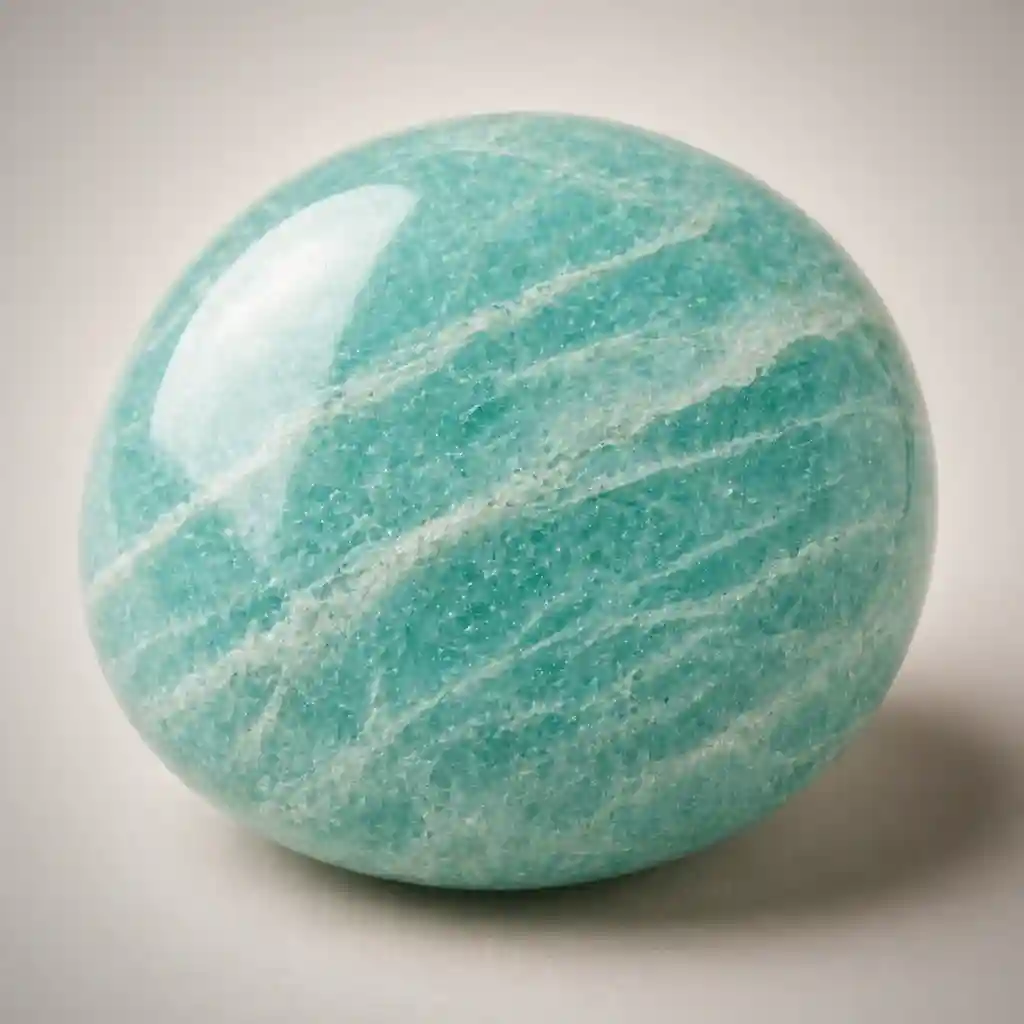
Amazonite
Amazonite's courage-enhancing energy pairs well with Turquoise's communication power — together they help you speak your truth with both clarity and bravery
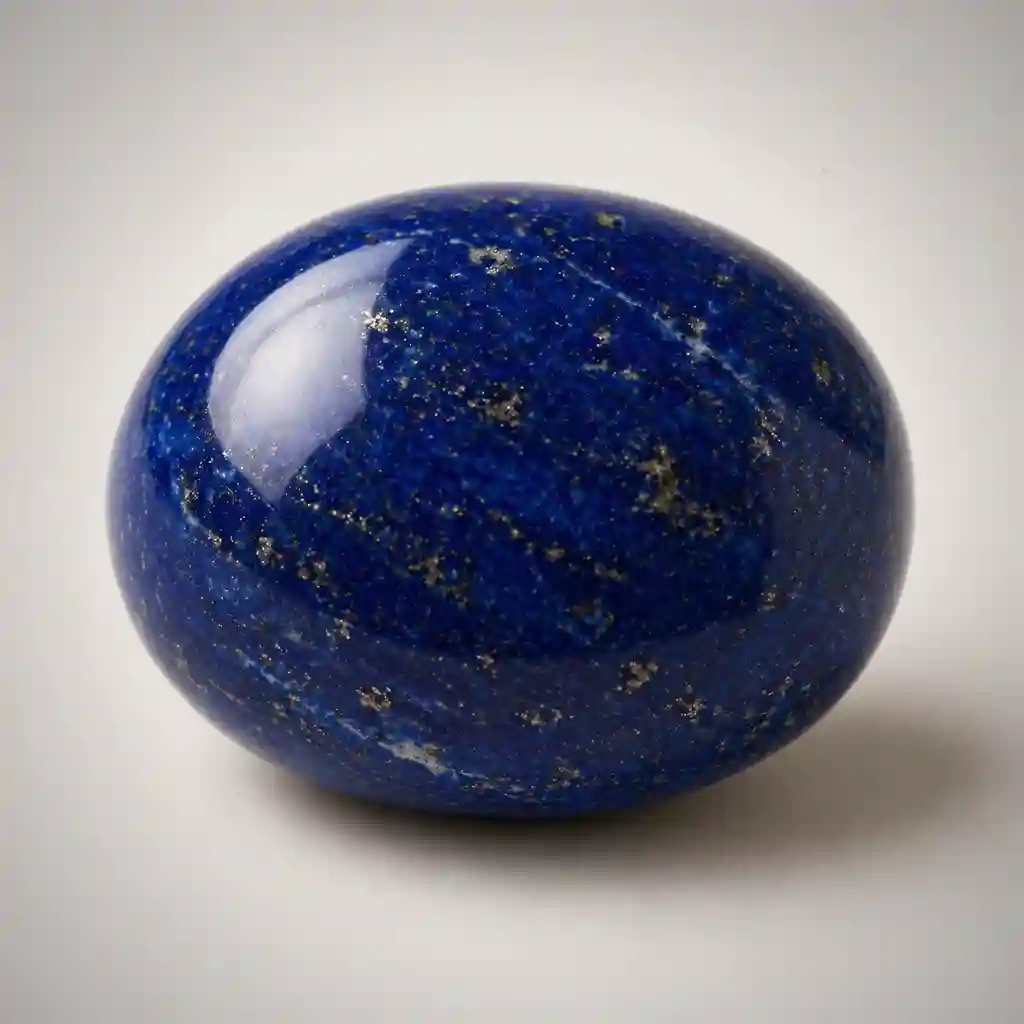
Lapis Lazuli
Lapis Lazuli deepens Turquoise's spiritual wisdom with ancient royal insight — together they activate the Throat and Third Eye Chakras for spiritually informed, truthful expression
Black Tourmaline
Black Tourmaline provides grounding protection while Turquoise offers healing and spiritual attunement — together they create a layered shield that protects while it heals
Combinations to Approach with Caution
If You Like Turquoise, Also Try
How Can You Tell if Turquoise is Real or Fake?
Common Imitations
Identification Tests
1.Color and Matrix Test
Examine the stone carefully under good lighting, looking at the color distribution and any matrix (veining) patterns.
Natural Turquoise has subtle color variations, natural-looking matrix patterns, and a slightly waxy luster. Dyed howlite shows overly uniform blue with white areas that look like they were "painted around." Reconstituted Turquoise has a suspiciously uniform color with no natural matrix or with matrix that looks too perfect.
2.Acetone Test
Dip a cotton swab in acetone (nail polish remover) and rub an inconspicuous area of the stone gently.
If the stone is dyed, the cotton swab may pick up blue dye. Genuine Turquoise will not transfer any color. This is one of the most reliable tests for dyed imitations but should be done on an inconspicuous area only.
3.Weight and Temperature Test
Hold the stone and assess its weight relative to its size and its temperature.
Natural Turquoise feels slightly heavier than expected for its size and is cool to the touch. Plastic imitations feel lightweight and warm up quickly. Resin composites feel lighter than natural stone.
Price Reference
Small
$5-20
Medium
$20-100
Large
$100-500
Natural, untreated Turquoise commands premium pricing. Sleeping Beauty Turquoise (now closed mine) is extremely valuable at $50-300+ per carat. Stabilized and reconstituted Turquoise is significantly less expensive. Always ask about treatment status when purchasing.
Is Turquoise Safe? Care & Precautions
Toxicity Warning
Turquoise contains copper and aluminum in its chemical structure. While safe for handling and wearing, it should never be used in direct elixirs consumed internally due to potential copper and aluminum leaching. Always use the indirect method for crystal elixirs.
Storage
Store Turquoise away from harder stones that could scratch it (hardness 5-6). Keep away from oils, perfumes, lotions, cosmetics, and cleaning chemicals — these can cause permanent color change. Store in a soft cloth pouch or lined box. Avoid humid environments. Some collectors wrap Turquoise in tissue paper to absorb any moisture.
Special Warnings
- ⚠Turquoise is porous and will absorb oils, lotions, and perfumes — always remove Turquoise jewelry before applying cosmetics
- ⚠Never use water, salt, or chemical cleansers on Turquoise — even brief exposure can cause permanent damage
- ⚠Turquoise should not be used in direct crystal elixirs due to copper and aluminum content — use the indirect method (stone beside the water, not in it)
- ⚠Color change in Turquoise is natural and not a defect — it results from the stone's interaction with its environment
What is Turquoise Best For?
Turquoise FAQ — Common Questions Answered
Why does my Turquoise change color?+
Turquoise is porous and absorbs oils, perfumes, lotions, and even the natural pH of your skin, which causes color change over time. It's a natural characteristic, not a sign of fake turquoise. In many spiritual traditions, color changes are believed to mean the stone is absorbing negative energy or warning of illness. To preserve the color, keep Turquoise away from chemicals, cosmetics, and extreme temperatures.
Is Turquoise a good stone for communication?+
Yes, it's one of the best. Turquoise opens and aligns the Throat Chakra, helping you express your thoughts and feelings clearly and honestly. It helps with public speaking, difficult conversations, and creative expression. It also encourages empathy and understanding, which makes communication more compassionate and more effective.
How do I care for Turquoise jewelry?+
Turquoise needs gentle care because it's porous and relatively soft (5-6 Mohs). Take it off before swimming, bathing, or putting on lotions and perfumes. Store it away from harder gemstones that could scratch it. Clean it only with a soft, dry cloth — skip ultrasonic cleaners, steam, and chemical jewelry cleaners entirely. Some stabilized Turquoise (treated with resin) holds up better but still deserves careful handling.
How does Turquoise support Sagittarius through the Throat Chakra?+
Turquoise works the Throat Chakra primarily, opening and aligning the channels for clear, honest communication. For Sagittarius — the adventurous, truth-seeking sign it's a birthstone for — this supports their natural philosophical streak and their need to share what they've learned. Turquoise also grounds Sagittarius's restless energy while giving them the communication clarity to turn far-flung experiences into wisdom other people can actually use.
Why is Turquoise so historically significant and where does it come from?+
Turquoise is one of the oldest gemstones humans have mined, with evidence of extraction in Egypt's Sinai Peninsula going back to 6000 BCE. The finest historical Turquoise came from Persia (now Iran), where it was called "Ferozah" (victorious) and has been mined for over 2,000 years. The American Southwest (Arizona, New Mexico, Nevada) produces distinctive matrix-rich Turquoise that has been sacred to Native American cultures for millennia. Sleeping Beauty Turquoise from Arizona, known for its pure sky-blue color, is among the most prized American varieties. Natural, untreated Turquoise is getting rarer and more valuable as famous mines deplete.
Was this helpful?