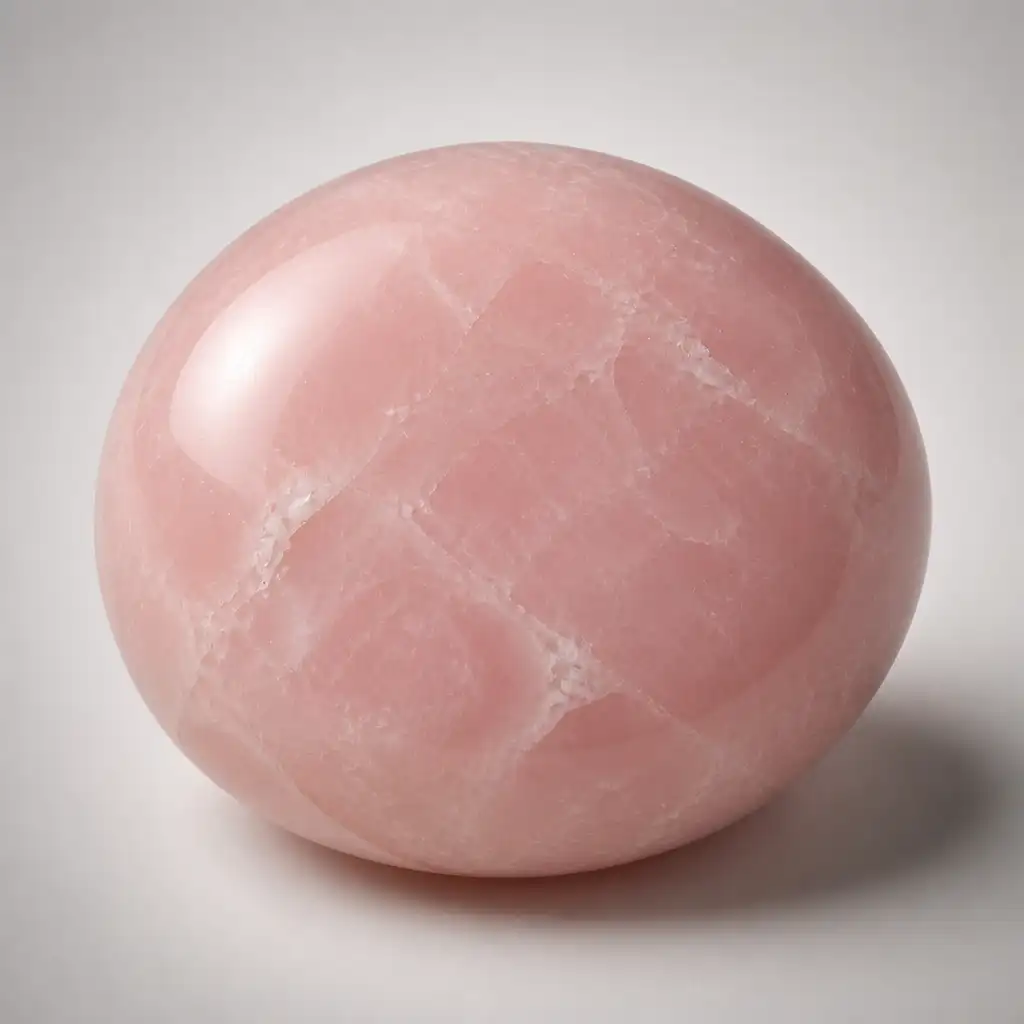
Pink Opal at a Glance
Pink Opal is the Stone of Emotional Renewal — a gentle, nurturing crystal that holds space for healing, supports the release of emotional pain, and wraps the heart in the tender warmth of unconditional love.
Those healing from emotional trauma or heartbreak, anyone struggling with anxiety, people working on self-love, and individuals seeking peaceful sleep and emotional calm
“I am worthy of gentle healing, and I allow my heart to release what no longer serves me with grace and self-compassion.”
Charge under moonlight; cleanse with sage smoke or sound; avoid water and salt; store in a soft pouch away from harder stones
Pink Opal Quick Answers
What is Pink Opal good for?
Pink Opal is excellent for emotional healing, trauma release, anxiety relief, and cultivating self-love and inner peace. It promotes restful sleep, reduces stress, and creates a gentle, nurturing energy that supports emotional renewal. It is particularly valued for those recovering from heartbreak, grief, or any form of emotional trauma that requires tender, patient healing.
Is Pink Opal the same as precious opal?
No, Pink Opal is classified as "common opal" and does not display the play-of-color spectral flashes that characterize precious opal. While precious opal is valued primarily for its optical effects, Pink Opal is valued for its consistent pink color and its gentle, heart-healing metaphysical properties. They are both hydrated silica minerals, but their visual and energetic qualities are quite different. Pink Opal is also significantly less expensive than precious opal.
What is the Meaning & History of Pink Opal?
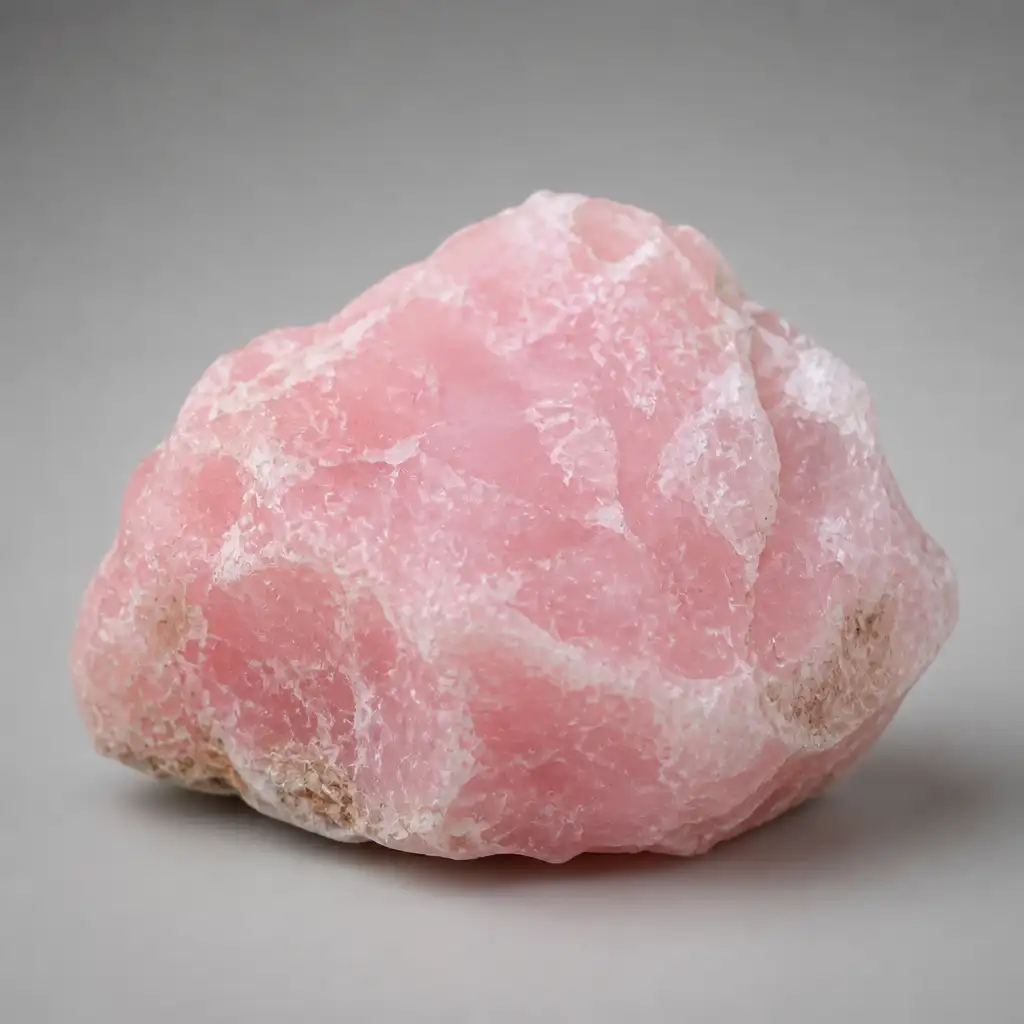
Core Meaning
The Stone of Emotional Renewal — Pink Opal feels like sitting next to someone who loves you and is not in a rush — someone who stays present through your worst moments without trying to fix anything, just offering warmth and company until you are ready to move. Its soft, steady pink color reflects the reliability of unconditional love: no dramatic flashes, no grand gestures, just a constant warmth you can count on. The stone takes the same approach to healing itself. It is not a single dramatic event but a gradual, layered process — every small act of self-compassion, every moment of choosing to feel instead of suppress, adds another layer of repair to the heart. With both the Heart and Crown Chakras activated, Pink Opal draws a line between emotional healing and spiritual awareness, making the case that emotional wounds are not obstacles to spiritual growth. They are the path itself.
Historical & Cultural Significance
Opal has been treasured across cultures for thousands of years — the Romans, Greeks, and various Indigenous Australian peoples all attributed deep spiritual significance to the stone. Pink Opal specifically has been mined and valued in Peru for centuries, where pre-Columbian cultures used it in both decorative and ceremonial contexts. It gained wider international recognition in the 20th century as Peruvian mineral specimens hit the global market and crystal practitioners started documenting the stone's emotional healing properties. In Australian Aboriginal tradition, opal is sacred — created by the Creator when he walked the Earth on a rainbow. Most Australian opal is the precious, play-of-color variety rather than common pink opal, but the spiritual significance of the opal family extends to all its members.
Symbolism
- ✦Emotional healing and renewal — the gentle, patient process of mending a broken heart
- ✦Unconditional love and self-compassion — love that does not require perfection or worthiness
- ✦Inner peace and tranquility — the calm that comes from allowing emotions to be felt and released
- ✦Emotional safety — a protected space where vulnerability is honored and nurtured
- ✦Gentle release — the understanding that healing happens through softness, not force
- ✦Spiritual-emotional integration — the bridge between heartfelt feeling and higher awareness
Folklore & Legends
Peruvian folk tradition calls Pink Opal "La Rosa de los Andes" — the Rose of the Andes — and ties it to Pachamama (Mother Earth) in her most tender, loving aspect. The story goes that Pink Opal formed when Pachamama's tears fell to the ground while she grieved for her children's suffering, each tear hardening into a soft pink stone that would carry her healing energy forever. Modern crystal circles know it as "The Stone of Resolution," valued for helping people find closure and emotional resolution, especially in matters of the heart. Some practitioners link Pink Opal to lotus flower energy — spiritual beauty rising from the mud of emotional difficulty, growing through the water of feeling, and opening into something luminous.
Geological Profile
Formation Process
Pink Opal forms in silica-rich environments where water bearing dissolved silica (from the weathering of volcanic or sedimentary rock) precipitates opal (hydrated silica) in cavities, fractures, and replacing other minerals. Unlike crystalline quartz, which forms through the orderly arrangement of silica molecules into a repeating lattice, opal forms when silica-rich water evaporates or cools, depositing silica in an amorphous (non-crystalline) arrangement. The pink color in Pink Opal comes from the presence of organic compounds (possibly palygorskite or other clay minerals) and trace amounts of titanium or manganese within the silica matrix. The specific geological conditions required for Pink Opal formation — including the right combination of silica concentration, trace minerals, temperature, and time — are relatively uncommon, which is why high-quality deposits are limited to specific regions.
Varieties
Peruvian Pink Opal
From deposits in the Andes mountains of Peru. Considered the finest quality Pink Opal, with consistent baby-pink to medium pink coloration and smooth, even texture. The gold standard for both lapidary work and crystal healing practice. Peruvian Pink Opal is more expensive but widely regarded as superior in both beauty and energy.
Australian Pink Opal
Found in various Australian opal fields. Generally displays a slightly different pink tone — sometimes more salmon or peachy — and may have more visible matrix or patterning. More affordable than Peruvian material and still valued for its healing properties.
Mexican Pink Opal
From deposits in central and southern Mexico. Often displays a warmer, more coral-pink tone and may contain interesting patterns or matrix inclusions. Provides an affordable alternative to Peruvian material with its own distinct character.
Cherry Opal
A deeper red-pink to cherry-red variety of common opal found primarily in Mexico. Stronger and more energizing than softer pink varieties, while still carrying the heart-healing properties of the opal family. Connected to the Root and Heart Chakras.
Notable Origins
Peru (Andes Mountains)
The premier source of Pink Opal worldwide. Peruvian Pink Opal is known for its exceptionally consistent, even pink color and smooth texture. The deposits occur in the Andes mountain range, where silica-rich hydrothermal activity in volcanic rock created ideal conditions for opal formation. This material commands the highest prices and is the most sought-after by collectors and practitioners.
Australia (various opal fields)
Australia produces Pink Opal as part of its broader opal deposits, which are the most extensive in the world. Australian Pink Opal may have a slightly different color tone and more visible matrix than Peruvian material but is still valued for its healing properties. The Australian opal fields in South Australia, New South Wales, and Queensland are the primary sources.
Mineral data verified via Mindat.org
Physical Properties
| Hardness | 5.5 on the Mohs scale |
| Chemical Formula | SiO₂·nH₂O |
| Crystal System | Amorphous |
| Primary Color | Pink (pastel to medium) |
| Origin | Peru, Australia, Mexico, USA |
| Transparency | Translucent to opaque |
| Luster | Vitreous to waxy, sometimes resinous |
| Specific Gravity | 1.98-2.20 |
What Are the Healing Properties of Pink Opal?
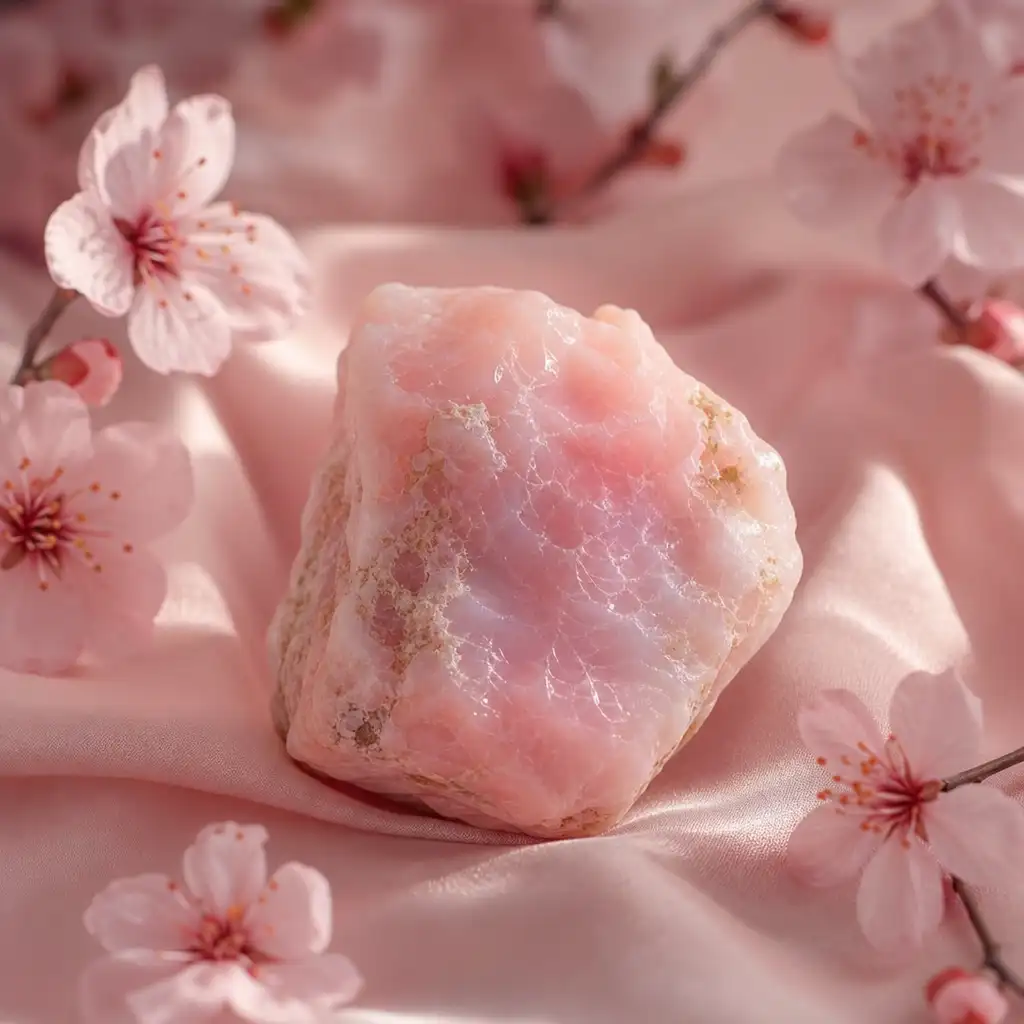
Emotional & Mental Well-being
Pink Opal is one of those rare stones that manages to be both deeply effective and genuinely gentle at the same time.
- ◆It works at a foundational level — not just on surface feelings but on the deeper patterns of self-criticism and self-neglect that feed anxiety, depression, and relationship struggles.
- ◆Where some stones trigger rapid emotional release (which can overwhelm before it heals), Pink Opal unfolds gradually, at exactly the speed you can handle.
- ◆People who work with it tend to report a growing sense of emotional safety, more self-compassion, and a growing ability to sit with difficult feelings without being swallowed by them.
- ◆Inner child work is where this stone really shines — it has a way of reaching the younger self that carries early wounds, and nurturing the kind of unconditional self-love that real emotional health is built on.
Spiritual Properties
Pink Opal bridges the emotional and spiritual sides of the self in a way few stones manage.
- ◆By activating both the Heart Chakra and the Crown Chakra, it draws a direct line between heartfelt feeling and spiritual awareness — making the point that emotional healing is not a distraction from spiritual growth but one of its most important expressions.
- ◆People use Pink Opal in meditation to deepen compassion for themselves and others, and to cultivate the kind of radical acceptance that lets spiritual transformation happen on its own timeline.
- ◆It also shows up in dreamwork, where its gentle energy helps process emotional material during sleep and can lead to dreams that feel vivid, meaningful, and genuinely healing.
Physical Healing Traditions
Traditional crystal healing connects Pink Opal to the heart, lungs, and circulatory system, which tracks with its Heart Chakra emphasis.
- ◆It also comes up in discussions about the skin — the body's outer boundary, and the organ most tied to touch and tenderness.
- ◆Healers sometimes recommend it for stress-related conditions, insomnia, and physical symptoms that seem rooted in emotional distress, leaning on the stone's well-documented ability to promote deep relaxation.
- ◆These are traditional associations from folk healing practice, not clinical conclusions — they work best alongside, not instead of, professional medical care.
Note: These properties are based on metaphysical traditions and are not a substitute for medical advice.
What Science Says
Mineralogically, Pink Opal is a well-characterized common opal — hydrated silica without the play-of-color that defines precious opal.
- ◆The pink coloration comes from trace mineral inclusions, likely titanium, manganese, and clay minerals like palygorskite.
- ◆Opal's amorphous structure has been studied extensively, and its formation from silica-rich aqueous solutions is well understood.
- ◆The Peruvian deposits appear in the mineralogical literature, and the stone's chemical composition and physical properties are firmly established.
- ◆The metaphysical properties have not been tested in clinical studies, but Pink Opal's mineralogical characteristics and its long history of decorative and cultural use give it genuine standing in the gemological world.
Which Chakras Does Pink Opal Connect To?
Which Zodiac Signs Match Pink Opal?
Cancer
recommended
Perfectly matches Cancer's deeply emotional, nurturing nature and provides the gentle, safe energy they need to process feelings without becoming overwhelmed by their own sensitivity
Libra
recommended
Supports Libra's desire for harmony and beauty while helping them connect with their own emotional truth rather than prioritizing others' feelings over their own
How Do You Use Pink Opal?
Meditation
Hold Pink Opal at your Heart Chakra (center of chest), breathe deeply, and let the stone's soft pink light fill your chest with warmth — that feeling of being loved without conditions. For emotional healing work, bring your attention to wherever the pain lives and let the stone's energy wrap around it like a protective cocoon. Do not try to fix or change anything. Just let the pink light hold the pain with compassion and notice how it begins to soften on its own. For self-love meditation, hold Pink Opal while looking into a mirror and speaking honestly to yourself about your worth. Evening and bedtime are when this stone really comes into its own — its calming energy eases the transition into sleep beautifully.
Daily Wear
A Pink Opal pendant near the Heart Chakra keeps the stone's nurturing energy working all day. The soft pink color is elegant and versatile enough to pair with almost anything. For anxiety relief, a bracelet works well — something you can touch or hold during stressful moments. A tumbled stone in your pocket offers a gentle, steady reminder to be kind to yourself, to breathe, and to let your emotions move naturally rather than clamping down on them.
Home Placement
Pink Opal is most at home in the bedroom, where it supports peaceful sleep and gentle emotional processing through the night. On a bedside table, it creates a calming, nurturing atmosphere that encourages real rest. In shared living spaces, it promotes harmony, compassion, and softer communication between family members. In a healing or therapy room, Pink Opal creates a safe, nurturing energy that supports emotional vulnerability and honest expression. The soft pink color brings warmth and tenderness to any room it occupies.
Crystal Grids
Use Pink Opal as the center stone of an emotional healing grid, surrounded by Rose Quartz (unconditional love) and Rhodonite (emotional recovery) to create a powerful field of heart-healing energy. For a sleep and tranquility grid, pair Pink Opal with Lepidolite (calm and relaxation) and Amethyst (spiritual peace) and place it near your bed. For a self-love grid, combine Pink Opal with Morganite (divine love) and Moonstone (inner goddess energy) in a heart-shaped pattern.
How Do You Cleanse & Charge Pink Opal?
Moonlight Bathing
RecommendedSmudging
RecommendedSelenite Charging
RecommendedSound Cleansing
RecommendedMoon Phase Charging: Pink Opal and moonlight are a natural match, especially during the full moon when the stone's gentle, receptive energy is at its most open. Set it on a windowsill or outdoors where it can soak up moonlight overnight. For emotional release work, charge during the waning moon. For cultivating self-love and new emotional growth, the waxing moon is better. Sound cleansing with singing bowls or soft chanting also works extremely well — the stone's delicate nature responds better to non-contact methods than to physical washing or earth burial.
Avoid the following:
- ✗Water soaking — Pink Opal can absorb water and become damaged
- ✗Salt water — particularly damaging to the stone's porous structure
- ✗Earth burial — soil moisture can penetrate and weaken the stone
- ✗Harsh chemical cleaners — ammonia, bleach, and solvents can cause permanent damage
- ✗Ultrasonic cleaners — vibration can crack the stone
- ✗Steam cleaning — heat can cause cracking or crazing
- ✗Direct sunlight for extended periods — while not strongly light-sensitive, prolonged intense sun exposure may gradually affect the color
What Crystals Pair Well with Pink Opal?
Best Combinations
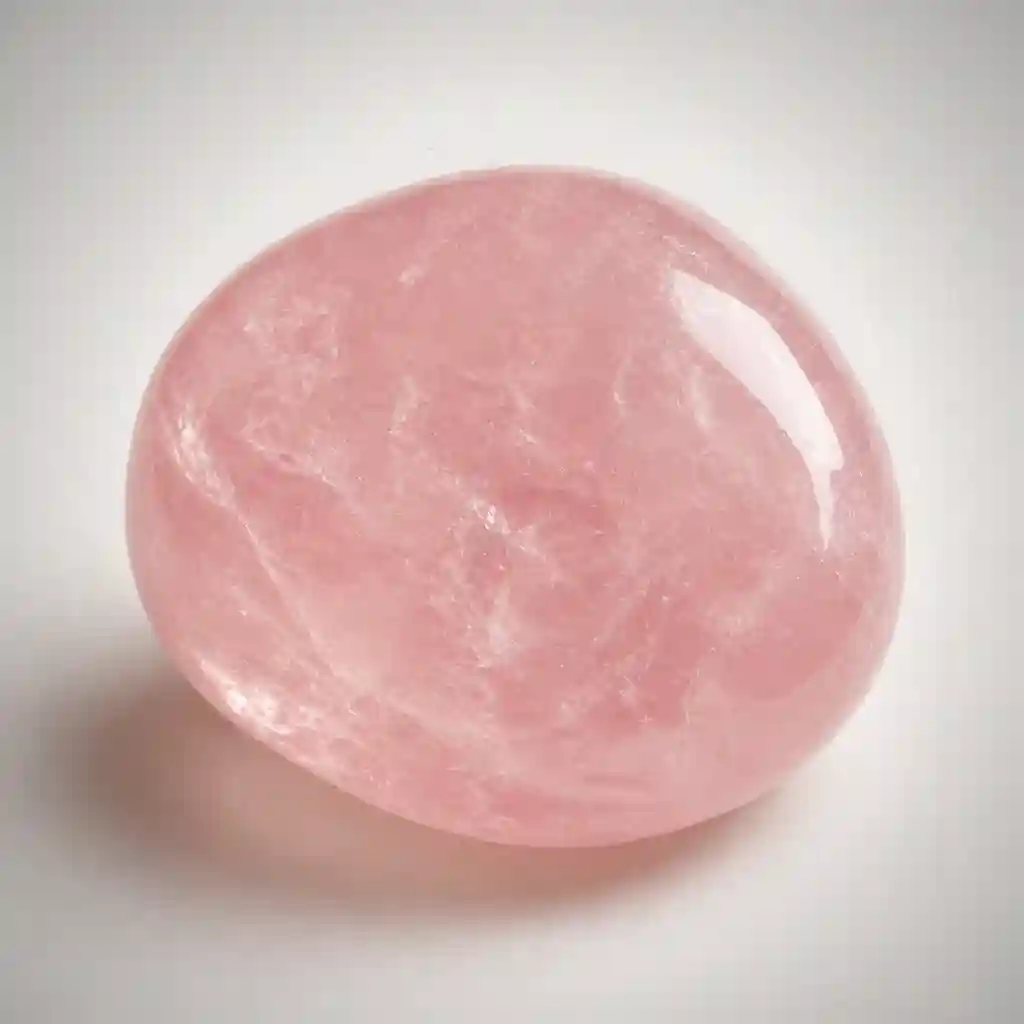
Rose Quartz
Rose Quartz's universal love energy and Pink Opal's deep emotional healing create the most nurturing, heart-opening combination possible — like being wrapped in a warm, loving embrace that makes everything feel safe enough to heal
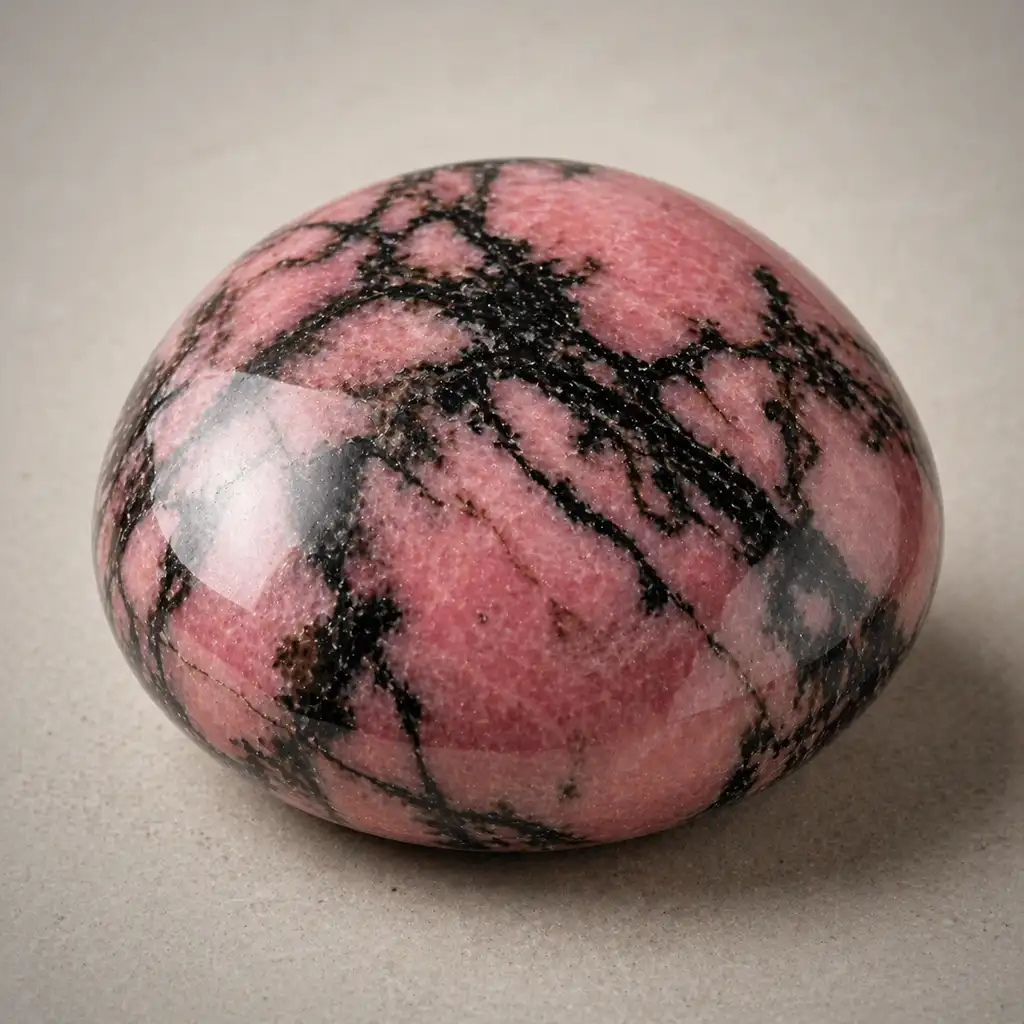
Rhodonite
Rhodonite's gift for emotional recovery and rescuer energy complements Pink Opal's gentle healing process, creating a powerful pairing for those working through trauma, heartbreak, or deep emotional wounds that need both tenderness and strength
Lepidolite
Lepidolite's deeply calming, anxiety-soothing energy amplifies Pink Opal's stress-relief properties, making this an exceptional combination for anxiety, insomnia, and the emotional overwhelm that accompanies intense healing work
Combinations to Approach with Caution
If You Like Pink Opal, Also Try
How Can You Tell if Pink Opal is Real or Fake?
Common Imitations
Identification Tests
1.Color Consistency Test
Examine the stone's color under good lighting, looking for signs of dye concentration in cracks, pores, or surface irregularities.
Authentic Pink Opal has consistent, natural-looking pink coloration that is uniform throughout the stone. Dyed imitations may show color concentrated in surface cracks, pores, or along edges. If the color looks unnaturally vivid, perfectly uniform, or seems to sit only on the surface, it may be dyed.
2.Acetone Test for Dye
Dip a cotton swab in acetone (nail polish remover) and gently rub an inconspicuous area of the stone.
Natural Pink Opal colors will not be affected by acetone. If pink color transfers to the cotton swab, the stone has been dyed. This is one of the most reliable tests for distinguishing genuine Pink Opal from dyed howlite, magnesite, or other pale stones that have been artificially colored.
3.Hardness Test
Attempt to scratch the specimen with your fingernail and with a copper coin.
Genuine Pink Opal (Mohs 5.5-6.5) should not be scratched by a fingernail (Mohs 2.5) but may be scratched by a copper coin (Mohs 3-3.5) with effort. Dyed howlite (Mohs 3.5) is softer and easier to scratch. Polymer or resin imitations will be noticeably softer than genuine opal.
4.Temperature and Weight Test
Hold the stone in your hand and assess its temperature response and weight.
Authentic Pink Opal feels moderately cool to the touch initially and has a relatively light weight for its size due to its lower specific gravity (1.98-2.20) compared to chalcedony (2.58-2.64). Glass imitations feel heavier and have a different temperature response. Polymer imitations are noticeably lighter and warm up very quickly.
Price Reference
Small
$8-20
Medium
$25-65
Large
$70-200+
Peruvian Pink Opal commands the highest prices due to its superior color consistency and quality. Australian and Mexican Pink Opal are more affordable. Specimens with particularly vivid, even pink coloration and minimal matrix or inclusions are the most valuable. Dyed imitations are common at the lower end of the market and should be distinguished from genuine material.
Is Pink Opal Safe? Care & Precautions
Toxicity Warning
Pink Opal is non-toxic for normal handling. As a hydrated silica mineral, it is chemically inert and safe for skin contact. As with all stones, do not ingest or inhale dust from cutting or grinding.
Storage
Store Pink Opal in a soft pouch or padded container, separate from harder stones that could easily scratch its relatively soft surface. With a hardness of 5.5-6.5, it is one of the softer gemstones and requires gentle handling. Because opal contains water, it is important to avoid storing it in extremely dry environments, which can cause cracking or crazing over time. Some practitioners recommend occasionally placing the stone on a moist cloth to help maintain its water content.
Special Warnings
- ⚠Avoid prolonged water exposure — Pink Opal can absorb water and may become weakened or damaged over time
- ⚠Never use salt water — salt can penetrate the stone's porous structure and cause damage
- ⚠Avoid ultrasonic cleaners — vibration can crack the relatively delicate stone
- ⚠Avoid extreme temperature changes — can cause cracking or crazing (surface fractures)
- ⚠Store away from very dry environments — dehydration can cause the stone to crack
- ⚠Remove jewelry before any activity that could scratch or chip the relatively soft stone
What is Pink Opal Best For?
Pink Opal FAQ — Common Questions Answered
What is Pink Opal good for?+
Pink Opal is excellent for emotional healing, trauma release, anxiety relief, and cultivating self-love and inner peace. It promotes restful sleep, reduces stress, and creates a gentle, nurturing energy that supports emotional renewal. It is particularly valued for those recovering from heartbreak, grief, or any form of emotional trauma that requires tender, patient healing.
Is Pink Opal the same as precious opal?+
No, Pink Opal is classified as "common opal" and does not display the play-of-color spectral flashes that characterize precious opal. While precious opal is valued primarily for its optical effects, Pink Opal is valued for its consistent pink color and its gentle, heart-healing metaphysical properties. They are both hydrated silica minerals, but their visual and energetic qualities are quite different. Pink Opal is also significantly less expensive than precious opal.
Can Pink Opal go in water?+
Pink Opal has significant water content in its chemical structure (indicated by the "nH₂O" in its formula), but prolonged soaking in water is not recommended as it can weaken the stone over time. Brief rinsing is generally safe, but the stone should be dried promptly. Salt water should be avoided entirely. For energetic cleansing, moonlight bathing, smudging, or sound cleansing are gentler and more appropriate methods that avoid the risk of water damage.
Where does the best Pink Opal come from?+
The most highly regarded Pink Opal comes from Peru, where deposits produce specimens with particularly consistent, even baby-pink coloration and smooth, uniform texture. Peruvian Pink Opal is considered the gold standard for both lapidary use and crystal healing practice. Australia and Mexico also produce Pink Opal, though the color and quality can vary. Peruvian material is generally more expensive but is considered worth the premium for its superior color and energy.
Is Pink Opal good for sleep?+
Yes, Pink Opal is considered one of the best crystals for promoting peaceful sleep. Its gentle, calming energy helps quiet racing thoughts, soothe anxiety, and create a sense of emotional safety that allows the mind and body to relax deeply into sleep. Placing Pink Opal under your pillow or on the nightstand is the most common approach. The stone is particularly helpful for those whose sleep is disrupted by anxiety, emotional distress, or the processing of difficult feelings.
Was this helpful?